Democratic senators seeking new leadership

VS
Chuck Schumer
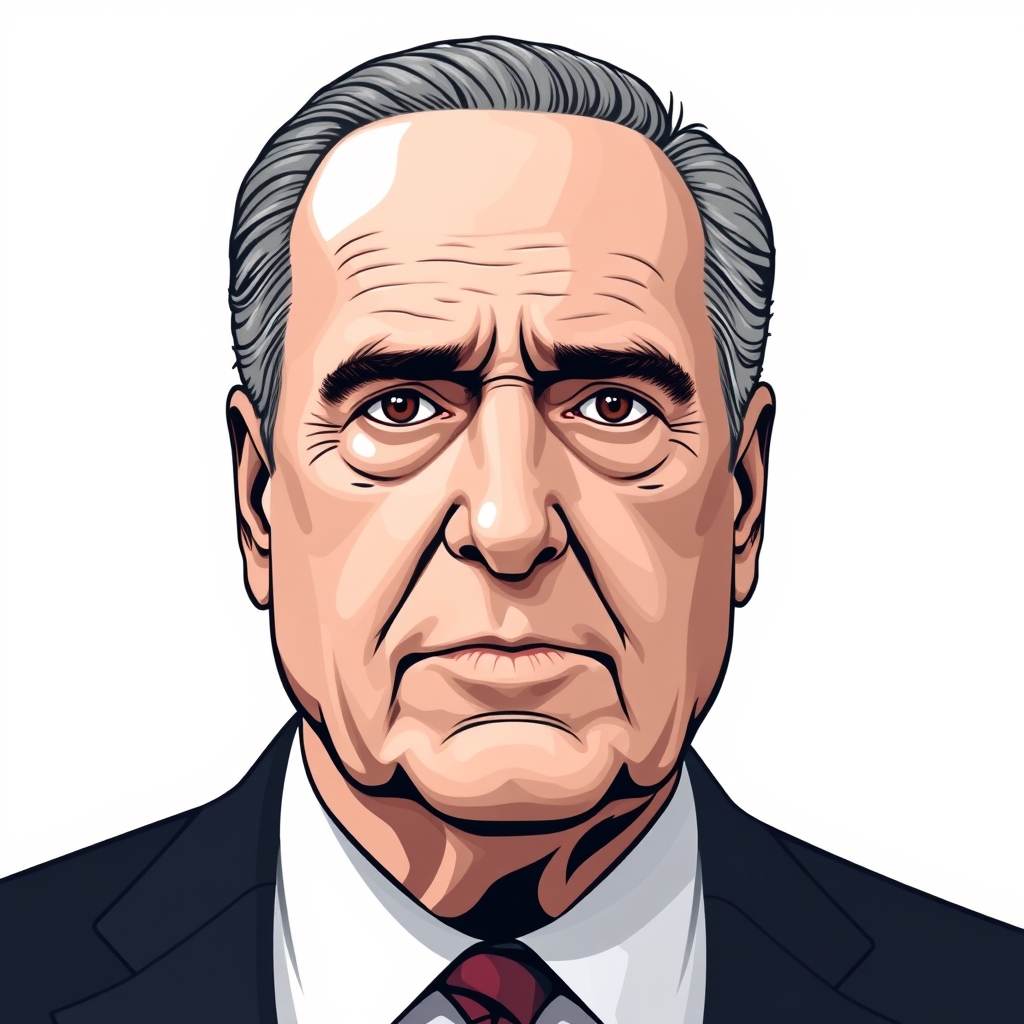
Some Democratic senators and voters are calling for new leadership, questioning Chuck Schumer's role as Senate Democratic leader.
The article reports division within the party over whether he should remain in his leadership position.
*AI-generated summary of publicly available data. This is not an official statement of any party.
*AI-generated summary of publicly available statements and reporting. This is not an official statement of this party.
Supporters of Democratic senators seeking new leadership argue that political renewal is a cultural necessity, maintaining that parties must periodically refresh their leadership to stay connected to the voters who swept them into power.
Supporters of Democratic senators seeking new leadership argue that inherited institutional norms must yield when a party's coalition demands renewal, contending that deference to seniority alone cannot sustain public trust.
Supporters of new leadership counter that a party's cultural base is living, not fixed, and that entrusting continuity to one figure risks mistaking inherited seniority for genuine connection to the communities now shaping the party.
Supporters of Democratic senators seeking new leadership argue that the party's voters effectively withdrew their mandate for Schumer, and they maintain that leadership should be accountable to that electoral verdict.
Supporters of Democratic senators seeking new leadership argue that internal party rules and precedent give the caucus authority to choose its leader, and they point to reported rank-and-file demands as evidence that the current leader lacks the caucus's confidence.
Supporters of Democratic senators seeking new leadership counter that caucus rules and party procedures are not legal mandates—leadership elections are internal votes, not statutory authority—so invoking "established procedures" cannot shield a leader whose caucus has lost confid.
Supporters of Democratic senators seeking new leadership argue that Schumer's incumbency has become a liability, and that replacing him is a pragmatic bid to reclaim voter trust before the next election.
Supporters of Democratic senators seeking new leadership argue that Schumer's incumbency is itself the liability, and that replacing him is the pragmatic price of renewing voter trust.
Supporters of new leadership counter that incumbency discipline cuts both ways: a leader who cannot command the fight forfeits leverage anyway, and replacing him signals resolve rather than weakness to opponents.
Supporters of Democratic senators seeking new leadership argue that a party swept into power by voters demanding change owes those voters accountable stewardship of its mandate, and that clinging to the same leader signals disregard for that trust.
Supporters of Democratic senators seeking new leadership argue that accountability is a moral duty, contending that leaders who lose the trust of the voters who elected them should step aside.
Supporters of Democratic senators seeking new leadership counter that a leader's moral duty is to constituents, not to incumbency, arguing that accountability itself upholds fairness rather than betraying it.
Supporters of Democratic senators seeking new leadership argue that legitimate authority flows from the consent of the voters who swept them into power, a principle of stewardship that no inherited leadership claim can override.
Supporters of Democratic senators seeking new leadership argue that political authority should be renewed rather than held indefinitely, invoking the principle of stewardship—leaders serve the community's continuity, not their own tenure.
Supporters of Democratic senators seeking new leadership counter that scripture also warns against leaders who cling to power past their season, arguing that humility and handing over authority reflect the same faithfulness Schumer's backers invoke.
*AI-generated summary of publicly available statements and reporting. This is not an official statement of this party.
Supporters of Chuck Schumer argue that his long record of coalition-building reflects a deep understanding of the party's cultural base and that casting him aside would sever experienced leadership from the communities it has long served.
Supporters of Chuck Schumer argue that his long tenure and institutional knowledge embody the party's cultural continuity, maintaining that experienced leadership preserves the identity and coalition that Democrats have built over decades.
Supporters of Chuck Schumer counter that discarding experienced leadership in the name of renewal risks severing the party from the working-class and immigrant communities whose loyalty was built over decades of relationships.
Supporters of Chuck Schumer argue that he holds a legitimate leadership mandate and that any challenge should follow established party procedures rather than public pressure.
Supporters of Chuck Schumer argue that he holds the leadership post through the party's established internal caucus process, and that any challenge should follow those lawful procedures rather than external pressure.
Supporters of Chuck Schumer counter that no rule or procedure transfers leadership based on an electoral verdict, and they note that caucus members, not voters, hold the formal authority to choose their leader.
Supporters of Chuck Schumer argue that ousting a leader mid-fight hands leverage to opponents and fractures the coalition, so party discipline and incumbency outweigh internal demands for change.
Supporters of Chuck Schumer argue that leadership fights are a gift to Republicans, and that replacing a leader with proven fundraising and floor leverage mid-term trades real power for symbolic satisfaction.
Supporters of Chuck Schumer counter that incumbency is leverage, not liability: his seniority and donor networks secure the resources and committee leverage that any successor would need to deliver, making a leadership fight the costlier wager.
Supporters of Chuck Schumer argue that replacing leadership mid-term rewards division over the party's shared moral duty to protect constituents, and they maintain that loyalty to a proven leader is itself a fairness principle.
Supporters of Chuck Schumer argue that loyalty and experience matter, maintaining that replacing leadership mid-term rewards internal division over the party's shared moral obligation to deliver for the voters who elected them.
Supporters of Chuck Schumer counter that loyalty to a leader who delivered hard-won results reflects the party's duty of care, arguing that discarding experienced stewardship mid-fight risks abandoning the very voters the mandate was meant to serve.
Supporters of Chuck Schumer argue that scripture counsels patience and respect for established authority, and they maintain that his long service reflects a steady, faithful commitment to the party's moral obligations.
Supporters of Chuck Schumer argue that faithful stewardship favors patience and institutional continuity, maintaining that his long service and coalition-building reflect a prudent, steady hand rather than a reason for removal.
Supporters of Chuck Schumer counter that stewardship is a trust from God, not merely a grant from voters, and that Scripture counsels patience and honor toward appointed elders rather than sudden casting-off of leadership.
AI-generated summary of publicly available statements and reporting. This is not an official statement of this party.
Supporters of Democratic senators seeking new leadership argue that political renewal is a cultural necessity, maintaining that parties must periodically refresh their leadership to stay connected to the voters who swept them into power.
Supporters of Democratic senators seeking new leadership argue that inherited institutional norms must yield when a party's coalition demands renewal, contending that deference to seniority alone cannot sustain public trust.
Supporters of new leadership counter that a party's cultural base is living, not fixed, and that entrusting continuity to one figure risks mistaking inherited seniority for genuine connection to the communities now shaping the party.
Supporters of Democratic senators seeking new leadership argue that the party's voters effectively withdrew their mandate for Schumer, and they maintain that leadership should be accountable to that electoral verdict.
Supporters of Democratic senators seeking new leadership argue that internal party rules and precedent give the caucus authority to choose its leader, and they point to reported rank-and-file demands as evidence that the current leader lacks the caucus's confidence.
Supporters of Democratic senators seeking new leadership counter that caucus rules and party procedures are not legal mandates—leadership elections are internal votes, not statutory authority—so invoking "established procedures" cannot shield a leader whose caucus has lost confid.
Supporters of Democratic senators seeking new leadership argue that Schumer's incumbency has become a liability, and that replacing him is a pragmatic bid to reclaim voter trust before the next election.
Supporters of Democratic senators seeking new leadership argue that Schumer's incumbency is itself the liability, and that replacing him is the pragmatic price of renewing voter trust.
Supporters of new leadership counter that incumbency discipline cuts both ways: a leader who cannot command the fight forfeits leverage anyway, and replacing him signals resolve rather than weakness to opponents.
Supporters of Democratic senators seeking new leadership argue that a party swept into power by voters demanding change owes those voters accountable stewardship of its mandate, and that clinging to the same leader signals disregard for that trust.
Supporters of Democratic senators seeking new leadership argue that accountability is a moral duty, contending that leaders who lose the trust of the voters who elected them should step aside.
Supporters of Democratic senators seeking new leadership counter that a leader's moral duty is to constituents, not to incumbency, arguing that accountability itself upholds fairness rather than betraying it.
Supporters of Democratic senators seeking new leadership argue that legitimate authority flows from the consent of the voters who swept them into power, a principle of stewardship that no inherited leadership claim can override.
Supporters of Democratic senators seeking new leadership argue that political authority should be renewed rather than held indefinitely, invoking the principle of stewardship—leaders serve the community's continuity, not their own tenure.
Supporters of Democratic senators seeking new leadership counter that scripture also warns against leaders who cling to power past their season, arguing that humility and handing over authority reflect the same faithfulness Schumer's backers invoke.
Supporters of Chuck Schumer argue that his long record of coalition-building reflects a deep understanding of the party's cultural base and that casting him aside would sever experienced leadership from the communities it has long served.
Supporters of Chuck Schumer argue that his long tenure and institutional knowledge embody the party's cultural continuity, maintaining that experienced leadership preserves the identity and coalition that Democrats have built over decades.
Supporters of Chuck Schumer counter that discarding experienced leadership in the name of renewal risks severing the party from the working-class and immigrant communities whose loyalty was built over decades of relationships.
Supporters of Chuck Schumer argue that he holds a legitimate leadership mandate and that any challenge should follow established party procedures rather than public pressure.
Supporters of Chuck Schumer argue that he holds the leadership post through the party's established internal caucus process, and that any challenge should follow those lawful procedures rather than external pressure.
Supporters of Chuck Schumer counter that no rule or procedure transfers leadership based on an electoral verdict, and they note that caucus members, not voters, hold the formal authority to choose their leader.
Supporters of Chuck Schumer argue that ousting a leader mid-fight hands leverage to opponents and fractures the coalition, so party discipline and incumbency outweigh internal demands for change.
Supporters of Chuck Schumer argue that leadership fights are a gift to Republicans, and that replacing a leader with proven fundraising and floor leverage mid-term trades real power for symbolic satisfaction.
Supporters of Chuck Schumer counter that incumbency is leverage, not liability: his seniority and donor networks secure the resources and committee leverage that any successor would need to deliver, making a leadership fight the costlier wager.
Supporters of Chuck Schumer argue that replacing leadership mid-term rewards division over the party's shared moral duty to protect constituents, and they maintain that loyalty to a proven leader is itself a fairness principle.
Supporters of Chuck Schumer argue that loyalty and experience matter, maintaining that replacing leadership mid-term rewards internal division over the party's shared moral obligation to deliver for the voters who elected them.
Supporters of Chuck Schumer counter that loyalty to a leader who delivered hard-won results reflects the party's duty of care, arguing that discarding experienced stewardship mid-fight risks abandoning the very voters the mandate was meant to serve.
Supporters of Chuck Schumer argue that scripture counsels patience and respect for established authority, and they maintain that his long service reflects a steady, faithful commitment to the party's moral obligations.
Supporters of Chuck Schumer argue that faithful stewardship favors patience and institutional continuity, maintaining that his long service and coalition-building reflect a prudent, steady hand rather than a reason for removal.
Supporters of Chuck Schumer counter that stewardship is a trust from God, not merely a grant from voters, and that Scripture counsels patience and honor toward appointed elders rather than sudden casting-off of leadership.
Some Democratic senators – and the very voters that swept them into power – are demanding new leadership.