Democrats
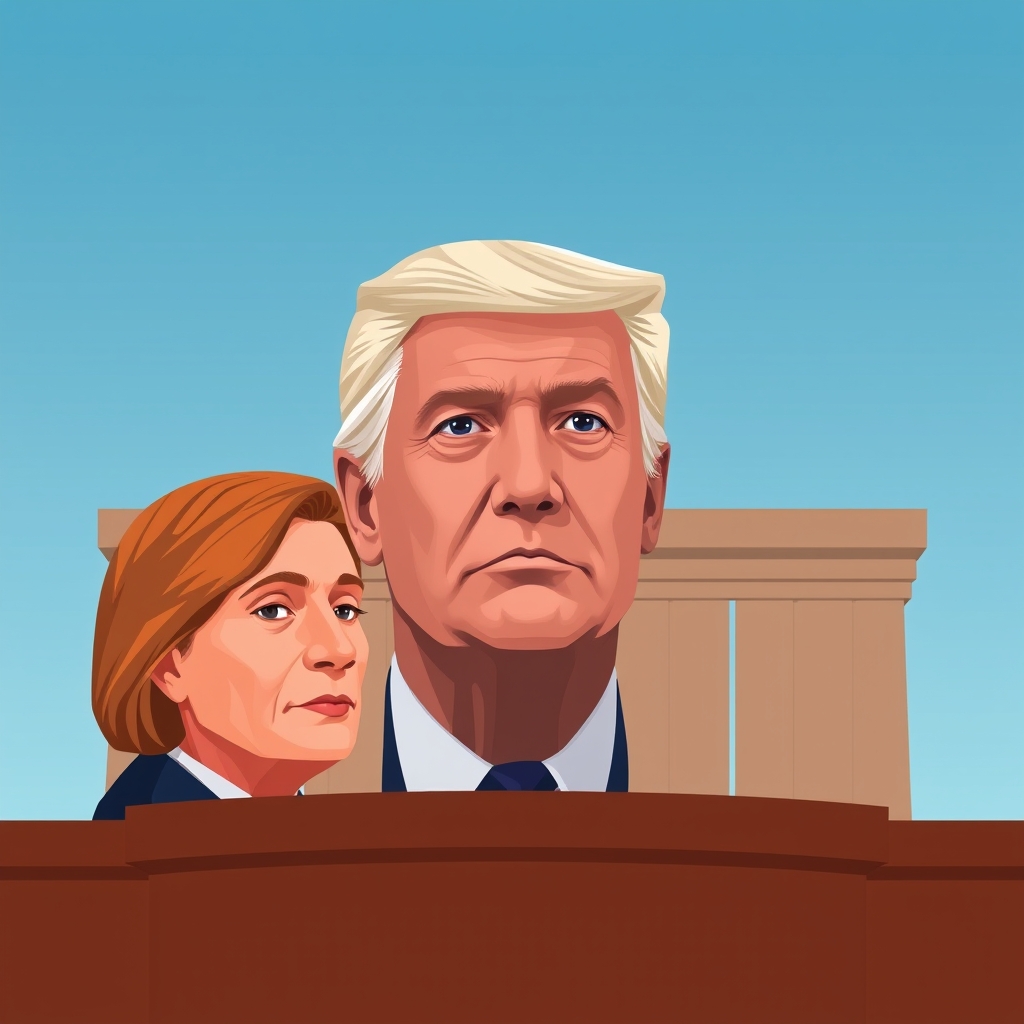
VS
Critics of Trump

After winning the US midterm elections, Democrats have pledged to investigate corruption in the Trump administration.
Critics argue that the president's Middle East deals should be a key focus of that inquiry.
*AI-generated summary of publicly available data. This is not an official statement of any party.
*AI-generated summary of publicly available statements and reporting. This is not an official statement of this party.
Supporters of Democrats argue that congressional oversight of foreign deals is a duty rooted in the nation's constitutional traditions, maintaining that investigating the administration's Middle East dealings upholds the institutional checks the founders intended.
Supporters of Democrats argue that congressional oversight of foreign dealings is a duty inherited from the founders' design of checks and balances, preserving institutional order against corruption.
Supporters of Democrats counter that accountability is not a cultural restoration project but a legal process, and they warn against framing oversight as a moral crusade that risks turning institutions into instruments of factional vengeance.
Supporters of Democrats argue that congressional oversight is a legal duty, so investigating the administration's Middle East deals falls squarely within their mandate after the midterm win.
Supporters of Democrats argue that congressional oversight is a legal duty, and they maintain that investigating the administration's Middle East deals falls squarely within that mandate after the midterm win.
Supporters of Democrats counter that oversight authority isn't unlimited: they argue courts have long held that legislative investigations must tie to a valid legislative purpose, so demands touching the president's diplomatic negotiations risk exceeding Congress's Article I powe.
Supporters of Democrats argue that investigating the president's Middle East deals is leverage: it exposes conflicts of interest, pressures cooperation, and keeps opponents defensive—power exercised through oversight.
Supporters of Democrats argue that investigating the president's Middle East deals is leverage: it exposes conflicts of interest and forces the administration to negotiate on the party's terms.
Democrats counter that scrutiny cuts both ways: forcing disclosures invites reciprocal investigations into their own donors, and leverage that can be turned on a president can just as easily be turned on them once power shifts.
Supporters of Democrats argue that oversight is a moral duty: having won the midterms, they maintain that investigating corruption, including the president's Middle East deals, honors voters' trust and holds power accountable.
Supporters of Democrats argue that a mandate to investigate corruption carries a moral duty to follow the evidence wherever it leads, including the president's Middle East deals.
Supporters of Democrats counter that a midterm mandate to investigate corruption applies equally to oversight of business dealings, arguing that selective moral scrutiny of one side undermines the principle that power answers to law.
Supporters of Democrats argue that scripture's call for honest governance and justice for the oppressed obligates them to investigate corruption in the administration, framing the inquiry as a moral duty to hold power accountable.
Supporters of Democrats argue that scriptural calls for justice and honesty in governance obligate leaders to examine the administration's Middle East dealings, framing the inquiry as a moral duty to expose corruption.
Supporters of Democrats counter that the same scriptural call for justice applies to every leader equally, citing the prophets' insistence that rulers be judged by the same moral law.
*AI-generated summary of publicly available statements and reporting. This is not an official statement of this party.
Supporters of Critics of Trump argue that investigating the president's Middle East deals is a cultural duty to restore accountability and national integrity after the midterms.
Supporters of Critics of Trump argue that investigating the president's Middle East deals is a cultural duty to restore accountability and democratic norms at home.
Critics of Trump counter that invoking constitutional tradition to scrutinize foreign dealings rings hollow when the same institutionalists stayed silent on prior administrations' Middle East ventures, suggesting the oversight is selectively weaponized rather than culturally prin.
Supporters of Critics of Trump argue that congressional oversight of the president's Middle East deals is a legitimate legal duty, pointing to the 2018 midterm mandate to investigate administration corruption.
Supporters of Critics of Trump argue that Democratic oversight of the administration's Middle East deals is a legitimate legal duty of Congress, not partisanship.
Critics of Trump counter that oversight authority is not a blank check—they argue courts have long held that congressional investigations must serve a legitimate legislative purpose, not partisan targeting of political opponents.
Supporters of Critics of Trump argue that investigating the president's Middle East deals is leverage: it forces disclosures that weaken his bargaining position and binds his coalition's business allies to public scrutiny.
Supporters of Critics of Trump argue that investigations are leverage: they maintain that probing the president's Middle East deals gives Democrats bargaining power and forces concessions, since oversight pressure, not persuasion, moves a self-interested executive.
Critics of Trump counter that oversight framed as leverage cuts both ways: once investigations are openly wielded as weapons, the president's allies treat every probe as partisan, refuse cooperation, and the exposure loses its bite.
Supporters of Critics of Trump argue that the midterm results carry a moral mandate to probe corruption, and they maintain that the president's Middle East deals deserve scrutiny because power must answer to law.
Supporters of Critics of Trump argue that the promised corruption inquiry carries a moral duty to examine the president's Middle East deals, insisting that accountability for foreign dealings is owed to voters and the public trust.
Critics of Trump counter that wielding oversight power against a political rival while shielding their own members' dealings is hypocrisy, arguing that true moral duty requires impartial accountability rather than selective investigations.
Supporters of Critics of Trump argue that religious tradition obliges leaders to answer for corruption, and they maintain that investigating the president's Middle East deals upholds the moral order that faith demands.
Supporters of Critics of Trump argue that investigating the president's Middle East deals is a moral duty, maintaining that institutions must uphold inherited standards of honesty and stewardship.
Critics of Trump counter that the same scripture commands obedience to established authority and warns against bearing false witness, so they argue the inquiry risks becoming a partisan pursuit rather than a righteous one.
AI-generated summary of publicly available statements and reporting. This is not an official statement of this party.
Supporters of Democrats argue that congressional oversight of foreign deals is a duty rooted in the nation's constitutional traditions, maintaining that investigating the administration's Middle East dealings upholds the institutional checks the founders intended.
Supporters of Democrats argue that congressional oversight of foreign dealings is a duty inherited from the founders' design of checks and balances, preserving institutional order against corruption.
Supporters of Democrats counter that accountability is not a cultural restoration project but a legal process, and they warn against framing oversight as a moral crusade that risks turning institutions into instruments of factional vengeance.
Supporters of Democrats argue that congressional oversight is a legal duty, so investigating the administration's Middle East deals falls squarely within their mandate after the midterm win.
Supporters of Democrats argue that congressional oversight is a legal duty, and they maintain that investigating the administration's Middle East deals falls squarely within that mandate after the midterm win.
Supporters of Democrats counter that oversight authority isn't unlimited: they argue courts have long held that legislative investigations must tie to a valid legislative purpose, so demands touching the president's diplomatic negotiations risk exceeding Congress's Article I powe.
Supporters of Democrats argue that investigating the president's Middle East deals is leverage: it exposes conflicts of interest, pressures cooperation, and keeps opponents defensive—power exercised through oversight.
Supporters of Democrats argue that investigating the president's Middle East deals is leverage: it exposes conflicts of interest and forces the administration to negotiate on the party's terms.
Democrats counter that scrutiny cuts both ways: forcing disclosures invites reciprocal investigations into their own donors, and leverage that can be turned on a president can just as easily be turned on them once power shifts.
Supporters of Democrats argue that oversight is a moral duty: having won the midterms, they maintain that investigating corruption, including the president's Middle East deals, honors voters' trust and holds power accountable.
Supporters of Democrats argue that a mandate to investigate corruption carries a moral duty to follow the evidence wherever it leads, including the president's Middle East deals.
Supporters of Democrats counter that a midterm mandate to investigate corruption applies equally to oversight of business dealings, arguing that selective moral scrutiny of one side undermines the principle that power answers to law.
Supporters of Democrats argue that scripture's call for honest governance and justice for the oppressed obligates them to investigate corruption in the administration, framing the inquiry as a moral duty to hold power accountable.
Supporters of Democrats argue that scriptural calls for justice and honesty in governance obligate leaders to examine the administration's Middle East dealings, framing the inquiry as a moral duty to expose corruption.
Supporters of Democrats counter that the same scriptural call for justice applies to every leader equally, citing the prophets' insistence that rulers be judged by the same moral law.
Supporters of Critics of Trump argue that investigating the president's Middle East deals is a cultural duty to restore accountability and national integrity after the midterms.
Supporters of Critics of Trump argue that investigating the president's Middle East deals is a cultural duty to restore accountability and democratic norms at home.
Critics of Trump counter that invoking constitutional tradition to scrutinize foreign dealings rings hollow when the same institutionalists stayed silent on prior administrations' Middle East ventures, suggesting the oversight is selectively weaponized rather than culturally prin.
Supporters of Critics of Trump argue that congressional oversight of the president's Middle East deals is a legitimate legal duty, pointing to the 2018 midterm mandate to investigate administration corruption.
Supporters of Critics of Trump argue that Democratic oversight of the administration's Middle East deals is a legitimate legal duty of Congress, not partisanship.
Critics of Trump counter that oversight authority is not a blank check—they argue courts have long held that congressional investigations must serve a legitimate legislative purpose, not partisan targeting of political opponents.
Supporters of Critics of Trump argue that investigating the president's Middle East deals is leverage: it forces disclosures that weaken his bargaining position and binds his coalition's business allies to public scrutiny.
Supporters of Critics of Trump argue that investigations are leverage: they maintain that probing the president's Middle East deals gives Democrats bargaining power and forces concessions, since oversight pressure, not persuasion, moves a self-interested executive.
Critics of Trump counter that oversight framed as leverage cuts both ways: once investigations are openly wielded as weapons, the president's allies treat every probe as partisan, refuse cooperation, and the exposure loses its bite.
Supporters of Critics of Trump argue that the midterm results carry a moral mandate to probe corruption, and they maintain that the president's Middle East deals deserve scrutiny because power must answer to law.
Supporters of Critics of Trump argue that the promised corruption inquiry carries a moral duty to examine the president's Middle East deals, insisting that accountability for foreign dealings is owed to voters and the public trust.
Critics of Trump counter that wielding oversight power against a political rival while shielding their own members' dealings is hypocrisy, arguing that true moral duty requires impartial accountability rather than selective investigations.
Supporters of Critics of Trump argue that religious tradition obliges leaders to answer for corruption, and they maintain that investigating the president's Middle East deals upholds the moral order that faith demands.
Supporters of Critics of Trump argue that investigating the president's Middle East deals is a moral duty, maintaining that institutions must uphold inherited standards of honesty and stewardship.
Critics of Trump counter that the same scripture commands obedience to established authority and warns against bearing false witness, so they argue the inquiry risks becoming a partisan pursuit rather than a righteous one.
Democrats won the US midterm elections and promised to investigate corruption in the Trump administration.
No impact analysis has been generated for this conflict yet.