Democrats

VS
Republican candidates

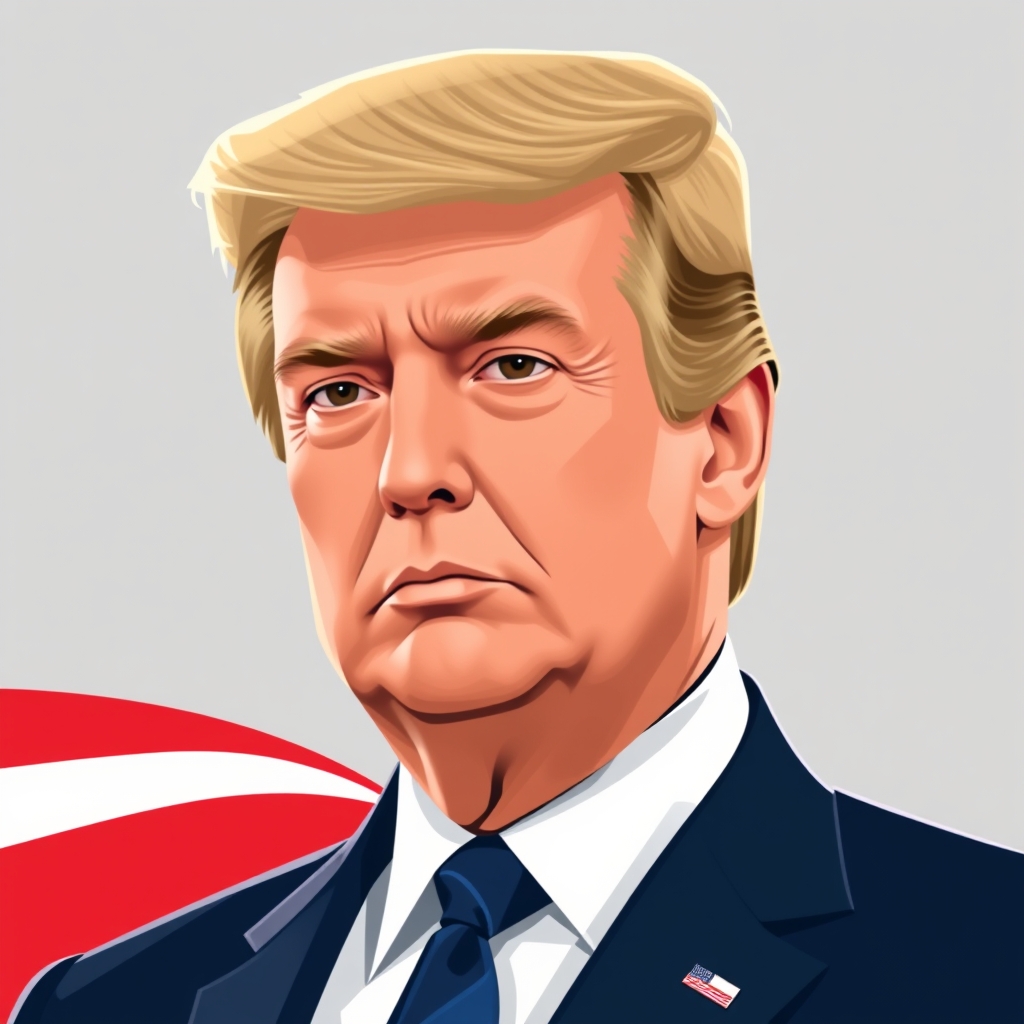
The article discusses how the Iran war is shaping the US midterm elections, with Democrats framing the conflict as an affordability issue to criticize Republican candidates backed by Trump.
*AI-generated summary of publicly available data. This is not an official statement of any party.
*AI-generated summary of publicly available statements and reporting. This is not an official statement of this party.
Supporters of Democrats argue that framing the Iran war as an affordability issue reflects a cultural conviction that foreign policy and household budgets are inseparable.
Supporters of Democrats argue the Iran war is a cultural affordability issue, framing wartime costs as a household burden to cast Trump-backed Republican candidates as out of touch with working families.
Supporters of Democrats counter that working families have historically borne the cultural cost of distant wars while elites invoke national identity, arguing that kitchen-table concerns are themselves a cultural value, not a distraction from it.
Supporters of Democrats argue the Iran war is legally inseparable from affordability, contending that wartime spending and disruption justify holding Republican candidates accountable for costs voters bear.
Supporters of Democrats argue that voters have a legal right to see how war costs drive up prices at home, framing the Iran conflict as an affordability issue to hold Trump-backed Republican candidates accountable for spending decisions.
Supporters of Democrats counter that the War Powers Resolution gives Congress a legal duty to check military action, so challenging war powers is a lawful legislative function, not mere campaign messaging.
Supporters of Democrats argue that framing the Iran war as an affordability issue is shrewd politics: tying war costs to household prices lets them attack Trump-backed Republicans where voters feel it most.
Supporters of Democrats argue that framing the Iran war as an affordability issue is shrewd politics: tying conflict costs to household prices forces Republican candidates to defend Trump's spending, shifting blame without seeming weak on security.
Supporters of Democrats counter that projecting strength through brinkmanship raises the risk premium markets actually fear, making the cost-of-living case stronger—they argue deterrence and stability, not escalation, are what steady prices.
Supporters of Democrats argue that war spending is a moral failure when households struggle with costs, contending that trillions diverted to the Iran conflict should instead ease Americans' affordability burdens.
Supporters of Democrats argue that it is morally right to judge the Iran war by its cost to working families, framing the conflict as an affordability issue and holding Trump-backed Republican candidates accountable for the economic burden.
Supporters of Democrats counter that framing energy independence as a moral duty rings hollow when the same policies stall domestic clean-energy investment, leaving families exposed to volatile prices rather than shielding them.
Supporters of Democrats argue that the Iran war is a moral and affordability question, maintaining that religious values of stewardship and care for the vulnerable require opposing a conflict they say drains resources from families.
Supporters of Democrats frame the Iran war as a moral and affordability concern, arguing that religious values call for peace and that war spending burdens families.
Supporters of Democrats counter that scripture also demands faithful discernment before war, and they argue that a costly, unauthorized conflict risks violating just-war limits and the stewardship of resources, not fulfilling a faith duty.
*AI-generated summary of publicly available statements and reporting. This is not an official statement of this party.
Supporters of Republican candidates argue that Democrats are reducing a question of national security and cultural identity to household costs, and they maintain that backing the president's Iran policy reflects resolve rather than a threat to voters' wallets.
Supporters of Republican candidates argue the Iran conflict is fundamentally a question of national identity and resolve, maintaining that framing it as an affordability issue reduces a sovereign security matter to household costs.
Supporters of Republican candidates counter that tying foreign policy to household budgets erodes a distinct national identity, arguing that sovereignty and security are cultural commitments that stand apart from economic messaging.
Supporters of Republican candidates argue that framing the Iran conflict as an affordability issue conflates foreign policy with domestic pricing, and they maintain that war powers and national security decisions belong to the executive and Congress, not to campaign messaging.
Supporters of Republican candidates argue that Democrats are conflating foreign policy with affordability to sidestep legal debate over the conflict's authorization, contending that war powers and economic policy are separate questions that should not be merged for electoral adva.
Supporters of Republican candidates counter that war powers belong to Congress and the president under Article I and Article II, so tying military action to candidates' accountability for grocery prices stretches legal causation beyond what voters can enforce at the ballot.
Supporters of Republican candidates argue that Democrats use war anxiety as a cost-of-living wedge because they lack a stronger record to run on, and that backing Trump's posture projects strength that steadies markets.
Supporters of Republican candidates argue that tying the Iran war to affordability is a Democratic maneuver to sidestep accountability, and that voters reward candidates who project resolve rather than apologize for power.
Supporters of Republican candidates counter that voters reward strength over cost-accounting, so tying war to grocery bills cedes security to Democrats and invites the charge of weakness—an argument they say wins primaries but loses general elections.
Supporters of Republican candidates argue that reducing reliance on foreign adversaries and securing energy independence is a moral duty that protects American families from the economic instability Democrats attribute to the conflict.
Supporters of Republican candidates argue that framing the Iran war as an affordability issue is a moral dodge, insisting that national security and duty to allies must not be reduced to household costs.
Supporters of Republican candidates counter that a nation's first moral duty is protecting its people, arguing that abandoning the Iran conflict to fund domestic relief would trade long-term security for short-term comfort.
Supporters of Republican candidates argue that scripture calls the nation to stand with Israel and defend the innocent, so the Iran conflict is a moral and faith duty, not merely an affordability question.
Supporters of Republican candidates argue that scripture calls rulers to defend the innocent and pursue justice, so they frame the Iran conflict as a moral duty rather than a cost issue.
Supporters of Republican candidates counter that scripture also upholds the authority God delegates to rulers to defend the innocent and restrain evil, so stewardship of the vulnerable can require, not forbid, confronting a hostile regime.
AI-generated summary of publicly available statements and reporting. This is not an official statement of this party.
Supporters of Democrats argue that framing the Iran war as an affordability issue reflects a cultural conviction that foreign policy and household budgets are inseparable.
Supporters of Democrats argue the Iran war is a cultural affordability issue, framing wartime costs as a household burden to cast Trump-backed Republican candidates as out of touch with working families.
Supporters of Democrats counter that working families have historically borne the cultural cost of distant wars while elites invoke national identity, arguing that kitchen-table concerns are themselves a cultural value, not a distraction from it.
Supporters of Democrats argue the Iran war is legally inseparable from affordability, contending that wartime spending and disruption justify holding Republican candidates accountable for costs voters bear.
Supporters of Democrats argue that voters have a legal right to see how war costs drive up prices at home, framing the Iran conflict as an affordability issue to hold Trump-backed Republican candidates accountable for spending decisions.
Supporters of Democrats counter that the War Powers Resolution gives Congress a legal duty to check military action, so challenging war powers is a lawful legislative function, not mere campaign messaging.
Supporters of Democrats argue that framing the Iran war as an affordability issue is shrewd politics: tying war costs to household prices lets them attack Trump-backed Republicans where voters feel it most.
Supporters of Democrats argue that framing the Iran war as an affordability issue is shrewd politics: tying conflict costs to household prices forces Republican candidates to defend Trump's spending, shifting blame without seeming weak on security.
Supporters of Democrats counter that projecting strength through brinkmanship raises the risk premium markets actually fear, making the cost-of-living case stronger—they argue deterrence and stability, not escalation, are what steady prices.
Supporters of Democrats argue that war spending is a moral failure when households struggle with costs, contending that trillions diverted to the Iran conflict should instead ease Americans' affordability burdens.
Supporters of Democrats argue that it is morally right to judge the Iran war by its cost to working families, framing the conflict as an affordability issue and holding Trump-backed Republican candidates accountable for the economic burden.
Supporters of Democrats counter that framing energy independence as a moral duty rings hollow when the same policies stall domestic clean-energy investment, leaving families exposed to volatile prices rather than shielding them.
Supporters of Democrats argue that the Iran war is a moral and affordability question, maintaining that religious values of stewardship and care for the vulnerable require opposing a conflict they say drains resources from families.
Supporters of Democrats frame the Iran war as a moral and affordability concern, arguing that religious values call for peace and that war spending burdens families.
Supporters of Democrats counter that scripture also demands faithful discernment before war, and they argue that a costly, unauthorized conflict risks violating just-war limits and the stewardship of resources, not fulfilling a faith duty.
Supporters of Republican candidates argue that Democrats are reducing a question of national security and cultural identity to household costs, and they maintain that backing the president's Iran policy reflects resolve rather than a threat to voters' wallets.
Supporters of Republican candidates argue the Iran conflict is fundamentally a question of national identity and resolve, maintaining that framing it as an affordability issue reduces a sovereign security matter to household costs.
Supporters of Republican candidates counter that tying foreign policy to household budgets erodes a distinct national identity, arguing that sovereignty and security are cultural commitments that stand apart from economic messaging.
Supporters of Republican candidates argue that framing the Iran conflict as an affordability issue conflates foreign policy with domestic pricing, and they maintain that war powers and national security decisions belong to the executive and Congress, not to campaign messaging.
Supporters of Republican candidates argue that Democrats are conflating foreign policy with affordability to sidestep legal debate over the conflict's authorization, contending that war powers and economic policy are separate questions that should not be merged for electoral adva.
Supporters of Republican candidates counter that war powers belong to Congress and the president under Article I and Article II, so tying military action to candidates' accountability for grocery prices stretches legal causation beyond what voters can enforce at the ballot.
Supporters of Republican candidates argue that Democrats use war anxiety as a cost-of-living wedge because they lack a stronger record to run on, and that backing Trump's posture projects strength that steadies markets.
Supporters of Republican candidates argue that tying the Iran war to affordability is a Democratic maneuver to sidestep accountability, and that voters reward candidates who project resolve rather than apologize for power.
Supporters of Republican candidates counter that voters reward strength over cost-accounting, so tying war to grocery bills cedes security to Democrats and invites the charge of weakness—an argument they say wins primaries but loses general elections.
Supporters of Republican candidates argue that reducing reliance on foreign adversaries and securing energy independence is a moral duty that protects American families from the economic instability Democrats attribute to the conflict.
Supporters of Republican candidates argue that framing the Iran war as an affordability issue is a moral dodge, insisting that national security and duty to allies must not be reduced to household costs.
Supporters of Republican candidates counter that a nation's first moral duty is protecting its people, arguing that abandoning the Iran conflict to fund domestic relief would trade long-term security for short-term comfort.
Supporters of Republican candidates argue that scripture calls the nation to stand with Israel and defend the innocent, so the Iran conflict is a moral and faith duty, not merely an affordability question.
Supporters of Republican candidates argue that scripture calls rulers to defend the innocent and pursue justice, so they frame the Iran conflict as a moral duty rather than a cost issue.
Supporters of Republican candidates counter that scripture also upholds the authority God delegates to rulers to defend the innocent and restrain evil, so stewardship of the vulnerable can require, not forbid, confronting a hostile regime.
Democrats are framing the conflict as an affordability issue to criticise Republican candidates backed by Trump.