Democrats

VS
Trump administration
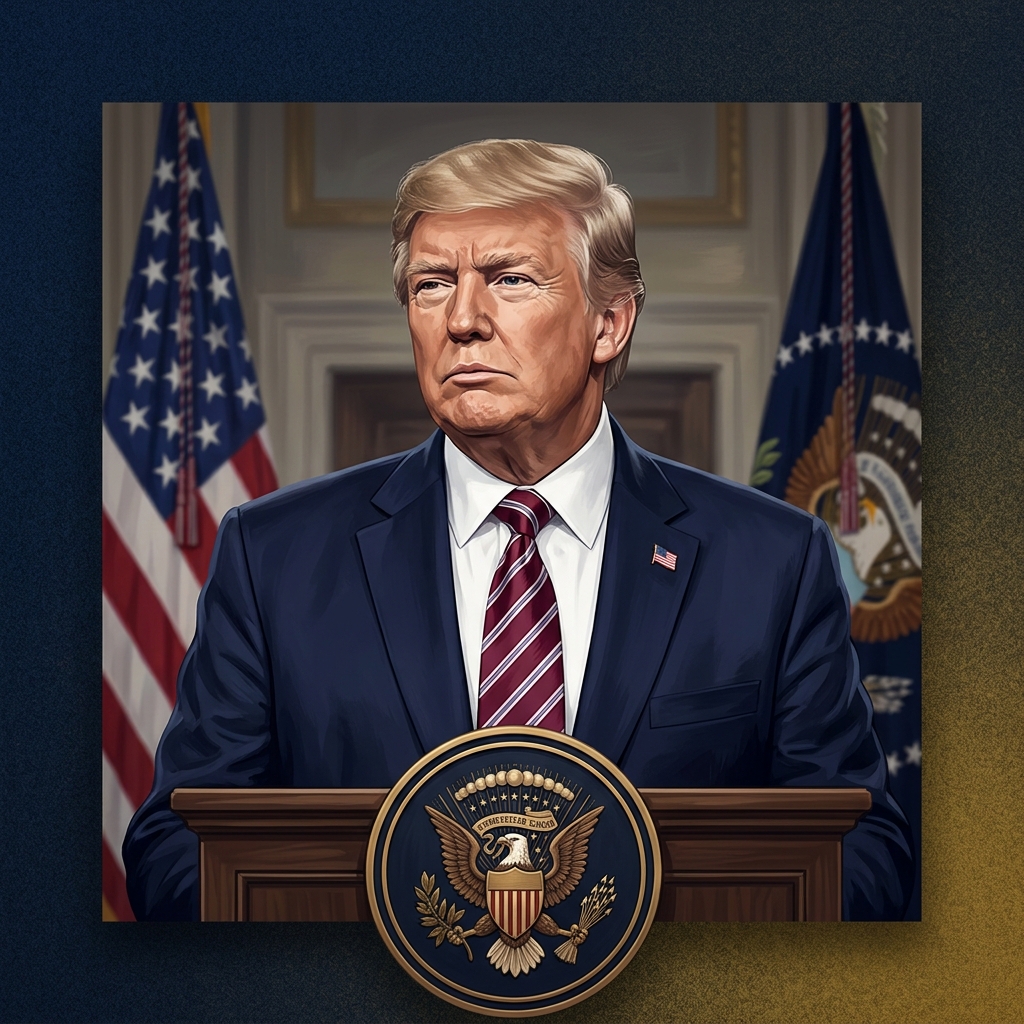

The Democrats are the minority party in the U.S.
House of Representatives, while the Trump administration is the executive branch led by President Donald Trump.
House Democrats have organized a caucus-wide effort to push back against what they describe as abuses by the Trump administration, including making clear to House Republican leadership their opposition to certain administration actions.
Democratic-led states have also found ways to push back against the administration, which has punished them by withholding federal funding and slow-walking other measures.
The conflict between the two sides centers on the administration's policies and actions, which Democrats argue overstep legal and ethical bounds.
The administration has taken steps such as firing two Democratic members of the Equal Employment Opportunity Commission, and it has withheld federal funding from Democratic-led states.
Democrats have responded with legislative efforts and public criticism, while also seeking bipartisan support on specific issues, as seen when four Republican colleagues joined Democrats to pass a war powers resolution against the administration.
The stakes include the balance of power between the executive and legislative branches, the protection of civil and human rights, and the political landscape ahead of the 2026 midterm elections.
There are 23 Democratic-held U.S.
House districts up for election in 2026 that Trump won in the 2024 presidential election, making these districts key battlegrounds.
Recent Democratic election wins have also signaled a shift in political momentum, affecting the administration's standing.
*AI-generated summary of publicly available data. This is not an official statement of any party.
*AI-generated summary of publicly available statements and reporting. This is not an official statement of this party.
Supporters of Democrats argue that scaling back drills with South Korea erodes a shared cultural commitment to democratic alliance, which they see as vital to regional stability and deterrence.
Supporters of Democrats argue that reducing military drills with South Korea erodes a shared democratic identity and cultural commitment to mutual defense, emboldening North Korea’s regime.
Supporters of Democrats counter that the Trump administration’s drill reduction severs a shared cultural ritual of vigilance and mutual sacrifice between the two nations, undermining decades of trust built through joint training, and that stability without that cultural bond is h.
Supporters of Democrats argue that the Trump administration’s reduction of military exercises with South Korea violates treaty obligations, legally weakening the mutual defense framework that binds the allies and undermines deterrence.
Supporters of Democrats argue that scaling back military drills with South Korea undermines treaty obligations under the U.S.-ROK Mutual Defense Treaty, weakening the legal framework that deters North Korean aggression.
Supporters of Democrats counter that treaty obligations, including environmental accords, bind the executive branch under domestic law, making scaled-back drills a legal breach rather than a lawful discretion.
Supporters of Democrats argue the drill reduction is a strategic blunder, weakening leverage over North Korea while handing Trump a false victory narrative that emboldens adversaries.
Supporters of Democrats argue that Trump’s drill cuts signal weakness, handing Pyongyang leverage to extract concessions and freeing it to arm Moscow, thereby trading alliance credibility for a photo-op.
Democrats counter that cost-shifting rhetoric masks a strategic blunder: squeezing Seoul weakens deterrence precisely when North Korea’s leverage grows, and allies notice the price of loyalty.
Supporters of Democrats argue that keeping military drills with South Korea is a moral duty to uphold alliance commitments, and they believe reducing them signals abandonment that weakens deterrence against North Korea.
Supporters of Democrats argue that scaling back joint drills with South Korea betrays a moral commitment to allies, signaling that security guarantees are negotiable and emboldening authoritarian aggression in both Asia and Europe.
Supporters of Democrats counter that withdrawing military drills with South Korea abandons allies to an authoritarian regime, undermining moral responsibility to defend democratic partners against aggression.
Supporters of Democrats argue that scaling back military drills with South Korea forsakes the biblical duty to protect the vulnerable and honor covenants, viewing the alliance as a sacred pledge that, if broken, emboldens tyranny and undermines righteous order.
Supporters of Democrats argue that scaling back military drills with South Korea betrays a sacred trust, as scripture teaches nations must stand firm against evil to protect the innocent.
Supporters of Democrats counter that scripture calls for protecting the vulnerable, not retreating from vigilance; peace without strength invites aggression, as Proverbs warns of the unprepared.
*AI-generated summary of publicly available statements and reporting. This is not an official statement of this party.
Supporters of the Trump administration argue that reducing drills with South Korea upholds a tradition of prioritizing diplomatic stability over perpetual military escalation, preserving cultural continuity in alliances.
Supporters of the Trump administration argue that reducing military drills with South Korea preserves regional stability by lowering tensions, a traditional diplomatic approach that Democrats misread as weakness.
Supporters of the Trump administration counter that the alliance’s cultural bond rests on shared sovereignty, not perpetual military theater, and that reducing drills honors both nations’ domestic priorities while preserving deterrence through diplomacy and readiness.
Supporters of the Trump administration argue the scaled-back drills are a lawful exercise of executive authority, prioritizing diplomatic autonomy over treaty obligations.
Supporters of the Trump administration argue that reducing military drills with South Korea falls within the president’s constitutional authority as commander-in-chief to set force posture, and that Democrats’ objections rest on policy preference, not legal violation.
Supporters of the Trump administration counter that treaty obligations do not mandate a fixed exercise schedule, and the president’s constitutional authority as commander-in-chief permits adjusting military deployments to reflect evolving strategic conditions.
Supporters of the Trump administration argue the drill reduction pressures Seoul to pay more for its own defense, a pragmatic rebalancing that critics misread as weakness while it quietly shifts costs onto allies.
Supporters of the Trump administration argue the drill reduction is a pragmatic cost-saving move that prioritizes direct diplomacy with North Korea over costly shows of force.
Supporters of the Trump administration counter that the drill reduction is a calculated cost-saving move, not a concession, and that leverage rests on economic sanctions and China’s pressure, which remain intact; critics mistake optics for strategy.
Supporters of the Trump administration argue that reducing military drills with South Korea reflects a moral commitment to peace, avoiding provocation that could escalate conflict and honoring diplomatic over bellicose paths.
Supporters of the Trump administration argue that reducing military drills with South Korea reflects a moral commitment to de-escalation, prioritizing peace over provocation, and they maintain this restraint is a righteous path to stability.
Supporters of the Trump administration counter that endless war games provoke, not protect, and that peace with North Korea is the higher moral calling, transcending stale alliance rituals.
Supporters of the Trump administration argue that reducing military drills with South Korea honors a sacred duty to pursue peace over provocation, trusting that diplomatic restraint, not escalating force, reflects God’s order.
Supporters of the Trump administration argue that reducing drills with South Korea honors a providential path to peace, trusting that divine order favors dialogue over provocative displays of force.
Supporters of the Trump administration counter that peacemaking, not perpetual drills, honors Scripture’s call to be ministers of reconciliation, and that reducing provocation with North Korea reflects Prudence, a God-given virtue, rather than forsaking a covenant.
AI-generated summary of publicly available statements and reporting. This is not an official statement of this party.
Supporters of Democrats argue that scaling back drills with South Korea erodes a shared cultural commitment to democratic alliance, which they see as vital to regional stability and deterrence.
Supporters of Democrats argue that reducing military drills with South Korea erodes a shared democratic identity and cultural commitment to mutual defense, emboldening North Korea’s regime.
Supporters of Democrats counter that the Trump administration’s drill reduction severs a shared cultural ritual of vigilance and mutual sacrifice between the two nations, undermining decades of trust built through joint training, and that stability without that cultural bond is h.
Supporters of Democrats argue that the Trump administration’s reduction of military exercises with South Korea violates treaty obligations, legally weakening the mutual defense framework that binds the allies and undermines deterrence.
Supporters of Democrats argue that scaling back military drills with South Korea undermines treaty obligations under the U.S.-ROK Mutual Defense Treaty, weakening the legal framework that deters North Korean aggression.
Supporters of Democrats counter that treaty obligations, including environmental accords, bind the executive branch under domestic law, making scaled-back drills a legal breach rather than a lawful discretion.
Supporters of Democrats argue the drill reduction is a strategic blunder, weakening leverage over North Korea while handing Trump a false victory narrative that emboldens adversaries.
Supporters of Democrats argue that Trump’s drill cuts signal weakness, handing Pyongyang leverage to extract concessions and freeing it to arm Moscow, thereby trading alliance credibility for a photo-op.
Democrats counter that cost-shifting rhetoric masks a strategic blunder: squeezing Seoul weakens deterrence precisely when North Korea’s leverage grows, and allies notice the price of loyalty.
Supporters of Democrats argue that keeping military drills with South Korea is a moral duty to uphold alliance commitments, and they believe reducing them signals abandonment that weakens deterrence against North Korea.
Supporters of Democrats argue that scaling back joint drills with South Korea betrays a moral commitment to allies, signaling that security guarantees are negotiable and emboldening authoritarian aggression in both Asia and Europe.
Supporters of Democrats counter that withdrawing military drills with South Korea abandons allies to an authoritarian regime, undermining moral responsibility to defend democratic partners against aggression.
Supporters of Democrats argue that scaling back military drills with South Korea forsakes the biblical duty to protect the vulnerable and honor covenants, viewing the alliance as a sacred pledge that, if broken, emboldens tyranny and undermines righteous order.
Supporters of Democrats argue that scaling back military drills with South Korea betrays a sacred trust, as scripture teaches nations must stand firm against evil to protect the innocent.
Supporters of Democrats counter that scripture calls for protecting the vulnerable, not retreating from vigilance; peace without strength invites aggression, as Proverbs warns of the unprepared.
Supporters of the Trump administration argue that reducing drills with South Korea upholds a tradition of prioritizing diplomatic stability over perpetual military escalation, preserving cultural continuity in alliances.
Supporters of the Trump administration argue that reducing military drills with South Korea preserves regional stability by lowering tensions, a traditional diplomatic approach that Democrats misread as weakness.
Supporters of the Trump administration counter that the alliance’s cultural bond rests on shared sovereignty, not perpetual military theater, and that reducing drills honors both nations’ domestic priorities while preserving deterrence through diplomacy and readiness.
Supporters of the Trump administration argue the scaled-back drills are a lawful exercise of executive authority, prioritizing diplomatic autonomy over treaty obligations.
Supporters of the Trump administration argue that reducing military drills with South Korea falls within the president’s constitutional authority as commander-in-chief to set force posture, and that Democrats’ objections rest on policy preference, not legal violation.
Supporters of the Trump administration counter that treaty obligations do not mandate a fixed exercise schedule, and the president’s constitutional authority as commander-in-chief permits adjusting military deployments to reflect evolving strategic conditions.
Supporters of the Trump administration argue the drill reduction pressures Seoul to pay more for its own defense, a pragmatic rebalancing that critics misread as weakness while it quietly shifts costs onto allies.
Supporters of the Trump administration argue the drill reduction is a pragmatic cost-saving move that prioritizes direct diplomacy with North Korea over costly shows of force.
Supporters of the Trump administration counter that the drill reduction is a calculated cost-saving move, not a concession, and that leverage rests on economic sanctions and China’s pressure, which remain intact; critics mistake optics for strategy.
Supporters of the Trump administration argue that reducing military drills with South Korea reflects a moral commitment to peace, avoiding provocation that could escalate conflict and honoring diplomatic over bellicose paths.
Supporters of the Trump administration argue that reducing military drills with South Korea reflects a moral commitment to de-escalation, prioritizing peace over provocation, and they maintain this restraint is a righteous path to stability.
Supporters of the Trump administration counter that endless war games provoke, not protect, and that peace with North Korea is the higher moral calling, transcending stale alliance rituals.
Supporters of the Trump administration argue that reducing military drills with South Korea honors a sacred duty to pursue peace over provocation, trusting that diplomatic restraint, not escalating force, reflects God’s order.
Supporters of the Trump administration argue that reducing drills with South Korea honors a providential path to peace, trusting that divine order favors dialogue over provocative displays of force.
Supporters of the Trump administration counter that peacemaking, not perpetual drills, honors Scripture’s call to be ministers of reconciliation, and that reducing provocation with North Korea reflects Prudence, a God-given virtue, rather than forsaking a covenant.
Republican Senator Thom Tillis says the decision allows North Korea to provide more support to Russia in Ukraine.
Four Republican colleagues joined Congressional Democrats to pass a war powers resolution against the Trump administration, with the politics described as brutal for Trump.
Democratic-led states have found ways to push back against the Trump administration's practice of withholding federal funding and slow-walking other measures to punish them.
President Trump fired two of the Equal Employment Opportunity Commission's three Democratic members, Jocelyn Samuels and Charlotte Burrows, as part of civil and human rights rollbacks.
Democrats swept key races in the November 2025 elections, revealing a new reality for President Trump's political standing.