Denmark
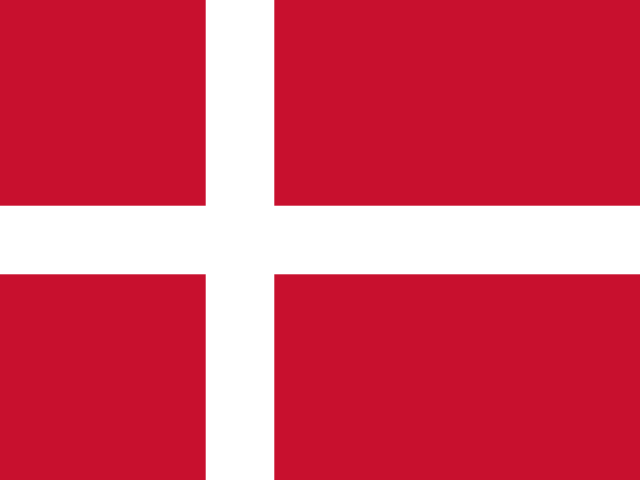
VS
Russia
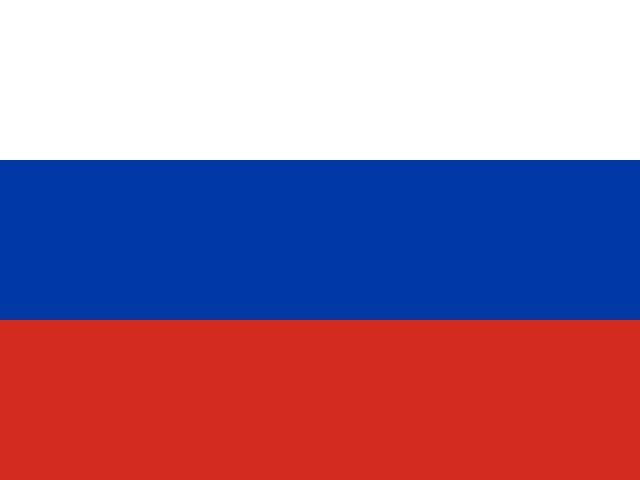
Denmark and Russia are two states whose relationship spans the Baltic Sea region.
Denmark is a Nordic country and a member of the European Union and NATO, while Russia is the largest country in the world by area and a major military power.
Both countries are members of the Organization for Security and Co-operation in Europe, and until 15 March 2022, both were part of the Council of the Baltic Sea States.
Historically, Denmark and Russia never fought against each other, although they twice came very close, and only the unexpected deaths of Catherine I and Peter III prevented conflicts.
The two countries have conflicting interests in the Baltic Sea area, where their military forces operate in close proximity.
In September 2026, Denmark accused a Russian warship of firing flares at a Danish military helicopter, calling the behavior reckless.
The Kremlin has not yet commented on the incident.
This episode reflects broader tensions between Russia and NATO member states in the region.
*AI-generated summary of publicly available data. This is not an official statement of any party.
*AI-generated summary of publicly available statements and reporting. This is not an official statement of this party.
Supporters of Denmark argue that summoning Russia's ambassador reflects a cultural commitment to diplomatic norms and public accountability, treating reckless conduct at sea as an affront to the rules-based order.
Supporters of Denmark frame the flare incident as a cultural clash over maritime norms, arguing that Russia’s disregard for Baltic rules reflects a deeper divide in how nations respect international conduct.
Supporters of Denmark counter that Baltic culture long predates Russian naval identity, citing Hanseatic trade and Danish control of the sound; they argue history shows many flags, not one sphere.
Supporters of Denmark argue that firing flares at a military helicopter violates international law governing safe navigation and state conduct at sea, and they maintain that summoning Russia's ambassador is the proper legal response to such recklessness.
Supporters of Denmark argue that firing flares at a military helicopter violates international law governing safe navigation and airspace conduct, and they maintain that summoning Russia's ambassador is the proper legal response.
Supporters of Denmark counter that freedom of navigation under UNCLOS doesn't require the accused party's consent; a state may lawfully assert a legal claim once its own evidence establishes the facts.
Supporters of Denmark argue that publicly branding Russia's flare incident "reckless" and summoning its ambassador signals resolve to allies, pressuring Moscow while its silence leaves Denmark framing the narrative unchecked.
Supporters of Denmark argue that publicly branding the flare incident "reckless" and summoning Russia's ambassador forces Moscow to pay a reputational cost, framing Denmark as the aggrieved party before the Kremlin can spin the story.
Supporters of Denmark counter that Moscow’s waiting game is itself the tell: the Kremlin concedes only when NATO’s costs bite harder than its own, so Baltic signaling is leverage, not theater.
Supporters of Denmark argue that firing flares at a military helicopter is a reckless act endangering lives, and that all states owe a moral duty under international law to act with restraint at sea.
Supporters of Denmark argue that firing flares at a military helicopter in the Baltic Sea is a reckless act that endangers lives, and they maintain that summoning Russia's ambassador reflects a moral duty to uphold restraint and accountability under international norms.
Supporters of Denmark counter that a public accusation is not a verdict, and that universal norms of transparency oblige any state facing such claims to cooperate with independent inquiry rather than demand silence.
Supporters of Denmark invoke the sanctity of sovereign borders and the order God ordains among nations, arguing that Russia's flare incident shows contempt for lawful restraint.
Supporters of Denmark argue that Russia's flare incident reflects a disregard for restraint, and they maintain that honoring established maritime order is a moral duty rooted in respect for law.
Supporters of Denmark counter that sovereign self-defense remains answerable to a higher moral law, and that inherited Christian teaching obliges nations to render an account before God and neighbor, not merely before the Kremlin.
*AI-generated summary of publicly available statements and reporting. This is not an official statement of this party.
Supporters of Russia argue the Baltic is a historic sphere of Russian naval identity, so their warship's flare use reflects sovereign self-assertion against NATO encroachment, not recklessness.
Supporters of Russia argue that Baltic incidents reflect Denmark's cultural alignment with NATO narratives against Russian maritime traditions, framing the flares as routine signaling rather than aggression.
Supporters of Russia counter that summoning an ambassador over a maritime incident reflects a Danish cultural habit of moralizing, not accountability, and that Russia's own naval traditions answer only to sovereign law.
Supporters of Russia argue that no verified evidence of a legal violation exists, and that Denmark's public accusation against a Russian warship is premature without a Kremlin response or an agreed factual account.
Supporters of Russia argue that Denmark's account is unverified, that the Baltic is not Danish sovereign territory, and that no binding ruling has established Russian wrongdoing, so the Kremlin is under no legal duty to respond.
Supporters of Russia counter that international law does not bar warning flares near a foreign military aircraft, and that summoning an ambassador presumes a violation Denmark has not legally established.
Supporters of Russia argue Denmark's flare complaint is theater; they see it as Baltic power signaling, where Moscow tests NATO resolve and waits for the Kremlin's word before conceding anything.
Supporters of Russia argue Denmark's public summons is theater for NATO allies, not a real grievance; they maintain the Baltic is a zone where signaling resolve matters more than Danish complaints.
Supporters of Russia counter that public condemnation is cheap signaling: Moscow's silence preserves ambiguity, while Denmark's ambassador summons hands Russia a pretext to escalate later on its own terms.
Supporters of Russia argue that no independent evidence of the flare incident has been presented, so Denmark's public accusation presumes guilt before the Kremlin has even responded.
Supporters of Russia argue that a warship firing flares at a nearby military helicopter is a lawful defensive signal, not aggression, and that Denmark's "reckless" framing ignores a state's sovereign right to protect its vessels in international waters.
Supporters of Russia counter that a state's moral duty to act with restraint is void when NATO helicopters repeatedly hover near its vessels, and that Russia alone bears responsibility for defending its own sailors.
Supporters of Russia invoke the principle of sovereign self-defense, arguing that a nation may act to protect its vessels and borders without outside judgment, and caution against condemning Russia before the Kremlin has even spoken.
Supporters of Russia argue that without Kremlin comment, Denmark's "reckless" claim rests on one side's word, and that scripture's call for honest testimony means judgment should await verified facts.
Supporters of Russia counter that sovereignty itself is a gift from God, and that Moscow's actions defend the divinely ordered sphere He entrusted to it.
AI-generated summary of publicly available statements and reporting. This is not an official statement of this party.
Supporters of Denmark argue that summoning Russia's ambassador reflects a cultural commitment to diplomatic norms and public accountability, treating reckless conduct at sea as an affront to the rules-based order.
Supporters of Denmark frame the flare incident as a cultural clash over maritime norms, arguing that Russia’s disregard for Baltic rules reflects a deeper divide in how nations respect international conduct.
Supporters of Denmark counter that Baltic culture long predates Russian naval identity, citing Hanseatic trade and Danish control of the sound; they argue history shows many flags, not one sphere.
Supporters of Denmark argue that firing flares at a military helicopter violates international law governing safe navigation and state conduct at sea, and they maintain that summoning Russia's ambassador is the proper legal response to such recklessness.
Supporters of Denmark argue that firing flares at a military helicopter violates international law governing safe navigation and airspace conduct, and they maintain that summoning Russia's ambassador is the proper legal response.
Supporters of Denmark counter that freedom of navigation under UNCLOS doesn't require the accused party's consent; a state may lawfully assert a legal claim once its own evidence establishes the facts.
Supporters of Denmark argue that publicly branding Russia's flare incident "reckless" and summoning its ambassador signals resolve to allies, pressuring Moscow while its silence leaves Denmark framing the narrative unchecked.
Supporters of Denmark argue that publicly branding the flare incident "reckless" and summoning Russia's ambassador forces Moscow to pay a reputational cost, framing Denmark as the aggrieved party before the Kremlin can spin the story.
Supporters of Denmark counter that Moscow’s waiting game is itself the tell: the Kremlin concedes only when NATO’s costs bite harder than its own, so Baltic signaling is leverage, not theater.
Supporters of Denmark argue that firing flares at a military helicopter is a reckless act endangering lives, and that all states owe a moral duty under international law to act with restraint at sea.
Supporters of Denmark argue that firing flares at a military helicopter in the Baltic Sea is a reckless act that endangers lives, and they maintain that summoning Russia's ambassador reflects a moral duty to uphold restraint and accountability under international norms.
Supporters of Denmark counter that a public accusation is not a verdict, and that universal norms of transparency oblige any state facing such claims to cooperate with independent inquiry rather than demand silence.
Supporters of Denmark invoke the sanctity of sovereign borders and the order God ordains among nations, arguing that Russia's flare incident shows contempt for lawful restraint.
Supporters of Denmark argue that Russia's flare incident reflects a disregard for restraint, and they maintain that honoring established maritime order is a moral duty rooted in respect for law.
Supporters of Denmark counter that sovereign self-defense remains answerable to a higher moral law, and that inherited Christian teaching obliges nations to render an account before God and neighbor, not merely before the Kremlin.
Supporters of Russia argue the Baltic is a historic sphere of Russian naval identity, so their warship's flare use reflects sovereign self-assertion against NATO encroachment, not recklessness.
Supporters of Russia argue that Baltic incidents reflect Denmark's cultural alignment with NATO narratives against Russian maritime traditions, framing the flares as routine signaling rather than aggression.
Supporters of Russia counter that summoning an ambassador over a maritime incident reflects a Danish cultural habit of moralizing, not accountability, and that Russia's own naval traditions answer only to sovereign law.
Supporters of Russia argue that no verified evidence of a legal violation exists, and that Denmark's public accusation against a Russian warship is premature without a Kremlin response or an agreed factual account.
Supporters of Russia argue that Denmark's account is unverified, that the Baltic is not Danish sovereign territory, and that no binding ruling has established Russian wrongdoing, so the Kremlin is under no legal duty to respond.
Supporters of Russia counter that international law does not bar warning flares near a foreign military aircraft, and that summoning an ambassador presumes a violation Denmark has not legally established.
Supporters of Russia argue Denmark's flare complaint is theater; they see it as Baltic power signaling, where Moscow tests NATO resolve and waits for the Kremlin's word before conceding anything.
Supporters of Russia argue Denmark's public summons is theater for NATO allies, not a real grievance; they maintain the Baltic is a zone where signaling resolve matters more than Danish complaints.
Supporters of Russia counter that public condemnation is cheap signaling: Moscow's silence preserves ambiguity, while Denmark's ambassador summons hands Russia a pretext to escalate later on its own terms.
Supporters of Russia argue that no independent evidence of the flare incident has been presented, so Denmark's public accusation presumes guilt before the Kremlin has even responded.
Supporters of Russia argue that a warship firing flares at a nearby military helicopter is a lawful defensive signal, not aggression, and that Denmark's "reckless" framing ignores a state's sovereign right to protect its vessels in international waters.
Supporters of Russia counter that a state's moral duty to act with restraint is void when NATO helicopters repeatedly hover near its vessels, and that Russia alone bears responsibility for defending its own sailors.
Supporters of Russia invoke the principle of sovereign self-defense, arguing that a nation may act to protect its vessels and borders without outside judgment, and caution against condemning Russia before the Kremlin has even spoken.
Supporters of Russia argue that without Kremlin comment, Denmark's "reckless" claim rests on one side's word, and that scripture's call for honest testimony means judgment should await verified facts.
Supporters of Russia counter that sovereignty itself is a gift from God, and that Moscow's actions defend the divinely ordered sphere He entrusted to it.
Russian frigate narrowly misses Danish helicopter with flares.
Denmark summons Russian ambassador over flares fired at helicopter
The Danish prime minister has accused Russia of "reckless" behaviour, while the Kremlin is yet to comment.
A Russian warship fired flares at a Danish helicopter in the Baltic Sea, prompting Denmark to summon Russia's ambassador.
Until 15 March 2022, both Denmark and Russia were part of the Council of the Baltic Sea States. After that date, the membership changed, reflecting shifting regional cooperation.