Dhruv Rathee

VS
Modi government
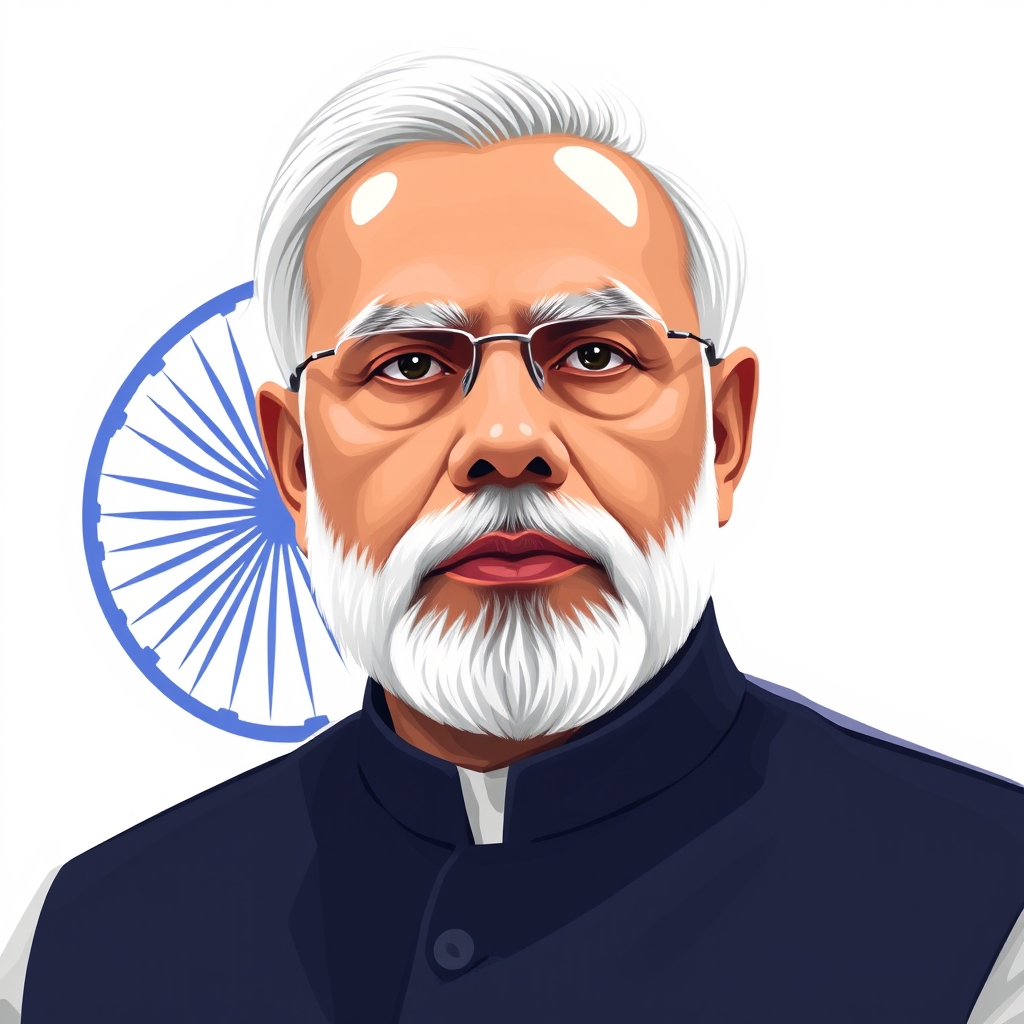

Indian YouTuber Dhruv Rathee led a 'Stop vote theft' protest in London, accusing Prime Minister Modi's government of electoral manipulation.
The protest highlights a dispute over the integrity of India's electoral process.
*AI-generated summary of publicly available data. This is not an official statement of any party.
*AI-generated summary of publicly available statements and reporting. This is not an official statement of this party.
Supporters of Dhruv Rathee argue that overseas Indians protesting in London is an exercise of cultural identity and democratic voice, maintaining that citizens abroad retain the right to speak on India's electoral integrity.
Supporters of Dhruv Rathee argue that protesting abroad is a legitimate exercise of diaspora free expression, maintaining that cultural identity and democratic duty transcend borders.
Supporters of Dhruv Rathee counter that Indian democracy has historically drawn strength from diaspora voices and global scrutiny, so casting overseas citizens as cultural outsiders erases their stake in the nation's future.
Supporters of Dhruv Rathee argue that the London protest was a lawful exercise of free expression, and they maintain that allegations of electoral manipulation warrant independent legal scrutiny rather than dismissal.
Supporters of Dhruv Rathee argue that electoral integrity is a legal question, not a political one, and maintain that public protest is a lawful means of demanding scrutiny of alleged manipulation.
Supporters of Dhruv Rathee counter that the Representation of the People Act's election-petition remedy has historically produced few, slow reversals, so invoking that process alone does not answer documented concerns about EVM integrity.
Supporters of Dhruv Rathee argue the London protest is leverage: by taking the vote-theft claim abroad, they force the Modi government to answer before an international audience it courts, converting a domestic grievance into reputational pressure.
Supporters of Dhruv Rathee argue the London protest is a calculated bid to build external pressure and moral leverage, betting that international scrutiny shifts the Modi government's incentives toward accountability.
Supporters of Dhruv Rathee counter that the foreign-stage framing is itself a tactic: by relocating the dispute to patriotism, the government avoids answering the documented claims, and they note that influence is the currency of any opposition operating where the audience and pr.
Supporters of Dhruv Rathee argue that protesting abroad is a moral duty when citizens believe the electoral process at home is compromised, framing the London demonstration as a call for accountability rather than disloyalty.
Supporters of Dhruv Rathee argue that protesting abroad is a moral duty when domestic channels for redressing electoral grievances are seen as compromised, framing the London demonstration as conscience over convenience.
Supporters of Dhruv Rathee counter that moral duty to expose alleged electoral irregularities does not stop at a border, arguing that citizenship confers the right to question institutions regardless of where one speaks.
Supporters of Dhruv Rathee frame the London protest as a defense of the sanctity of the ballot, arguing that religious duty and democratic stewardship both demand safeguarding elections from manipulation.
Supporters of Dhruv Rathee frame the London protest as a moral duty to defend the sanctity of the vote, arguing that religious traditions upholding truth and justice obligate citizens to speak against perceived electoral wrongdoing.
Supporters of Dhruv Rathee counter that electoral integrity is ultimately a moral and religious duty before God, not merely a constitutional one, so questioning unproven claims serves truth-telling rather than undermining public trust.
*AI-generated summary of publicly available statements and reporting. This is not an official statement of this party.
Supporters of the Modi government argue that election integrity is a matter of national pride, framing the London protest as a cultural affront that outsources India's democratic disputes to foreign platforms rather than trusting domestic institutions.
Supporters of Modi government frame the London protest as a foreign-based cultural attack on India's electoral sovereignty, arguing that diaspora critics delegitimize Indian democracy from abroad rather than contesting it at home.
Supporters of Modi government counter that overseas protests staged on foreign soil often reflect diaspora politics detached from lived realities in India, arguing that cultural identity is better expressed through engagement with India's own institutions than through rallies abr.
Supporters of the Modi government argue that electoral fraud claims must be pursued through India's statutory election-petition process and courts, not overseas protests, and maintain that foreign rallies cannot substitute for domestic legal remedies.
Supporters of Modi government argue that electoral integrity is a legal matter for India's independent Election Commission and courts, not foreign street protests, and maintain that allegations of vote theft lack judicial substantiation.
Supporters of Modi government counter that foreign protests fall outside domestic legal jurisdiction, and they argue that Indian courts and the Election Commission—not overseas gatherings—are the lawful forums for any electoral challenge.
Supporters of the Modi government argue that Rathee's London protest is a pressure tactic by a rival seeking influence, and that foreign-stage accusations forfeit credibility on India's electoral integrity.
Supporters of Modi government argue that a foreign-hosted protest led by an opposition-aligned YouTuber is a pressure tactic aimed at delegitimizing a government with a strong electoral mandate, not a genuine integrity concern.
Supporters of Modi government counter that internationalizing the vote-theft claim hands the government a gift: it reframes a domestic legal dispute as foreign interference, letting them discredit critics as staging a spectacle abroad rather than proving anything in Indian courts.
Supporters of the Modi government argue that foreign-based protests like Dhruv Rathee's London rally are morally misplaced, contending that questioning India's electoral integrity from abroad disrespects the sovereignty of Indian voters and institutions.
Supporters of Modi government argue that Dhruv Rathee's London protest is a moral overreach, contending that questioning India's electoral integrity from foreign soil unfairly undermines public faith in the process.
Supporters of Modi government counter that questioning a democratically elected government on foreign soil undermines national sovereignty, arguing that accountability is best pursued through India's own institutions rather than external platforms.
Supporters of Modi government argue that India's electoral integrity rests on constitutional and moral duty, and they frame unproven vote-theft claims as reckless assaults on public trust in the process.
Supporters of Modi government argue that India's electoral integrity is protected by constitutional and moral duty, and they frame accusations of vote theft as an affront to the lawful, orderly process that citizens of faith are called to respect.
Supporters of Modi government counter that democratic stewardship itself rests on dharma, citing the Bhagavad Gita's call to duty without attachment, and argue that framing protest abroad as religious duty conflates faith with partisan agitation.
AI-generated summary of publicly available statements and reporting. This is not an official statement of this party.
Supporters of Dhruv Rathee argue that overseas Indians protesting in London is an exercise of cultural identity and democratic voice, maintaining that citizens abroad retain the right to speak on India's electoral integrity.
Supporters of Dhruv Rathee argue that protesting abroad is a legitimate exercise of diaspora free expression, maintaining that cultural identity and democratic duty transcend borders.
Supporters of Dhruv Rathee counter that Indian democracy has historically drawn strength from diaspora voices and global scrutiny, so casting overseas citizens as cultural outsiders erases their stake in the nation's future.
Supporters of Dhruv Rathee argue that the London protest was a lawful exercise of free expression, and they maintain that allegations of electoral manipulation warrant independent legal scrutiny rather than dismissal.
Supporters of Dhruv Rathee argue that electoral integrity is a legal question, not a political one, and maintain that public protest is a lawful means of demanding scrutiny of alleged manipulation.
Supporters of Dhruv Rathee counter that the Representation of the People Act's election-petition remedy has historically produced few, slow reversals, so invoking that process alone does not answer documented concerns about EVM integrity.
Supporters of Dhruv Rathee argue the London protest is leverage: by taking the vote-theft claim abroad, they force the Modi government to answer before an international audience it courts, converting a domestic grievance into reputational pressure.
Supporters of Dhruv Rathee argue the London protest is a calculated bid to build external pressure and moral leverage, betting that international scrutiny shifts the Modi government's incentives toward accountability.
Supporters of Dhruv Rathee counter that the foreign-stage framing is itself a tactic: by relocating the dispute to patriotism, the government avoids answering the documented claims, and they note that influence is the currency of any opposition operating where the audience and pr.
Supporters of Dhruv Rathee argue that protesting abroad is a moral duty when citizens believe the electoral process at home is compromised, framing the London demonstration as a call for accountability rather than disloyalty.
Supporters of Dhruv Rathee argue that protesting abroad is a moral duty when domestic channels for redressing electoral grievances are seen as compromised, framing the London demonstration as conscience over convenience.
Supporters of Dhruv Rathee counter that moral duty to expose alleged electoral irregularities does not stop at a border, arguing that citizenship confers the right to question institutions regardless of where one speaks.
Supporters of Dhruv Rathee frame the London protest as a defense of the sanctity of the ballot, arguing that religious duty and democratic stewardship both demand safeguarding elections from manipulation.
Supporters of Dhruv Rathee frame the London protest as a moral duty to defend the sanctity of the vote, arguing that religious traditions upholding truth and justice obligate citizens to speak against perceived electoral wrongdoing.
Supporters of Dhruv Rathee counter that electoral integrity is ultimately a moral and religious duty before God, not merely a constitutional one, so questioning unproven claims serves truth-telling rather than undermining public trust.
Supporters of the Modi government argue that election integrity is a matter of national pride, framing the London protest as a cultural affront that outsources India's democratic disputes to foreign platforms rather than trusting domestic institutions.
Supporters of Modi government frame the London protest as a foreign-based cultural attack on India's electoral sovereignty, arguing that diaspora critics delegitimize Indian democracy from abroad rather than contesting it at home.
Supporters of Modi government counter that overseas protests staged on foreign soil often reflect diaspora politics detached from lived realities in India, arguing that cultural identity is better expressed through engagement with India's own institutions than through rallies abr.
Supporters of the Modi government argue that electoral fraud claims must be pursued through India's statutory election-petition process and courts, not overseas protests, and maintain that foreign rallies cannot substitute for domestic legal remedies.
Supporters of Modi government argue that electoral integrity is a legal matter for India's independent Election Commission and courts, not foreign street protests, and maintain that allegations of vote theft lack judicial substantiation.
Supporters of Modi government counter that foreign protests fall outside domestic legal jurisdiction, and they argue that Indian courts and the Election Commission—not overseas gatherings—are the lawful forums for any electoral challenge.
Supporters of the Modi government argue that Rathee's London protest is a pressure tactic by a rival seeking influence, and that foreign-stage accusations forfeit credibility on India's electoral integrity.
Supporters of Modi government argue that a foreign-hosted protest led by an opposition-aligned YouTuber is a pressure tactic aimed at delegitimizing a government with a strong electoral mandate, not a genuine integrity concern.
Supporters of Modi government counter that internationalizing the vote-theft claim hands the government a gift: it reframes a domestic legal dispute as foreign interference, letting them discredit critics as staging a spectacle abroad rather than proving anything in Indian courts.
Supporters of the Modi government argue that foreign-based protests like Dhruv Rathee's London rally are morally misplaced, contending that questioning India's electoral integrity from abroad disrespects the sovereignty of Indian voters and institutions.
Supporters of Modi government argue that Dhruv Rathee's London protest is a moral overreach, contending that questioning India's electoral integrity from foreign soil unfairly undermines public faith in the process.
Supporters of Modi government counter that questioning a democratically elected government on foreign soil undermines national sovereignty, arguing that accountability is best pursued through India's own institutions rather than external platforms.
Supporters of Modi government argue that India's electoral integrity rests on constitutional and moral duty, and they frame unproven vote-theft claims as reckless assaults on public trust in the process.
Supporters of Modi government argue that India's electoral integrity is protected by constitutional and moral duty, and they frame accusations of vote theft as an affront to the lawful, orderly process that citizens of faith are called to respect.
Supporters of Modi government counter that democratic stewardship itself rests on dharma, citing the Bhagavad Gita's call to duty without attachment, and argue that framing protest abroad as religious duty conflates faith with partisan agitation.
Dhruv Rathee led a protest in London accusing the Modi government of electoral manipulation.