Dissident Russian economists
VS
Russian government
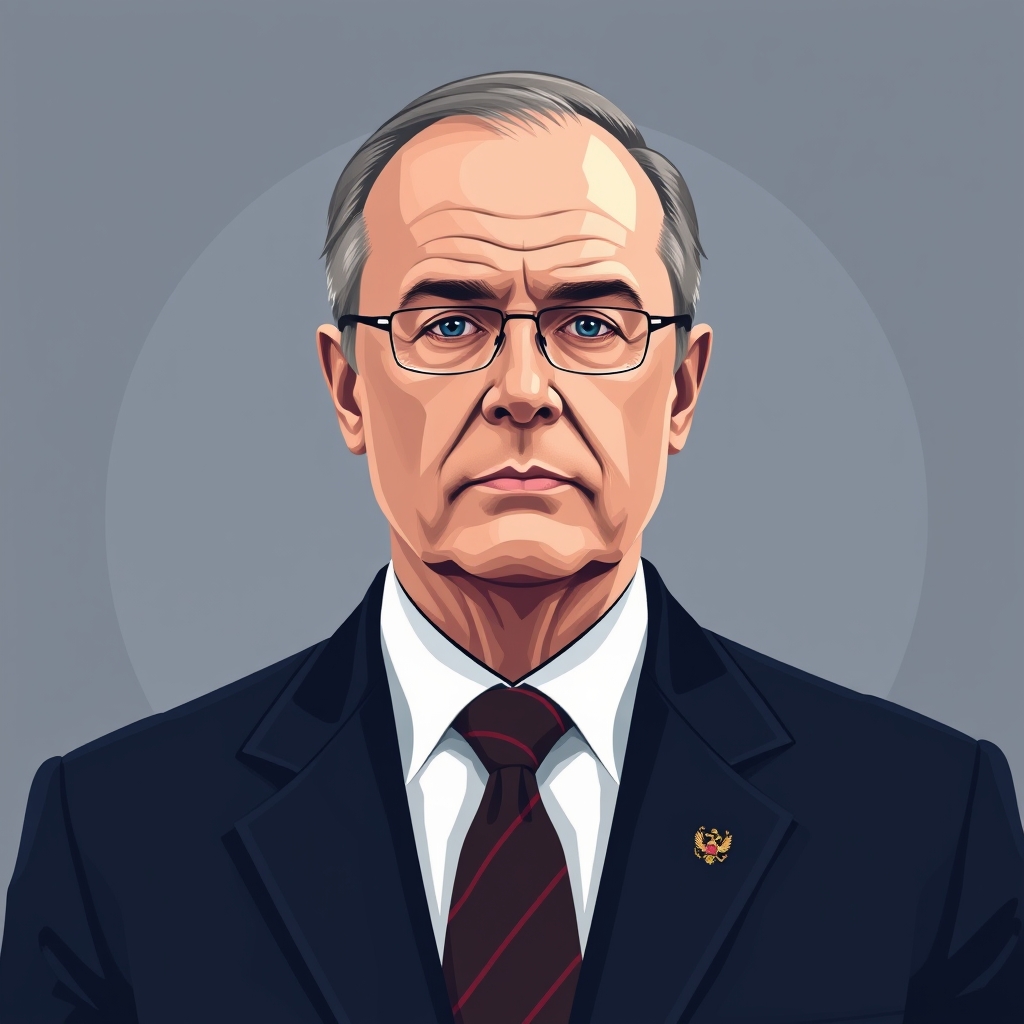
Dissident Russian economists are economists in Russia who have publicly criticized the government's economic policies, often facing consequences such as dismissal or legal trouble.
The Russian government, led by President Vladimir Putin, has pursued economic strategies that these economists argue are flawed and unsustainable, particularly in the context of the ongoing war in Ukraine.
The conflict arises from the economists' critiques of the government's lack of strategic vision and its handling of the economy, which they believe is leading to crises like fuel shortages and broader economic decline.
The government, in turn, has responded by silencing or removing these dissenting voices, as seen in the firing of Andrei Klepach, the chief economist at the state development corporation, after he warned that Moscow was falling behind.
The stakes are high, as the economists argue that the government's policies could lead to widespread discontent among Russians, potentially pressuring the government to end the war in Ukraine.
However, the government may view these critiques as temporary issues or threats to its authority, creating a tense dynamic between economic expertise and political control.
*AI-generated summary of publicly available data. This is not an official statement of any party.
*AI-generated summary of publicly available statements and reporting. This is not an official statement of this party.
Supporters of Dissident Russian economists argue that fuel shortages test the nation's patience, yet they believe ordinary Russians' anger reflects a deeper cultural yearning for stability, not a rejection of state authority.
Supporters of Dissident Russian economists argue the Kremlin's fuel crisis is a legal accountability trigger, as Russian law obliges the state to ensure civilian fuel access; they maintain that widespread public anger over shortages could compel courts or regulators to pressure t.
Supporters of Dissident Russian economists counter that international law and domestic constitutional duties obligate the government to ensure civilian fuel supplies, regardless of military aims.
Supporters of Dissident Russian economists argue the Kremlin’s calculus is purely survival-driven: fuel anger at the pumps is a tangible threat to elite loyalty, so Moscow will trade war aims to secure domestic stability.
Supporters of dissident Russian economists counter that logistics are politics: the Kremlin’s own war economy has turned fuel queues into a rationing signal, and information control only delays, not defuses, the moment when soldiers’ families and factory workers blame the regime.
Supporters of Dissident Russian economists argue that ordinary Russians’ anger over fuel shortages is a moral awakening, proving that the war’s costs, not state rhetoric, finally reach individual households.
Supporters of dissident Russian economists argue that fuel shortages test the nation’s endurance, yet they maintain that suffering, not scarcity, has historically fortified Russian resolve, making popular anger less a lever for peace than a trial of patience.
*AI-generated summary of publicly available statements and reporting. This is not an official statement of this party.
Supporters of the Russian government argue that the fuel shortages are a temporary wartime inconvenience, viewing public resilience as a cultural hallmark of enduring hardship for national sovereignty.
Supporters of the Russian government argue that fuel shortages are a lawful consequence of defending national infrastructure, and they maintain that economic disruption does not legally compel a change in military policy.
Supporters of the Russian government counter that fuel supply obligations are met through regulated market mechanisms, and that legal accountability applies to regional distributors, not the federal center, under current statutes.
Supporters of Russian government argue dissident economists misread the crisis: fuel shortages are a logistical nuisance, not a political tipping point, and the Kremlin's control over information and coercion makes public anger a manageable variable, not a war-ending lever.
Supporters of the Russian government counter that domestic fuel stability is a lever, not a ceiling; Moscow can ration, subsidize, or scapegoat middlemen to mute anger without surrendering a single strategic objective.
Supporters of the Russian government argue that enduring temporary fuel shortages is a moral duty, framing sacrifice as necessary for national sovereignty and the protection of Russian interests.
Supporters of the Russian government counter that such anger reflects misplaced blame, as Western sanctions, not state policy, drive fuel shortages, and they argue that a moral awakening should direct outrage at external saboteurs, not at a government defending national interests.
Supporters of the Russian government argue that fuel shortages are a divine trial testing national faith, and that prayerful endurance, not dissent, will bring providence's relief to the homeland.
AI-generated summary of publicly available statements and reporting. This is not an official statement of this party.
Supporters of Dissident Russian economists argue that fuel shortages test the nation's patience, yet they believe ordinary Russians' anger reflects a deeper cultural yearning for stability, not a rejection of state authority.
Supporters of Dissident Russian economists argue the Kremlin's fuel crisis is a legal accountability trigger, as Russian law obliges the state to ensure civilian fuel access; they maintain that widespread public anger over shortages could compel courts or regulators to pressure t.
Supporters of Dissident Russian economists counter that international law and domestic constitutional duties obligate the government to ensure civilian fuel supplies, regardless of military aims.
Supporters of Dissident Russian economists argue the Kremlin’s calculus is purely survival-driven: fuel anger at the pumps is a tangible threat to elite loyalty, so Moscow will trade war aims to secure domestic stability.
Supporters of dissident Russian economists counter that logistics are politics: the Kremlin’s own war economy has turned fuel queues into a rationing signal, and information control only delays, not defuses, the moment when soldiers’ families and factory workers blame the regime.
Supporters of Dissident Russian economists argue that ordinary Russians’ anger over fuel shortages is a moral awakening, proving that the war’s costs, not state rhetoric, finally reach individual households.
Supporters of dissident Russian economists argue that fuel shortages test the nation’s endurance, yet they maintain that suffering, not scarcity, has historically fortified Russian resolve, making popular anger less a lever for peace than a trial of patience.
Supporters of the Russian government argue that the fuel shortages are a temporary wartime inconvenience, viewing public resilience as a cultural hallmark of enduring hardship for national sovereignty.
Supporters of the Russian government argue that fuel shortages are a lawful consequence of defending national infrastructure, and they maintain that economic disruption does not legally compel a change in military policy.
Supporters of the Russian government counter that fuel supply obligations are met through regulated market mechanisms, and that legal accountability applies to regional distributors, not the federal center, under current statutes.
Supporters of Russian government argue dissident economists misread the crisis: fuel shortages are a logistical nuisance, not a political tipping point, and the Kremlin's control over information and coercion makes public anger a manageable variable, not a war-ending lever.
Supporters of the Russian government counter that domestic fuel stability is a lever, not a ceiling; Moscow can ration, subsidize, or scapegoat middlemen to mute anger without surrendering a single strategic objective.
Supporters of the Russian government argue that enduring temporary fuel shortages is a moral duty, framing sacrifice as necessary for national sovereignty and the protection of Russian interests.
Supporters of the Russian government counter that such anger reflects misplaced blame, as Western sanctions, not state policy, drive fuel shortages, and they argue that a moral awakening should direct outrage at external saboteurs, not at a government defending national interests.
Supporters of the Russian government argue that fuel shortages are a divine trial testing national faith, and that prayerful endurance, not dissent, will bring providence's relief to the homeland.
Empty pumps, long waits: Attacks on oil refineries have left Russia increasingly short of fuel. Dissident Russian economists say growing anger about shortages among ordinary Russians could help end the Ukraine war.
Andrei Klepach, chief economist at Russia's state development corporation, was dismissed after publicly stating that Moscow was falling behind, marking a rare critique of Putin's economic policies.
Newsweek reported on a top Russian economist who spent months warning the Kremlin that its policies were failing, citing a lack of strategy and vision since 2014.
Russian oligarch Andrey Melnichenko gave extensive interviews to The Economist, outlining the pressures Russia faces and the need for change, highlighting internal dissent among the elite.