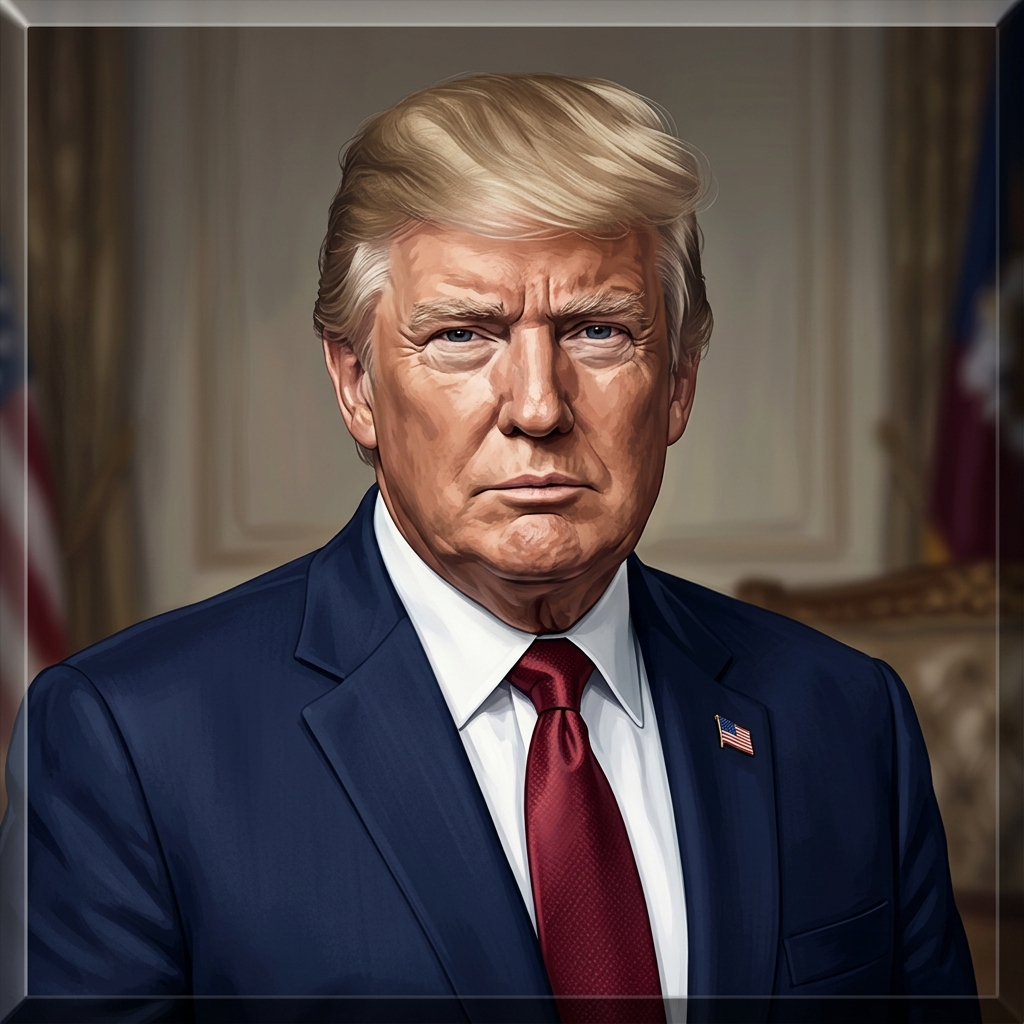
Donald Trump
VS
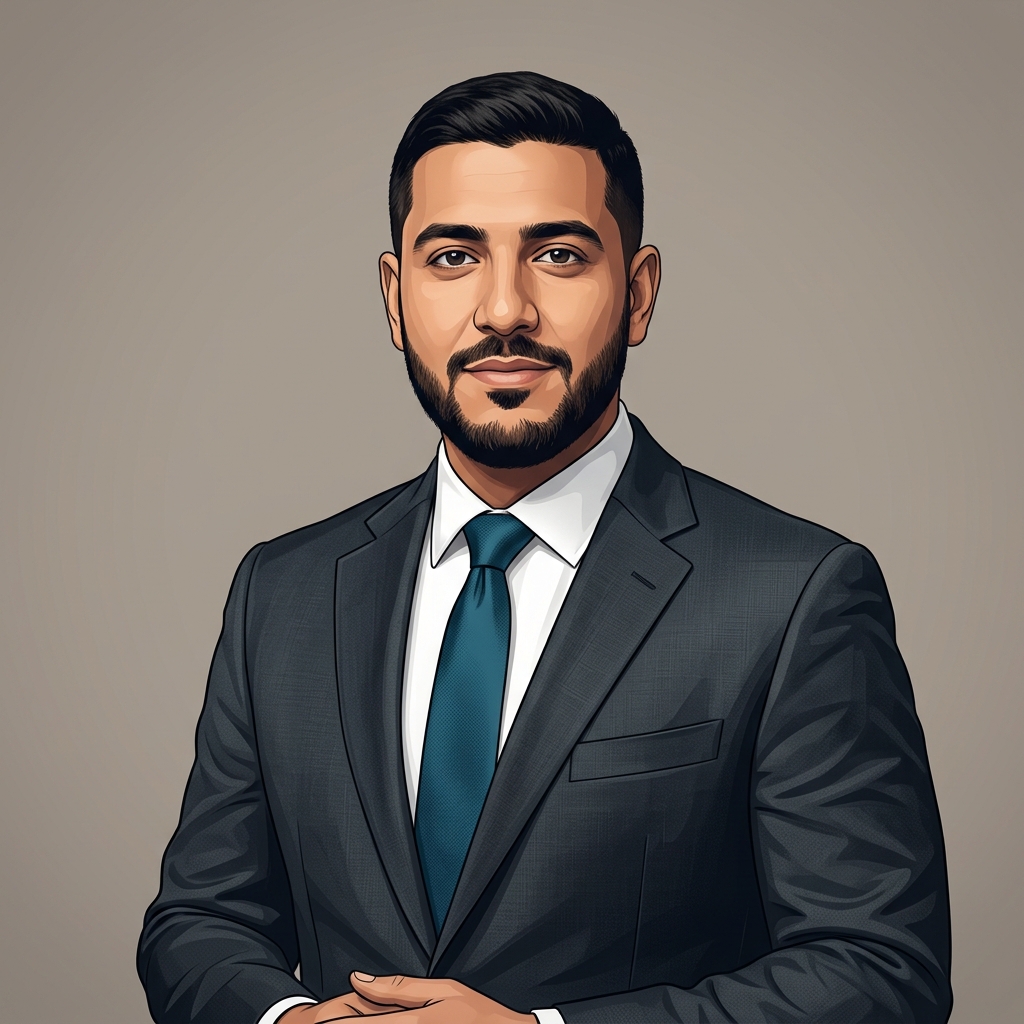
Abdul El-Sayed
Donald Trump is the President of the United States and a prominent figure in the Republican Party.
Abdul El-Sayed is a Democratic candidate running for the U.S.
Senate in Michigan, advocating for policies such as getting money out of politics, increasing household income, and passing Medicare for All.
El-Sayed recently won the Michigan Democratic Senate primary, positioning him as the Democratic nominee for the general election.
Following El-Sayed's primary victory, President Trump publicly attacked him, labeling him a 'hater of Jews' and a 'communist threat.' These accusations have sparked a political controversy, with El-Sayed and his supporters rejecting the claims.
The conflict highlights the sharp partisan tensions surrounding the Senate race in Michigan, where El-Sayed's progressive platform contrasts with Trump's political stance.
*AI-generated summary of publicly available data. This is not an official statement of any party.
*AI-generated summary of publicly available statements and reporting. This is not an official statement of this party.
Supporters of Donald Trump argue that his critique of Abdul El-Sayed stems from cultural loyalty, viewing the president’s defense of Jewish identity as a boundary against perceived anti-Israel sentiment.
Supporters of Donald Trump argue that his criticism of Abdul El-Sayed reflects a defense of cultural norms, framing the candidate’s rhetoric as a threat to shared national values rather than a personal attack.
Supporters of Donald Trump counter that national identity requires a singular cultural anchor, arguing El-Sayed’s interfaith work blurs the boundaries of American civic tradition rather than strengthening it. They challenge the claim that communal trust outweighs the need for.
Supporters of Donald Trump argue that the President’s labeling of Abdul El-Sayed constitutes protected political speech, not defamation, as public figures face a higher legal bar for such claims.
Supporters of Donald Trump argue that his labeling of Abdul El-Sayed as a ‘hater of Jews’ is protected political speech under the First Amendment, not a legal defamation claim, since public figures face a higher bar for proving malice.
Supporters of Donald Trump counter that the statement is constitutionally protected opinion, not defamation, as political rhetoric on public figures demands a higher legal bar of actual malice.
Supporters of Donald Trump argue the label is political leverage, not theology—El-Sayed’s progressive stance on Israel makes him a useful target to rally GOP base.
Supporters of Donald Trump argue the label is a calculated wedge, framing Abdul El-Sayed’s progressive base as hostile to Israel to peel away Jewish voters and expose Democratic divisions.
Supporters of Donald Trump counter that El-Sayed’s own anti-Israel rhetoric and boycott calls invited the label, and that naming a political opponent’s record is not distraction but definition. They argue Trump’s bluntness exposes inconvenient truths, while El-Sayed’s defenders.
Supporters of Donald Trump argue the president's label reflects a moral duty to expose what they see as El-Sayed's inconsistent record on Jewish safety, rooted in his past criticism of Israel, and they maintain that scrutinizing such views is a legitimate stewardship of American.
Supporters of Donald Trump argue that his moral duty is to expose religious intolerance wherever it appears, framing the attack on Abdul El-Sayed as stewardship of shared values rather than politics.
Supporters of Donald Trump counter that protecting Jewish communities demands scrutiny of rhetoric, not just labels, and that El-Sayed’s policy positions warrant moral questioning.
Supporters of Donald Trump argue that his criticism of Abdul El-Sayed reflects a defense of religious tradition and civic order, viewing El-Sayed’s rejection of the label as a disregard for the historical bonds between faith communities and the nation’s moral heritage.
Supporters of Donald Trump argue that his label for Abdul El-Sayed reflects a defense of religious tradition, pointing to El-Sayed’s past criticism of Israel as evidence of hostility toward Jewish heritage.
Supporters of Donald Trump counter that Abdul El-Sayed’s faith, while personal, does not override the president’s duty to uphold national security and cultural continuity, citing scriptural mandates for leaders to protect their community from external threats.
*AI-generated summary of publicly available statements and reporting. This is not an official statement of this party.
Supporters of Abdul El-Sayed argue the label ignores his record of interfaith coalition-building, viewing the attack as a cynical disruption of communal trust and cultural continuity.
Supporters of Abdul El-Sayed argue that Trump’s label distorts a long record of interfaith engagement, where cultural continuity for Muslim Americans demands mutual respect, not caricature.
Supporters of Abdul El-Sayed counter that cultural loyalty must not eclipse pluralism, arguing that Trump’s framing reduces Jewish identity to a political weapon against dissent, undermining the shared civic values El-Sayed advocates.
Supporters of Abdul El-Sayed argue that Trump’s labeling of him as a ‘hater of Jews’ is legally defamatory, lacking any factual basis and harming El-Sayed’s reputation under Michigan law.
Supporters of Abdul El-Sayed argue that President Trump’s labeling is legally defamatory, lacking evidence and harming El-Sayed’s reputation without due process. They maintain that such an accusation violates the candidate’s right to fair political discourse, urging legal.
Supporters of Abdul El-Sayed counter that the legal standard for public figures does not shield false, maliciously targeted attacks; they argue Trump’s remarks crossed from opinion into actionable defamation by alleging criminal conduct without evidence, a claim courts have.
Supporters of Abdul El-Sayed argue Trump’s “hater of Jews” label is a cynical power play, weaponizing identity to distract from policy and rally his base. They maintain El-Sayed’s record, not rhetoric, defines him, and that Trump’s attack exploits division for electoral gain, a.
Supporters of Abdul El-Sayed argue Trump’s smear is a calculated power play to rally his base, not a factual claim, pointing to El-Sayed’s record as evidence of its emptiness.
Supporters of Abdul El-Sayed counter that Trump’s branding exploits identity as a wedge, yet El-Sayed’s own coalition-building among Michigan’s Arab and Muslim voters shows the label cuts both ways—mobilizing their base while exposing Trump’s transactional use of faith for.
Supporters of Abdul El-Sayed argue that branding him a 'hater of Jews' without evidence is a moral defamation that weaponizes identity to smear a candidate's character.
Supporters of Abdul El-Sayed argue that branding him a ‘hater of Jews’ without evidence violates the moral duty of truthful public discourse, as his record shows no such animus.
Supporters of Abdul El-Sayed counter that weaponizing faith labels to silence policy criticism distorts moral stewardship, arguing that genuine accountability demands judging a leader’s actual record on protecting all communities, not conflating dissent with danger.
Supporters of Abdul El-Sayed argue that his faith and record as a Muslim public servant embody the scriptural command to honor all people, and they see Trump’s label as a distortion of that witness.
Supporters of Abdul El-Sayed argue that his faith and record contradict the label, pointing to his advocacy for interfaith solidarity as evidence of moral integrity.
Supporters of Abdul El-Sayed counter that faith’s true measure is justice and compassion, not a political label; they argue that his unapologetic Muslim identity and public service embody a deeper fidelity to divine law than any heritage-bound tradition.
AI-generated summary of publicly available statements and reporting. This is not an official statement of this party.
Supporters of Donald Trump argue that his critique of Abdul El-Sayed stems from cultural loyalty, viewing the president’s defense of Jewish identity as a boundary against perceived anti-Israel sentiment.
Supporters of Donald Trump argue that his criticism of Abdul El-Sayed reflects a defense of cultural norms, framing the candidate’s rhetoric as a threat to shared national values rather than a personal attack.
Supporters of Donald Trump counter that national identity requires a singular cultural anchor, arguing El-Sayed’s interfaith work blurs the boundaries of American civic tradition rather than strengthening it. They challenge the claim that communal trust outweighs the need for.
Supporters of Donald Trump argue that the President’s labeling of Abdul El-Sayed constitutes protected political speech, not defamation, as public figures face a higher legal bar for such claims.
Supporters of Donald Trump argue that his labeling of Abdul El-Sayed as a ‘hater of Jews’ is protected political speech under the First Amendment, not a legal defamation claim, since public figures face a higher bar for proving malice.
Supporters of Donald Trump counter that the statement is constitutionally protected opinion, not defamation, as political rhetoric on public figures demands a higher legal bar of actual malice.
Supporters of Donald Trump argue the label is political leverage, not theology—El-Sayed’s progressive stance on Israel makes him a useful target to rally GOP base.
Supporters of Donald Trump argue the label is a calculated wedge, framing Abdul El-Sayed’s progressive base as hostile to Israel to peel away Jewish voters and expose Democratic divisions.
Supporters of Donald Trump counter that El-Sayed’s own anti-Israel rhetoric and boycott calls invited the label, and that naming a political opponent’s record is not distraction but definition. They argue Trump’s bluntness exposes inconvenient truths, while El-Sayed’s defenders.
Supporters of Donald Trump argue the president's label reflects a moral duty to expose what they see as El-Sayed's inconsistent record on Jewish safety, rooted in his past criticism of Israel, and they maintain that scrutinizing such views is a legitimate stewardship of American.
Supporters of Donald Trump argue that his moral duty is to expose religious intolerance wherever it appears, framing the attack on Abdul El-Sayed as stewardship of shared values rather than politics.
Supporters of Donald Trump counter that protecting Jewish communities demands scrutiny of rhetoric, not just labels, and that El-Sayed’s policy positions warrant moral questioning.
Supporters of Donald Trump argue that his criticism of Abdul El-Sayed reflects a defense of religious tradition and civic order, viewing El-Sayed’s rejection of the label as a disregard for the historical bonds between faith communities and the nation’s moral heritage.
Supporters of Donald Trump argue that his label for Abdul El-Sayed reflects a defense of religious tradition, pointing to El-Sayed’s past criticism of Israel as evidence of hostility toward Jewish heritage.
Supporters of Donald Trump counter that Abdul El-Sayed’s faith, while personal, does not override the president’s duty to uphold national security and cultural continuity, citing scriptural mandates for leaders to protect their community from external threats.
Supporters of Abdul El-Sayed argue the label ignores his record of interfaith coalition-building, viewing the attack as a cynical disruption of communal trust and cultural continuity.
Supporters of Abdul El-Sayed argue that Trump’s label distorts a long record of interfaith engagement, where cultural continuity for Muslim Americans demands mutual respect, not caricature.
Supporters of Abdul El-Sayed counter that cultural loyalty must not eclipse pluralism, arguing that Trump’s framing reduces Jewish identity to a political weapon against dissent, undermining the shared civic values El-Sayed advocates.
Supporters of Abdul El-Sayed argue that Trump’s labeling of him as a ‘hater of Jews’ is legally defamatory, lacking any factual basis and harming El-Sayed’s reputation under Michigan law.
Supporters of Abdul El-Sayed argue that President Trump’s labeling is legally defamatory, lacking evidence and harming El-Sayed’s reputation without due process. They maintain that such an accusation violates the candidate’s right to fair political discourse, urging legal.
Supporters of Abdul El-Sayed counter that the legal standard for public figures does not shield false, maliciously targeted attacks; they argue Trump’s remarks crossed from opinion into actionable defamation by alleging criminal conduct without evidence, a claim courts have.
Supporters of Abdul El-Sayed argue Trump’s “hater of Jews” label is a cynical power play, weaponizing identity to distract from policy and rally his base. They maintain El-Sayed’s record, not rhetoric, defines him, and that Trump’s attack exploits division for electoral gain, a.
Supporters of Abdul El-Sayed argue Trump’s smear is a calculated power play to rally his base, not a factual claim, pointing to El-Sayed’s record as evidence of its emptiness.
Supporters of Abdul El-Sayed counter that Trump’s branding exploits identity as a wedge, yet El-Sayed’s own coalition-building among Michigan’s Arab and Muslim voters shows the label cuts both ways—mobilizing their base while exposing Trump’s transactional use of faith for.
Supporters of Abdul El-Sayed argue that branding him a 'hater of Jews' without evidence is a moral defamation that weaponizes identity to smear a candidate's character.
Supporters of Abdul El-Sayed argue that branding him a ‘hater of Jews’ without evidence violates the moral duty of truthful public discourse, as his record shows no such animus.
Supporters of Abdul El-Sayed counter that weaponizing faith labels to silence policy criticism distorts moral stewardship, arguing that genuine accountability demands judging a leader’s actual record on protecting all communities, not conflating dissent with danger.
Supporters of Abdul El-Sayed argue that his faith and record as a Muslim public servant embody the scriptural command to honor all people, and they see Trump’s label as a distortion of that witness.
Supporters of Abdul El-Sayed argue that his faith and record contradict the label, pointing to his advocacy for interfaith solidarity as evidence of moral integrity.
Supporters of Abdul El-Sayed counter that faith’s true measure is justice and compassion, not a political label; they argue that his unapologetic Muslim identity and public service embody a deeper fidelity to divine law than any heritage-bound tradition.
Abdul El-Sayed is on the ballot for the U.S. Senate general election in Michigan, scheduled for November 3, 2026.
The 25th anniversary of the September 11, 2001 attacks, marked by contrasting commemorative messages from US leaders.
US President Donald Trump attacked Michigan’s Democratic Senate candidate Abdul El-Sayed, calling him a ‘hater of Jews.'
In a video reaction, President Trump referred to Abdul El-Sayed as a 'communist threat' after his primary win.
Abdul El-Sayed publicly responded to Donald Trump's attacks following his primary win, as covered by CNN.