Donald Trump
VS
Constitutional law experts

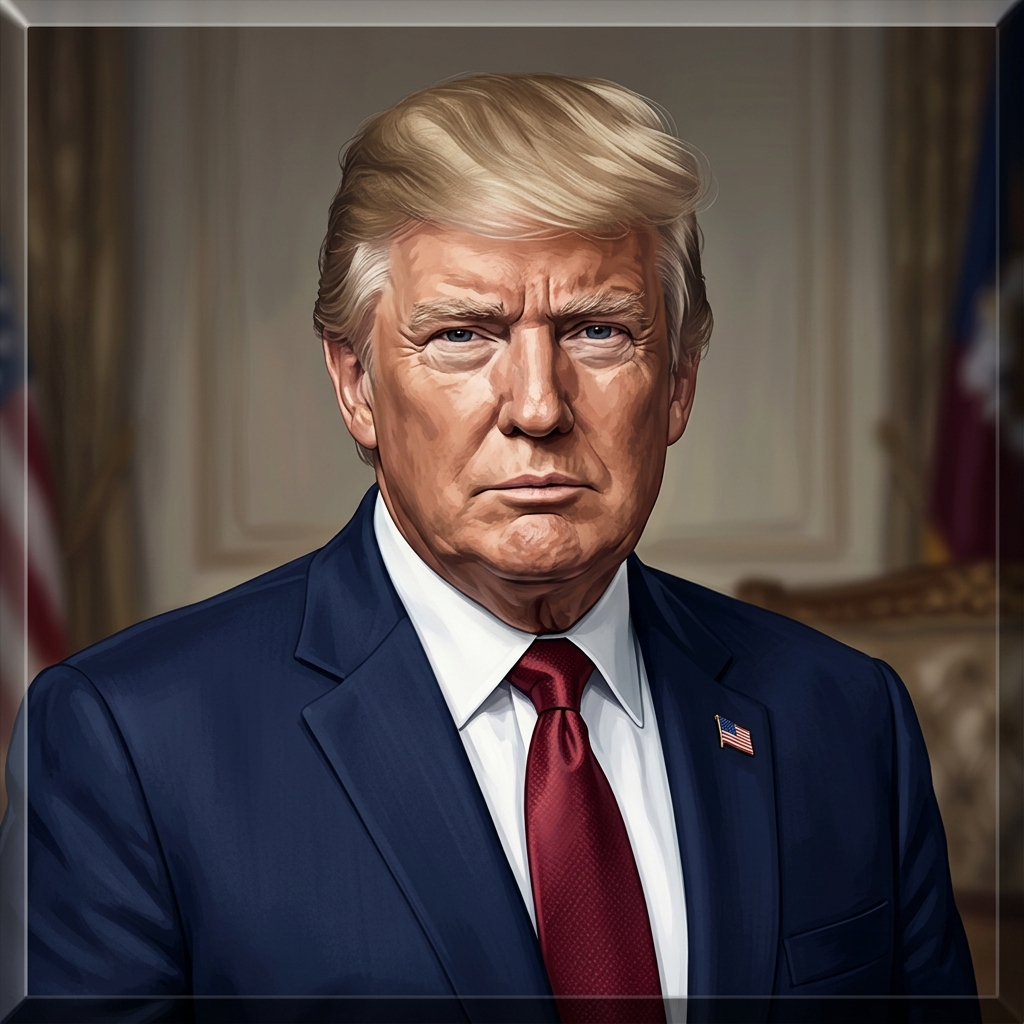
Donald Trump is the former and current President of the United States, known for his unconventional approach to executive power and his willingness to challenge established legal and political norms.
Constitutional law experts are legal scholars and practitioners who interpret the U.S.
Constitution and assess the legality of government actions, often serving as a check on executive overreach.
The conflict between Trump and constitutional law experts centers on the scope of presidential authority and adherence to constitutional limits.
Trump has expressed interest in serving a third term despite the 22nd Amendment's two-term limit, and he has also claimed that courts cannot review his actions, asserting a form of judicial supremacy that experts reject.
Legal scholars have responded with widespread criticism, including a bipartisan letter signed by over 1,000 law professors decrying what they see as illegal and unconstitutional actions by his administration.
The stakes are high, as experts warn of an unprecedented challenge to the rule of law and the potential for a constitutional crisis.
The debate touches on fundamental questions about the balance of power between the executive, judiciary, and Congress, and the durability of democratic institutions.
*AI-generated summary of publicly available data. This is not an official statement of any party.
*AI-generated summary of publicly available statements and reporting. This is not an official statement of this party.
Supporters of Donald Trump argue that the 22nd Amendment reflects a historical era’s fear of strong leadership, not a timeless cultural truth, and they see his enduring popularity as proof that term limits now stifle the people’s will.
Supporters of Donald Trump argue that his third-term interest reflects a cultural reverence for strong leadership over rigid legalism, citing his acknowledgment of the 22nd Amendment’s strength as proof he respects precedent while testing its limits.
Supporters of Donald Trump counter that the 22nd Amendment's tradition is not sacred but a relic, arguing that America's civic culture has always thrived on strong leaders who break precedent, from Washington to Lincoln.
Supporters of Donald Trump argue that the 22nd Amendment’s two-term limit is a political norm, not an absolute legal barrier, and they point to his acknowledgment of the law’s strength as evidence he respects constitutional process while leaving room for legal debate.
Supporters of Donald Trump argue the 22nd Amendment is a legal barrier, not a moral one, and that its text permits reinterpretation if a national emergency arises.
Supporters of Donald Trump counter that the 22nd Amendment’s text binds only “elected” presidents, not those assuming office via succession, leaving a legal pathway for a non-consecutive term.
Supporters of Donald Trump argue the 22nd Amendment is a political hurdle, not a moral one, and that public demand for strength can override legal text if the courts or Congress blink first.
Supporters of Donald Trump argue that the 22nd Amendment is a political artifact, not a moral absolute, and that legal constraints yield to raw public demand when a leader’s base views him as indispensable.
Supporters of Donald Trump counter that the 22nd Amendment binds only formal reelection, not influence, and that raw ambition is precisely how presidents reshape institutional reality, not collide with it.
Supporters of Donald Trump argue that the 22nd Amendment’s two-term limit is a blunt rule, but they maintain his enduring popular mandate and unbroken electoral momentum morally outweigh a rigid legal barrier, seeing his potential third run as a rightful expression of the people’.
Supporters of Donald Trump argue that the 22nd Amendment’s two-term limit is a legal barrier, not a moral one, and that his continued leadership reflects the will of the people over rigid constitutional text.
Supporters of Donald Trump counter that the 22nd Amendment was never a moral imperative but a political choice, and that voters, not term limits, are the true safeguard against ambition—Trump’s re-election would simply reflect the people’s sovereign will.
Supporters of Donald Trump argue that no human law, including the 22nd Amendment, can bind what they see as divine providence, viewing his potential third term as part of a larger sacred mission.
Supporters of Donald Trump argue that divine providence, not human statute, ultimately ordains leadership, citing scripture to suggest God’s calling can transcend earthly limits like the 22nd Amendment.
Supporters of Donald Trump counter that divine providence, not man-made covenants, ordains leadership, as scripture shows God raising rulers beyond human constraints.
*AI-generated summary of publicly available statements and reporting. This is not an official statement of this party.
Supporters of Constitutional law experts argue that the 22nd Amendment embodies America's civic culture of peaceful power transfer, a tradition experts see as sacred to national identity, not a mere legal formality.
Supporters of Constitutional law experts argue that the 22nd Amendment embodies America’s cultural commitment to peaceful leadership transitions, viewing Trump’s third-term musings as a threat to that civic tradition.
Constitutional law experts counter that the 22nd Amendment embodies a cultural commitment to democratic rotation, not a relic of fear, and they argue that term limits protect the nation’s civic identity from the cult of personality.
Supporters of Constitutional law experts argue that the 22nd Amendment’s text is unambiguous, barring any third term regardless of Trump’s stated interest.
Supporters of Constitutional law experts argue the 22nd Amendment's plain text bars any third term, making Trump's musings legally futile regardless of political will.
Constitutional law experts counter that the 22nd Amendment’s text is unambiguous—no person may be elected more than twice—and that Trump’s own concession of its strength confirms its binding force, leaving no room for reinterpretation.
Supporters of Constitutional law experts argue the 22nd Amendment is a hard power constraint, not a suggestion, and Trump’s vague maneuvering reveals raw ambition colliding with institutional reality.
Supporters of Constitutional law experts argue the 22nd Amendment is a hard power ceiling, not a suggestion, and that Trump’s flirtation with a third term is a test of institutional resolve; they maintain that only a constitutional amendment, not political maneuvering, can reset.
Constitutional law experts counter that the 22nd Amendment is a hard institutional lock, not a bluff; courts and Congress rarely blink when precedent and electoral stakes align, and public demand alone has never repealed a ratified text.
Supporters of Constitutional law experts argue that the 22nd Amendment is a moral compact against concentrated power, and that honoring its two-term limit protects democratic legitimacy from the corrosive pull of personal ambition.
Supporters of Constitutional law experts argue that a president's moral duty is to honor the nation's foundational contract, not to test its limits for personal ambition.
Constitutional law experts counter that a popular mandate cannot supersede a written constitutional limit, as the 22nd Amendment encodes the people’s prior moral choice to bar any third term.
Supporters of Constitutional law experts argue that the two-term limit reflects a sacred civic covenant, binding leaders to ordered succession as a guard against dynastic ambition.
Supporters of Constitutional law experts argue that the 22nd Amendment reflects a sacred civic covenant, its two-term limit a guardrail against monarchical ambition, and they view any third-term talk as a threat to the orderly succession that sustains national stability.
Supporters of Constitutional law experts counter that divine providence operates through, not against, established constitutional order, citing Romans 13 as biblical endorsement of lawful governance.
AI-generated summary of publicly available statements and reporting. This is not an official statement of this party.
Supporters of Donald Trump argue that the 22nd Amendment reflects a historical era’s fear of strong leadership, not a timeless cultural truth, and they see his enduring popularity as proof that term limits now stifle the people’s will.
Supporters of Donald Trump argue that his third-term interest reflects a cultural reverence for strong leadership over rigid legalism, citing his acknowledgment of the 22nd Amendment’s strength as proof he respects precedent while testing its limits.
Supporters of Donald Trump counter that the 22nd Amendment's tradition is not sacred but a relic, arguing that America's civic culture has always thrived on strong leaders who break precedent, from Washington to Lincoln.
Supporters of Donald Trump argue that the 22nd Amendment’s two-term limit is a political norm, not an absolute legal barrier, and they point to his acknowledgment of the law’s strength as evidence he respects constitutional process while leaving room for legal debate.
Supporters of Donald Trump argue the 22nd Amendment is a legal barrier, not a moral one, and that its text permits reinterpretation if a national emergency arises.
Supporters of Donald Trump counter that the 22nd Amendment’s text binds only “elected” presidents, not those assuming office via succession, leaving a legal pathway for a non-consecutive term.
Supporters of Donald Trump argue the 22nd Amendment is a political hurdle, not a moral one, and that public demand for strength can override legal text if the courts or Congress blink first.
Supporters of Donald Trump argue that the 22nd Amendment is a political artifact, not a moral absolute, and that legal constraints yield to raw public demand when a leader’s base views him as indispensable.
Supporters of Donald Trump counter that the 22nd Amendment binds only formal reelection, not influence, and that raw ambition is precisely how presidents reshape institutional reality, not collide with it.
Supporters of Donald Trump argue that the 22nd Amendment’s two-term limit is a blunt rule, but they maintain his enduring popular mandate and unbroken electoral momentum morally outweigh a rigid legal barrier, seeing his potential third run as a rightful expression of the people’.
Supporters of Donald Trump argue that the 22nd Amendment’s two-term limit is a legal barrier, not a moral one, and that his continued leadership reflects the will of the people over rigid constitutional text.
Supporters of Donald Trump counter that the 22nd Amendment was never a moral imperative but a political choice, and that voters, not term limits, are the true safeguard against ambition—Trump’s re-election would simply reflect the people’s sovereign will.
Supporters of Donald Trump argue that no human law, including the 22nd Amendment, can bind what they see as divine providence, viewing his potential third term as part of a larger sacred mission.
Supporters of Donald Trump argue that divine providence, not human statute, ultimately ordains leadership, citing scripture to suggest God’s calling can transcend earthly limits like the 22nd Amendment.
Supporters of Donald Trump counter that divine providence, not man-made covenants, ordains leadership, as scripture shows God raising rulers beyond human constraints.
Supporters of Constitutional law experts argue that the 22nd Amendment embodies America's civic culture of peaceful power transfer, a tradition experts see as sacred to national identity, not a mere legal formality.
Supporters of Constitutional law experts argue that the 22nd Amendment embodies America’s cultural commitment to peaceful leadership transitions, viewing Trump’s third-term musings as a threat to that civic tradition.
Constitutional law experts counter that the 22nd Amendment embodies a cultural commitment to democratic rotation, not a relic of fear, and they argue that term limits protect the nation’s civic identity from the cult of personality.
Supporters of Constitutional law experts argue that the 22nd Amendment’s text is unambiguous, barring any third term regardless of Trump’s stated interest.
Supporters of Constitutional law experts argue the 22nd Amendment's plain text bars any third term, making Trump's musings legally futile regardless of political will.
Constitutional law experts counter that the 22nd Amendment’s text is unambiguous—no person may be elected more than twice—and that Trump’s own concession of its strength confirms its binding force, leaving no room for reinterpretation.
Supporters of Constitutional law experts argue the 22nd Amendment is a hard power constraint, not a suggestion, and Trump’s vague maneuvering reveals raw ambition colliding with institutional reality.
Supporters of Constitutional law experts argue the 22nd Amendment is a hard power ceiling, not a suggestion, and that Trump’s flirtation with a third term is a test of institutional resolve; they maintain that only a constitutional amendment, not political maneuvering, can reset.
Constitutional law experts counter that the 22nd Amendment is a hard institutional lock, not a bluff; courts and Congress rarely blink when precedent and electoral stakes align, and public demand alone has never repealed a ratified text.
Supporters of Constitutional law experts argue that the 22nd Amendment is a moral compact against concentrated power, and that honoring its two-term limit protects democratic legitimacy from the corrosive pull of personal ambition.
Supporters of Constitutional law experts argue that a president's moral duty is to honor the nation's foundational contract, not to test its limits for personal ambition.
Constitutional law experts counter that a popular mandate cannot supersede a written constitutional limit, as the 22nd Amendment encodes the people’s prior moral choice to bar any third term.
Supporters of Constitutional law experts argue that the two-term limit reflects a sacred civic covenant, binding leaders to ordered succession as a guard against dynastic ambition.
Supporters of Constitutional law experts argue that the 22nd Amendment reflects a sacred civic covenant, its two-term limit a guardrail against monarchical ambition, and they view any third-term talk as a threat to the orderly succession that sustains national stability.
Supporters of Constitutional law experts counter that divine providence operates through, not against, established constitutional order, citing Romans 13 as biblical endorsement of lawful governance.
Donald Trump says the law stopping him from seeking a third presidential term is ‘very strong’.
Joel Alicea, a conservative constitutional lawyer, appeared on PBS NewsHour to discuss Trump's aggressive use of executive power, highlighting the debate among legal experts across the political spectrum.
More than 1,000 law scholars from around the country signed a bipartisan letter decrying President Trump's 'illegal and unconstitutional actions,' asserting that the country is in a constitutional crisis.
Scholars at Harvard Kennedy School published an analysis describing an 'unprecedented challenge to the rule of law' from the Trump administration, fueling concerns among constitutional experts.
Eleven top constitutional law experts responded to White House statements suggesting that no court can review the constitutionality of Trump's actions, underscoring the ongoing clash over judicial oversight.