Donald Trump

VS
Democratic Party
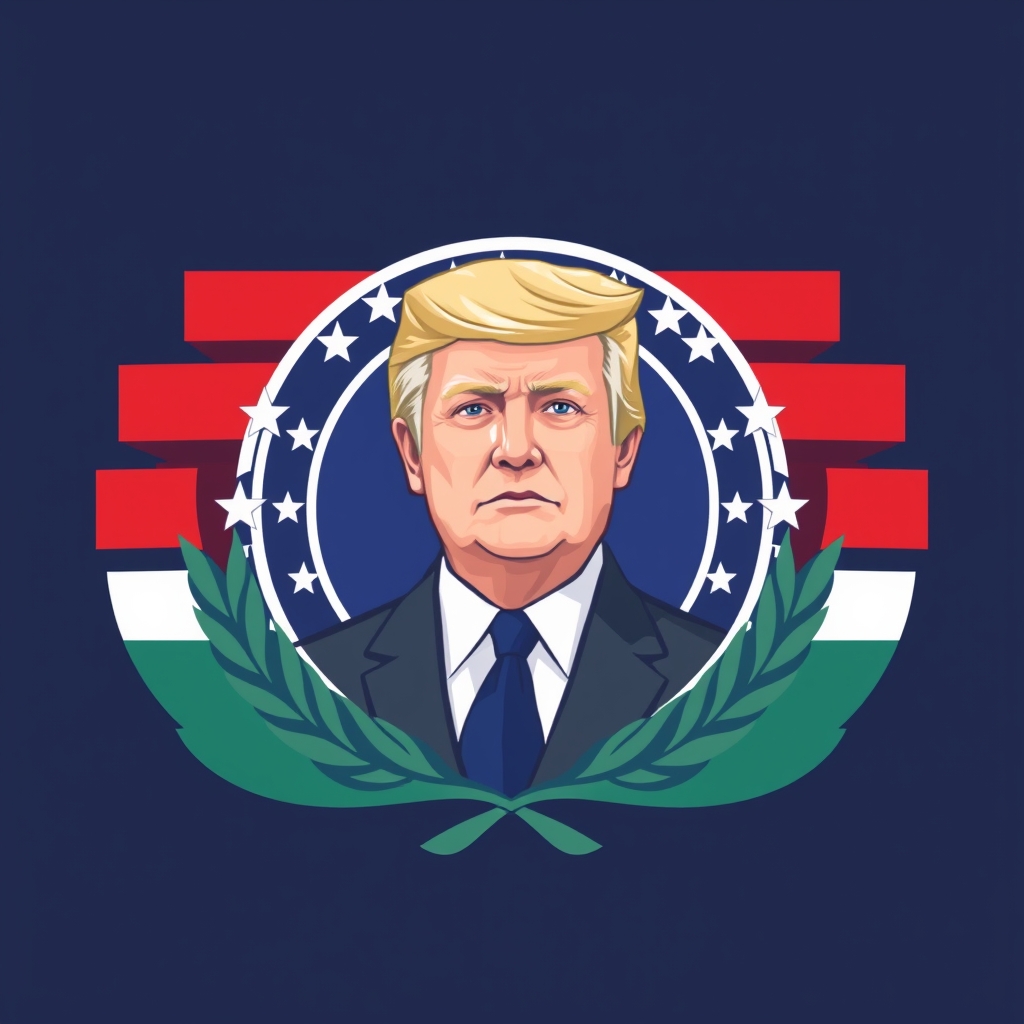
Polls have opened in the US midterm elections, with results expected to serve as a referendum on Donald Trump's presidency and influence over Congress.
The outcome will determine control of the House and Senate and shape the remaining two years of Trump's term.
*AI-generated summary of publicly available data. This is not an official statement of any party.
*AI-generated summary of publicly available statements and reporting. This is not an official statement of this party.
Supporters of Donald Trump frame the midterms as a defense of traditional American identity and sovereignty, arguing that cultural continuity and national pride are on the ballot alongside congressional control.
Supporters of Donald Trump frame the midterms as a cultural referendum, arguing that preserving traditional American values and social order depends on voters defending the President's agenda against the Democratic Party.
Supporters of Donald Trump counter that midterm turnout reflected local concerns rather than a verdict on national culture, arguing that inherited civic traditions and community continuity matter more to voters than a referendum framing.
Supporters of Donald Trump argue that the 2018 midterms give voters a legal mandate to keep Republican control of Congress, maintaining that ballot-box outcomes should decide the President's agenda.
Supporters of Donald Trump argue that the 2018 midterms give voters a legal mandate to keep Republican control of Congress and advance the president's agenda.
Supporters of Donald Trump counter that constitutional checks run both ways—Article II vests executive authority in the president, and they argue courts and statutes, not midterm majorities, define the lawful limits of that power.
Supporters of Donald Trump view the midterms as a test of whether voters reward a president who delivers on his base's priorities, arguing that turnout and loyalty, not opposition messaging, decide power.
Supporters of Donald Trump argue that midterms are a power test, not a poll on him—turnout and holding Congress matter more than approval, since control of the House and Senate is what constrains or empowers his agenda.
Supporters of Donald Trump counter that raw power cuts both ways: they argue the midterms test Democrats' own grip on swing districts, and that Trump's base turnout, not persuasion, is the lever that decides who actually holds Congress.
Supporters of Donald Trump argue that midterm voters should judge the president on economic growth and deregulation, maintaining that market-driven prosperity is a moral good worth preserving at the ballot box.
Supporters of Donald Trump argue that midterm voters have a moral duty to reward an agenda delivering jobs and growth, and that rejecting it would betray the working Americans who backed that prosperity.
Supporters of Donald Trump counter that the moral duty runs the other way: they argue that voters who elected him deserve the representation they chose, and that unelected opposition to his agenda overrides the will of those constituents.
Supporters of Donald Trump argue that defending religious liberty is central to the midterms, maintaining that faith communities flourish when government protects conscience rather than constraining it.
Supporters of Donald Trump argue that faith and family values are under assault from secular elites, and they see the midterms as a moral referendum to defend religious liberty and traditional institutions.
Supporters of Donald Trump counter that religious duty also upholds legitimate authority, arguing that governing institutions deserve respect rather than being recast as a moral referendum.
*AI-generated summary of publicly available statements and reporting. This is not an official statement of this party.
Supporters of Democratic Party frame the 2018 midterms as a cultural referendum on Trump's presidency, arguing that voters can check his influence over Congress.
Supporters of Democratic Party frame the 2018 midterms as a cultural referendum on who belongs in American public life, arguing that turnout itself answers Trump's rhetoric.
Supporters of the Democratic Party counter that American identity has always been plural, remade by successive waves of immigration, and that framing cultural continuity as on the ballot echoes earlier nativist movements that history has judged harshly.
Supporters of the Democratic Party argue that midterm elections are the lawful constitutional check on presidential power, and that voters have a legal right to decide whether Congress counterbalances Donald Trump.
Supporters of the Democratic Party argue that the midterms give voters a lawful check on executive power, framing ballot access and congressional oversight as legal safeguards against overreach.
Supporters of the Democratic Party counter that the 2018 midterms produced a Democratic House majority, so the same ballot-box logic they cite actually transfers legal control of the chamber and its agenda away from Republican hands.
Supporters of Democratic Party argue the midterms are a raw power test: they frame the vote as a check on Trump's dominance, betting control of Congress, not persuasion, is what constrains him.
Supporters of Democratic Party argue the midterms are a lever to check Trump's power, framing congressional control as the only practical means to constrain his agenda.
Supporters of Democratic Party counter that base loyalty alone doesn't decide power—midterm turnout historically punishes the party holding the White House, so they argue the president's coalition intensity is a constraint, not an advantage.
Supporters of Democratic Party argue that the 2018 midterms carry a moral duty to check a presidency they see as eroding fairness, and they frame each ballot as a stand for equitable representation.
Supporters of the Democratic Party argue that the midterms carry a moral duty to check a presidency they see as divisive, framing the vote as a referendum on fairness and accountability.
Supporters of the Democratic Party counter that prosperity measured only by growth and deregulation ignores who bears the cost, arguing that a moral economy must protect workers and vulnerable communities, not just markets.
Supporters of the Democratic Party argue that the midterms are a moral referendum on Trump's presidency, invoking faith-based calls for justice and the common good as a religious duty to hold power accountable.
Supporters of the Democratic Party argue that the 2018 midterms carry a moral dimension, framing stewardship of power as accountable to higher principles of justice and care for the vulnerable.
Supporters of Democratic Party counter that religious liberty means protecting all faiths and consciences equally, not privileging one tradition, and they cite the First Amendment's establishment clause as barring government from favoring particular religious views.
AI-generated summary of publicly available statements and reporting. This is not an official statement of this party.
Supporters of Donald Trump frame the midterms as a defense of traditional American identity and sovereignty, arguing that cultural continuity and national pride are on the ballot alongside congressional control.
Supporters of Donald Trump frame the midterms as a cultural referendum, arguing that preserving traditional American values and social order depends on voters defending the President's agenda against the Democratic Party.
Supporters of Donald Trump counter that midterm turnout reflected local concerns rather than a verdict on national culture, arguing that inherited civic traditions and community continuity matter more to voters than a referendum framing.
Supporters of Donald Trump argue that the 2018 midterms give voters a legal mandate to keep Republican control of Congress, maintaining that ballot-box outcomes should decide the President's agenda.
Supporters of Donald Trump argue that the 2018 midterms give voters a legal mandate to keep Republican control of Congress and advance the president's agenda.
Supporters of Donald Trump counter that constitutional checks run both ways—Article II vests executive authority in the president, and they argue courts and statutes, not midterm majorities, define the lawful limits of that power.
Supporters of Donald Trump view the midterms as a test of whether voters reward a president who delivers on his base's priorities, arguing that turnout and loyalty, not opposition messaging, decide power.
Supporters of Donald Trump argue that midterms are a power test, not a poll on him—turnout and holding Congress matter more than approval, since control of the House and Senate is what constrains or empowers his agenda.
Supporters of Donald Trump counter that raw power cuts both ways: they argue the midterms test Democrats' own grip on swing districts, and that Trump's base turnout, not persuasion, is the lever that decides who actually holds Congress.
Supporters of Donald Trump argue that midterm voters should judge the president on economic growth and deregulation, maintaining that market-driven prosperity is a moral good worth preserving at the ballot box.
Supporters of Donald Trump argue that midterm voters have a moral duty to reward an agenda delivering jobs and growth, and that rejecting it would betray the working Americans who backed that prosperity.
Supporters of Donald Trump counter that the moral duty runs the other way: they argue that voters who elected him deserve the representation they chose, and that unelected opposition to his agenda overrides the will of those constituents.
Supporters of Donald Trump argue that defending religious liberty is central to the midterms, maintaining that faith communities flourish when government protects conscience rather than constraining it.
Supporters of Donald Trump argue that faith and family values are under assault from secular elites, and they see the midterms as a moral referendum to defend religious liberty and traditional institutions.
Supporters of Donald Trump counter that religious duty also upholds legitimate authority, arguing that governing institutions deserve respect rather than being recast as a moral referendum.
Supporters of Democratic Party frame the 2018 midterms as a cultural referendum on Trump's presidency, arguing that voters can check his influence over Congress.
Supporters of Democratic Party frame the 2018 midterms as a cultural referendum on who belongs in American public life, arguing that turnout itself answers Trump's rhetoric.
Supporters of the Democratic Party counter that American identity has always been plural, remade by successive waves of immigration, and that framing cultural continuity as on the ballot echoes earlier nativist movements that history has judged harshly.
Supporters of the Democratic Party argue that midterm elections are the lawful constitutional check on presidential power, and that voters have a legal right to decide whether Congress counterbalances Donald Trump.
Supporters of the Democratic Party argue that the midterms give voters a lawful check on executive power, framing ballot access and congressional oversight as legal safeguards against overreach.
Supporters of the Democratic Party counter that the 2018 midterms produced a Democratic House majority, so the same ballot-box logic they cite actually transfers legal control of the chamber and its agenda away from Republican hands.
Supporters of Democratic Party argue the midterms are a raw power test: they frame the vote as a check on Trump's dominance, betting control of Congress, not persuasion, is what constrains him.
Supporters of Democratic Party argue the midterms are a lever to check Trump's power, framing congressional control as the only practical means to constrain his agenda.
Supporters of Democratic Party counter that base loyalty alone doesn't decide power—midterm turnout historically punishes the party holding the White House, so they argue the president's coalition intensity is a constraint, not an advantage.
Supporters of Democratic Party argue that the 2018 midterms carry a moral duty to check a presidency they see as eroding fairness, and they frame each ballot as a stand for equitable representation.
Supporters of the Democratic Party argue that the midterms carry a moral duty to check a presidency they see as divisive, framing the vote as a referendum on fairness and accountability.
Supporters of the Democratic Party counter that prosperity measured only by growth and deregulation ignores who bears the cost, arguing that a moral economy must protect workers and vulnerable communities, not just markets.
Supporters of the Democratic Party argue that the midterms are a moral referendum on Trump's presidency, invoking faith-based calls for justice and the common good as a religious duty to hold power accountable.
Supporters of the Democratic Party argue that the 2018 midterms carry a moral dimension, framing stewardship of power as accountable to higher principles of justice and care for the vulnerable.
Supporters of Democratic Party counter that religious liberty means protecting all faiths and consciences equally, not privileging one tradition, and they cite the First Amendment's establishment clause as barring government from favoring particular religious views.
Polls open across the United States in midterm elections seen as a test for President Donald Trump.