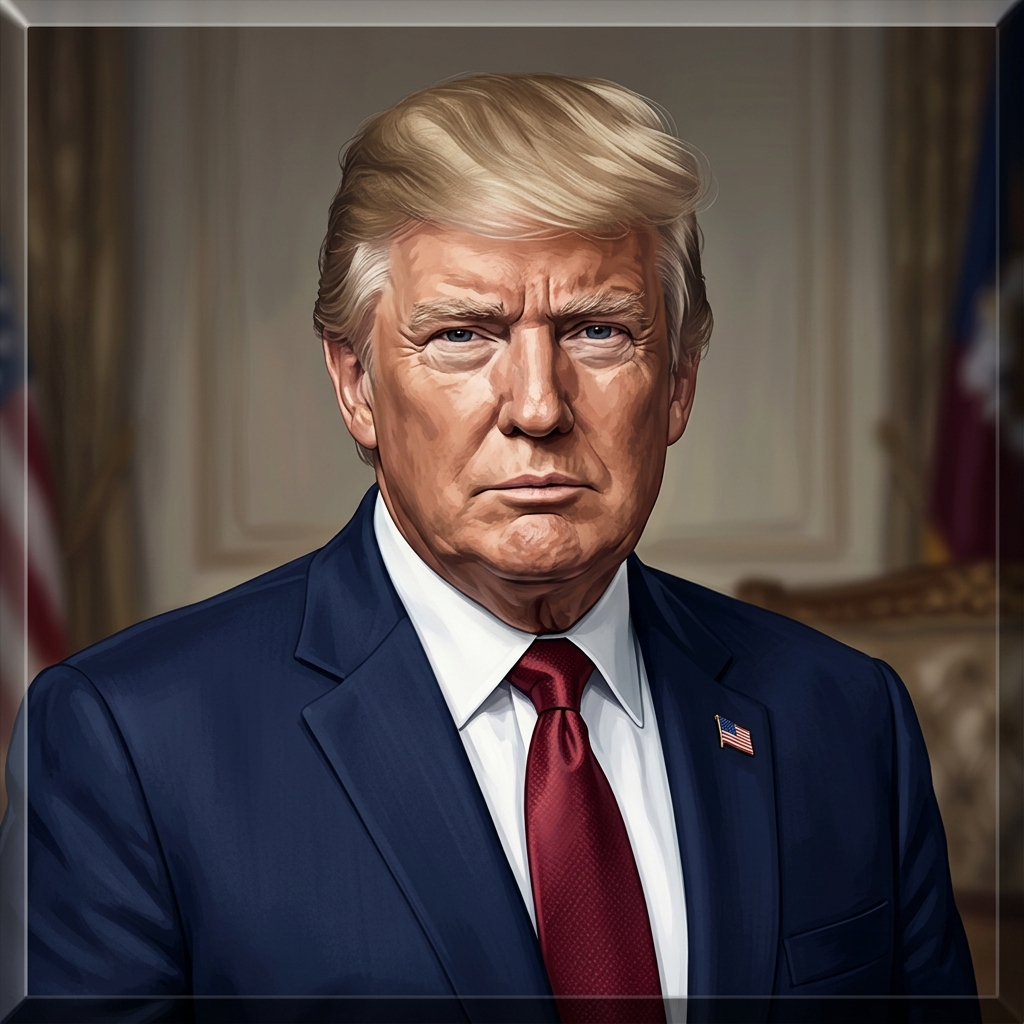
Donald Trump
VS
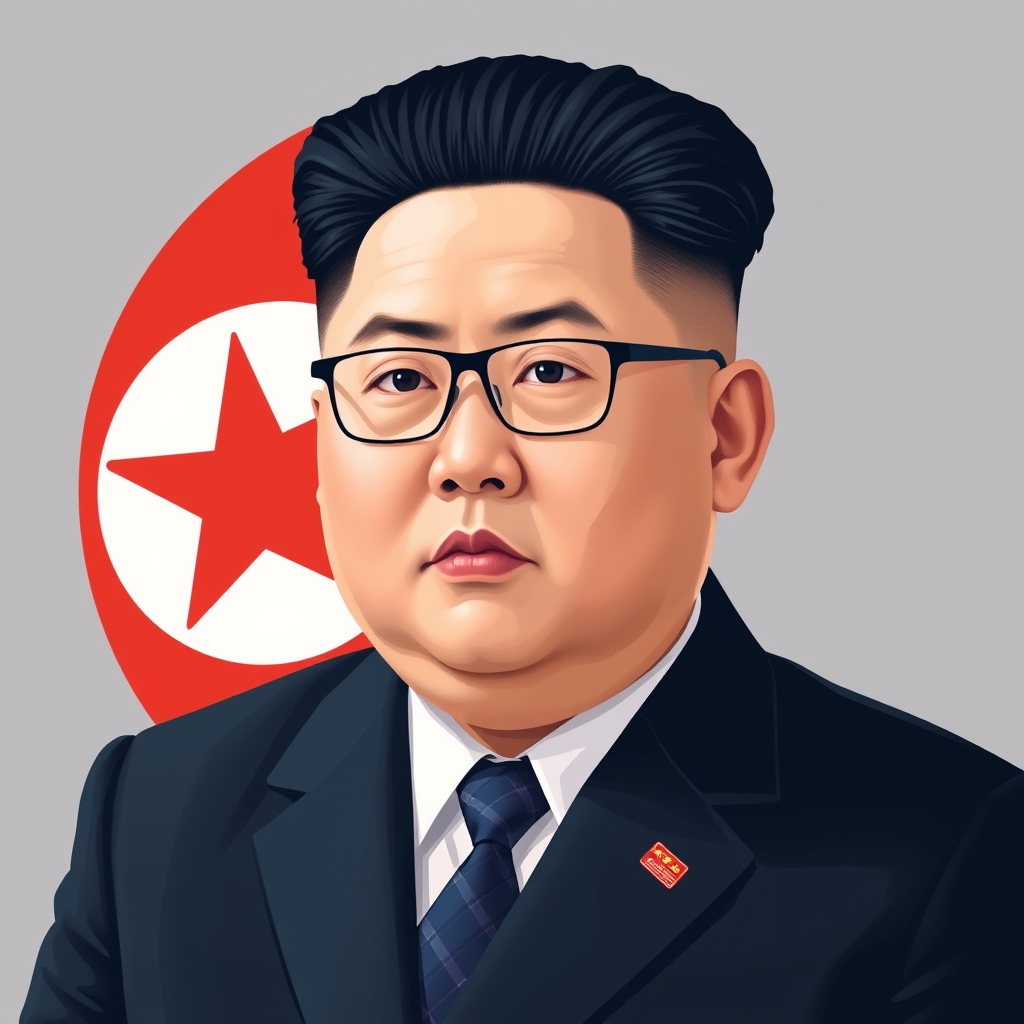
Kim Yo Jong

Donald Trump is the former and current President of the United States, known for his unconventional diplomatic approach and direct engagement with foreign leaders.
Kim Yo Jong is the sister of North Korean leader Kim Jong Un and a senior official in the North Korean government, often serving as a spokesperson and key figure in inter-Korean relations.
Their conflicting interests center on the issue of denuclearization and the nature of US-North Korea relations.
Trump has claimed that Kim Jong Un responded positively to his proposal for talks, while Kim Yo Jong has denied any such talks and called the US 'hostile'.
She has also stated that Trump must accept North Korea as a nuclear weapons state, a position that contradicts the US goal of denuclearization.
The disagreement is part of a broader history of fluctuating US-North Korea relations.
In 2018, Trump and Kim Jong Un held a historic summit in Singapore and signed an agreement in principle about denuclearization, but talks broke down the following year.
Trump has continued to boast about his friendship with Kim Jong Un, while Kim Yo Jong has maintained a confrontational stance toward the US.
*AI-generated summary of publicly available data. This is not an official statement of any party.
*AI-generated summary of publicly available statements and reporting. This is not an official statement of this party.
Supporters of Donald Trump argue that his personal diplomacy with North Korea reflects a cultural respect for sovereign leadership, seeing Kim Jong Un's silence as a dignified posture rather than rejection.
Supporters of Donald Trump argue that his personal rapport with Kim Jong Un reflects a cultural respect for direct leadership, viewing the sister’s denial as a diplomatic smokescreen that undermines sovereign dialogue.
Supporters of Donald Trump counter that Kim Yo Jong's critique overlooks the president's unique personal diplomacy, which broke decades of stalled talks and reasserted American leadership on the global stage.
Supporters of Donald Trump argue his claim of a positive response rests on valid diplomatic precedent, where informal overtures carry legal weight; they maintain Kim Yo Jong's denial lacks treaty authority and cannot void a leader’s stated position.
Supporters of Donald Trump argue that presidential diplomacy carries binding legal authority, making Kim Jong Un’s reported positive response a formal commitment under international norms.
Supporters of Donald Trump counter that international law recognizes informal diplomatic engagement as binding when acted upon, and Kim Yo Jong’s own public statements and summit invitations constitute verifiable consent, making treaty formalities unnecessary.
Supporters of Donald Trump argue that Kim Yo Jong's denial is a scripted diversion, and that Trump's direct outreach to Kim Jong Un bypasses bureaucratic noise to test real intentions, viewing the sister's rebuke as leverage in a high-stakes power play.
Supporters of Donald Trump argue Kim Yo Jong’s denial is a scripted power play, not a real rejection, and they point to his claim of a positive response as proof that Pyongyang still seeks leverage through direct access to the president.
Supporters of Donald Trump counter that Kim Yo Jong’s denial is itself the leverage play, as Pyongyang’s refusal only proves Trump’s outreach forced a reaction, exposing her regime’s fear of losing the spotlight.
Supporters of Donald Trump argue that his outreach to Kim Jong Un reflects a moral commitment to peace over perpetual hostility, and they view Kim Yo Jong’s denial as evidence that the US offers genuine dialogue while North Korea remains isolated.
Supporters of Donald Trump argue that his outreach to Kim Jong Un reflects a moral commitment to peace through dialogue rather than hostility, and they view Kim Yo Jong’s denial as a missed opportunity for liberty.
Supporters of Donald Trump counter that Kim Yo Jong’s dismissal of diplomacy as empty ignores the moral weight of de-escalation—saving lives, not bargaining away dignity, is the highest ethical standard.
Supporters of Donald Trump argue that his outreach to Kim Jong Un reflects providential leadership, trusting that dialogue preserves order and divine gift of peace.
Supporters of Donald Trump argue that his outreach to Kim Jong Un reflects a providential opening for peace, viewing dialogue as a moral duty that upholds order against hostility.
Supporters of Donald Trump counter that scripture calls for discerning truth from falsehood, and Kim Yo Jong’s denial mirrors a history of deceptive rhetoric from hostile regimes.
*AI-generated summary of publicly available statements and reporting. This is not an official statement of this party.
Supporters of Kim Yo Jong argue that Trump's claim of a positive response reflects a Western habit of misreading North Korean signals, rooted in a history of broken US promises.
Supporters of Kim Yo Jong argue that Washington’s pattern of shifting narratives, from summits to sanctions, proves talks are a trap; history shows US commitments to Pyongyang have repeatedly cooled, so her denial reflects cultural pride in self-reliance over diplomatic theater.
Supporters of Kim Yo Jong counter that Trump’s personal diplomacy misreads Korean state culture, where silence signals strategic calculation, not personal dignity.
Supporters of Kim Yo Jong argue that, under international law, a state's consent to negotiate must be explicit and verifiable, and Trump's claim lacks any treaty-level confirmation.
Supporters of Kim Yo Jong argue that under international law, only the DPRK's designated representatives may confirm diplomatic engagement, and her denial renders Trump's claim legally baseless.
Supporters of Kim Yo Jong counter that under international law, only formal state-to-state agreements bind parties; a leader’s informal remarks carry no treaty authority.
Supporters of Kim Yo Jong argue that Trump’s claim is a power play to frame Pyongyang as eager, while her denial exposes the real incentive: leverage, not peace.
Supporters of Kim Yo Jong argue that Trump’s claim of a positive response is a self-serving narrative, designed to mask Washington’s leverage loss; her denial asserts Pyongyang’s control over the diplomatic stage.
Supporters of Kim Yo Jong counter that Trump’s outreach is a calculated feint, not a genuine test, and the sister’s rebuke serves as a deliberate signal: Pyongyang reads direct appeals as weakness, not leverage, and will only engage from a position of hardened threat, not softene.
Supporters of Kim Yo Jong argue that Trump's claim of a positive response is a moral distortion, as it ignores North Korea's dignity and sovereignty, which history shows must never be bartered for empty diplomatic gestures.
Supporters of Kim Yo Jong argue that Trump’s claim distorts history, as past US promises have repeatedly failed, and that refusing talks preserves North Korea’s moral right to self-defense against hostile intentions.
Supporters of Kim Yo Jong counter that Trump’s outreach was a transactional spectacle, not moral peace, citing North Korea’s repeated denials as proof that dialogue without concrete concessions is hollow.
Supporters of Kim Yo Jong argue that her denial reflects principled sovereignty, not hostility, and that scripture warns against trusting deceptive powers.
Supporters of Kim Yo Jong argue that her denial reflects a sovereign duty, not hostility, pointing to scripture where pride precedes a fall, and that peace cannot be built on false claims.
Supporters of Kim Yo Jong counter that peace is not a divine gift but a righteous reward for the sovereignty of the Korean people, and that Trump’s dialogue merely masks a history of imperial coercion.
AI-generated summary of publicly available statements and reporting. This is not an official statement of this party.
Supporters of Donald Trump argue that his personal diplomacy with North Korea reflects a cultural respect for sovereign leadership, seeing Kim Jong Un's silence as a dignified posture rather than rejection.
Supporters of Donald Trump argue that his personal rapport with Kim Jong Un reflects a cultural respect for direct leadership, viewing the sister’s denial as a diplomatic smokescreen that undermines sovereign dialogue.
Supporters of Donald Trump counter that Kim Yo Jong's critique overlooks the president's unique personal diplomacy, which broke decades of stalled talks and reasserted American leadership on the global stage.
Supporters of Donald Trump argue his claim of a positive response rests on valid diplomatic precedent, where informal overtures carry legal weight; they maintain Kim Yo Jong's denial lacks treaty authority and cannot void a leader’s stated position.
Supporters of Donald Trump argue that presidential diplomacy carries binding legal authority, making Kim Jong Un’s reported positive response a formal commitment under international norms.
Supporters of Donald Trump counter that international law recognizes informal diplomatic engagement as binding when acted upon, and Kim Yo Jong’s own public statements and summit invitations constitute verifiable consent, making treaty formalities unnecessary.
Supporters of Donald Trump argue that Kim Yo Jong's denial is a scripted diversion, and that Trump's direct outreach to Kim Jong Un bypasses bureaucratic noise to test real intentions, viewing the sister's rebuke as leverage in a high-stakes power play.
Supporters of Donald Trump argue Kim Yo Jong’s denial is a scripted power play, not a real rejection, and they point to his claim of a positive response as proof that Pyongyang still seeks leverage through direct access to the president.
Supporters of Donald Trump counter that Kim Yo Jong’s denial is itself the leverage play, as Pyongyang’s refusal only proves Trump’s outreach forced a reaction, exposing her regime’s fear of losing the spotlight.
Supporters of Donald Trump argue that his outreach to Kim Jong Un reflects a moral commitment to peace over perpetual hostility, and they view Kim Yo Jong’s denial as evidence that the US offers genuine dialogue while North Korea remains isolated.
Supporters of Donald Trump argue that his outreach to Kim Jong Un reflects a moral commitment to peace through dialogue rather than hostility, and they view Kim Yo Jong’s denial as a missed opportunity for liberty.
Supporters of Donald Trump counter that Kim Yo Jong’s dismissal of diplomacy as empty ignores the moral weight of de-escalation—saving lives, not bargaining away dignity, is the highest ethical standard.
Supporters of Donald Trump argue that his outreach to Kim Jong Un reflects providential leadership, trusting that dialogue preserves order and divine gift of peace.
Supporters of Donald Trump argue that his outreach to Kim Jong Un reflects a providential opening for peace, viewing dialogue as a moral duty that upholds order against hostility.
Supporters of Donald Trump counter that scripture calls for discerning truth from falsehood, and Kim Yo Jong’s denial mirrors a history of deceptive rhetoric from hostile regimes.
Supporters of Kim Yo Jong argue that Trump's claim of a positive response reflects a Western habit of misreading North Korean signals, rooted in a history of broken US promises.
Supporters of Kim Yo Jong argue that Washington’s pattern of shifting narratives, from summits to sanctions, proves talks are a trap; history shows US commitments to Pyongyang have repeatedly cooled, so her denial reflects cultural pride in self-reliance over diplomatic theater.
Supporters of Kim Yo Jong counter that Trump’s personal diplomacy misreads Korean state culture, where silence signals strategic calculation, not personal dignity.
Supporters of Kim Yo Jong argue that, under international law, a state's consent to negotiate must be explicit and verifiable, and Trump's claim lacks any treaty-level confirmation.
Supporters of Kim Yo Jong argue that under international law, only the DPRK's designated representatives may confirm diplomatic engagement, and her denial renders Trump's claim legally baseless.
Supporters of Kim Yo Jong counter that under international law, only formal state-to-state agreements bind parties; a leader’s informal remarks carry no treaty authority.
Supporters of Kim Yo Jong argue that Trump’s claim is a power play to frame Pyongyang as eager, while her denial exposes the real incentive: leverage, not peace.
Supporters of Kim Yo Jong argue that Trump’s claim of a positive response is a self-serving narrative, designed to mask Washington’s leverage loss; her denial asserts Pyongyang’s control over the diplomatic stage.
Supporters of Kim Yo Jong counter that Trump’s outreach is a calculated feint, not a genuine test, and the sister’s rebuke serves as a deliberate signal: Pyongyang reads direct appeals as weakness, not leverage, and will only engage from a position of hardened threat, not softene.
Supporters of Kim Yo Jong argue that Trump's claim of a positive response is a moral distortion, as it ignores North Korea's dignity and sovereignty, which history shows must never be bartered for empty diplomatic gestures.
Supporters of Kim Yo Jong argue that Trump’s claim distorts history, as past US promises have repeatedly failed, and that refusing talks preserves North Korea’s moral right to self-defense against hostile intentions.
Supporters of Kim Yo Jong counter that Trump’s outreach was a transactional spectacle, not moral peace, citing North Korea’s repeated denials as proof that dialogue without concrete concessions is hollow.
Supporters of Kim Yo Jong argue that her denial reflects principled sovereignty, not hostility, and that scripture warns against trusting deceptive powers.
Supporters of Kim Yo Jong argue that her denial reflects a sovereign duty, not hostility, pointing to scripture where pride precedes a fall, and that peace cannot be built on false claims.
Supporters of Kim Yo Jong counter that peace is not a divine gift but a righteous reward for the sovereignty of the Korean people, and that Trump’s dialogue merely masks a history of imperial coercion.
As Donald Trump claims a meeting is planned with Kim Jong Un, North Korea's response sends a signal that it wants maximum concessions in return for talks with the US.
During an executive order signing ceremony, Trump discussed his relationship with North Korean leader Kim Jong Un, emphasizing their personal rapport.
Kim Yo Jong stated that Trump must accept North Korea as a nuclear weapons state, reiterating a hardline stance against US demands for denuclearization.
Trump stated that Kim Jong Un responded positively to his proposal for talks.
Following the Singapore summit, negotiations between the US and North Korea collapsed, leading to a breakdown in diplomatic engagement.
Trump and Kim Jong Un held the first-ever meeting between US and North Korean leaders, signing an agreement in principle about denuclearization.