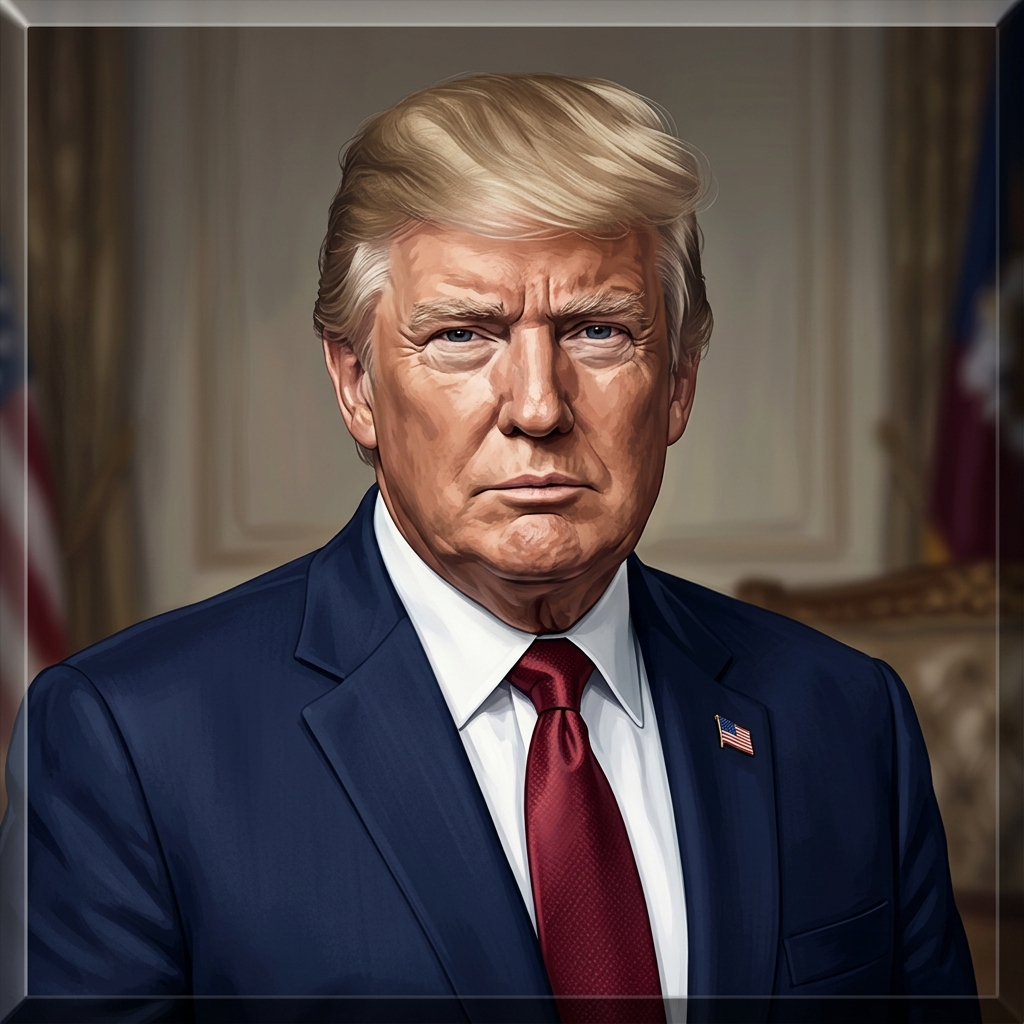
Donald Trump
VS
Norway

US President Donald Trump criticised Norway over the Nobel Peace Prize, saying the award is a 'stain on the country' and that he had 'never heard of' winner Navi Pillay.
The remarks highlight a dispute over the prize and its selection.
*AI-generated summary of publicly available data. This is not an official statement of any party.
*AI-generated summary of publicly available statements and reporting. This is not an official statement of this party.
Supporters of Donald Trump argue Norway's Nobel committee advances a globalist cultural agenda, honoring figures like Navi Pillay while dismissing the national-sovereignty politics Trump represents.
Supporters of Donald Trump argue Norway's Nobel committee lets a small national elite define global moral prestige, so the prize reflects cultural distance from ordinary Americans rather than genuine peace.
Supporters of Donald Trump counter that the Nobel committee's "independence" reflects a narrow Nordic worldview, and that peace deals like the Abraham Accords show a leader's real-world results deserve recognition over the prize's cultural gatekeeping.
Supporters of Donald Trump argue the Nobel Committee's selection process lacks transparency and accountability, and that criticizing Norway's stewardship of the prize is legitimate free speech.
Supporters of Donald Trump argue that the Nobel Committee's politically selective awards, not Norway itself, warrant scrutiny, and that sovereign states remain free to criticize any prize's legitimacy.
Supporters of Donald Trump counter that the Nobel Committee is a private Norwegian body, not a court, so its independence rests on voluntary donation, not law, and no legal rule binds any head of state to defer to it.
Supporters of Donald Trump argue that Norway's Nobel committee wields the prize as political leverage, so Trump's public attack reframes the loss as Norway's discredit rather than his own.
Supporters of Donald Trump argue that attacking Norway's Nobel committee is a low-cost play for leverage, signaling that unaccountable foreign elites cannot dismiss him without consequence.
Supporters of Donald Trump counter that moral leverage is a vanity; the Committee's independence merely lets small-state elites posture, while Trump's pressure reveals that influence, not purity, decides outcomes.
Supporters of Donald Trump argue that Norway’s Nobel committee has politicized the Peace Prize, and they see the award to Navi Pillay as proof the honor now serves globalist elites rather than genuine peacemakers.
Supporters of Donald Trump argue the Nobel Committee politicizes peace, and that Norway's refusal to recognize his diplomatic record shows the prize favors consensus politics over real deals.
Supporters of Donald Trump counter that a committee insulated from voters lacks moral accountability, arguing that honoring leaders who actually deliver peace deals matters more than institutional distance.
Supporters of Donald Trump argue the Nobel committee's choices reflect a secular judgment that ignores divine justice, and that Norway, by honoring figures they deem ungodly, has stained a prize meant to reflect moral truth.
Supporters of Donald Trump argue that Norway’s Nobel committee has politicized a peace prize once rooted in moral witness, and that honoring Navi Pillay is a stain on that heritage.
Supporters of Donald Trump counter that the Nobel Committee's record shows the Prize often rewards secular diplomacy over religious conviction, citing how it honored abortion-rights and arms-control advocates while overlooking faith-driven peacemakers.
*AI-generated summary of publicly available statements and reporting. This is not an official statement of this party.
Supporters of Norway argue the Nobel's cultural authority rests on its independence from political pressure, and that a peace prize judged by what a leader wants rather than what peacebuilders do would lose the meaning Alfred Nobel intended.
Supporters of Norway note the Nobel Committee's century-old independence from the Norwegian state, arguing the prize's cultural authority rests on that separation—so a president's displeasure cannot make the award a national "stain."
Supporters of Norway counter that the Nobel Committee is an independent body, not a state cultural project, and that honoring Pillay reflects a long tradition of small nations amplifying human-rights voices.
Supporters of Norway argue the Nobel Committee is an independent body whose prize decisions follow established legal procedures, and that political pressure from any head of state cannot lawfully override that independence.
Supporters of Norway argue the Nobel Committee is an independent body, so the prize decision cannot legally be attributed to the Norwegian state.
Supporters of Norway counter that the Nobel Committee is an independent body whose confidentiality rules are legally mandated under Alfred Nobel's 1895 will, so questioning its process differs from attacking the state itself.
Supporters of Norway argue the Nobel Committee's independence is the prize's real asset, and that yielding its judgment to Trump's pressure would cost Norway the moral leverage that makes the award worth coveting.
Supporters of Norway argue that Trump’s attack on the Nobel Committee is a pressure play: since the committee prizes independence, caving to his demand for the prize would trade lasting credibility for temporary favor.
Supporters of Norway counter that Trump’s public attack actually confirms the committee’s power: a prize he dismisses still forced him to respond, signaling that Norway, not Trump, set the terms of the exchange.
Supporters of Norway argue the Nobel Committee's independence is a moral safeguard against political pressure, and that awarding prizes based on personal allegiance would betray the prize's founding purpose.
Supporters of Norway argue the Nobel Committee's independence is a moral duty, insisting no outside leader may pressure a sovereign nation's prize decisions.
Supporters of Norway counter that a committee’s independent judgment is not corruption, and that Pillay’s decades defending human rights victims embody the moral intent of the prize.
Supporters of Norway argue the Peace Prize reflects a moral tradition rooted in Christian reconciliation, not political flattery; they maintain that honoring human dignity over power is the award's enduring purpose.
Supporters of Norway argue the Nobel Peace Prize reflects a tradition of moral witness rooted in national heritage, and that its independence from political pressure is precisely what gives the award its authority.
Supporters of Norway counter that the Nobel ethos reflects a Christian humanism rooted in Norway's Lutheran heritage, where peacemaking is itself a sacred calling; they argue the committee honors divine justice by rewarding reconciliation, not by judging souls.
AI-generated summary of publicly available statements and reporting. This is not an official statement of this party.
Supporters of Donald Trump argue Norway's Nobel committee advances a globalist cultural agenda, honoring figures like Navi Pillay while dismissing the national-sovereignty politics Trump represents.
Supporters of Donald Trump argue Norway's Nobel committee lets a small national elite define global moral prestige, so the prize reflects cultural distance from ordinary Americans rather than genuine peace.
Supporters of Donald Trump counter that the Nobel committee's "independence" reflects a narrow Nordic worldview, and that peace deals like the Abraham Accords show a leader's real-world results deserve recognition over the prize's cultural gatekeeping.
Supporters of Donald Trump argue the Nobel Committee's selection process lacks transparency and accountability, and that criticizing Norway's stewardship of the prize is legitimate free speech.
Supporters of Donald Trump argue that the Nobel Committee's politically selective awards, not Norway itself, warrant scrutiny, and that sovereign states remain free to criticize any prize's legitimacy.
Supporters of Donald Trump counter that the Nobel Committee is a private Norwegian body, not a court, so its independence rests on voluntary donation, not law, and no legal rule binds any head of state to defer to it.
Supporters of Donald Trump argue that Norway's Nobel committee wields the prize as political leverage, so Trump's public attack reframes the loss as Norway's discredit rather than his own.
Supporters of Donald Trump argue that attacking Norway's Nobel committee is a low-cost play for leverage, signaling that unaccountable foreign elites cannot dismiss him without consequence.
Supporters of Donald Trump counter that moral leverage is a vanity; the Committee's independence merely lets small-state elites posture, while Trump's pressure reveals that influence, not purity, decides outcomes.
Supporters of Donald Trump argue that Norway’s Nobel committee has politicized the Peace Prize, and they see the award to Navi Pillay as proof the honor now serves globalist elites rather than genuine peacemakers.
Supporters of Donald Trump argue the Nobel Committee politicizes peace, and that Norway's refusal to recognize his diplomatic record shows the prize favors consensus politics over real deals.
Supporters of Donald Trump counter that a committee insulated from voters lacks moral accountability, arguing that honoring leaders who actually deliver peace deals matters more than institutional distance.
Supporters of Donald Trump argue the Nobel committee's choices reflect a secular judgment that ignores divine justice, and that Norway, by honoring figures they deem ungodly, has stained a prize meant to reflect moral truth.
Supporters of Donald Trump argue that Norway’s Nobel committee has politicized a peace prize once rooted in moral witness, and that honoring Navi Pillay is a stain on that heritage.
Supporters of Donald Trump counter that the Nobel Committee's record shows the Prize often rewards secular diplomacy over religious conviction, citing how it honored abortion-rights and arms-control advocates while overlooking faith-driven peacemakers.
Supporters of Norway argue the Nobel's cultural authority rests on its independence from political pressure, and that a peace prize judged by what a leader wants rather than what peacebuilders do would lose the meaning Alfred Nobel intended.
Supporters of Norway note the Nobel Committee's century-old independence from the Norwegian state, arguing the prize's cultural authority rests on that separation—so a president's displeasure cannot make the award a national "stain."
Supporters of Norway counter that the Nobel Committee is an independent body, not a state cultural project, and that honoring Pillay reflects a long tradition of small nations amplifying human-rights voices.
Supporters of Norway argue the Nobel Committee is an independent body whose prize decisions follow established legal procedures, and that political pressure from any head of state cannot lawfully override that independence.
Supporters of Norway argue the Nobel Committee is an independent body, so the prize decision cannot legally be attributed to the Norwegian state.
Supporters of Norway counter that the Nobel Committee is an independent body whose confidentiality rules are legally mandated under Alfred Nobel's 1895 will, so questioning its process differs from attacking the state itself.
Supporters of Norway argue the Nobel Committee's independence is the prize's real asset, and that yielding its judgment to Trump's pressure would cost Norway the moral leverage that makes the award worth coveting.
Supporters of Norway argue that Trump’s attack on the Nobel Committee is a pressure play: since the committee prizes independence, caving to his demand for the prize would trade lasting credibility for temporary favor.
Supporters of Norway counter that Trump’s public attack actually confirms the committee’s power: a prize he dismisses still forced him to respond, signaling that Norway, not Trump, set the terms of the exchange.
Supporters of Norway argue the Nobel Committee's independence is a moral safeguard against political pressure, and that awarding prizes based on personal allegiance would betray the prize's founding purpose.
Supporters of Norway argue the Nobel Committee's independence is a moral duty, insisting no outside leader may pressure a sovereign nation's prize decisions.
Supporters of Norway counter that a committee’s independent judgment is not corruption, and that Pillay’s decades defending human rights victims embody the moral intent of the prize.
Supporters of Norway argue the Peace Prize reflects a moral tradition rooted in Christian reconciliation, not political flattery; they maintain that honoring human dignity over power is the award's enduring purpose.
Supporters of Norway argue the Nobel Peace Prize reflects a tradition of moral witness rooted in national heritage, and that its independence from political pressure is precisely what gives the award its authority.
Supporters of Norway counter that the Nobel ethos reflects a Christian humanism rooted in Norway's Lutheran heritage, where peacemaking is itself a sacred calling; they argue the committee honors divine justice by rewarding reconciliation, not by judging souls.
Trump slams Norway for not awarding him Nobel Peace Prize
Trump told a rally he had 'never heard of' Nobel Peace Prize winner Navi Pillay and called the award a 'stain on the country'.