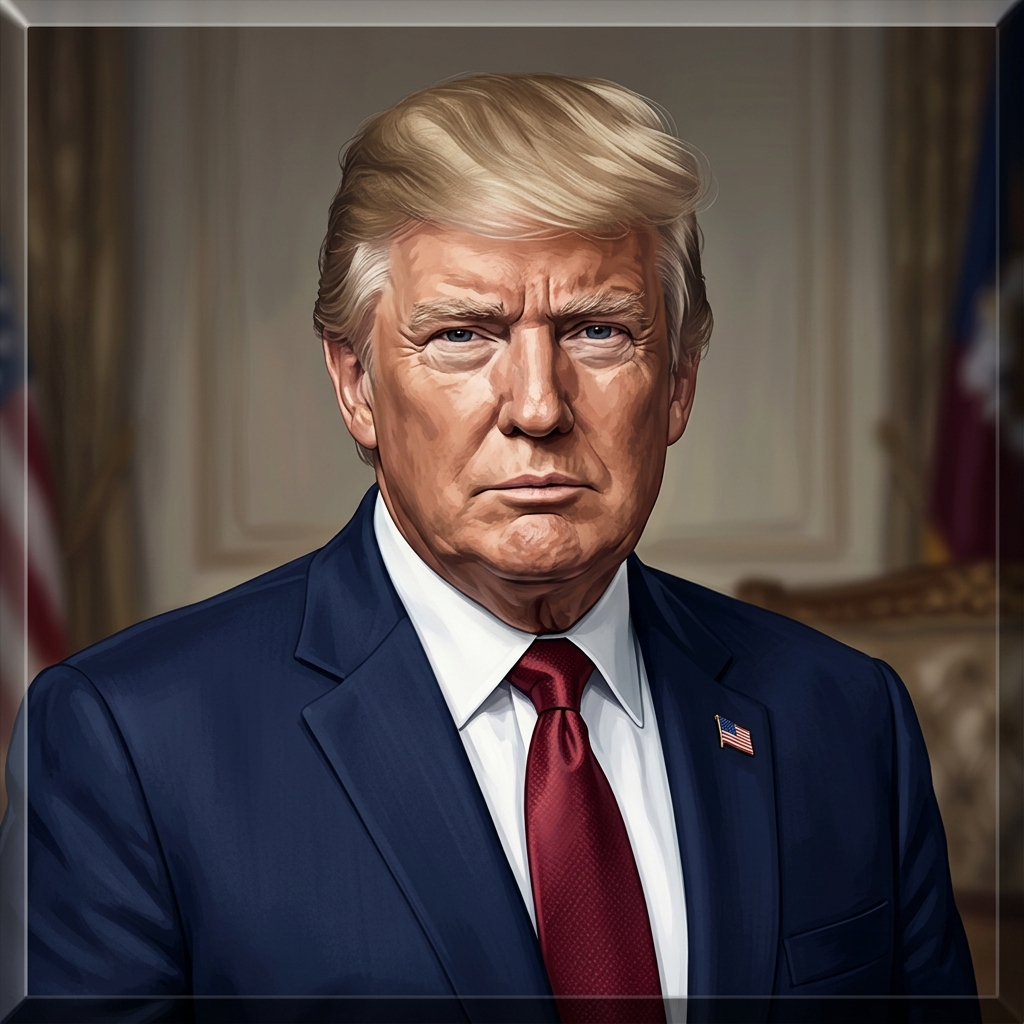
Donald Trump
VS
Oman

Donald Trump is the President of the United States, a position he holds as of the events described.
Oman is a Gulf Arab country and a longtime American ally, known for its quiet diplomacy and its role as a mediator in regional conflicts.
The two are at odds over the Strait of Hormuz, a strategic waterway through which a significant portion of the world's oil passes.
Their conflict centers on the Strait of Hormuz and Iran.
The United States has demanded the full reopening of the waterway, while Iran and Oman have been in talks about jointly managing shipping through it, including reports of a plan to charge a toll for ships.
Trump has threatened to bomb Oman if it interferes with U.S. efforts or gets in the way of a deal to open the strait, escalating tensions between the two countries.
*AI-generated summary of publicly available data. This is not an official statement of any party.
*AI-generated summary of publicly available statements and reporting. This is not an official statement of this party.
Supporters of Donald Trump argue that Oman’s dialogue with Iran abandons the region’s established security order, treating a historic maritime lifeline as a bargaining chip.
Supporters of Donald Trump argue that Oman’s diplomacy with Iran undermines the established order safeguarding the Strait of Hormuz, threatening regional stability and inherited security pacts.
Supporters of Donald Trump counter that Oman's maritime mediation tradition, while storied, does not override the Gulf's pressing need for unified opposition to Iran's expansionist agenda.
Supporters of Donald Trump argue that the president's threat rests on the legal authority of the commander-in-chief to defend vital national security interests, viewing Oman's negotiations with Iran as a challenge to US naval primacy.
Supporters of Donald Trump argue that his threat rests on lawful presidential war powers, framing Oman’s Iran talks as aiding a hostile actor and thus justifying coercive diplomacy under self-defense.
Supporters of Donald Trump counter that the UN Charter’s use-of-force rules yield to a president’s constitutional duty to protect U.S. citizens, and that Oman’s alleged harboring of threats triggers a legitimate self-defense claim under Article 51.
Supporters of Donald Trump argue the threat is pure leverage: Oman’s talks with Iran hand Tehran a diplomatic shield, so Trump signals that neutrality carries a price, forcing Muscat to choose between American power and Persian promises.
Supporters of Donald Trump argue the threat is pure leverage: Oman’s talks with Iran signal weakness, and the president’s blunt warning forces Muscat to choose between Tehran’s broken promises and Washington’s decisive power.
Supporters of Donald Trump counter that Gulf states’ dependence on the Strait cuts both ways, leaving them no choice but to back Washington’s pressure campaign against Oman.
Supporters of Donald Trump argue that threatening Oman is a moral stand against appeasement, insisting that rewarding Tehran’s aggression by negotiating access to the Strait of Hormuz betrays American credibility and regional security.
Supporters of Donald Trump argue that threatening Oman is a moral stand against appeasement, insisting that enabling Tehran’s control of the Strait of Hormuz rewards aggression and endangers global security.
Supporters of Donald Trump counter that appeasing Iran repeats the failed 2015 deal, rewarding a regime that has broken every promise.
Supporters of Donald Trump frame the threat as a defense of divinely ordained order, arguing that Oman's talks with Iran defy providence by aiding a rogue regime.
Supporters of Donald Trump argue that his threat to bomb Oman reflects a divine mandate to protect global order, citing scripture that rulers bear the sword against those who align with evil.
Supporters of Donald Trump counter that true peace requires confronting evil, not merely hosting talks, and cite scripture's call to defend the innocent against aggression.
*AI-generated summary of publicly available statements and reporting. This is not an official statement of this party.
Supporters of Oman argue that the nation's cultural identity as a historic maritime mediator is being trampled by Trump's threat, viewing Muscat's dialogue with Tehran as a rightful exercise of sovereign diplomacy rooted in centuries of Gulf trade tradition.
Supporters of Oman argue that its centuries-old role as a Gulf mediator reflects a distinct cultural identity of diplomacy, not submission to Iran.
Supporters of Oman counter that dialogue with Iran is a centuries-old cultural practice of maritime trade and diplomacy, not a rupture of security, but a continuation of the nation's identity as a neutral bridge in the Gulf.
Supporters of Oman argue that Trump's threat violates international law, specifically the UN Charter's prohibition on the use of force against sovereign states absent Security Council authorization or self-defense.
Supporters of Oman argue that Washington's threat violates the UN Charter's prohibition on the use of force against a sovereign state, as Muscat's diplomacy with Tehran is lawful and unprovoked.
Supporters of Oman counter that the commander-in-chief's authority does not extend to coercing a sovereign state's lawful diplomatic engagement, citing international law and treaty obligations that protect Oman's right to independent foreign policy.
Supporters of Oman argue that Trump's threat exposes a weak hand, not strength, as bombing Muscat would alienate every Gulf state that depends on the Strait's stability.
Supporters of Oman argue that Trump’s threat is pure coercion, punishing a small state for pragmatic diplomacy that keeps regional oil flowing and avoids a wider war.
Supporters of Oman counter that leverage cuts both ways: Muscat’s Iran channel is its only hedge against Washington’s transactional whims, and Trump’s pressure merely pushes the sultanate closer to Tehran’s orbit, where real security guarantees—not tweets—are secured.
Supporters of Oman argue that its talks with Iran are a lawful bid to reopen a vital waterway, and that Trump’s bombing threat punishes diplomacy while ignoring the humanitarian cost of closed straits.
Supporters of Oman argue that threatening a neutral mediator with bombing is morally indefensible, as Muscat's talks with Tehran seek a peaceful reopening of the Strait.
Supporters of Oman counter that coercive threats risk moral culpability, as pressuring a neutral mediator undermines the sultanate’s long-standing role in de-escalating regional crises, a practical good that outweighs symbolic toughness.
Supporters of Oman argue that the sultanate's mediation honors its historic role as a peacemaker, upholding Islamic and traditional values of dialogue over destruction.
Supporters of Oman argue that its mediation honors the Islamic duty of pursuing peace, and that threatening a neutral nation for facilitating dialogue defies the moral order that governs just relations between states.
Supporters of Oman counter that engaging Iran reflects a Qur'anic duty toward peaceful dialogue, not defiance, citing the Prophet's precedent of treaties with adversaries.
AI-generated summary of publicly available statements and reporting. This is not an official statement of this party.
Supporters of Donald Trump argue that Oman’s dialogue with Iran abandons the region’s established security order, treating a historic maritime lifeline as a bargaining chip.
Supporters of Donald Trump argue that Oman’s diplomacy with Iran undermines the established order safeguarding the Strait of Hormuz, threatening regional stability and inherited security pacts.
Supporters of Donald Trump counter that Oman's maritime mediation tradition, while storied, does not override the Gulf's pressing need for unified opposition to Iran's expansionist agenda.
Supporters of Donald Trump argue that the president's threat rests on the legal authority of the commander-in-chief to defend vital national security interests, viewing Oman's negotiations with Iran as a challenge to US naval primacy.
Supporters of Donald Trump argue that his threat rests on lawful presidential war powers, framing Oman’s Iran talks as aiding a hostile actor and thus justifying coercive diplomacy under self-defense.
Supporters of Donald Trump counter that the UN Charter’s use-of-force rules yield to a president’s constitutional duty to protect U.S. citizens, and that Oman’s alleged harboring of threats triggers a legitimate self-defense claim under Article 51.
Supporters of Donald Trump argue the threat is pure leverage: Oman’s talks with Iran hand Tehran a diplomatic shield, so Trump signals that neutrality carries a price, forcing Muscat to choose between American power and Persian promises.
Supporters of Donald Trump argue the threat is pure leverage: Oman’s talks with Iran signal weakness, and the president’s blunt warning forces Muscat to choose between Tehran’s broken promises and Washington’s decisive power.
Supporters of Donald Trump counter that Gulf states’ dependence on the Strait cuts both ways, leaving them no choice but to back Washington’s pressure campaign against Oman.
Supporters of Donald Trump argue that threatening Oman is a moral stand against appeasement, insisting that rewarding Tehran’s aggression by negotiating access to the Strait of Hormuz betrays American credibility and regional security.
Supporters of Donald Trump argue that threatening Oman is a moral stand against appeasement, insisting that enabling Tehran’s control of the Strait of Hormuz rewards aggression and endangers global security.
Supporters of Donald Trump counter that appeasing Iran repeats the failed 2015 deal, rewarding a regime that has broken every promise.
Supporters of Donald Trump frame the threat as a defense of divinely ordained order, arguing that Oman's talks with Iran defy providence by aiding a rogue regime.
Supporters of Donald Trump argue that his threat to bomb Oman reflects a divine mandate to protect global order, citing scripture that rulers bear the sword against those who align with evil.
Supporters of Donald Trump counter that true peace requires confronting evil, not merely hosting talks, and cite scripture's call to defend the innocent against aggression.
Supporters of Oman argue that the nation's cultural identity as a historic maritime mediator is being trampled by Trump's threat, viewing Muscat's dialogue with Tehran as a rightful exercise of sovereign diplomacy rooted in centuries of Gulf trade tradition.
Supporters of Oman argue that its centuries-old role as a Gulf mediator reflects a distinct cultural identity of diplomacy, not submission to Iran.
Supporters of Oman counter that dialogue with Iran is a centuries-old cultural practice of maritime trade and diplomacy, not a rupture of security, but a continuation of the nation's identity as a neutral bridge in the Gulf.
Supporters of Oman argue that Trump's threat violates international law, specifically the UN Charter's prohibition on the use of force against sovereign states absent Security Council authorization or self-defense.
Supporters of Oman argue that Washington's threat violates the UN Charter's prohibition on the use of force against a sovereign state, as Muscat's diplomacy with Tehran is lawful and unprovoked.
Supporters of Oman counter that the commander-in-chief's authority does not extend to coercing a sovereign state's lawful diplomatic engagement, citing international law and treaty obligations that protect Oman's right to independent foreign policy.
Supporters of Oman argue that Trump's threat exposes a weak hand, not strength, as bombing Muscat would alienate every Gulf state that depends on the Strait's stability.
Supporters of Oman argue that Trump’s threat is pure coercion, punishing a small state for pragmatic diplomacy that keeps regional oil flowing and avoids a wider war.
Supporters of Oman counter that leverage cuts both ways: Muscat’s Iran channel is its only hedge against Washington’s transactional whims, and Trump’s pressure merely pushes the sultanate closer to Tehran’s orbit, where real security guarantees—not tweets—are secured.
Supporters of Oman argue that its talks with Iran are a lawful bid to reopen a vital waterway, and that Trump’s bombing threat punishes diplomacy while ignoring the humanitarian cost of closed straits.
Supporters of Oman argue that threatening a neutral mediator with bombing is morally indefensible, as Muscat's talks with Tehran seek a peaceful reopening of the Strait.
Supporters of Oman counter that coercive threats risk moral culpability, as pressuring a neutral mediator undermines the sultanate’s long-standing role in de-escalating regional crises, a practical good that outweighs symbolic toughness.
Supporters of Oman argue that the sultanate's mediation honors its historic role as a peacemaker, upholding Islamic and traditional values of dialogue over destruction.
Supporters of Oman argue that its mediation honors the Islamic duty of pursuing peace, and that threatening a neutral nation for facilitating dialogue defies the moral order that governs just relations between states.
Supporters of Oman counter that engaging Iran reflects a Qur'anic duty toward peaceful dialogue, not defiance, citing the Prophet's precedent of treaties with adversaries.
US President Donald Trump has threatened to bomb Oman, as Muscat and Tehran press ahead with talks aimed at reopening the Strait of Hormuz Read Full Article at RT.com
Trump again threatened to bomb Oman if it interferes in a deal to open the Strait of Hormuz, as Iran said it was working with Oman on a plan to manage shipping through the waterway.
The New York Times published an analysis of how Oman, a longtime American ally, found itself in Trump's crosshairs after his threat to bomb the country.
US President Donald Trump threatened to bomb Oman after reports emerged of talks between Iran and Oman about jointly charging a toll for ships passing through the Strait of Hormuz.