Donald Trump
VS
Tech firms and researchers
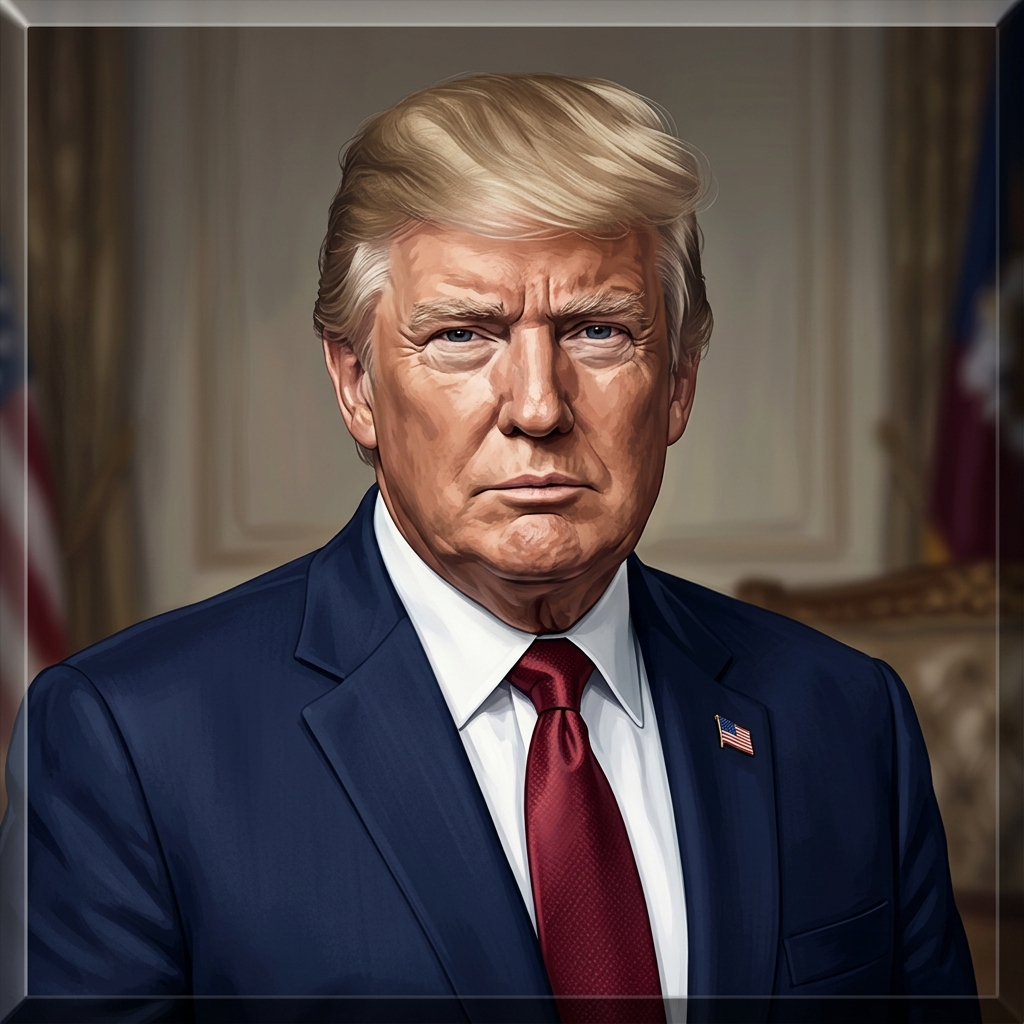
Donald Trump is the President of the United States, who has directed federal agencies to use the term "Super Intelligence" instead of "artificial intelligence," arguing that "artificial" sounds "fake." Tech firms and researchers are the companies and scientists developing AI systems, including executives from leading firms who met with Trump at the White House.
The two sides disagree over the terminology for AI.
Trump has ordered agencies to adopt "Super Intelligence," while tech firms and researchers have shown little willingness to adopt the new term, continuing to use "artificial intelligence" in their work and public communications.
During a White House meeting with tech executives, Trump announced that companies had signed a voluntary accord to "self-police" AI development.
However, following the meeting, the industry remained largely unchanged on AI safety, and the dispute over the name persists.
*AI-generated summary of publicly available data. This is not an official statement of any party.
*AI-generated summary of publicly available statements and reporting. This is not an official statement of this party.
Supporters of Donald Trump argue that renaming artificial intelligence "Super Intelligence" reflects cultural pride in American innovation, framing the term as honoring national achievement rather than diminishing it.
Supporters of Donald Trump argue the rename is a cultural correction: "artificial" implies imitation, while "Super Intelligence" honors the pursuit of excellence and America's leadership in innovation.
Supporters of Donald Trump counter that ordinary citizens, not credentialed researchers, own the language of public life, and that communities long talked over by academic elites welcome a return of common sense to official vocabulary.
Supporters of Donald Trump argue the president has legal authority to direct federal agencies' terminology, and that agencies, not private tech firms, must follow executive directives.
Supporters of Donald Trump argue the rename is lawful executive direction over federal agency terminology, and that agencies remain free to adopt it while private firms face no legal penalty for declining.
Supporters of Donald Trump counter that federal funding and contracts give agencies lawful leverage, so firms challenging the renaming risk losing billions in public business.
Supporters of Donald Trump argue that renaming AI "Super Intelligence" is a framing move to control the narrative and signal American dominance, since whoever defines the language sets the terms others must follow.
Supporters of Donald Trump argue renaming AI to "Super Intelligence" is a power move: controlling the language frames the agenda, and tech firms' resistance shows they know whoever names the technology shapes who governs it.
Supporters of Donald Trump counter that tech firms already wield naming as leverage, and ceding that power to unelected researchers simply hides the political choices behind jargon while denying voters a say.
Supporters of Donald Trump argue that words carry moral weight, and calling machine intelligence "artificial" falsely brands it as counterfeit rather than a genuine power.
Supporters of Donald Trump argue that calling it "Super Intelligence" honors truth in language, since "artificial" wrongly implies something fake rather than a God-given human achievement.
Supporters of Donald Trump counter that moral honesty means naming power plainly, and they argue that refusing the term "Super Intelligence" evades accountability for creating systems that rival human judgment.
Supporters of Donald Trump argue that naming things truthfully reflects the divine order in scripture, where words carry moral weight. They maintain that "Super Intelligence" honors God-given human reason, while "artificial" falsely implies a counterfeit of creation.
Supporters of Donald Trump frame his push to rename AI as "Super Intelligence" in moral terms, arguing that language should honor the God-given gift of human reason rather than label it "artificial."
Supporters of Donald Trump counter that humanity, made in God's image, holds dominion over creation, so naming a machine "Super Intelligence" wrongly exalts a made thing above its maker.
*AI-generated summary of publicly available statements and reporting. This is not an official statement of this party.
Supporters of Tech firms and researchers argue that terminology belongs to the scientific community, not the state; they recall past political attempts to rename settled concepts and see this order as precedent for political interference in research culture.
Supporters of tech firms and researchers argue that “artificial intelligence” is embedded in global academic and industry culture, so renaming it by decree would fracture shared terminology rather than clarify meaning.
Supporters of tech firms and researchers counter that rebranding AI as "Super Intelligence" echoes past moments when political branding of science, like Lysenkoism, sidelined expert culture and set innovation back.
Supporters of tech firms argue the renaming is a legally unenforceable executive directive; agencies can rebrand terminology, but firms contend no statute compels private adoption.
Supporters of tech firms and researchers argue that terminology in federal agencies is set by statute and procurement rules, not unilateral order, so they maintain the rename lacks legal force.
Supporters of Tech firms and researchers counter that Congress, not the president, controls agency terminology through statutes and appropriations, so an executive directive cannot override binding legislative language.
Supporters of tech firms and researchers argue that ceding naming control to Trump invites political framing of technical work, so they quietly keep "artificial intelligence" to preserve research credibility and funding leverage.
Supporters of tech firms and researchers argue that ceding naming control to Trump risks letting political branding, not technical accuracy, define the field—so they quietly refuse, protecting their authority over the terms that shape funding and regulation.
Supporters of tech firms and researchers counter that whoever sets the vocabulary also gains leverage over budgets and rules, so they too rename and reframe to secure standing, not merely to describe the technology.
Supporters of tech firms and researchers argue that renaming AI "Super Intelligence" is dishonest branding that could mislead the public about real environmental and safety risks, so they decline to adopt the term.
Supporters of the tech firms and researchers argue that renaming AI by decree substitutes political branding for scientific accuracy, and that terminology should reflect evidence, not authority.
Supporters of tech firms and researchers counter that the moral weight lies with ecological stewardship: "artificial" signals resource-intensive systems, so naming them honestly upholds accountability to planetary limits.
Supporters of tech firms argue that renaming AI "Super Intelligence" by decree confuses a technical field with theological language, treating a human tool as a transcendent power rather than a created thing.
Supporters of tech firms and researchers argue the naming of intelligence belongs to established scientific tradition, not political decree, and that inherited technical vocabulary should not be rewritten for rhetorical convenience.
Supporters of Tech firms and researchers counter that scripture also warns against confusing the creature with the Creator, so labeling a human-built system "Super Intelligence" risks the very idolatry Trump's allies claim to oppose.
AI-generated summary of publicly available statements and reporting. This is not an official statement of this party.
Supporters of Donald Trump argue that renaming artificial intelligence "Super Intelligence" reflects cultural pride in American innovation, framing the term as honoring national achievement rather than diminishing it.
Supporters of Donald Trump argue the rename is a cultural correction: "artificial" implies imitation, while "Super Intelligence" honors the pursuit of excellence and America's leadership in innovation.
Supporters of Donald Trump counter that ordinary citizens, not credentialed researchers, own the language of public life, and that communities long talked over by academic elites welcome a return of common sense to official vocabulary.
Supporters of Donald Trump argue the president has legal authority to direct federal agencies' terminology, and that agencies, not private tech firms, must follow executive directives.
Supporters of Donald Trump argue the rename is lawful executive direction over federal agency terminology, and that agencies remain free to adopt it while private firms face no legal penalty for declining.
Supporters of Donald Trump counter that federal funding and contracts give agencies lawful leverage, so firms challenging the renaming risk losing billions in public business.
Supporters of Donald Trump argue that renaming AI "Super Intelligence" is a framing move to control the narrative and signal American dominance, since whoever defines the language sets the terms others must follow.
Supporters of Donald Trump argue renaming AI to "Super Intelligence" is a power move: controlling the language frames the agenda, and tech firms' resistance shows they know whoever names the technology shapes who governs it.
Supporters of Donald Trump counter that tech firms already wield naming as leverage, and ceding that power to unelected researchers simply hides the political choices behind jargon while denying voters a say.
Supporters of Donald Trump argue that words carry moral weight, and calling machine intelligence "artificial" falsely brands it as counterfeit rather than a genuine power.
Supporters of Donald Trump argue that calling it "Super Intelligence" honors truth in language, since "artificial" wrongly implies something fake rather than a God-given human achievement.
Supporters of Donald Trump counter that moral honesty means naming power plainly, and they argue that refusing the term "Super Intelligence" evades accountability for creating systems that rival human judgment.
Supporters of Donald Trump argue that naming things truthfully reflects the divine order in scripture, where words carry moral weight. They maintain that "Super Intelligence" honors God-given human reason, while "artificial" falsely implies a counterfeit of creation.
Supporters of Donald Trump frame his push to rename AI as "Super Intelligence" in moral terms, arguing that language should honor the God-given gift of human reason rather than label it "artificial."
Supporters of Donald Trump counter that humanity, made in God's image, holds dominion over creation, so naming a machine "Super Intelligence" wrongly exalts a made thing above its maker.
Supporters of Tech firms and researchers argue that terminology belongs to the scientific community, not the state; they recall past political attempts to rename settled concepts and see this order as precedent for political interference in research culture.
Supporters of tech firms and researchers argue that “artificial intelligence” is embedded in global academic and industry culture, so renaming it by decree would fracture shared terminology rather than clarify meaning.
Supporters of tech firms and researchers counter that rebranding AI as "Super Intelligence" echoes past moments when political branding of science, like Lysenkoism, sidelined expert culture and set innovation back.
Supporters of tech firms argue the renaming is a legally unenforceable executive directive; agencies can rebrand terminology, but firms contend no statute compels private adoption.
Supporters of tech firms and researchers argue that terminology in federal agencies is set by statute and procurement rules, not unilateral order, so they maintain the rename lacks legal force.
Supporters of Tech firms and researchers counter that Congress, not the president, controls agency terminology through statutes and appropriations, so an executive directive cannot override binding legislative language.
Supporters of tech firms and researchers argue that ceding naming control to Trump invites political framing of technical work, so they quietly keep "artificial intelligence" to preserve research credibility and funding leverage.
Supporters of tech firms and researchers argue that ceding naming control to Trump risks letting political branding, not technical accuracy, define the field—so they quietly refuse, protecting their authority over the terms that shape funding and regulation.
Supporters of tech firms and researchers counter that whoever sets the vocabulary also gains leverage over budgets and rules, so they too rename and reframe to secure standing, not merely to describe the technology.
Supporters of tech firms and researchers argue that renaming AI "Super Intelligence" is dishonest branding that could mislead the public about real environmental and safety risks, so they decline to adopt the term.
Supporters of the tech firms and researchers argue that renaming AI by decree substitutes political branding for scientific accuracy, and that terminology should reflect evidence, not authority.
Supporters of tech firms and researchers counter that the moral weight lies with ecological stewardship: "artificial" signals resource-intensive systems, so naming them honestly upholds accountability to planetary limits.
Supporters of tech firms argue that renaming AI "Super Intelligence" by decree confuses a technical field with theological language, treating a human tool as a transcendent power rather than a created thing.
Supporters of tech firms and researchers argue the naming of intelligence belongs to established scientific tradition, not political decree, and that inherited technical vocabulary should not be rewritten for rhetorical convenience.
Supporters of Tech firms and researchers counter that scripture also warns against confusing the creature with the Creator, so labeling a human-built system "Super Intelligence" risks the very idolatry Trump's allies claim to oppose.
Donald Trump orders US agencies to use 'Super Intelligence' instead of 'artificial intelligence'.
Trump stated that leading tech firms had signed an accord to "self-police" AI development, following a lunch with tech CEOs at the White House.
After Trump's meeting with AI leaders, the industry remained largely unchanged on AI safety, with no significant new safety measures adopted.
US President Donald Trump met with top tech executives, including Mark Zuckerberg and Anthropic's Dario Amodei, and announced that they agreed to establish voluntary standards for AI development.