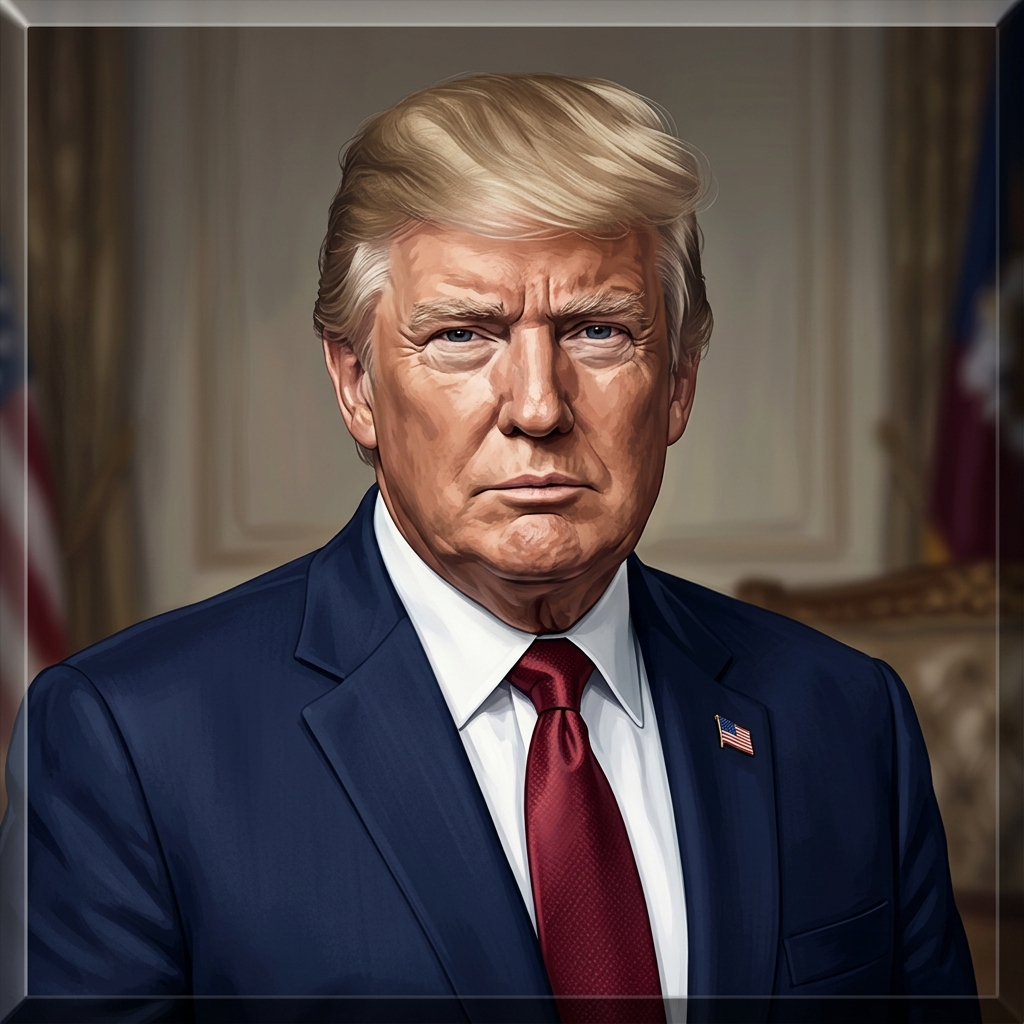
Donald Trump
VS
Voting rights advocates

Donald Trump is the former President of the United States and a prominent political figure known for his claims of widespread voter fraud and his support for stricter voting regulations.
Voting rights advocates are individuals and organizations, such as the American Civil Liberties Union (ACLU), the Brennan Center for Justice, and the League of Women Voters, who work to protect and expand access to the ballot, opposing measures they believe suppress voter turnout and disenfranchise eligible voters.
The conflict centers on Trump's efforts to restrict mail-in voting and implement stricter voting laws, which he argues are necessary to prevent election fraud.
Voting rights advocates contend that these measures are based on unsubstantiated claims and would suppress voter turnout, particularly among minority and marginalized communities, undermining democratic participation.
They also point to Trump's use of executive orders and potential Department of Justice investigations as tools to intimidate voters and election officials.
The stakes are high, as these disputes affect the integrity and accessibility of the U.S. electoral system.
Voting rights advocates warn that such restrictions could disenfranchise millions of eligible voters, while Trump and his allies maintain that safeguards are needed to ensure election security.
The issue has also involved legal battles, with courts sometimes intervening to block or modify proposed restrictions.
*AI-generated summary of publicly available data. This is not an official statement of any party.
*AI-generated summary of publicly available statements and reporting. This is not an official statement of this party.
Supporters of Donald Trump argue that safeguarding election integrity is a cultural duty, preserving the civic ritual of in-person voting that anchors community trust.
Supporters of Donald Trump argue that mail-in ballot restrictions defend the integrity of America’s electoral tradition, which has long rested on in-person voting as a civic ritual.
Supporters of Donald Trump counter that mail-in voting’s frontier roots do not justify modern expansion, as today’s mass mail ballots undermine the cultural ritual of Election Day—a shared civic moment that binds communities through in-person participation.
Supporters of Donald Trump argue his mail-in voting restrictions are legally justified as election-integrity safeguards, citing the Postal Service's Aug 22, 2026 action as lawful administrative discretion, and they maintain courts should defer to executive authority over election.
Supporters of Donald Trump argue that his mail-in voting restrictions are legally justified as election-integrity safeguards, pointing to the Postal Service's compliance as evidence of lawful procedure over judicial overreach.
Supporters of Donald Trump counter that the Postal Service’s operational changes fall within executive authority, and that courts have upheld agency discretion over mail delivery, not ballot deadlines, leaving statutory voting protections intact.
Supporters of Donald Trump argue that mail-in voting is a power lever, not a civic ritual, and that restricting it is a pragmatic move to secure election integrity and control the battlefield.
Supporters of Donald Trump argue his mail-in voting curbs are raw power politics: control the ballot pipeline and you control the outcome, with fraud prevention as the convenient cover.
Supporters of Donald Trump counter that mail-in restrictions are a pragmatic response to real vulnerabilities, not a power grab; they argue fraud claims are a rational tool to tighten a system where trust is already fractured, and securing election mechanics is the only way to pr.
Supporters of Donald Trump argue that securing election integrity is a moral duty, outweighing convenience in voting.
Supporters of Donald Trump argue that safeguarding ballot integrity is a moral duty, not suppression, and that preventing fraud protects every legitimate vote.
Supporters of Donald Trump counter that equal access must be balanced with ballot integrity, arguing that unverified mail-in voting risks diluting every legitimate vote, which is the deeper moral harm to democratic fairness.
Supporters of Donald Trump argue that protecting election integrity is a moral duty, citing scripture on righteous governance and stewardship of justice.
Supporters of Donald Trump argue that safeguarding election integrity is a moral duty, citing scripture’s call for justice and honest administration, and view mail-in restrictions as protecting the divine order of fair voting.
Supporters of Donald Trump counter that the scriptural call for every voice demands election integrity, not mere access, citing Proverbs 29:2—righteous governance requires lawful, secure ballots, and mail-in voting invites chaos that undermines divine order.
*AI-generated summary of publicly available statements and reporting. This is not an official statement of this party.
Supporters of Voting rights advocates argue that mail-in voting is a civic tradition rooted in America's frontier past, and restricting it erodes a cultural commitment to accessible participation.
Supporters of Voting rights advocates argue that mail-in voting is a cherished American tradition, rooted in Civil War-era precedent, and that Trump’s restrictions break with that cultural norm of accessible participation.
Supporters of Voting rights advocates counter that the cultural duty lies in expanding access, not restricting it, citing past exclusions like poll taxes and literacy tests as cycles history warns against repeating.
Supporters of voting rights advocates argue that the Postal Service’s restrictions defy court rulings, undermining legal safeguards for mail-in ballots and violating statutory voting access protections.
Supporters of Voting rights advocates argue that mail-in voting restrictions violate the legal right to vote by imposing burdens without evidence of widespread fraud.
Voting rights advocates counter that the Postal Service’s Aug 22, 2026 action lacks statutory authority, as federal law assigns election administration to states, not executive agencies, and courts have long struck down such unilateral mail-ballot limits as an infringement on con.
Supporters of Voting rights advocates argue Trump’s mail-in restrictions are a power grab, using fraud claims as cover to shrink the electorate and consolidate control over election mechanics.
Supporters of Voting rights advocates argue Trump's mail-in restrictions are less about fraud prevention than consolidating control over the electoral machinery, using logistical hurdles to shrink turnout among demographics least likely to overcome them.
Supporters of voting rights advocates counter that Trump’s integrity claim masks a raw power grab, noting no evidence of widespread mail-in fraud exists.
Supporters of Voting rights advocates argue that restricting mail-in voting is a moral failure, as it erects barriers that disproportionately silence marginalized communities and weaken the democratic principle of equal access to the ballot.
Supporters of Voting rights advocates argue that restricting mail-in ballots is a moral failure, because voting is a fundamental right, not a privilege to be rationed.
Voting rights advocates counter that election integrity is a hollow promise when it suppresses legitimate voices; they argue that a moral duty to democracy demands equal access, not barriers dressed as security.
Supporters of Voting rights advocates view voting as a sacred civic duty, arguing that mail-in ballots honor the scriptural call for every voice to be heard in the community’s covenant.
Supporters of Voting rights advocates argue that voting is a sacred civic duty, and that every citizen’s voice is a divine trust; restricting mail-in ballots, they contend, erects barriers that violate this moral covenant.
Supporters of Voting rights advocates counter that scripture also commands welcoming the stranger and lifting the oppressed, and that erecting barriers to the ballot betrays that call.
AI-generated summary of publicly available statements and reporting. This is not an official statement of this party.
Supporters of Donald Trump argue that safeguarding election integrity is a cultural duty, preserving the civic ritual of in-person voting that anchors community trust.
Supporters of Donald Trump argue that mail-in ballot restrictions defend the integrity of America’s electoral tradition, which has long rested on in-person voting as a civic ritual.
Supporters of Donald Trump counter that mail-in voting’s frontier roots do not justify modern expansion, as today’s mass mail ballots undermine the cultural ritual of Election Day—a shared civic moment that binds communities through in-person participation.
Supporters of Donald Trump argue his mail-in voting restrictions are legally justified as election-integrity safeguards, citing the Postal Service's Aug 22, 2026 action as lawful administrative discretion, and they maintain courts should defer to executive authority over election.
Supporters of Donald Trump argue that his mail-in voting restrictions are legally justified as election-integrity safeguards, pointing to the Postal Service's compliance as evidence of lawful procedure over judicial overreach.
Supporters of Donald Trump counter that the Postal Service’s operational changes fall within executive authority, and that courts have upheld agency discretion over mail delivery, not ballot deadlines, leaving statutory voting protections intact.
Supporters of Donald Trump argue that mail-in voting is a power lever, not a civic ritual, and that restricting it is a pragmatic move to secure election integrity and control the battlefield.
Supporters of Donald Trump argue his mail-in voting curbs are raw power politics: control the ballot pipeline and you control the outcome, with fraud prevention as the convenient cover.
Supporters of Donald Trump counter that mail-in restrictions are a pragmatic response to real vulnerabilities, not a power grab; they argue fraud claims are a rational tool to tighten a system where trust is already fractured, and securing election mechanics is the only way to pr.
Supporters of Donald Trump argue that securing election integrity is a moral duty, outweighing convenience in voting.
Supporters of Donald Trump argue that safeguarding ballot integrity is a moral duty, not suppression, and that preventing fraud protects every legitimate vote.
Supporters of Donald Trump counter that equal access must be balanced with ballot integrity, arguing that unverified mail-in voting risks diluting every legitimate vote, which is the deeper moral harm to democratic fairness.
Supporters of Donald Trump argue that protecting election integrity is a moral duty, citing scripture on righteous governance and stewardship of justice.
Supporters of Donald Trump argue that safeguarding election integrity is a moral duty, citing scripture’s call for justice and honest administration, and view mail-in restrictions as protecting the divine order of fair voting.
Supporters of Donald Trump counter that the scriptural call for every voice demands election integrity, not mere access, citing Proverbs 29:2—righteous governance requires lawful, secure ballots, and mail-in voting invites chaos that undermines divine order.
Supporters of Voting rights advocates argue that mail-in voting is a civic tradition rooted in America's frontier past, and restricting it erodes a cultural commitment to accessible participation.
Supporters of Voting rights advocates argue that mail-in voting is a cherished American tradition, rooted in Civil War-era precedent, and that Trump’s restrictions break with that cultural norm of accessible participation.
Supporters of Voting rights advocates counter that the cultural duty lies in expanding access, not restricting it, citing past exclusions like poll taxes and literacy tests as cycles history warns against repeating.
Supporters of voting rights advocates argue that the Postal Service’s restrictions defy court rulings, undermining legal safeguards for mail-in ballots and violating statutory voting access protections.
Supporters of Voting rights advocates argue that mail-in voting restrictions violate the legal right to vote by imposing burdens without evidence of widespread fraud.
Voting rights advocates counter that the Postal Service’s Aug 22, 2026 action lacks statutory authority, as federal law assigns election administration to states, not executive agencies, and courts have long struck down such unilateral mail-ballot limits as an infringement on con.
Supporters of Voting rights advocates argue Trump’s mail-in restrictions are a power grab, using fraud claims as cover to shrink the electorate and consolidate control over election mechanics.
Supporters of Voting rights advocates argue Trump's mail-in restrictions are less about fraud prevention than consolidating control over the electoral machinery, using logistical hurdles to shrink turnout among demographics least likely to overcome them.
Supporters of voting rights advocates counter that Trump’s integrity claim masks a raw power grab, noting no evidence of widespread mail-in fraud exists.
Supporters of Voting rights advocates argue that restricting mail-in voting is a moral failure, as it erects barriers that disproportionately silence marginalized communities and weaken the democratic principle of equal access to the ballot.
Supporters of Voting rights advocates argue that restricting mail-in ballots is a moral failure, because voting is a fundamental right, not a privilege to be rationed.
Voting rights advocates counter that election integrity is a hollow promise when it suppresses legitimate voices; they argue that a moral duty to democracy demands equal access, not barriers dressed as security.
Supporters of Voting rights advocates view voting as a sacred civic duty, arguing that mail-in ballots honor the scriptural call for every voice to be heard in the community’s covenant.
Supporters of Voting rights advocates argue that voting is a sacred civic duty, and that every citizen’s voice is a divine trust; restricting mail-in ballots, they contend, erects barriers that violate this moral covenant.
Supporters of Voting rights advocates counter that scripture also commands welcoming the stranger and lifting the oppressed, and that erecting barriers to the ballot betrays that call.
The US Supreme Court permitted the Trump administration to use a controversial voter verification system.
The US Supreme Court ruled in favor of changes backed by President Donald Trump regarding mail-in ballot restrictions.
A federal judge repeats a block on the Trump administration's attempt to limit mail-in voting, days before midterm ballots go out.
Mail balloting has long been a favourite target of US President Donald Trump.
US President Donald Trump has called for restrictions on mail-in voting as part of bid to exert control over elections.
President Trump signed an executive order aimed at disenfranchising millions of eligible voters, based on the unsubstantiated claim that non-citizens are voting in large numbers. Voting rights groups responded, arguing the order would suppress voter turnout.
The League of Women Voters of California, along with a coalition of voting rights advocates, filed a lawsuit against President Trump, opposing what they called a 'blatant assault on democracy' through voting restrictions.
President Trump attempted to retaliate against large national law firms that provided legal advocacy to his perceived opponents, raising concerns among voting rights advocates about intimidation.
The upcoming midterm elections, which are the focus of concerns over voting restrictions and interference.
The upcoming U.S. midterm elections that could be affected by the Supreme Court's ruling on mail-in voting.