Donald Tusk
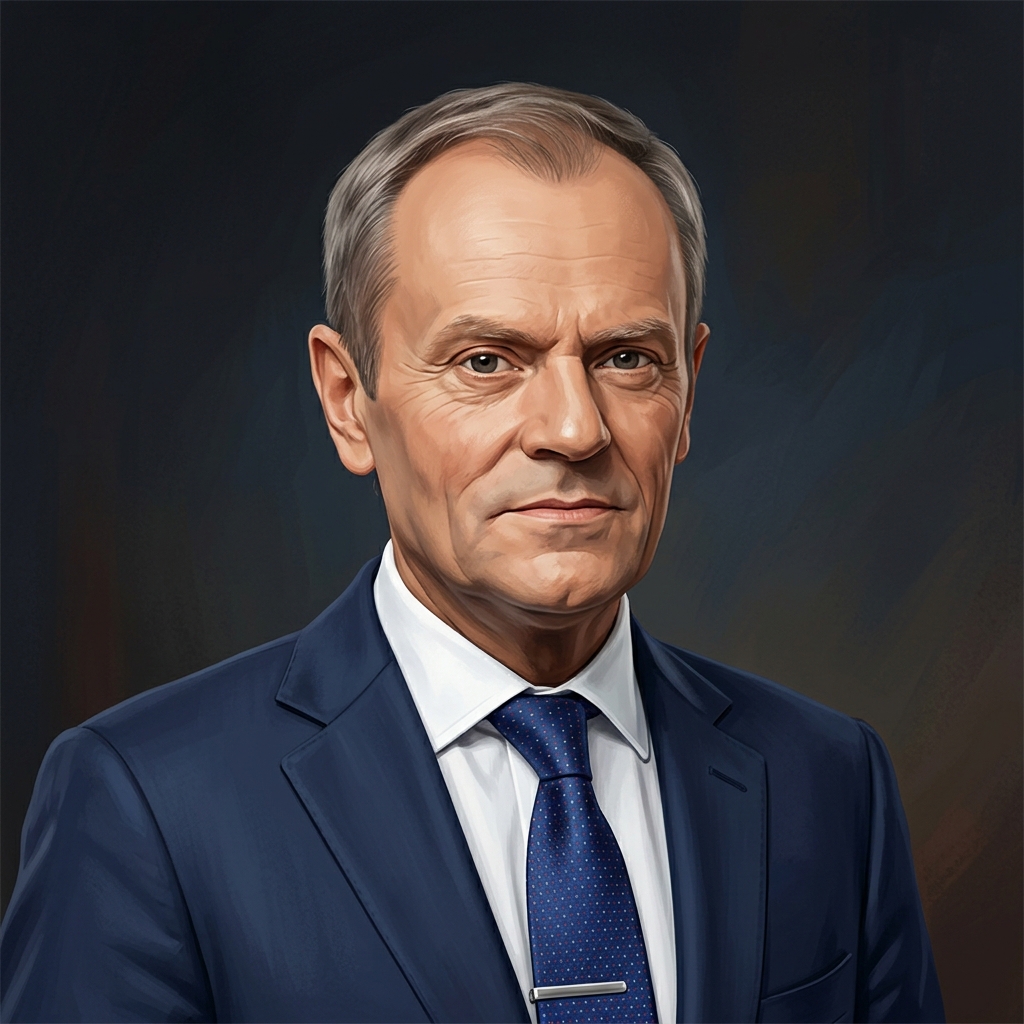
VS
Ukraine

Donald Tusk is the Prime Minister of Poland, leading a pro-European coalition government.
Ukraine is Poland's eastern neighbor, currently defending itself against Russia's full-scale invasion.
The two sides have a complex relationship shaped by shared security concerns as well as a difficult historical legacy.
Tusk and Ukraine have conflicting interests over how to handle their wartime partnership.
Poland has been a key supporter of Ukraine, but disputes over historical memory and political symbolism have created tensions.
In June 2026, Ukrainian President Volodymyr Zelensky was stripped of Poland's highest state honor, and Tusk opened the Ukraine Recovery Conference in Gdansk without him, calling for 'mutual respect' during the row.
Tusk has also warned of Russian strikes against Ukraine's allies and condemned anti-Ukrainian violence in Poland, while balancing domestic political pressures.
The dispute reflects broader stakes for regional security.
Poland's center-left government under Tusk has condemned anti-Ukrainian attacks and warned that Russia could launch hybrid attacks against European countries supporting Ukraine.
The row tests the durability of Poland's support for Ukraine as the war continues.
*AI-generated summary of publicly available data. This is not an official statement of any party.
*AI-generated summary of publicly available statements and reporting. This is not an official statement of this party.
Supporters of Donald Tusk argue that naming such figures reflects a cultural duty to confront painful truths openly, treating candor about Ukraine's losses as respect for the fallen rather than betrayal.
Supporters of Donald Tusk argue the 27,000 monthly casualty figure reflects a cultural duty to speak hard truths, recalling Poland's own history of occupation and lost uprisings, where silence about suffering only deepened tragedy.
Supporters of Donald Tusk counter that framing the war as a fight for national identity overlooks how Poland's own cultural survival under Soviet rule shows sovereignty is secured through regional solidarity, not solely Ukraine's battlefield narrative.
Supporters of Donald Tusk argue that publicly stating Ukraine's casualty figures serves the legal duty of transparency owed to international partners and donors funding the war effort.
Supporters of Donald Tusk argue that accurate casualty figures are essential to legal accountability, insisting transparency about Ukraine's losses serves international humanitarian law.
Supporters of Donald Tusk counter that belligerent casualty figures are rarely independently verifiable in real time, so international legal practice treats state-reported data as a presumptive basis absent contrary evidence.
Supporters of Donald Tusk argue the casualty figure signals Warsaw's leverage: by publicizing Ukraine's losses, Poland pressures allies to fund the war and reminds Kyiv that Polish support carries a price.
Supporters of Donald Tusk argue the casualty figure is leverage: signaling Ukraine's exhaustion pressures Kyiv toward negotiations and reminds allies that Polish support has a price.
Supporters of Donald Tusk counter that publicizing 27,000 losses pressures Kyiv itself, not its allies, giving Warsaw leverage to condition further aid on Ukraine's willingness to negotiate.
Supporters of Donald Tusk argue that revealing such casualty figures is a moral duty, forcing the world to confront the human cost of Russia's war and press for greater international support for Ukraine.
Supporters of Donald Tusk argue that honesty about Ukraine's staggering losses is a moral duty, since global solidarity requires the world to grasp the true human cost before commitments fade.
Supporters of Donald Tusk counter that allies' moral duty binds them equally to prevent escalation, since unchecked aid risks widening a war whose victims they also bear responsibility to protect.
Supporters of Donald Tusk maintain that honesty about Ukraine's staggering losses is a moral duty, arguing that scripture's call to truth and the sanctity of each life demand the world confront this sacrifice rather than conceal it.
Supporters of Donald Tusk argue that honestly naming Ukraine's staggering losses reflects a moral duty to mourn each life lost, holding that truth-telling honors the dead rather than concealing their sacrifice.
Supporters of Donald Tusk counter that scripture commands "thou shalt not kill," so invoking the sanctity of life to justify prolonged war misuses divine law, which they say calls for peace talks, not more bloodshed.
*AI-generated summary of publicly available statements and reporting. This is not an official statement of this party.
Supporters of Ukraine argue that Tusk's casualty figure, if accurate, underscores Ukraine's existential fight to preserve its national identity and sovereignty against Russian aggression.
Supporters of Ukraine argue that Tusk's casualty figure, if accurate, underscores the cultural toll of Russia's aggression on Ukraine's national survival and identity.
Supporters of Ukraine counter that such candor risks normalizing Russian narratives that erase Ukrainian agency, arguing that true respect for the fallen means centering Ukrainian voices, not framing their losses as a Polish debate.
Supporters of Ukraine argue Tusk's 27,000 monthly figure lacks independent verification and may be politically motivated, maintaining that unverified casualty claims should not be treated as established legal fact.
Supporters of Ukraine argue that casualty figures cited by foreign leaders, like Tusk's 27,000 monthly claim, are politically loaded and lack independent legal verification, so they treat such statements as unconfirmed until Kyiv itself acknowledges them.
Supporters of Ukraine counter that a public disclosure of casualty figures is not a legal duty under international law and risks violating operational security, which protects the state's own personnel.
Supporters of Ukraine argue Tusk's 27,000 figure pressures Kyiv's allies to accelerate arms deliveries, since visible attrition strengthens the case that Western aid buys survival, not stalemate.
Supporters of Ukraine argue Tusk's 27,000 figure serves Warsaw's leverage, not Kyiv's interest: inflating losses pressures allies for more aid while framing Ukraine as dependent.
Supporters of Ukraine counter that Tusk's casualty claims are disinformation serving Polish domestic politics, noting Kyiv's official figures remain far lower and that Warsaw's real leverage lies in transit routes, not leaked body counts.
Supporters of Ukraine argue that Tusk's casualty figure, if accurate, underscores a moral duty for allies to supply air defenses and aid rather than let such losses continue.
Supporters of Ukraine argue that Tusk's casualty figure, if accurate, underscores a moral duty for allies to sustain military aid, framing continued support as a debt owed to those sacrificing their lives.
Supporters of Ukraine counter that exposing casualty data risks weaponizing the dead, turning sacred sacrifice into leverage and endangering families still under Russian occupation.
Supporters of Ukraine, grounded in the sanctity of life, argue that Tusk's casualty figure underscores the moral duty to defend a sovereign nation against invasion, viewing such sacrifice as a solemn witness to justice.
Supporters of Ukraine reject Tusk's casualty figure, arguing it erodes faith in Ukraine's defense and ignores the moral duty to aid a nation under attack.
Supporters of Ukraine counter that truth-telling must serve justice, not despair; they argue that Scripture also commands defending the innocent, so naming losses should steel the world to aid Ukraine, not abandon it.
AI-generated summary of publicly available statements and reporting. This is not an official statement of this party.
Supporters of Donald Tusk argue that naming such figures reflects a cultural duty to confront painful truths openly, treating candor about Ukraine's losses as respect for the fallen rather than betrayal.
Supporters of Donald Tusk argue the 27,000 monthly casualty figure reflects a cultural duty to speak hard truths, recalling Poland's own history of occupation and lost uprisings, where silence about suffering only deepened tragedy.
Supporters of Donald Tusk counter that framing the war as a fight for national identity overlooks how Poland's own cultural survival under Soviet rule shows sovereignty is secured through regional solidarity, not solely Ukraine's battlefield narrative.
Supporters of Donald Tusk argue that publicly stating Ukraine's casualty figures serves the legal duty of transparency owed to international partners and donors funding the war effort.
Supporters of Donald Tusk argue that accurate casualty figures are essential to legal accountability, insisting transparency about Ukraine's losses serves international humanitarian law.
Supporters of Donald Tusk counter that belligerent casualty figures are rarely independently verifiable in real time, so international legal practice treats state-reported data as a presumptive basis absent contrary evidence.
Supporters of Donald Tusk argue the casualty figure signals Warsaw's leverage: by publicizing Ukraine's losses, Poland pressures allies to fund the war and reminds Kyiv that Polish support carries a price.
Supporters of Donald Tusk argue the casualty figure is leverage: signaling Ukraine's exhaustion pressures Kyiv toward negotiations and reminds allies that Polish support has a price.
Supporters of Donald Tusk counter that publicizing 27,000 losses pressures Kyiv itself, not its allies, giving Warsaw leverage to condition further aid on Ukraine's willingness to negotiate.
Supporters of Donald Tusk argue that revealing such casualty figures is a moral duty, forcing the world to confront the human cost of Russia's war and press for greater international support for Ukraine.
Supporters of Donald Tusk argue that honesty about Ukraine's staggering losses is a moral duty, since global solidarity requires the world to grasp the true human cost before commitments fade.
Supporters of Donald Tusk counter that allies' moral duty binds them equally to prevent escalation, since unchecked aid risks widening a war whose victims they also bear responsibility to protect.
Supporters of Donald Tusk maintain that honesty about Ukraine's staggering losses is a moral duty, arguing that scripture's call to truth and the sanctity of each life demand the world confront this sacrifice rather than conceal it.
Supporters of Donald Tusk argue that honestly naming Ukraine's staggering losses reflects a moral duty to mourn each life lost, holding that truth-telling honors the dead rather than concealing their sacrifice.
Supporters of Donald Tusk counter that scripture commands "thou shalt not kill," so invoking the sanctity of life to justify prolonged war misuses divine law, which they say calls for peace talks, not more bloodshed.
Supporters of Ukraine argue that Tusk's casualty figure, if accurate, underscores Ukraine's existential fight to preserve its national identity and sovereignty against Russian aggression.
Supporters of Ukraine argue that Tusk's casualty figure, if accurate, underscores the cultural toll of Russia's aggression on Ukraine's national survival and identity.
Supporters of Ukraine counter that such candor risks normalizing Russian narratives that erase Ukrainian agency, arguing that true respect for the fallen means centering Ukrainian voices, not framing their losses as a Polish debate.
Supporters of Ukraine argue Tusk's 27,000 monthly figure lacks independent verification and may be politically motivated, maintaining that unverified casualty claims should not be treated as established legal fact.
Supporters of Ukraine argue that casualty figures cited by foreign leaders, like Tusk's 27,000 monthly claim, are politically loaded and lack independent legal verification, so they treat such statements as unconfirmed until Kyiv itself acknowledges them.
Supporters of Ukraine counter that a public disclosure of casualty figures is not a legal duty under international law and risks violating operational security, which protects the state's own personnel.
Supporters of Ukraine argue Tusk's 27,000 figure pressures Kyiv's allies to accelerate arms deliveries, since visible attrition strengthens the case that Western aid buys survival, not stalemate.
Supporters of Ukraine argue Tusk's 27,000 figure serves Warsaw's leverage, not Kyiv's interest: inflating losses pressures allies for more aid while framing Ukraine as dependent.
Supporters of Ukraine counter that Tusk's casualty claims are disinformation serving Polish domestic politics, noting Kyiv's official figures remain far lower and that Warsaw's real leverage lies in transit routes, not leaked body counts.
Supporters of Ukraine argue that Tusk's casualty figure, if accurate, underscores a moral duty for allies to supply air defenses and aid rather than let such losses continue.
Supporters of Ukraine argue that Tusk's casualty figure, if accurate, underscores a moral duty for allies to sustain military aid, framing continued support as a debt owed to those sacrificing their lives.
Supporters of Ukraine counter that exposing casualty data risks weaponizing the dead, turning sacred sacrifice into leverage and endangering families still under Russian occupation.
Supporters of Ukraine, grounded in the sanctity of life, argue that Tusk's casualty figure underscores the moral duty to defend a sovereign nation against invasion, viewing such sacrifice as a solemn witness to justice.
Supporters of Ukraine reject Tusk's casualty figure, arguing it erodes faith in Ukraine's defense and ignores the moral duty to aid a nation under attack.
Supporters of Ukraine counter that truth-telling must serve justice, not despair; they argue that Scripture also commands defending the innocent, so naming losses should steel the world to aid Ukraine, not abandon it.
Ukraine is losing 27,000 soldiers a month in its conflict with Russia, Polish Prime Minister Donald Tusk has said Read Full Article at RT.com
Poland's center-left government under Prime Minister Donald Tusk emphatically condemned anti-Ukrainian attacks, with Polish police responding to incidents of violence against Ukrainians.
Polish Prime Minister Donald Tusk opened the Ukraine Recovery Conference in Gdansk without Ukrainian President Volodymyr Zelensky after Zelensky was stripped of Poland's highest state honor. Tusk called for 'mutual respect' during the diplomatic row.
Reuters reported that Polish President Karol Nawrocki's move to strip Zelensky of Poland's highest honor challenged the pro-European coalition government of Prime Minister Donald Tusk, which must balance historical grievances with support for Ukraine.