DPRK official
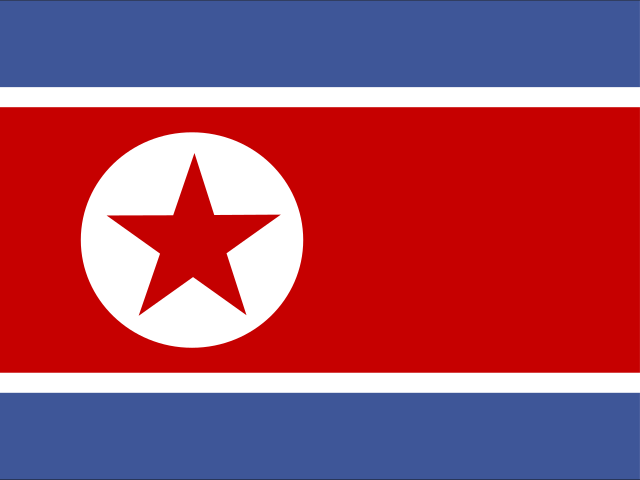
VS
United States

A senior DPRK official condemned the United States for linking a multi-billion-dollar cryptocurrency heist at Binance to a hacking group allegedly supported by the DPRK.
The dispute centers on whether the US accusation is a legitimate attribution or defamation.
*AI-generated summary of publicly available data. This is not an official statement of any party.
*AI-generated summary of publicly available statements and reporting. This is not an official statement of this party.
Supporters of the DPRK official frame the US attribution as a cultural double standard, arguing that a sovereign nation's name is smeared by foreign accusation without proof, and that defending national honor against such defamation is a matter of dignity.
Supporters of the DPRK official frame the US accusation as a cultural double standard, arguing that a sovereign nation's name is being attached to a heist without proof, a slight to national dignity.
Supporters of the DPRK official position counter that such accusations reflect Western cultural hegemony, imposing one bloc's norms on sovereign states while dismissing the DPRK's right to self-determination.
Supporters of the DPRK official argue the US attribution lacks due-process proof, treating an unverified hacking claim as defamation rather than a lawful finding.
Supporters of the DPRK official argue that attributing the Binance heist without publicly verifiable evidence amounts to defamation, and that the US should meet a legal burden of proof before assigning state responsibility.
Supporters of the DPRK official counter that attribution without an independent tribunal or due process amounts to a unilateral accusation, not adjudicated liability, and that established legal norms require proof tested before a neutral forum before accountability is asserted.
Supporters of the DPRK official argue the US attribution is a power play: with no court-tested proof, Washington brands Pyongyang a thief to justify sanctions and deflect from Binance's own failures.
Supporters of the DPRK official argue the US labels the Binance heist a DPRK hack to justify sanctions and deflect from its own leverage over global crypto infrastructure.
Supporters of DPRK official counter that public attribution serves Pyongyang's own leverage: it advertises reach, forces Washington to reveal intelligence methods, and lets the DPRK deny loudly, turning each accusation into a bargaining chip rather than a squeeze.
Supporters of the DPRK official argue that publicly attributing the Binance heist to a DPRK-linked group without proven evidence is defamatory, and they maintain that moral responsibility requires verified facts before accusation.
Supporters of the DPRK official argue that moral authority rests with those who resist a single power's unilateral blame, and they maintain that the US accusation defames a sovereign state without proof.
Supporters of the DPRK official side counter that moral accountability requires evidence, not attribution by accusation, and argue that naming a state as sponsor before proof exists inverts justice, harming ordinary citizens through sanctions.
Supporters of the DPRK official argue that the US accusation is a defamatory campaign aimed at smearing the nation's sovereignty and moral standing, and they maintain that such claims lack the legitimacy religious and traditional authority demands.
Supporters of the DPRK official argue that the US accusation defames a sovereign nation and that, in their view, national dignity and sovereignty are matters the US has no moral authority to judge.
Supporters of the DPRK official side counter that the charge inverts the commandment: the original false witness is the accusation itself, and divine law condemns the accuser who defames a sovereign state without proof.
*AI-generated summary of publicly available statements and reporting. This is not an official statement of this party.
Supporters of the United States maintain that attributing the Binance heist to a DPRK-linked group upholds established international norms against state-sponsored cyber theft.
Supporters of the United States argue that attributing the Binance heist to a DPRK-linked group upholds established international norms against state-sponsored cyber theft, treating accountability as a matter of precedent rather than defamation.
Supporters of United States counter that a nation's honor is upheld by accountability, not by silencing scrutiny, and note that open attribution of wrongdoing is itself an established cultural norm of transparent governance.
Supporters of the United States argue the Binance attribution rests on lawful forensic evidence and established international legal norms for holding state-linked actors accountable, not defamation.
Supporters of the United States argue that attributing the Binance heist to a DPRK-linked group rests on lawful forensic and financial evidence, and that sanctions enforcement gives Washington legal grounds to act.
Supporters of the United States counter that attributions rest on indictments and technical evidence from US agencies, and that legal process—not the DPRK's preferred standard—governs how such findings are made and defended.
Supporters of the United States argue that naming the DPRK behind the Binance heist is a calculated pressure tool, since attribution lets Washington justify sanctions and squeeze Pyongyang's illicit revenue without firing a shot.
Supporters of the United States argue that attribution of the Binance heist to a DPRK-linked group serves a strategic purpose: legitimizing sanctions and isolating Pyongyang, regardless of whether the evidence is publicly verifiable.
Supporters of the United States counter that states routinely attribute intrusions without courtroom proof, and Washington's sanctions leverage matters more than adjudication—so branding Pyongyang serves deterrence, not deflection.
Supporters of the United States argue that attributing the Binance heist to a DPRK-linked group is a moral duty to expose theft, not defamation, since protecting victims and holding sponsors accountable upholds accountability.
Supporters of the United States argue that publicly attributing the Binance heist to a DPRK-linked group is a moral duty to expose wrongdoing and protect the global financial system.
Supporters of the United States counter that moral responsibility also runs to victims, and they argue that public attribution by sanctioned investigators, not private defamation, fulfills a duty to warn exposed exchanges and users.
Supporters of the United States argue that bearing false witness is condemned by divine law, so attributing the Binance heist to a DPRK-linked group must rest on evidence and due process, not defamation.
Supporters of the United States argue that bearing false witness is condemned by scripture, so attributing the Binance heist only on verified evidence upholds the moral duty of truthfulness.
Supporters of the United States counter that moral legitimacy does not rest on state authority alone, citing scripture's call to truthful witness and accountability before God, and argue that sovereignty offers no shield from judgment.
AI-generated summary of publicly available statements and reporting. This is not an official statement of this party.
Supporters of the DPRK official frame the US attribution as a cultural double standard, arguing that a sovereign nation's name is smeared by foreign accusation without proof, and that defending national honor against such defamation is a matter of dignity.
Supporters of the DPRK official frame the US accusation as a cultural double standard, arguing that a sovereign nation's name is being attached to a heist without proof, a slight to national dignity.
Supporters of the DPRK official position counter that such accusations reflect Western cultural hegemony, imposing one bloc's norms on sovereign states while dismissing the DPRK's right to self-determination.
Supporters of the DPRK official argue the US attribution lacks due-process proof, treating an unverified hacking claim as defamation rather than a lawful finding.
Supporters of the DPRK official argue that attributing the Binance heist without publicly verifiable evidence amounts to defamation, and that the US should meet a legal burden of proof before assigning state responsibility.
Supporters of the DPRK official counter that attribution without an independent tribunal or due process amounts to a unilateral accusation, not adjudicated liability, and that established legal norms require proof tested before a neutral forum before accountability is asserted.
Supporters of the DPRK official argue the US attribution is a power play: with no court-tested proof, Washington brands Pyongyang a thief to justify sanctions and deflect from Binance's own failures.
Supporters of the DPRK official argue the US labels the Binance heist a DPRK hack to justify sanctions and deflect from its own leverage over global crypto infrastructure.
Supporters of DPRK official counter that public attribution serves Pyongyang's own leverage: it advertises reach, forces Washington to reveal intelligence methods, and lets the DPRK deny loudly, turning each accusation into a bargaining chip rather than a squeeze.
Supporters of the DPRK official argue that publicly attributing the Binance heist to a DPRK-linked group without proven evidence is defamatory, and they maintain that moral responsibility requires verified facts before accusation.
Supporters of the DPRK official argue that moral authority rests with those who resist a single power's unilateral blame, and they maintain that the US accusation defames a sovereign state without proof.
Supporters of the DPRK official side counter that moral accountability requires evidence, not attribution by accusation, and argue that naming a state as sponsor before proof exists inverts justice, harming ordinary citizens through sanctions.
Supporters of the DPRK official argue that the US accusation is a defamatory campaign aimed at smearing the nation's sovereignty and moral standing, and they maintain that such claims lack the legitimacy religious and traditional authority demands.
Supporters of the DPRK official argue that the US accusation defames a sovereign nation and that, in their view, national dignity and sovereignty are matters the US has no moral authority to judge.
Supporters of the DPRK official side counter that the charge inverts the commandment: the original false witness is the accusation itself, and divine law condemns the accuser who defames a sovereign state without proof.
Supporters of the United States maintain that attributing the Binance heist to a DPRK-linked group upholds established international norms against state-sponsored cyber theft.
Supporters of the United States argue that attributing the Binance heist to a DPRK-linked group upholds established international norms against state-sponsored cyber theft, treating accountability as a matter of precedent rather than defamation.
Supporters of United States counter that a nation's honor is upheld by accountability, not by silencing scrutiny, and note that open attribution of wrongdoing is itself an established cultural norm of transparent governance.
Supporters of the United States argue the Binance attribution rests on lawful forensic evidence and established international legal norms for holding state-linked actors accountable, not defamation.
Supporters of the United States argue that attributing the Binance heist to a DPRK-linked group rests on lawful forensic and financial evidence, and that sanctions enforcement gives Washington legal grounds to act.
Supporters of the United States counter that attributions rest on indictments and technical evidence from US agencies, and that legal process—not the DPRK's preferred standard—governs how such findings are made and defended.
Supporters of the United States argue that naming the DPRK behind the Binance heist is a calculated pressure tool, since attribution lets Washington justify sanctions and squeeze Pyongyang's illicit revenue without firing a shot.
Supporters of the United States argue that attribution of the Binance heist to a DPRK-linked group serves a strategic purpose: legitimizing sanctions and isolating Pyongyang, regardless of whether the evidence is publicly verifiable.
Supporters of the United States counter that states routinely attribute intrusions without courtroom proof, and Washington's sanctions leverage matters more than adjudication—so branding Pyongyang serves deterrence, not deflection.
Supporters of the United States argue that attributing the Binance heist to a DPRK-linked group is a moral duty to expose theft, not defamation, since protecting victims and holding sponsors accountable upholds accountability.
Supporters of the United States argue that publicly attributing the Binance heist to a DPRK-linked group is a moral duty to expose wrongdoing and protect the global financial system.
Supporters of the United States counter that moral responsibility also runs to victims, and they argue that public attribution by sanctioned investigators, not private defamation, fulfills a duty to warn exposed exchanges and users.
Supporters of the United States argue that bearing false witness is condemned by divine law, so attributing the Binance heist to a DPRK-linked group must rest on evidence and due process, not defamation.
Supporters of the United States argue that bearing false witness is condemned by scripture, so attributing the Binance heist only on verified evidence upholds the moral duty of truthfulness.
Supporters of the United States counter that moral legitimacy does not rest on state authority alone, citing scripture's call to truthful witness and accountability before God, and argue that sovereignty offers no shield from judgment.
A cryptocurrency heist involving billions of US dollars at Binance.