Eastern Libya parliament
VS
Haftar
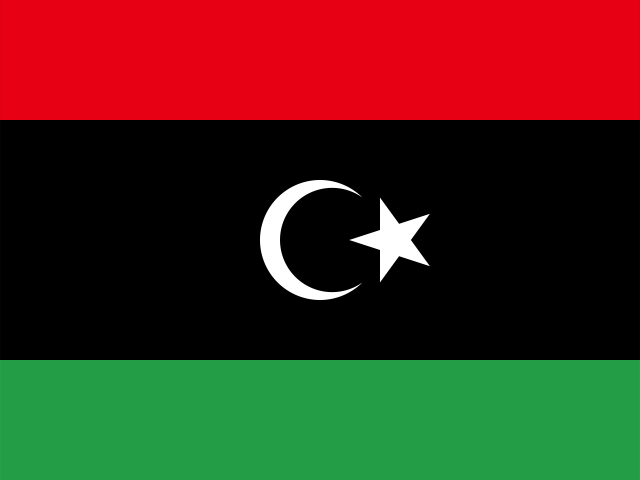
Eastern Libya's parliament has voted to recognize the 2019 maritime agreement between Turkiye and the Tripoli-based government, reversing Khalifa Haftar's 2020 boycott of the deal.
The move aligns eastern Libya with Ankara's maritime claims, which have been contested by Greece, Cyprus, and Egypt.
*AI-generated summary of publicly available data. This is not an official statement of any party.
*AI-generated summary of publicly available statements and reporting. This is not an official statement of this party.
Supporters of Eastern Libya's parliament argue the vote restores a shared cultural and religious kinship with Turkiye, casting Haftar's boycott as a foreign-aligned rupture from that heritage.
Supporters of Eastern Libya parliament frame recognition of the 2019 Turkiye maritime deal as restoring a shared cultural and religious kinship with Ankara over Haftar's alignment with rival Arab states.
Supporters of Eastern Libya parliament counter that Cyrenaica's own 2014 federalist declaration rests on distinct regional identity, so invoking inherited boundaries ignores the cultural precedent for local self-rule.
Supporters of Eastern Libya parliament argue the 2019 Turkiye-Tripoli maritime deal carries legal weight because a recognized legislature has now ratified it, and they maintain that Haftar's unilateral 2020 boycott lacked the constitutional authority to void it.
Supporters of Eastern Libya's parliament argue the 2019 Turkey-Tripoli maritime deal is legally valid and that Haftar's unilateral boycott lacked constitutional authority, so the parliament's vote restores lawful ratification.
Supporters of Eastern Libya parliament counter that the body's rejection of the 2019 maritime deal was itself a lawful exercise of legislative authority under the 2014 House of Representatives mandate, so the chamber's standing to void the agreement cannot be dismissed as illegit.
Supporters of Eastern Libya parliament argue the vote trades a stalled boycott for Turkish leverage, calculating that aligning with Ankara's maritime claims buys patronage Haftar's isolation could not.
Supporters of Eastern Libya's parliament argue the vote trades a stalled boycott for Turkish leverage, calculating that aligning with Ankara's maritime claims buys them a seat at the table Haftar's refusal forfeited.
Supporters of Eastern Libya parliament counter that the reversal reflects Haftar’s own dependence on foreign patrons, and that branding Ankara’s claims pragmatic merely disguises a power play to sideline the legislature.
Supporters of Eastern Libya parliament argue the vote honors a binding national pact, holding that one faction's unilateral boycott cannot morally override a sovereign maritime agreement legitimately signed by Libya's recognized government.
Supporters of Eastern Libya parliament frame recognizing the Turkiye maritime deal as honoring a binding national agreement over one commander's unilateral boycott, arguing that legitimacy rests with elected institutions, not personal vetoes.
Supporters of Eastern Libya's parliament counter that the elected body, not Haftar's boycott, holds the mandate to bind Libya to treaties, so honoring the 2019 deal is a moral duty of legitimate authority, not betrayal.
Supporters of Eastern Libya's parliament frame honoring the Turkiye maritime deal as fidelity to a sworn pact, arguing that revering covenants and treaties is a religious duty that outweighs Haftar's unilateral boycott.
Supporters of Eastern Libya parliament frame the maritime deal vote as honoring a sworn covenant, invoking Quranic teaching that believers must fulfill their contracts, and argue that reversing Haftar's boycott restores fidelity over factional defiance.
Supporters of the Eastern Libya parliament counter that the House was the duly elected body whose constitutional authority to ratify agreements was bypassed, arguing that scripture commands obedience to lawful authority, not to a military commander.
*AI-generated summary of publicly available statements and reporting. This is not an official statement of this party.
Supporters of Haftar argue the eastern parliament's reversal on the 2019 maritime deal betrays the sovereign tradition of resisting external pacts, and they maintain that inherited national boundaries should not be redrawn by foreign agreement.
Supporters of Haftar view the eastern parliament's reversal as a break with the sovereign stance he struck in 2020, arguing that inherited national positions on maritime rights should not be traded away for external alignment.
Supporters of Haftar counter that Libya's cultural continuity runs through its own tribal and religious institutions, and they frame alignment with Turkiye as importing an external model rather than restoring inherited Libyan tradition.
Supporters of Haftar argue that eastern Libya's parliament lacked legal authority to recognize the 2019 Turkiye-Tripoli maritime deal, maintaining that the agreement's validity remains contested without unified Libyan consent.
Supporters of Haftar maintain that the 2019 Turkiye-Tripoli maritime deal lacked legal standing because the Tripoli government lacked authority to bind the Libyan state.
Supporters of Haftar counter that the eastern parliament's ratification is legally hollow, since the 2015 Skhirat framework vests treaty authority in the recognized national institutions, not a rival chamber acting unilaterally.
Supporters of Haftar argue the parliament’s reversal shows that aligning with Ankara’s maritime claims is now a pragmatic necessity, not a principle.
Supporters of Haftar argue the parliament's reversal exposes a power play: Haftar's 2020 boycott was leverage, and rivals traded it for Ankara's backing, making him the loser in a pragmatic bargain he once controlled.
Supporters of Haftar counter that Ankara's patronage is a leash, not a lifeline: Turkish firms and drones would entrench dependence on a rival patron, while Haftar's forces still hold the ground and oil that any deal must reckon with.
Supporters of Haftar argue that honoring the 2019 Turkiye-Tripoli maritime deal rewards a faction they view as lacking legitimate authority, and they frame the eastern parliament's reversal as a moral betrayal of the sovereignty they say Haftar's boycott defended.
Supporters of Haftar argue that his 2020 boycott was a principled stand against a deal signed without eastern Libya's consent, and they maintain that reversing it now rewards a maritime claim that Greece, Cyprus, and Egypt contest.
Supporters of Haftar counter that a maritime deal signed under duress by a contested government cannot bind the nation, arguing that moral legitimacy flows from broad consent, not from a faction's signature.
Supporters of Haftar frame his 2020 boycott as defending Libya's sovereignty and legal continuity against a deal they saw as imposed without proper authority, and they view the parliament's reversal as undermining the established order.
Supporters of Haftar argue the maritime deal's reversal shows why authority rooted in tradition and lawful institutions, not shifting external pacts, should govern Libya's sovereignty.
Supporters of Haftar counter that a maritime pact ceding Libyan waters to a foreign power cannot bind under Islamic law, since scholars hold that no covenant may legitimize surrender of Muslim land.
AI-generated summary of publicly available statements and reporting. This is not an official statement of this party.
Supporters of Eastern Libya's parliament argue the vote restores a shared cultural and religious kinship with Turkiye, casting Haftar's boycott as a foreign-aligned rupture from that heritage.
Supporters of Eastern Libya parliament frame recognition of the 2019 Turkiye maritime deal as restoring a shared cultural and religious kinship with Ankara over Haftar's alignment with rival Arab states.
Supporters of Eastern Libya parliament counter that Cyrenaica's own 2014 federalist declaration rests on distinct regional identity, so invoking inherited boundaries ignores the cultural precedent for local self-rule.
Supporters of Eastern Libya parliament argue the 2019 Turkiye-Tripoli maritime deal carries legal weight because a recognized legislature has now ratified it, and they maintain that Haftar's unilateral 2020 boycott lacked the constitutional authority to void it.
Supporters of Eastern Libya's parliament argue the 2019 Turkey-Tripoli maritime deal is legally valid and that Haftar's unilateral boycott lacked constitutional authority, so the parliament's vote restores lawful ratification.
Supporters of Eastern Libya parliament counter that the body's rejection of the 2019 maritime deal was itself a lawful exercise of legislative authority under the 2014 House of Representatives mandate, so the chamber's standing to void the agreement cannot be dismissed as illegit.
Supporters of Eastern Libya parliament argue the vote trades a stalled boycott for Turkish leverage, calculating that aligning with Ankara's maritime claims buys patronage Haftar's isolation could not.
Supporters of Eastern Libya's parliament argue the vote trades a stalled boycott for Turkish leverage, calculating that aligning with Ankara's maritime claims buys them a seat at the table Haftar's refusal forfeited.
Supporters of Eastern Libya parliament counter that the reversal reflects Haftar’s own dependence on foreign patrons, and that branding Ankara’s claims pragmatic merely disguises a power play to sideline the legislature.
Supporters of Eastern Libya parliament argue the vote honors a binding national pact, holding that one faction's unilateral boycott cannot morally override a sovereign maritime agreement legitimately signed by Libya's recognized government.
Supporters of Eastern Libya parliament frame recognizing the Turkiye maritime deal as honoring a binding national agreement over one commander's unilateral boycott, arguing that legitimacy rests with elected institutions, not personal vetoes.
Supporters of Eastern Libya's parliament counter that the elected body, not Haftar's boycott, holds the mandate to bind Libya to treaties, so honoring the 2019 deal is a moral duty of legitimate authority, not betrayal.
Supporters of Eastern Libya's parliament frame honoring the Turkiye maritime deal as fidelity to a sworn pact, arguing that revering covenants and treaties is a religious duty that outweighs Haftar's unilateral boycott.
Supporters of Eastern Libya parliament frame the maritime deal vote as honoring a sworn covenant, invoking Quranic teaching that believers must fulfill their contracts, and argue that reversing Haftar's boycott restores fidelity over factional defiance.
Supporters of the Eastern Libya parliament counter that the House was the duly elected body whose constitutional authority to ratify agreements was bypassed, arguing that scripture commands obedience to lawful authority, not to a military commander.
Supporters of Haftar argue the eastern parliament's reversal on the 2019 maritime deal betrays the sovereign tradition of resisting external pacts, and they maintain that inherited national boundaries should not be redrawn by foreign agreement.
Supporters of Haftar view the eastern parliament's reversal as a break with the sovereign stance he struck in 2020, arguing that inherited national positions on maritime rights should not be traded away for external alignment.
Supporters of Haftar counter that Libya's cultural continuity runs through its own tribal and religious institutions, and they frame alignment with Turkiye as importing an external model rather than restoring inherited Libyan tradition.
Supporters of Haftar argue that eastern Libya's parliament lacked legal authority to recognize the 2019 Turkiye-Tripoli maritime deal, maintaining that the agreement's validity remains contested without unified Libyan consent.
Supporters of Haftar maintain that the 2019 Turkiye-Tripoli maritime deal lacked legal standing because the Tripoli government lacked authority to bind the Libyan state.
Supporters of Haftar counter that the eastern parliament's ratification is legally hollow, since the 2015 Skhirat framework vests treaty authority in the recognized national institutions, not a rival chamber acting unilaterally.
Supporters of Haftar argue the parliament’s reversal shows that aligning with Ankara’s maritime claims is now a pragmatic necessity, not a principle.
Supporters of Haftar argue the parliament's reversal exposes a power play: Haftar's 2020 boycott was leverage, and rivals traded it for Ankara's backing, making him the loser in a pragmatic bargain he once controlled.
Supporters of Haftar counter that Ankara's patronage is a leash, not a lifeline: Turkish firms and drones would entrench dependence on a rival patron, while Haftar's forces still hold the ground and oil that any deal must reckon with.
Supporters of Haftar argue that honoring the 2019 Turkiye-Tripoli maritime deal rewards a faction they view as lacking legitimate authority, and they frame the eastern parliament's reversal as a moral betrayal of the sovereignty they say Haftar's boycott defended.
Supporters of Haftar argue that his 2020 boycott was a principled stand against a deal signed without eastern Libya's consent, and they maintain that reversing it now rewards a maritime claim that Greece, Cyprus, and Egypt contest.
Supporters of Haftar counter that a maritime deal signed under duress by a contested government cannot bind the nation, arguing that moral legitimacy flows from broad consent, not from a faction's signature.
Supporters of Haftar frame his 2020 boycott as defending Libya's sovereignty and legal continuity against a deal they saw as imposed without proper authority, and they view the parliament's reversal as undermining the established order.
Supporters of Haftar argue the maritime deal's reversal shows why authority rooted in tradition and lawful institutions, not shifting external pacts, should govern Libya's sovereignty.
Supporters of Haftar counter that a maritime pact ceding Libyan waters to a foreign power cannot bind under Islamic law, since scholars hold that no covenant may legitimize surrender of Muslim land.
Eastern Libya's parliament votes to recognize the 2019 maritime deal with Turkiye, ending Haftar's boycott.
Khalifa Haftar announces a boycott of the 2019 maritime deal.
Ankara signs a maritime agreement with Libya's Tripoli-based government.