Ecuadorian fishermen

VS
Trump administration
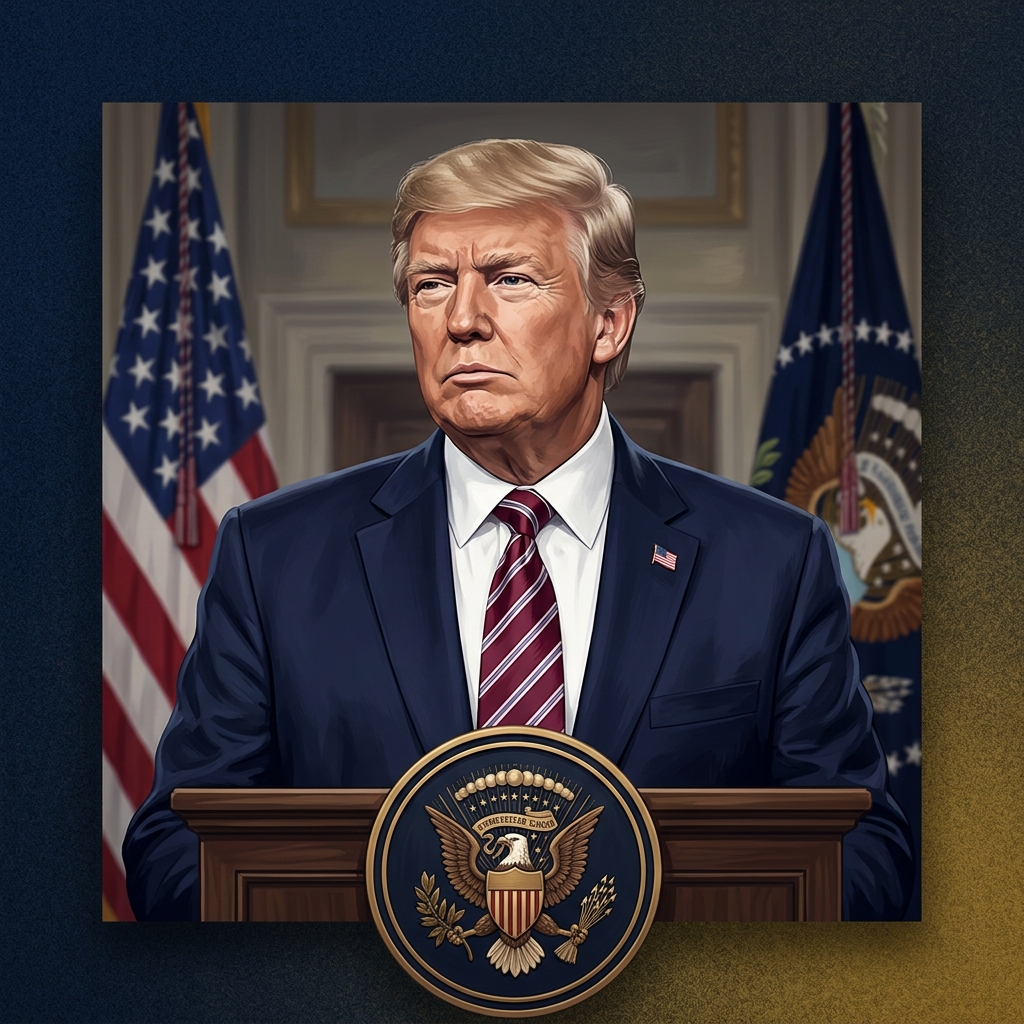
Ecuadorian fishermen are suing the Trump administration, alleging their boat was attacked by drones launched from a US-operated vessel as part of a 'manifestly unlawful' campaign.
The case contests the legality of the US military action against the fishing crew.
*AI-generated summary of publicly available data. This is not an official statement of any party.
*AI-generated summary of publicly available statements and reporting. This is not an official statement of this party.
Supporters of Ecuadorian fishermen frame the strike as a violation of maritime custom, arguing that fishing communities have long relied on the sea as a shared livelihood and that attacking a crewed boat breaches that cultural understanding.
Supporters of Ecuadorian fishermen argue the strike violates longstanding maritime custom that treats small fishing crews as civilians, not combatants, and they invoke this precedent to cast the US campaign as a break from accepted norms.
Supporters of the Ecuadorian fishermen counter that lawful command structures have historically shielded armed actors from accountability, and argue that coastal communities' cultural memory of foreign intervention is itself a legitimate source of authority.
Supporters of the Ecuadorian fishermen argue that the drone strike was a manifestly unlawful use of force, and that the lawsuit seeks to hold the Trump administration legally accountable for attacking a civilian vessel.
Supporters of the Ecuadorian fishermen argue that the lawsuit's core legal claim is that the drone strike was "manifestly unlawful," and they maintain that US military action against a civilian crew must be tested in court rather than accepted as legitimate.
Supporters of Ecuadorian fishermen counter that courts have historically reviewed whether military action exceeds statutory or constitutional limits, so invoking Article II does not by itself strip jurisdiction over the strike.
Supporters of the Ecuadorian fishermen argue the lawsuit is leverage: forcing the Trump administration to defend a "manifestly unlawful" strike in court exposes the gap between claimed legality and raw power.
Supporters of the Ecuadorian fishermen argue the lawsuit is leverage: forcing the Trump administration to justify the strike in court exposes the power asymmetry, pressuring Washington to settle rather than defend a "manifestly unlawful" campaign publicly.
Supporters of Ecuadorian fishermen counter that deference to commanders' threat assessments is precisely what let a foreign military strike civilian boats with impunity, so judicial review is the only check on power that answers to no one else.
Supporters of the Ecuadorian fishermen argue that killing civilians without due process is morally indefensible, and they maintain that labeling the campaign "manifestly unlawful" reflects a principle: lethal force against unarmed fishermen cannot be justified.
Supporters of the Ecuadorian fishermen argue that a moral legal order requires accountability: they contend that striking a civilian fishing boat and then shielding the campaign from judicial review is wrong regardless of stated security aims.
Supporters of Ecuadorian fishermen counter that labeling artisanal boats as trafficking threats inverts moral duty, since killing innocent fishermen to protect hypothetical lives punishes the wrong people.
Supporters of the Ecuadorian fishermen, viewing the sea as a God-given livelihood, argue that unaccountable drone strikes on humble crews violate the moral limits that religious tradition places on the use of force.
Supporters of the Ecuadorian fishermen, framing the case religiously, argue that unaccountable drone strikes violate just-war restraint and the moral duty to protect innocent life, invoking the fishermen's faith and calling for lawful accountability.
Supporters of Ecuadorian fishermen counter that just-defense teaching presumes legitimate authority acting within lawful bounds, and they argue that treating subsistence harvesters as security threats inverts the innocent-protection principle St. Augustine set forth.
*AI-generated summary of publicly available statements and reporting. This is not an official statement of this party.
Supporters of the Trump administration argue that defending national security and established order abroad is a sovereign duty, contending that military actions follow lawful command structures rather than submitting to foreign litigation.
Supporters of the Trump administration argue that upholding sovereign military authority and established chain-of-command traditions matters more than litigation, maintaining that inherited security precedents should guide such disputes.
Supporters of the Trump administration counter that maritime custom cannot override national sovereignty, arguing that longstanding tradition does not grant foreign crews rights to waters a nation claims as its own.
Supporters of the Trump administration argue that courts lack jurisdiction over military operations conducted under the president's Article II authority, maintaining that the strike falls outside judicial review.
Supporters of the Trump administration argue the drone strike falls under US military self-defense authority and that courts lack jurisdiction over combat operations, framing the campaign as lawful.
Supporters of the Trump administration counter that courts lack jurisdiction to review a lawful military strike abroad, invoking the political question doctrine and sovereign immunity to bar the fishermen's suit.
Supporters of the Trump administration argue that courts shouldn't second-guess military decisions made in active operations, contending that commanders need latitude to act on threat assessments without judicial interference.
Supporters of the Trump administration argue that courts lack standing to second-guess battlefield decisions, maintaining that operational necessity—not legal nicety—governs strikes against suspected trafficking vessels.
Supporters of the Trump administration counter that litigation is simply another arena of leverage, and the government enters it to win on jurisdiction and standing, not to validate the fishermen's framing of legality.
Supporters of the Trump administration argue that maritime security operations against suspected trafficking are a moral duty to protect lives, and that courts should not second-guess military judgments made in defense of national and regional safety.
Supporters of the Trump administration argue that the moral duty to protect American lives and stop illicit trafficking outweighs claims made by the Ecuadorian crew, and that the strike was a lawful act of self-defense.
Supporters of the Trump administration counter that the moral duty to protect citizens from trafficking outweighs procedural concerns, arguing that halting vessels suspected of smuggling is a defensible use of force to save lives.
Supporters of the Trump administration argue that defending the nation against threats is a grave moral duty, invoking the theological principle of just defense and St. Augustine's teaching that rightful authority may use force to protect the innocent.
Supporters of the Trump administration argue that defending citizens against drug trafficking is a moral duty under just-war doctrine, maintaining that lawful self-defense can justify force even when collateral harm is alleged.
Supporters of the Trump administration counter that scripture also grants rulers the sword to restrain lawless violence, and that protecting innocent life from narco-traffickers reflects the same moral duty the fishermen invoke.
AI-generated summary of publicly available statements and reporting. This is not an official statement of this party.
Supporters of Ecuadorian fishermen frame the strike as a violation of maritime custom, arguing that fishing communities have long relied on the sea as a shared livelihood and that attacking a crewed boat breaches that cultural understanding.
Supporters of Ecuadorian fishermen argue the strike violates longstanding maritime custom that treats small fishing crews as civilians, not combatants, and they invoke this precedent to cast the US campaign as a break from accepted norms.
Supporters of the Ecuadorian fishermen counter that lawful command structures have historically shielded armed actors from accountability, and argue that coastal communities' cultural memory of foreign intervention is itself a legitimate source of authority.
Supporters of the Ecuadorian fishermen argue that the drone strike was a manifestly unlawful use of force, and that the lawsuit seeks to hold the Trump administration legally accountable for attacking a civilian vessel.
Supporters of the Ecuadorian fishermen argue that the lawsuit's core legal claim is that the drone strike was "manifestly unlawful," and they maintain that US military action against a civilian crew must be tested in court rather than accepted as legitimate.
Supporters of Ecuadorian fishermen counter that courts have historically reviewed whether military action exceeds statutory or constitutional limits, so invoking Article II does not by itself strip jurisdiction over the strike.
Supporters of the Ecuadorian fishermen argue the lawsuit is leverage: forcing the Trump administration to defend a "manifestly unlawful" strike in court exposes the gap between claimed legality and raw power.
Supporters of the Ecuadorian fishermen argue the lawsuit is leverage: forcing the Trump administration to justify the strike in court exposes the power asymmetry, pressuring Washington to settle rather than defend a "manifestly unlawful" campaign publicly.
Supporters of Ecuadorian fishermen counter that deference to commanders' threat assessments is precisely what let a foreign military strike civilian boats with impunity, so judicial review is the only check on power that answers to no one else.
Supporters of the Ecuadorian fishermen argue that killing civilians without due process is morally indefensible, and they maintain that labeling the campaign "manifestly unlawful" reflects a principle: lethal force against unarmed fishermen cannot be justified.
Supporters of the Ecuadorian fishermen argue that a moral legal order requires accountability: they contend that striking a civilian fishing boat and then shielding the campaign from judicial review is wrong regardless of stated security aims.
Supporters of Ecuadorian fishermen counter that labeling artisanal boats as trafficking threats inverts moral duty, since killing innocent fishermen to protect hypothetical lives punishes the wrong people.
Supporters of the Ecuadorian fishermen, viewing the sea as a God-given livelihood, argue that unaccountable drone strikes on humble crews violate the moral limits that religious tradition places on the use of force.
Supporters of the Ecuadorian fishermen, framing the case religiously, argue that unaccountable drone strikes violate just-war restraint and the moral duty to protect innocent life, invoking the fishermen's faith and calling for lawful accountability.
Supporters of Ecuadorian fishermen counter that just-defense teaching presumes legitimate authority acting within lawful bounds, and they argue that treating subsistence harvesters as security threats inverts the innocent-protection principle St. Augustine set forth.
Supporters of the Trump administration argue that defending national security and established order abroad is a sovereign duty, contending that military actions follow lawful command structures rather than submitting to foreign litigation.
Supporters of the Trump administration argue that upholding sovereign military authority and established chain-of-command traditions matters more than litigation, maintaining that inherited security precedents should guide such disputes.
Supporters of the Trump administration counter that maritime custom cannot override national sovereignty, arguing that longstanding tradition does not grant foreign crews rights to waters a nation claims as its own.
Supporters of the Trump administration argue that courts lack jurisdiction over military operations conducted under the president's Article II authority, maintaining that the strike falls outside judicial review.
Supporters of the Trump administration argue the drone strike falls under US military self-defense authority and that courts lack jurisdiction over combat operations, framing the campaign as lawful.
Supporters of the Trump administration counter that courts lack jurisdiction to review a lawful military strike abroad, invoking the political question doctrine and sovereign immunity to bar the fishermen's suit.
Supporters of the Trump administration argue that courts shouldn't second-guess military decisions made in active operations, contending that commanders need latitude to act on threat assessments without judicial interference.
Supporters of the Trump administration argue that courts lack standing to second-guess battlefield decisions, maintaining that operational necessity—not legal nicety—governs strikes against suspected trafficking vessels.
Supporters of the Trump administration counter that litigation is simply another arena of leverage, and the government enters it to win on jurisdiction and standing, not to validate the fishermen's framing of legality.
Supporters of the Trump administration argue that maritime security operations against suspected trafficking are a moral duty to protect lives, and that courts should not second-guess military judgments made in defense of national and regional safety.
Supporters of the Trump administration argue that the moral duty to protect American lives and stop illicit trafficking outweighs claims made by the Ecuadorian crew, and that the strike was a lawful act of self-defense.
Supporters of the Trump administration counter that the moral duty to protect citizens from trafficking outweighs procedural concerns, arguing that halting vessels suspected of smuggling is a defensible use of force to save lives.
Supporters of the Trump administration argue that defending the nation against threats is a grave moral duty, invoking the theological principle of just defense and St. Augustine's teaching that rightful authority may use force to protect the innocent.
Supporters of the Trump administration argue that defending citizens against drug trafficking is a moral duty under just-war doctrine, maintaining that lawful self-defense can justify force even when collateral harm is alleged.
Supporters of the Trump administration counter that scripture also grants rulers the sword to restrain lawless violence, and that protecting innocent life from narco-traffickers reflects the same moral duty the fishermen invoke.
A fishing boat crewed by Ecuadorians was attacked by drones launched from a US-operated vessel.
Ecuadorian fishermen sue the Trump administration over the drone strike, calling the campaign 'manifestly unlawful'.