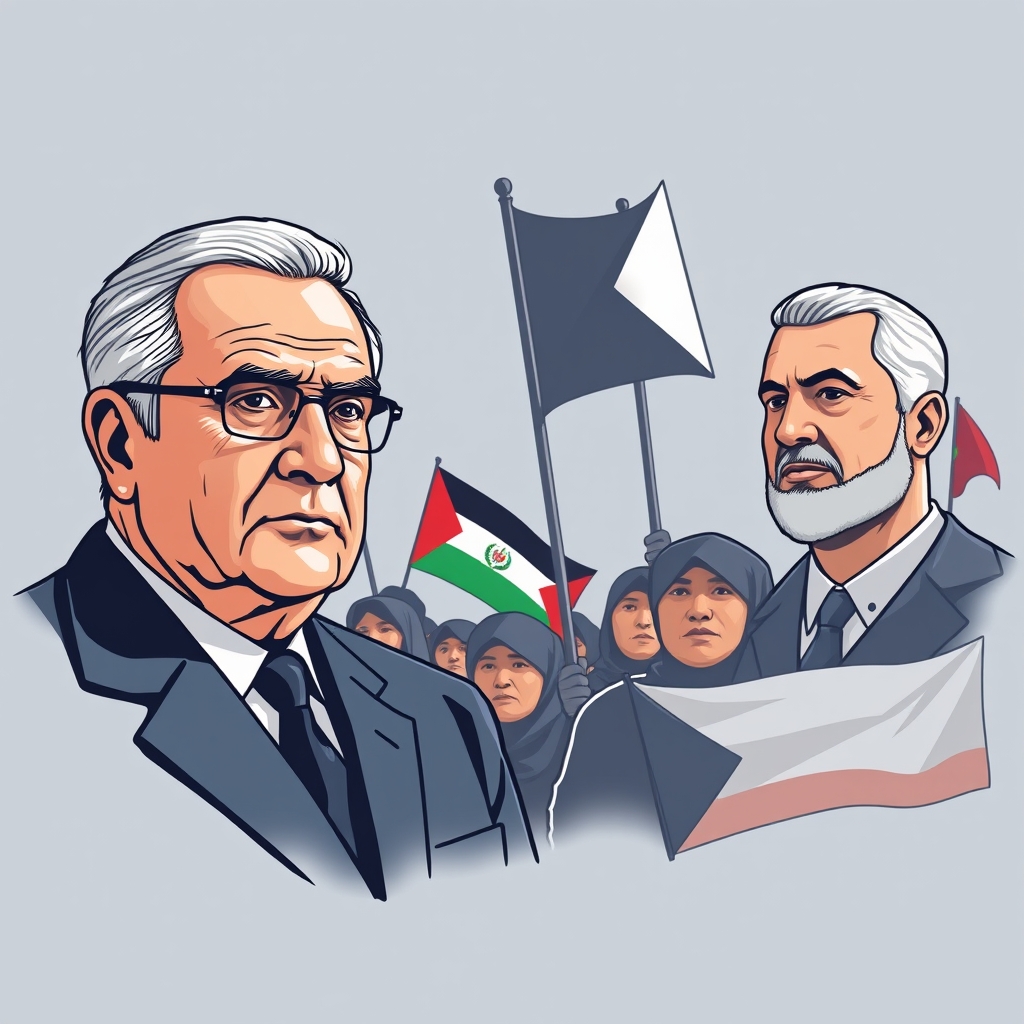
Pro-Palestinian protesters
VS
Ed Sheeran
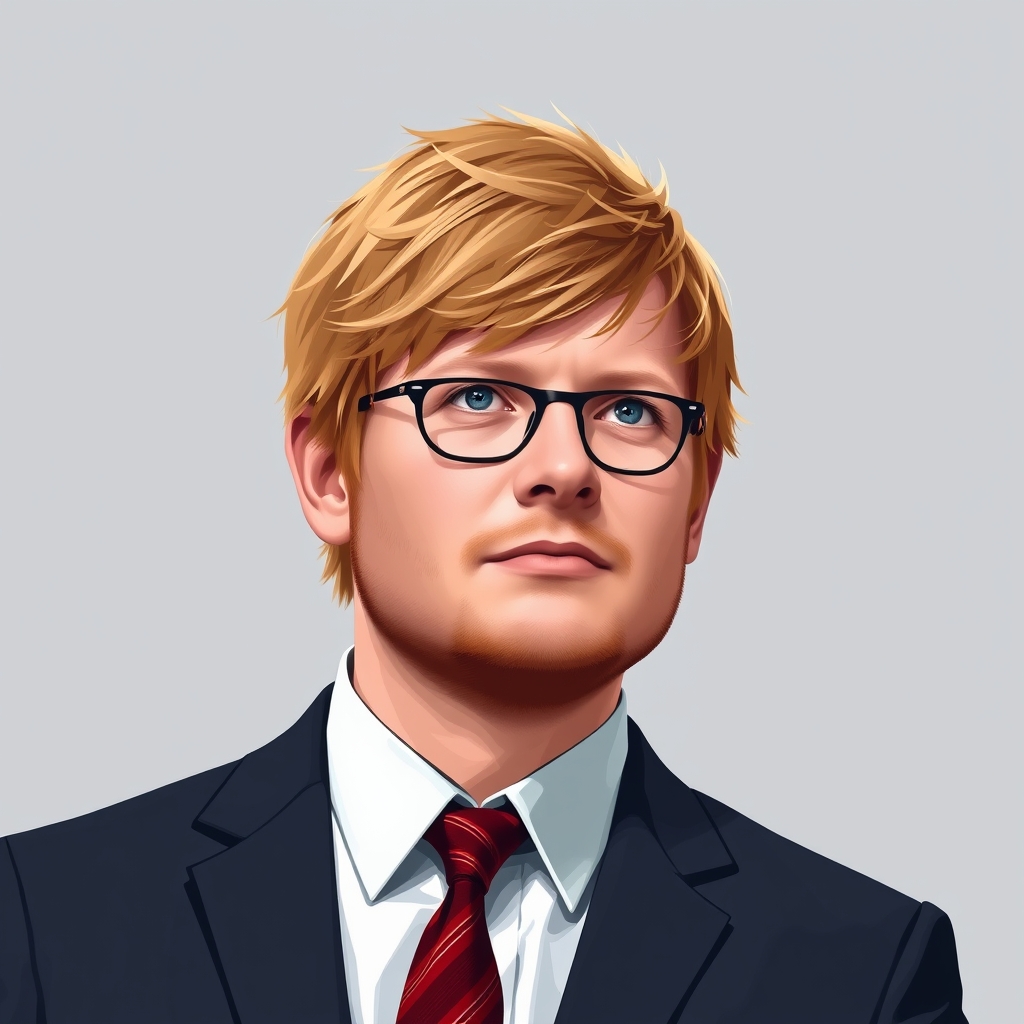
Ed Sheeran is an English singer-songwriter born in 1991, known for his pop music career and his foundation supporting music education for children.
Pro-Palestinian protesters are activists who advocate for Palestinian rights and have organized demonstrations at cultural events to draw attention to the Israeli-Palestinian conflict.
The two sides came into conflict after Macklemore, a rapper who was part of Sheeran's US tour, was dropped from the tour following a 'Free Palestine' shout at a New Jersey concert.
Pro-Palestinian protesters are expected to demonstrate at Sheeran's first gig since the incident, while Sheeran continues his tour amid the controversy.
The dispute centers on the removal of Macklemore and the broader cultural tensions surrounding the Israeli-Palestinian issue.
*AI-generated summary of publicly available data. This is not an official statement of any party.
*AI-generated summary of publicly available statements and reporting. This is not an official statement of this party.
Supporters of Pro-Palestinian protesters argue that Macklemore's removal shows cultural spaces punish solidarity with Palestine, so they protest Sheeran's tour to keep that cause visible.
Supporters of Pro-Palestinian protesters argue that silencing Macklemore's "Free Palestine" shout ties cultural expression to political censorship, so they gather at Sheeran's gig to keep the cause audible.
Supporters of Pro-Palestinian protesters counter that culture has never been apolitical: past boycotts of segregated venues succeeded precisely because audiences tied art to justice, so they argue shared music cannot be a neutral refuge from complicity.
Supporters of Pro-Palestinian protesters argue that dropping Macklemore over a "Free Palestine" shout punishes lawful political speech, and that venues and tour organizers must not selectively silence expression protected under free-speech principles.
Supporters of the protesters argue that dropping Macklemore for a "Free Palestine" shout suppresses lawful political speech, and that venues and tours must not penalize artists for expressing human-rights views.
Supporters of Pro-Palestinian protesters counter that contracts still can't lawfully bar speech on public-interest matters in some jurisdictions, and that dropping Macklemore over his political views, not his conduct, raises anti-discrimination concerns.
Supporters of Pro-Palestinian protesters argue that targeting Sheeran's tour is leverage: by making his shows costly, they force the industry to weigh reputational risk against complicity in silencing Palestine advocacy.
Supporters of Pro-Palestinian protesters argue that targeting Sheeran's gigs is leverage: Macklemore's removal proves pressure works, so the tour becomes the pressure point.
Pro-Palestinian protesters counter that silence is itself a costly choice: audiences and venues now reward visible stances, so Sheeran's neutrality cedes moral authority to rivals while forfeiting the leverage he could gain by choosing a side.
Supporters of Pro-Palestinian protesters argue that Macklemore's removal for saying "Free Palestine" makes punishing peaceful solidarity with Palestinian human rights a moral wrong.
Supporters of the Pro-Palestinian protesters argue that dropping Macklemore for saying "Free Palestine" punishes peaceful solidarity with Palestinian human rights, a moral duty they say no tour should silence.
Supporters of Pro-Palestinian protesters counter that moral duty cannot be outsourced to contracts: artists who stay silent while civilians are killed lend legitimacy to the violence, so neutrality itself becomes complicity.
Supporters of the Pro-Palestinian protesters argue that religious conscience compels solidarity with the oppressed, and they maintain that Macklemore's removal for a "Free Palestine" shout shows commercial pressure silencing moral witness.
Supporters of Pro-Palestinian protesters argue that conscience and religious conviction must not be silenced for commercial tours, maintaining that Macklemore's removal shows speech about Palestinian suffering is being punished.
Supporters of Pro-Palestinian protesters counter that religious duty also demands refusing complicity in injustice, so an artist’s promise cannot bind him to silence while civilians suffer.
*AI-generated summary of publicly available statements and reporting. This is not an official statement of this party.
Supporters of Ed Sheeran frame his continued tour as a defense of keeping cultural spaces separate from political protest, arguing that audiences attend concerts for shared musical experience, not competing national narratives.
Supporters of Ed Sheeran argue the tour is a cultural space, not a political platform, and that Macklemore's removal reflects a choice to keep the show focused on music rather than protest.
Supporters of Ed Sheeran counter that a pop concert is a cultural space, not a political battleground, and that importing the Israel-Palestine conflict into every tour erodes the shared popular culture that once united diverse audiences.
Supporters of Ed Sheeran argue that dropping Macklemore was a lawful contractual decision, and that performers have no legal right to use a private tour platform to voice political views the organizers did not agree to.
Supporters of Ed Sheeran argue that a tour is a private commercial contract, so the promoter may lawfully set performance terms and drop Macklemore for breaching them.
Supporters of Ed Sheeran counter that a private promoter's decision to drop an act is itself an exercise of free-speech and contractual discretion, not state censorship, so no speech right is infringed.
Supporters of Ed Sheeran argue that staying silent and continuing the tour protects his commercial leverage, since wading into the dispute risks alienating paying audiences without winning anything tangible.
Supporters of Ed Sheeran argue that staying silent and touring protects his commercial reach, since alienating US promoters and audiences over Gaza costs more than any protest he absorbs.
Supporters of Ed Sheeran counter that protest leverage cuts both ways: artists who bend to costly disruption invite more of it, so the shrewder move is to absorb the reputational hit, keep the tour running, and deny protesters the precedent of a win.
Supporters of Ed Sheeran argue that honoring tour contracts and keeping performances politically neutral is a moral duty, since audiences seek music, not protest.
Supporters of Ed Sheeran argue that an artist's stage is not a political platform, and that honoring tour contracts matters more than endorsing any movement's slogan.
Supporters of Ed Sheeran counter that punishing Macklemore for stating a moral truth violates a deeper principle: art and artists should not be silenced for defending human dignity, so the removal itself is the true moral wrong.
Supporters of Ed Sheeran maintain that contractual tour obligations and keeping performances free of political statements honor the duty of good faith, a principle rooted in religious teaching that promises be kept and neighbors dealt with honestly.
Supporters of Ed Sheeran argue that a tour is a commercial and artistic endeavor, not a theological battleground, and that keeping Macklemore's political slogan out of it respects the religious convictions of diverse fans.
Supporters of Ed Sheeran counter that religious conscience also binds artists to honor contractual duties and audience trust, so Macklemore's removal reflects a breach of agreed terms rather than the silencing of moral witness.
AI-generated summary of publicly available statements and reporting. This is not an official statement of this party.
Supporters of Pro-Palestinian protesters argue that Macklemore's removal shows cultural spaces punish solidarity with Palestine, so they protest Sheeran's tour to keep that cause visible.
Supporters of Pro-Palestinian protesters argue that silencing Macklemore's "Free Palestine" shout ties cultural expression to political censorship, so they gather at Sheeran's gig to keep the cause audible.
Supporters of Pro-Palestinian protesters counter that culture has never been apolitical: past boycotts of segregated venues succeeded precisely because audiences tied art to justice, so they argue shared music cannot be a neutral refuge from complicity.
Supporters of Pro-Palestinian protesters argue that dropping Macklemore over a "Free Palestine" shout punishes lawful political speech, and that venues and tour organizers must not selectively silence expression protected under free-speech principles.
Supporters of the protesters argue that dropping Macklemore for a "Free Palestine" shout suppresses lawful political speech, and that venues and tours must not penalize artists for expressing human-rights views.
Supporters of Pro-Palestinian protesters counter that contracts still can't lawfully bar speech on public-interest matters in some jurisdictions, and that dropping Macklemore over his political views, not his conduct, raises anti-discrimination concerns.
Supporters of Pro-Palestinian protesters argue that targeting Sheeran's tour is leverage: by making his shows costly, they force the industry to weigh reputational risk against complicity in silencing Palestine advocacy.
Supporters of Pro-Palestinian protesters argue that targeting Sheeran's gigs is leverage: Macklemore's removal proves pressure works, so the tour becomes the pressure point.
Pro-Palestinian protesters counter that silence is itself a costly choice: audiences and venues now reward visible stances, so Sheeran's neutrality cedes moral authority to rivals while forfeiting the leverage he could gain by choosing a side.
Supporters of Pro-Palestinian protesters argue that Macklemore's removal for saying "Free Palestine" makes punishing peaceful solidarity with Palestinian human rights a moral wrong.
Supporters of the Pro-Palestinian protesters argue that dropping Macklemore for saying "Free Palestine" punishes peaceful solidarity with Palestinian human rights, a moral duty they say no tour should silence.
Supporters of Pro-Palestinian protesters counter that moral duty cannot be outsourced to contracts: artists who stay silent while civilians are killed lend legitimacy to the violence, so neutrality itself becomes complicity.
Supporters of the Pro-Palestinian protesters argue that religious conscience compels solidarity with the oppressed, and they maintain that Macklemore's removal for a "Free Palestine" shout shows commercial pressure silencing moral witness.
Supporters of Pro-Palestinian protesters argue that conscience and religious conviction must not be silenced for commercial tours, maintaining that Macklemore's removal shows speech about Palestinian suffering is being punished.
Supporters of Pro-Palestinian protesters counter that religious duty also demands refusing complicity in injustice, so an artist’s promise cannot bind him to silence while civilians suffer.
Supporters of Ed Sheeran frame his continued tour as a defense of keeping cultural spaces separate from political protest, arguing that audiences attend concerts for shared musical experience, not competing national narratives.
Supporters of Ed Sheeran argue the tour is a cultural space, not a political platform, and that Macklemore's removal reflects a choice to keep the show focused on music rather than protest.
Supporters of Ed Sheeran counter that a pop concert is a cultural space, not a political battleground, and that importing the Israel-Palestine conflict into every tour erodes the shared popular culture that once united diverse audiences.
Supporters of Ed Sheeran argue that dropping Macklemore was a lawful contractual decision, and that performers have no legal right to use a private tour platform to voice political views the organizers did not agree to.
Supporters of Ed Sheeran argue that a tour is a private commercial contract, so the promoter may lawfully set performance terms and drop Macklemore for breaching them.
Supporters of Ed Sheeran counter that a private promoter's decision to drop an act is itself an exercise of free-speech and contractual discretion, not state censorship, so no speech right is infringed.
Supporters of Ed Sheeran argue that staying silent and continuing the tour protects his commercial leverage, since wading into the dispute risks alienating paying audiences without winning anything tangible.
Supporters of Ed Sheeran argue that staying silent and touring protects his commercial reach, since alienating US promoters and audiences over Gaza costs more than any protest he absorbs.
Supporters of Ed Sheeran counter that protest leverage cuts both ways: artists who bend to costly disruption invite more of it, so the shrewder move is to absorb the reputational hit, keep the tour running, and deny protesters the precedent of a win.
Supporters of Ed Sheeran argue that honoring tour contracts and keeping performances politically neutral is a moral duty, since audiences seek music, not protest.
Supporters of Ed Sheeran argue that an artist's stage is not a political platform, and that honoring tour contracts matters more than endorsing any movement's slogan.
Supporters of Ed Sheeran counter that punishing Macklemore for stating a moral truth violates a deeper principle: art and artists should not be silenced for defending human dignity, so the removal itself is the true moral wrong.
Supporters of Ed Sheeran maintain that contractual tour obligations and keeping performances free of political statements honor the duty of good faith, a principle rooted in religious teaching that promises be kept and neighbors dealt with honestly.
Supporters of Ed Sheeran argue that a tour is a commercial and artistic endeavor, not a theological battleground, and that keeping Macklemore's political slogan out of it respects the religious convictions of diverse fans.
Supporters of Ed Sheeran counter that religious conscience also binds artists to honor contractual duties and audience trust, so Macklemore's removal reflects a breach of agreed terms rather than the silencing of moral witness.
Macklemore was dropped from the tour after shouting 'Free Palestine' at a concert in New Jersey.
Pro-Palestinian protests are expected at Ed Sheeran's first gig since Macklemore was dropped from the tour.