Ed Sheeran
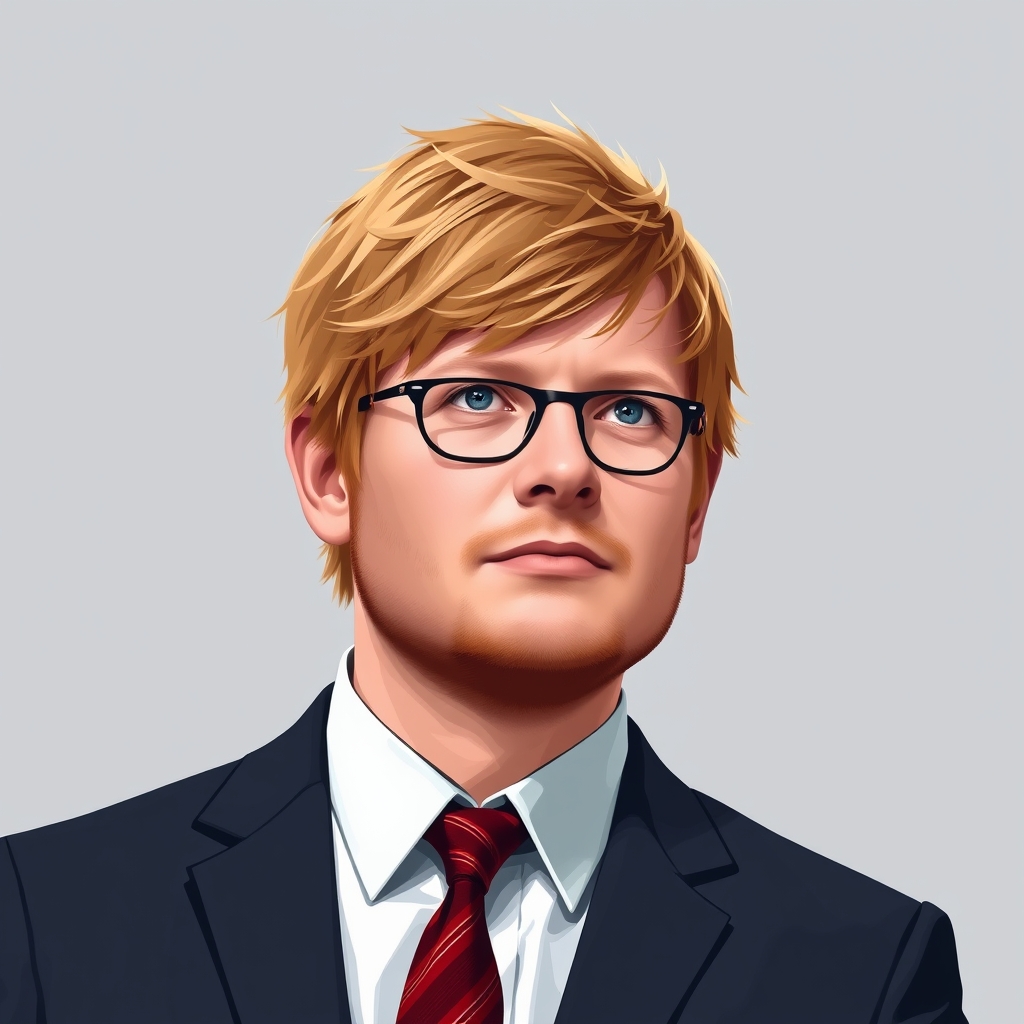
VS
Tour promoters

Ed Sheeran is a British singer-songwriter who was headlining a stadium tour, and Macklemore is an American rapper who had been booked as a supporting act on the US leg of that tour.
Tour promoters are the companies and venue operators responsible for organizing and hosting the concerts, and they hold authority over which acts appear at their venues.
The conflict arose after Macklemore made pro-Palestinian statements on stage at a MetLife Stadium show.
According to Sheeran, it was not his decision to remove Macklemore from the tour; he attributed the move to tour promoters after several venues allegedly told the trek's promoter they would not host the rapper.
The Israeli-American Council also launched a petition calling on Ed Sheeran and his tour team to remove Macklemore, adding further pressure.
The incident raises questions about whether artists should face consequences for political statements made during performances, and about the division of decision-making authority between headlining artists, promoters, and venues.
*AI-generated summary of publicly available data. This is not an official statement of any party.
*AI-generated summary of publicly available statements and reporting. This is not an official statement of this party.
Supporters of Ed Sheeran argue that preserving the concert as a shared cultural space, free from political friction, is a legitimate aim, and that promoters—not the artist—bear responsibility for shielding the tour's communal purpose.
Supporters of Ed Sheeran argue promoters acted to protect the tour's cross-cultural audience and commercial stability, maintaining that stages hosting diverse fans should not become venues for divisive political messaging.
Supporters of Ed Sheeran counter that live music's cultural value rests on authentic expression, not promoter curation, and that silencing an artist's conscience for commercial comfort betrays the tradition they claim to protect.
Supporters of Ed Sheeran argue the promoters held the contractual authority to remove Macklemore, so the legal decision was theirs, not the artist's—leaving Ed Sheeran without liability for the tour change.
Supporters of Ed Sheeran argue that tour promoters held the contractual authority to remove Macklemore, so the decision was a lawful exercise of their booking discretion rather than Ed Sheeran's own.
Supporters of Ed Sheeran counter that the promoter's contractual discretion is legally bounded by free-expression protections, arguing that removing Macklemore for on-stage political statements exceeds lawful discretion.
Supporters of Ed Sheeran argue he's a brand, not a sovereign; promoters own the commercial risk, so they alone decide whose politics ride the tour.
Supporters of Ed Sheeran argue he is a brand, not a sovereign; promoters who own the tour's economics cut Macklemore to protect revenue and venue access, and Sheeran merely declined to spend his own capital reversing it.
Supporters of Ed Sheeran counter that a promoter who caves to sponsor pressure teaches every future headliner that artistic risk is punishable, eroding the leverage promoters need to book bold acts at all.
Supporters of Ed Sheeran argue the moral fault lies with promoters, not him: he says the decision to drop Macklemore wasn't his, so penalizing an artist for others' commercial choices is unfair.
Supporters of Ed Sheeran argue he bears no moral blame, since tour promoters—not the artist—made the call to drop Macklemore, and holding Sheeran responsible for a commercial decision he didn't make misplaces accountability.
Supporters of Ed Sheeran counter that profit does not excuse silencing an artist's conscience; a stage paid for by fans is still a moral platform, not a sponsor's private censor board.
Supporters of Ed Sheeran argue the promoters acted to protect the tour's religiously diverse audiences, maintaining that a concert stage is for shared music, not political grievance, and that sacred convictions deserve respect.
Supporters of Ed Sheeran argue that promoters, not the artist, control tour lineups, and that religious and cultural sensitivities voiced by host communities deserve respect as a matter of conscience. They maintain that inherited norms of restraint at public events still matter.
Supporters of Ed Sheeran counter that scripture warns against judgment and censorship, citing Matthew 7:1, and argue that faith is better witnessed through grace and dialogue than through silencing opposing voices.
*AI-generated summary of publicly available statements and reporting. This is not an official statement of this party.
Supporters of Tour promoters argue that concerts are commercial cultural products, and promoters have historically curated lineups to protect audience experience and venue relationships, not to police artists' private politics.
Supporters of the tour promoters argue that live shows are commercial cultural products, and promoters historically guard the stage's brand from political controversy to protect audiences.
Supporters of Tour promoters counter that live music has always been a cultural battleground, not a neutral refuge, and that shielding a tour from politics simply hands cultural authority to whoever controls the stage.
Supporters of Tour promoters argue that private promoters hold the legal right to set performance terms, and removing Macklemore for on-stage political statements is a lawful exercise of contractual discretion.
Supporters of the tour promoters argue that private tour contracts grant promoters discretion over lineup decisions, so removing Macklemore fell within their lawful contractual authority.
Supporters of Tour promoters counter that a headliner’s approval right is a contractual condition, so promoters cannot exercise removal authority without Ed Sheeran’s consent, leaving promoters exposed to liability.
Supporters of the tour promoters argue that removing Macklemore was a business necessity: protecting sponsor relationships and ticket revenue outweighs an artist's on-stage politics, since the tour's viability depends on avoiding controversy.
Supporters of the tour promoters argue that protecting the commercial tour from political controversy is a pragmatic necessity, since venue contracts and sponsor deals hinge on avoiding backlash. In their view, Sheeran's brand, not Macklemore's activism, pays the bills.
Supporters of the promoters counter that owning the risk means owning the upside too: the headliner's name sells the tickets, so the star's leverage, not the contract, sets the terms.
Supporters of the tour promoters argue that a commercial tour is a private business contract, not a public platform, so promoters may set terms on political speech to protect sponsors and audiences.
Supporters of Tour promoters argue that commercial partners bear a moral duty to shield paying audiences from uninvited political messaging, holding that a concert's terms are theirs to set.
Supporters of Tour promoters counter that an artist who profits from a tour bears moral responsibility for its decisions, and that Sheeran's own name and brand gave promoters the authority to act.
Supporters of the tour promoters argue that scripture calls communities to guard public witness against messages they deem unjust, maintaining that removing Macklemore upholds a moral duty to avoid endorsing speech viewed as contrary to their faith's teaching.
Supporters of tour promoters argue that removing Macklemore upholds a moral duty to avoid endorsing political statements on stage, citing religious tradition that sacred performance spaces should not become platforms for contested causes.
Supporters of Tour promoters counter that a stage is no sanctuary; sacred conviction is honored by truthful witness, not by silencing grievance, and that peace purchased by muzzling the wounded is no peace at all.
AI-generated summary of publicly available statements and reporting. This is not an official statement of this party.
Supporters of Ed Sheeran argue that preserving the concert as a shared cultural space, free from political friction, is a legitimate aim, and that promoters—not the artist—bear responsibility for shielding the tour's communal purpose.
Supporters of Ed Sheeran argue promoters acted to protect the tour's cross-cultural audience and commercial stability, maintaining that stages hosting diverse fans should not become venues for divisive political messaging.
Supporters of Ed Sheeran counter that live music's cultural value rests on authentic expression, not promoter curation, and that silencing an artist's conscience for commercial comfort betrays the tradition they claim to protect.
Supporters of Ed Sheeran argue the promoters held the contractual authority to remove Macklemore, so the legal decision was theirs, not the artist's—leaving Ed Sheeran without liability for the tour change.
Supporters of Ed Sheeran argue that tour promoters held the contractual authority to remove Macklemore, so the decision was a lawful exercise of their booking discretion rather than Ed Sheeran's own.
Supporters of Ed Sheeran counter that the promoter's contractual discretion is legally bounded by free-expression protections, arguing that removing Macklemore for on-stage political statements exceeds lawful discretion.
Supporters of Ed Sheeran argue he's a brand, not a sovereign; promoters own the commercial risk, so they alone decide whose politics ride the tour.
Supporters of Ed Sheeran argue he is a brand, not a sovereign; promoters who own the tour's economics cut Macklemore to protect revenue and venue access, and Sheeran merely declined to spend his own capital reversing it.
Supporters of Ed Sheeran counter that a promoter who caves to sponsor pressure teaches every future headliner that artistic risk is punishable, eroding the leverage promoters need to book bold acts at all.
Supporters of Ed Sheeran argue the moral fault lies with promoters, not him: he says the decision to drop Macklemore wasn't his, so penalizing an artist for others' commercial choices is unfair.
Supporters of Ed Sheeran argue he bears no moral blame, since tour promoters—not the artist—made the call to drop Macklemore, and holding Sheeran responsible for a commercial decision he didn't make misplaces accountability.
Supporters of Ed Sheeran counter that profit does not excuse silencing an artist's conscience; a stage paid for by fans is still a moral platform, not a sponsor's private censor board.
Supporters of Ed Sheeran argue the promoters acted to protect the tour's religiously diverse audiences, maintaining that a concert stage is for shared music, not political grievance, and that sacred convictions deserve respect.
Supporters of Ed Sheeran argue that promoters, not the artist, control tour lineups, and that religious and cultural sensitivities voiced by host communities deserve respect as a matter of conscience. They maintain that inherited norms of restraint at public events still matter.
Supporters of Ed Sheeran counter that scripture warns against judgment and censorship, citing Matthew 7:1, and argue that faith is better witnessed through grace and dialogue than through silencing opposing voices.
Supporters of Tour promoters argue that concerts are commercial cultural products, and promoters have historically curated lineups to protect audience experience and venue relationships, not to police artists' private politics.
Supporters of the tour promoters argue that live shows are commercial cultural products, and promoters historically guard the stage's brand from political controversy to protect audiences.
Supporters of Tour promoters counter that live music has always been a cultural battleground, not a neutral refuge, and that shielding a tour from politics simply hands cultural authority to whoever controls the stage.
Supporters of Tour promoters argue that private promoters hold the legal right to set performance terms, and removing Macklemore for on-stage political statements is a lawful exercise of contractual discretion.
Supporters of the tour promoters argue that private tour contracts grant promoters discretion over lineup decisions, so removing Macklemore fell within their lawful contractual authority.
Supporters of Tour promoters counter that a headliner’s approval right is a contractual condition, so promoters cannot exercise removal authority without Ed Sheeran’s consent, leaving promoters exposed to liability.
Supporters of the tour promoters argue that removing Macklemore was a business necessity: protecting sponsor relationships and ticket revenue outweighs an artist's on-stage politics, since the tour's viability depends on avoiding controversy.
Supporters of the tour promoters argue that protecting the commercial tour from political controversy is a pragmatic necessity, since venue contracts and sponsor deals hinge on avoiding backlash. In their view, Sheeran's brand, not Macklemore's activism, pays the bills.
Supporters of the promoters counter that owning the risk means owning the upside too: the headliner's name sells the tickets, so the star's leverage, not the contract, sets the terms.
Supporters of the tour promoters argue that a commercial tour is a private business contract, not a public platform, so promoters may set terms on political speech to protect sponsors and audiences.
Supporters of Tour promoters argue that commercial partners bear a moral duty to shield paying audiences from uninvited political messaging, holding that a concert's terms are theirs to set.
Supporters of Tour promoters counter that an artist who profits from a tour bears moral responsibility for its decisions, and that Sheeran's own name and brand gave promoters the authority to act.
Supporters of the tour promoters argue that scripture calls communities to guard public witness against messages they deem unjust, maintaining that removing Macklemore upholds a moral duty to avoid endorsing speech viewed as contrary to their faith's teaching.
Supporters of tour promoters argue that removing Macklemore upholds a moral duty to avoid endorsing political statements on stage, citing religious tradition that sacred performance spaces should not become platforms for contested causes.
Supporters of Tour promoters counter that a stage is no sanctuary; sacred conviction is honored by truthful witness, not by silencing grievance, and that peace purchased by muzzling the wounded is no peace at all.
Macklemore made pro-Palestinian statements during a performance.
Tour promoters decided to remove Macklemore from Ed Sheeran's tour following his on-stage statements.
The Israeli-American Council launched a petition calling on Ed Sheeran and his tour team to remove Macklemore from the tour following his pro-Palestinian comments.
