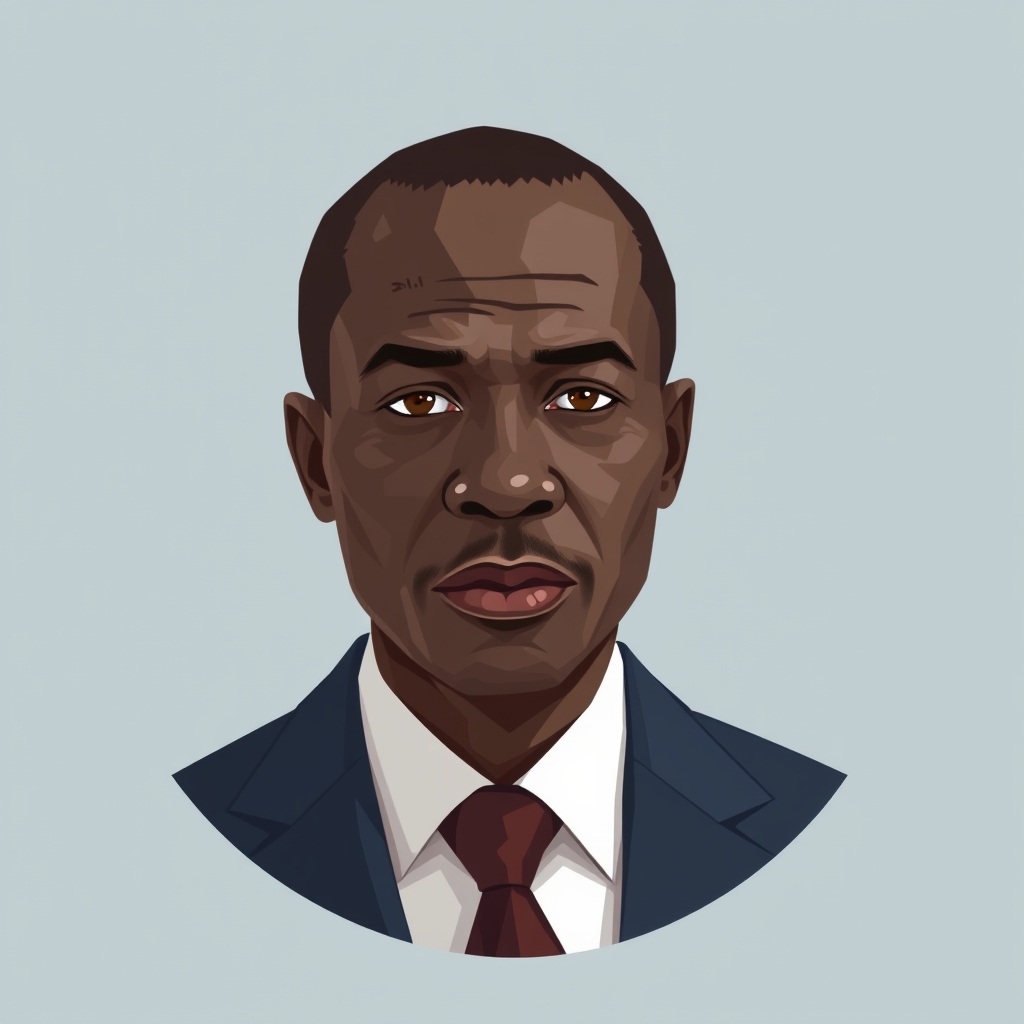
Edward Rukidi Kijanangoma
VS
Rival claimants
?
No actors in this side.
No actors in this side.
Edward Rukidi Kijanangoma is a Ugandan television news presenter, aged 56, who works as an anchor for UBC-TV.
He is a cousin of the late King Oyo Nyimba Kabamba Iguru Rukidi IV of the Toro Kingdom, one of Uganda's traditional monarchies, and a member of the Babiito (Babito) royal clan.
Following the death of King Oyo, a succession dispute emerged over who should become the next Omukama (the traditional title of the Toro monarch).
Royal clan elders and a selection committee named Edward Rukidi Kijanangoma as the next monarch and crown prince, a choice welcomed by his family and the Babiito clan.
However, this selection was rejected by Oyo's close family and the royal family, who disputed the process and the outcome.
The disagreement centers on which claimant has the legitimate right to ascend to the Toro throne.
The dispute has been described as bitter and has divided the kingdom's royal institutions, with the royal family reportedly proceeding with another candidate while Edward Rukidi Kijanangoma was announced as the new Omukama of Tooro.
The outcome determines who leads the Toro Kingdom's traditional institution.
*AI-generated summary of publicly available data. This is not an official statement of any party.
*AI-generated summary of publicly available statements and reporting. This is not an official statement of this party.
Supporters of Edward Rukidi Kijanangoma argue that upholding the kingdom's established succession customs preserves Toro's cultural continuity and stability, and that honoring the named successor safeguards inherited tradition.
Supporters of Edward Rukidi Kijanangoma argue that upholding the kingdom's customary succession rites preserves Toro's cultural continuity and inherited order, and that stability depends on honoring tradition as the source of legitimate authority.
Supporters of Edward Rukidi Kijanangoma counter that Toro's customs themselves empower the royal family's chosen heir, so invoking tradition against his appointment misreads the very lineage rules rivals claim to defend.
Supporters of Edward Rukidi Kijanangoma argue that naming him successor follows the established customary line of succession, and that rival claimants lack documented legal standing under Toro Kingdom tradition.
Supporters of Edward Rukidi Kijanangoma argue his accession is legally valid, citing the documented succession on Sep 29, 2026, and maintain that rival claims lack comparable recorded legal basis under Toro custom.
Supporters of Edward Rukidi Kijanangoma counter that the kingdom's own succession rules vest selection authority in designated royal lineage elders, so rival claimants invoking "customary process" must first show that process was lawfully convened.
Supporters of Edward Rukidi Kijanangoma argue that, with the throne vacant, possession of the crown and the backing of key kingdom institutions—not lineage debate—will decide the succession.
Supporters of Edward Rukidi Kijanangoma argue that possession of the throne, not lineage debate, settles legitimacy; they maintain rivals lack the backing to displace him.
Supporters of Edward Rukidi Kijanangoma counter that recognition follows control of the kingdom's institutions and revenue, so the decree is itself the fact factions must reckon with.
Supporters of Edward Rukidi Kijanangoma argue that lineage and customary designation, not rival assertions, confer legitimate moral authority to rule after King Oyo's death.
Supporters of Edward Rukidi Kijanangoma argue that his ascension follows the kingdom's established succession customs, and that honoring that process upholds the moral duty owed to Toro's traditions.
Supporters of Edward Rukidi Kijanangoma counter that moral legitimacy rests on serving Toro's living community, not rigid precedent, since ancestral custom itself was often reshaped to meet each generation's needs.
Supporters of Edward Rukidi Kijanangoma argue his ascension honors Toro's sacred royal tradition and ancestral custom, holding that legitimate kingship flows through recognized lineage and ritual blessing.
Supporters of Edward Rukidi Kijanangoma argue his ascension honors the Toro Kingdom's sacred royal tradition and ancestral custom, holding that legitimate succession follows the lineage's divinely ordered line.
Supporters of Edward Rukidi Kijanangoma counter that divine kingship in Toro rests on the ancestors' enduring spiritual will, not solely on ritual form, so legitimacy may persist even where customary rites are disputed.
*AI-generated summary of publicly available statements and reporting. This is not an official statement of this party.
Supporters of Rival claimants argue that Toro's cultural traditions and royal lineage customs, not a contested appointment, must determine who legitimately ascends the throne after King Oyo's death.
Supporters of the rival claimants argue that Toro's cultural traditions and royal lineage customs, not political appointment, must determine who legitimately sits on the throne.
Supporters of Rival claimants counter that ritual tradition is not frozen in one lineage, since Toro's cultural continuity has always depended on the wider clan's consent and the living custodians of custom rather than a single named heir.
Supporters of Rival claimants argue that Toro's royal succession follows customary law, not unilateral proclamation, so Edward Rukidi Kijanangoma's naming must yield to the kingdom's established legal process.
Supporters of Rival claimants argue that Toro's succession rules and customary law were not properly followed, so Edward Rukidi Kijanangoma's claim lacks legal legitimacy.
Supporters of the rival claimants counter that customary succession claims are unenforceable absent formal recognition under Uganda's Traditional Rulers Act, so the documentation dispute cuts against Kijanangoma too.
Supporters of Rival claimants argue that a throne named by decree, not lineage or council consent, is a claim built on convenience — and that whoever commands recognition from the kingdom's key factions, not the title itself, holds real power.
Rival claimants' backers argue Kijanangoma's accession is a raw power grab, not a legitimate claim; they maintain that whoever controls the palace and royal clan elders controls the throne, so bloodline alone settles nothing.
Supporters of Rival claimants counter that crowns and institutions follow the bloodline, not the reverse; control of regalia without recognized lineage invites rival mobilization, so possession alone cannot settle a vacant throne.
Rival claimants argue that bypassing established royal lineage customs to name Edward Rukidi Kijanangoma violates Toro's moral duty to ancestral tradition, insisting legitimacy must follow precedent, not expedience.
Supporters of Rival claimants argue that contested successions historically fracture Toro's royal lineage, so custom and legitimacy—not mere naming—must decide the throne.
Supporters of rival claimants counter that moral authority rests on a king's duty to his people, arguing that a lineage claim alone, without just governance, cannot command the obedience a throne demands.
Supporters of the rival claimants argue that Toro's royal succession is bound by sacred ancestral custom and ritual precedent, so any enthronement lacking the traditional religious rites and clan elders' blessing cannot be recognized as legitimate before the ancestors.
Supporters of Rival claimants argue that Toro's royal succession is sacred tradition, not a matter of mere appointment, and that ancestral and ritual customs must determine who legitimately ascends the throne.
Supporters of the rival claimants counter that ritual blessing belongs to the recognized Babiito line alone, arguing that tradition cannot validate a claim the ancestral spirits have not sanctioned.
AI-generated summary of publicly available statements and reporting. This is not an official statement of this party.
Supporters of Edward Rukidi Kijanangoma argue that upholding the kingdom's established succession customs preserves Toro's cultural continuity and stability, and that honoring the named successor safeguards inherited tradition.
Supporters of Edward Rukidi Kijanangoma argue that upholding the kingdom's customary succession rites preserves Toro's cultural continuity and inherited order, and that stability depends on honoring tradition as the source of legitimate authority.
Supporters of Edward Rukidi Kijanangoma counter that Toro's customs themselves empower the royal family's chosen heir, so invoking tradition against his appointment misreads the very lineage rules rivals claim to defend.
Supporters of Edward Rukidi Kijanangoma argue that naming him successor follows the established customary line of succession, and that rival claimants lack documented legal standing under Toro Kingdom tradition.
Supporters of Edward Rukidi Kijanangoma argue his accession is legally valid, citing the documented succession on Sep 29, 2026, and maintain that rival claims lack comparable recorded legal basis under Toro custom.
Supporters of Edward Rukidi Kijanangoma counter that the kingdom's own succession rules vest selection authority in designated royal lineage elders, so rival claimants invoking "customary process" must first show that process was lawfully convened.
Supporters of Edward Rukidi Kijanangoma argue that, with the throne vacant, possession of the crown and the backing of key kingdom institutions—not lineage debate—will decide the succession.
Supporters of Edward Rukidi Kijanangoma argue that possession of the throne, not lineage debate, settles legitimacy; they maintain rivals lack the backing to displace him.
Supporters of Edward Rukidi Kijanangoma counter that recognition follows control of the kingdom's institutions and revenue, so the decree is itself the fact factions must reckon with.
Supporters of Edward Rukidi Kijanangoma argue that lineage and customary designation, not rival assertions, confer legitimate moral authority to rule after King Oyo's death.
Supporters of Edward Rukidi Kijanangoma argue that his ascension follows the kingdom's established succession customs, and that honoring that process upholds the moral duty owed to Toro's traditions.
Supporters of Edward Rukidi Kijanangoma counter that moral legitimacy rests on serving Toro's living community, not rigid precedent, since ancestral custom itself was often reshaped to meet each generation's needs.
Supporters of Edward Rukidi Kijanangoma argue his ascension honors Toro's sacred royal tradition and ancestral custom, holding that legitimate kingship flows through recognized lineage and ritual blessing.
Supporters of Edward Rukidi Kijanangoma argue his ascension honors the Toro Kingdom's sacred royal tradition and ancestral custom, holding that legitimate succession follows the lineage's divinely ordered line.
Supporters of Edward Rukidi Kijanangoma counter that divine kingship in Toro rests on the ancestors' enduring spiritual will, not solely on ritual form, so legitimacy may persist even where customary rites are disputed.
Supporters of Rival claimants argue that Toro's cultural traditions and royal lineage customs, not a contested appointment, must determine who legitimately ascends the throne after King Oyo's death.
Supporters of the rival claimants argue that Toro's cultural traditions and royal lineage customs, not political appointment, must determine who legitimately sits on the throne.
Supporters of Rival claimants counter that ritual tradition is not frozen in one lineage, since Toro's cultural continuity has always depended on the wider clan's consent and the living custodians of custom rather than a single named heir.
Supporters of Rival claimants argue that Toro's royal succession follows customary law, not unilateral proclamation, so Edward Rukidi Kijanangoma's naming must yield to the kingdom's established legal process.
Supporters of Rival claimants argue that Toro's succession rules and customary law were not properly followed, so Edward Rukidi Kijanangoma's claim lacks legal legitimacy.
Supporters of the rival claimants counter that customary succession claims are unenforceable absent formal recognition under Uganda's Traditional Rulers Act, so the documentation dispute cuts against Kijanangoma too.
Supporters of Rival claimants argue that a throne named by decree, not lineage or council consent, is a claim built on convenience — and that whoever commands recognition from the kingdom's key factions, not the title itself, holds real power.
Rival claimants' backers argue Kijanangoma's accession is a raw power grab, not a legitimate claim; they maintain that whoever controls the palace and royal clan elders controls the throne, so bloodline alone settles nothing.
Supporters of Rival claimants counter that crowns and institutions follow the bloodline, not the reverse; control of regalia without recognized lineage invites rival mobilization, so possession alone cannot settle a vacant throne.
Rival claimants argue that bypassing established royal lineage customs to name Edward Rukidi Kijanangoma violates Toro's moral duty to ancestral tradition, insisting legitimacy must follow precedent, not expedience.
Supporters of Rival claimants argue that contested successions historically fracture Toro's royal lineage, so custom and legitimacy—not mere naming—must decide the throne.
Supporters of rival claimants counter that moral authority rests on a king's duty to his people, arguing that a lineage claim alone, without just governance, cannot command the obedience a throne demands.
Supporters of the rival claimants argue that Toro's royal succession is bound by sacred ancestral custom and ritual precedent, so any enthronement lacking the traditional religious rites and clan elders' blessing cannot be recognized as legitimate before the ancestors.
Supporters of Rival claimants argue that Toro's royal succession is sacred tradition, not a matter of mere appointment, and that ancestral and ritual customs must determine who legitimately ascends the throne.
Supporters of the rival claimants counter that ritual blessing belongs to the recognized Babiito line alone, arguing that tradition cannot validate a claim the ancestral spirits have not sanctioned.
The previous king of the Toro Kingdom died last month.
Edward Rukidi Kijanangoma ascends to the throne after a succession dispute.
A selection committee for Tooro announced the choice of Edward Rukidi Kijanangoma, a cousin of the late king, as crown prince following a search.
The royal family rejected the naming of Prince Edward Rukidi Kijanangoma, a 56-year-old TV news presenter, as the next monarch by royal clan elders.
The Babito Clan of Tooro declared Edward Kijanangoma Rukidi as the next king, a decision welcomed by his family.
The kingdom later proceeded with another candidate, and Edward Rukiidi Kijanangoma was selected and announced as the new Omukama of Tooro.
