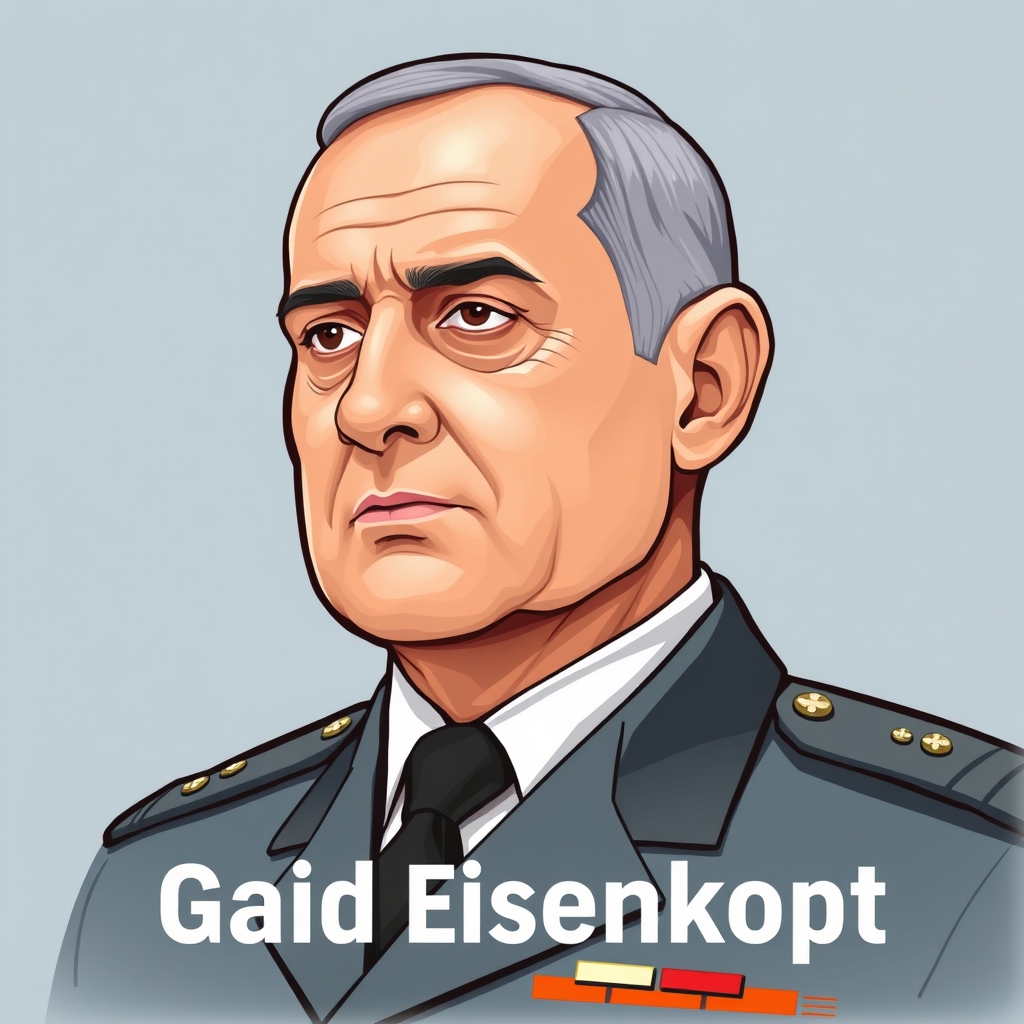
Eisenkot and Gantz

VS
Netanyahu

Israel's president has tasked opposition leader Benny Gantz with forming a new government.
Gantz's ally Gadi Eisenkot has signaled openness to Prime Minister Benjamin Netanyahu joining the next coalition, raising debate over whether Netanyahu should be included in a future government.
*AI-generated summary of publicly available data. This is not an official statement of any party.
*AI-generated summary of publicly available statements and reporting. This is not an official statement of this party.
Supporters of Eisenkot and Gantz invoke a cultural tradition of national unity governments, arguing that past coalitions spanning rival camps held the country together in crises and that including Netanyahu now follows that precedent.
Supporters of Eisenkot and Gantz argue that Israeli political culture has long favored broad national unity coalitions in times of crisis, and they point to that precedent to justify leaving the door open to Netanyahu.
Supporters of Eisenkot and Gantz counter that the traditional coalition framework long depended on Haredi parties' cultural patronage, and that preserving that arrangement sacrifices the broad national unity those leaders see as the real source of continuity.
Supporters of Eisenkot and Gantz argue that any coalition including Netanyahu must satisfy legal and ethical vetting, maintaining that the president's mandate to Gantz creates a lawful framework for weighing whether Netanyahu's legal exposure should bar his inclusion.
Supporters of Eisenkot and Gantz argue that any Netanyahu role must rest on enforceable legal and ethical safeguards, maintaining that coalition inclusion is legitimate only if it complies with due process and the rule of law.
Supporters of Eisenkot and Gantz counter that a legal mandate to form a coalition rests with the designated member, not with any party leader, so tasking Gantz reflects the statutory process rather than disregarding voters.
Supporters of Eisenkot and Gantz argue that bringing Netanyahu into the coalition neutralizes the rival who could otherwise dismantle it from outside, trading a cabinet seat for stability.
Supporters of Eisenkot and Gantz argue that bringing Netanyahu into the coalition neutralizes the opposition's most dangerous rival by binding him to collective responsibility, trading ideological purity for governing leverage.
Supporters of Eisenkot and Gantz counter that Netanyahu’s bloc would extract concessions as the price of stability, making the coalition a hostage arrangement where leverage flows to him, not the government.
Supporters of Eisenkot and Gantz argue that including Netanyahu in the coalition serves the moral duty of national unity, putting the country's shared interest above partisan grievance.
Supporters of Eisenkot and Gantz argue that including Netanyahu serves the moral duty of national unity in crisis, and they maintain that a broad coalition puts the country's security above partisan retribution.
Supporters of Eisenkot and Gantz counter that an electoral mandate cannot excuse a leader facing serious charges, arguing that accountability before the law is a moral duty that outweighs any claim to govern.
Supporters of Eisenkot and Gantz argue that including Netanyahu honors the religious duty of preserving national unity and avoiding internal strife, citing the tradition that communal cohesion takes precedence over factional dispute.
Supporters of Eisenkot and Gantz argue that including Netanyahu in the coalition serves Jewish unity and continuity, maintaining that preserving communal cohesion and inherited political order outweighs factional disputes.
Supporters of Eisenkot and Gantz counter that the sages' warnings against factional strife apply equally to a leader who, they argue, places personal survival above the nation's covenant, and they contend that true unity requires moral accountability rather than uncritical allegi.
*AI-generated summary of publicly available statements and reporting. This is not an official statement of this party.
Supporters of Netanyahu argue that including him preserves the continuity of experienced leadership and the traditional coalition framework that has long sustained the country's governance.
Supporters of Netanyahu argue that including him preserves continuity of experienced leadership and the stability of established governing traditions, warning that excluding a veteran figure risks unsettling the country's political order.
Supporters of Netanyahu counter that unity governments have historically been built on shared responsibility, not on seating a leader facing serious charges, and they argue that preserving the institutional trust underpinning that cultural tradition matters more than repeating it.
Supporters of Netanyahu argue that any coalition including Likud must respect the legal mandate voters gave him, and they maintain that excluding him from a government Gantz is tasked with forming would disregard the democratic will of his electorate.
Supporters of Netanyahu argue that any coalition including his Likud party must respect the legal mandate voters gave it and that excluding the largest elected bloc would undermine democratic legitimacy.
Supporters of Netanyahu counter that the president's mandate confers no legal authority to disqualify a candidate on the basis of pending legal exposure, since a presumption of innocence governs until a final ruling.
Supporters of Netanyahu argue that including him in Gantz’s coalition is a pragmatic necessity, since his bloc’s seats give any government the stability and leverage needed to survive.
Supporters of Netanyahu argue that excluding him from Gantz's coalition would fracture the right-wing bloc and destabilize any government, so they maintain that his inclusion is the pragmatic price of durable power.
Supporters of Netanyahu counter that a cabinet seat hands him the coalition's levers, not stability—once inside, he can pull the government apart on his own terms rather than from outside.
Supporters of Netanyahu argue that excluding him would override voters who backed his bloc, since a government formed without him lacks an electoral mandate.
Supporters of Netanyahu argue that excluding him would override voters who backed his bloc, and they maintain that a mandate from the electorate, not coalition horse-trading, is the morally legitimate basis for forming a government.
Supporters of Netanyahu counter that unity achieved by seating a leader under active criminal indictment morally compromises the coalition, arguing shared interest cannot be built on shielding him from accountability.
Supporters of Netanyahu argue that scripture commands the preservation of Israel's unity, citing the sages' teaching that factional division invites judgment, and maintain that a coalition excluding him fractures the nation's covenant solidarity.
Supporters of Netanyahu argue that Jewish law obligates preserving a united Israel against external threats, so they contend that excluding him from the coalition risks division and endangers the nation.
Supporters of Netanyahu counter that scripture also commands rebuking evil and pursuing justice, and they argue that unity built on what they see as unaccountable leadership betrays the very divine law that communal cohesion is meant to serve.
AI-generated summary of publicly available statements and reporting. This is not an official statement of this party.
Supporters of Eisenkot and Gantz invoke a cultural tradition of national unity governments, arguing that past coalitions spanning rival camps held the country together in crises and that including Netanyahu now follows that precedent.
Supporters of Eisenkot and Gantz argue that Israeli political culture has long favored broad national unity coalitions in times of crisis, and they point to that precedent to justify leaving the door open to Netanyahu.
Supporters of Eisenkot and Gantz counter that the traditional coalition framework long depended on Haredi parties' cultural patronage, and that preserving that arrangement sacrifices the broad national unity those leaders see as the real source of continuity.
Supporters of Eisenkot and Gantz argue that any coalition including Netanyahu must satisfy legal and ethical vetting, maintaining that the president's mandate to Gantz creates a lawful framework for weighing whether Netanyahu's legal exposure should bar his inclusion.
Supporters of Eisenkot and Gantz argue that any Netanyahu role must rest on enforceable legal and ethical safeguards, maintaining that coalition inclusion is legitimate only if it complies with due process and the rule of law.
Supporters of Eisenkot and Gantz counter that a legal mandate to form a coalition rests with the designated member, not with any party leader, so tasking Gantz reflects the statutory process rather than disregarding voters.
Supporters of Eisenkot and Gantz argue that bringing Netanyahu into the coalition neutralizes the rival who could otherwise dismantle it from outside, trading a cabinet seat for stability.
Supporters of Eisenkot and Gantz argue that bringing Netanyahu into the coalition neutralizes the opposition's most dangerous rival by binding him to collective responsibility, trading ideological purity for governing leverage.
Supporters of Eisenkot and Gantz counter that Netanyahu’s bloc would extract concessions as the price of stability, making the coalition a hostage arrangement where leverage flows to him, not the government.
Supporters of Eisenkot and Gantz argue that including Netanyahu in the coalition serves the moral duty of national unity, putting the country's shared interest above partisan grievance.
Supporters of Eisenkot and Gantz argue that including Netanyahu serves the moral duty of national unity in crisis, and they maintain that a broad coalition puts the country's security above partisan retribution.
Supporters of Eisenkot and Gantz counter that an electoral mandate cannot excuse a leader facing serious charges, arguing that accountability before the law is a moral duty that outweighs any claim to govern.
Supporters of Eisenkot and Gantz argue that including Netanyahu honors the religious duty of preserving national unity and avoiding internal strife, citing the tradition that communal cohesion takes precedence over factional dispute.
Supporters of Eisenkot and Gantz argue that including Netanyahu in the coalition serves Jewish unity and continuity, maintaining that preserving communal cohesion and inherited political order outweighs factional disputes.
Supporters of Eisenkot and Gantz counter that the sages' warnings against factional strife apply equally to a leader who, they argue, places personal survival above the nation's covenant, and they contend that true unity requires moral accountability rather than uncritical allegi.
Supporters of Netanyahu argue that including him preserves the continuity of experienced leadership and the traditional coalition framework that has long sustained the country's governance.
Supporters of Netanyahu argue that including him preserves continuity of experienced leadership and the stability of established governing traditions, warning that excluding a veteran figure risks unsettling the country's political order.
Supporters of Netanyahu counter that unity governments have historically been built on shared responsibility, not on seating a leader facing serious charges, and they argue that preserving the institutional trust underpinning that cultural tradition matters more than repeating it.
Supporters of Netanyahu argue that any coalition including Likud must respect the legal mandate voters gave him, and they maintain that excluding him from a government Gantz is tasked with forming would disregard the democratic will of his electorate.
Supporters of Netanyahu argue that any coalition including his Likud party must respect the legal mandate voters gave it and that excluding the largest elected bloc would undermine democratic legitimacy.
Supporters of Netanyahu counter that the president's mandate confers no legal authority to disqualify a candidate on the basis of pending legal exposure, since a presumption of innocence governs until a final ruling.
Supporters of Netanyahu argue that including him in Gantz’s coalition is a pragmatic necessity, since his bloc’s seats give any government the stability and leverage needed to survive.
Supporters of Netanyahu argue that excluding him from Gantz's coalition would fracture the right-wing bloc and destabilize any government, so they maintain that his inclusion is the pragmatic price of durable power.
Supporters of Netanyahu counter that a cabinet seat hands him the coalition's levers, not stability—once inside, he can pull the government apart on his own terms rather than from outside.
Supporters of Netanyahu argue that excluding him would override voters who backed his bloc, since a government formed without him lacks an electoral mandate.
Supporters of Netanyahu argue that excluding him would override voters who backed his bloc, and they maintain that a mandate from the electorate, not coalition horse-trading, is the morally legitimate basis for forming a government.
Supporters of Netanyahu counter that unity achieved by seating a leader under active criminal indictment morally compromises the coalition, arguing shared interest cannot be built on shielding him from accountability.
Supporters of Netanyahu argue that scripture commands the preservation of Israel's unity, citing the sages' teaching that factional division invites judgment, and maintain that a coalition excluding him fractures the nation's covenant solidarity.
Supporters of Netanyahu argue that Jewish law obligates preserving a united Israel against external threats, so they contend that excluding him from the coalition risks division and endangers the nation.
Supporters of Netanyahu counter that scripture also commands rebuking evil and pursuing justice, and they argue that unity built on what they see as unaccountable leadership betrays the very divine law that communal cohesion is meant to serve.
Israel's president officially tasks opposition leader Benny Gantz with forming a new government.