Indian government

VS
Elon Musk
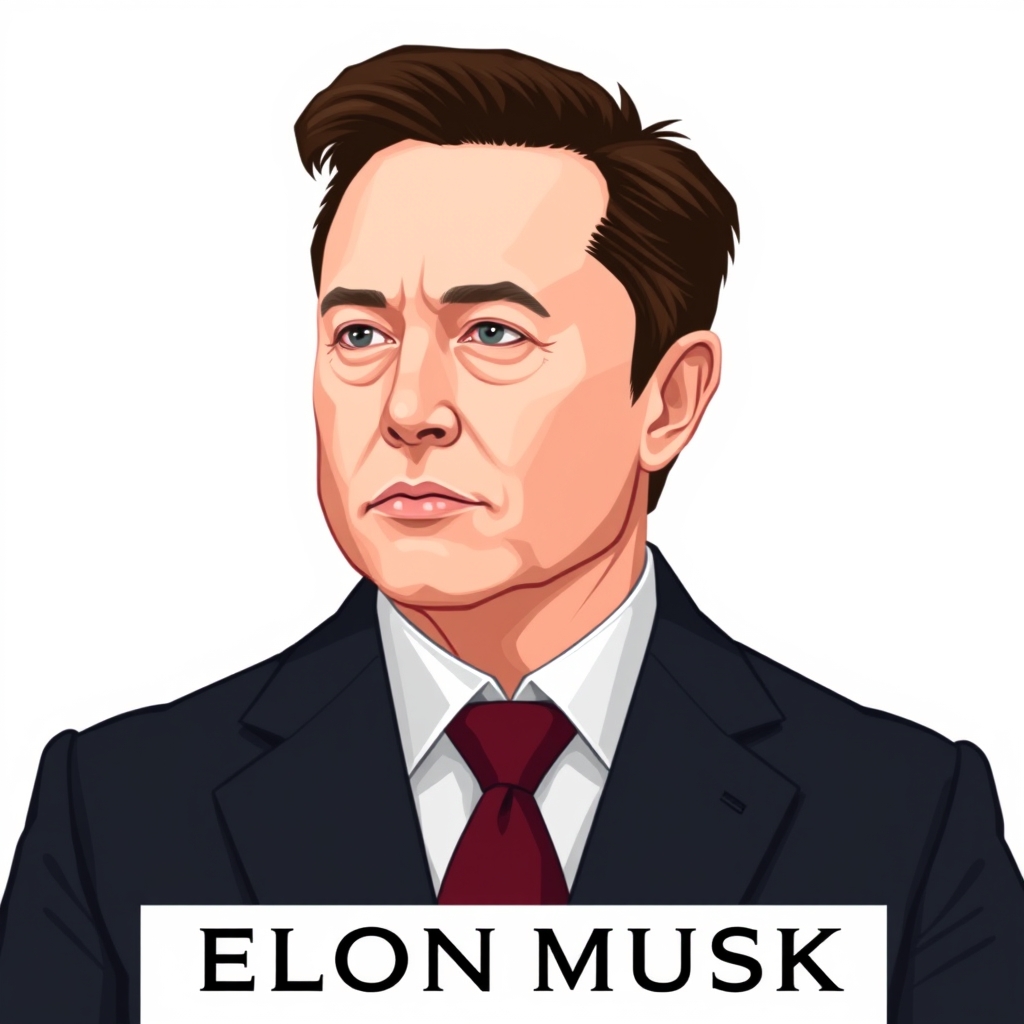
Elon Musk has claimed that unnamed entities are blocking Starlink's launch in India to maintain a monopoly.
India has defended its satellite internet approval process, rejecting the allegation of protectionism.
*AI-generated summary of publicly available data. This is not an official statement of any party.
*AI-generated summary of publicly available statements and reporting. This is not an official statement of this party.
Supporters of the Indian government argue that requiring Starlink to follow the same licensing and security rules as domestic firms protects India's cultural and digital sovereignty, not protectionism.
Supporters of the Indian government argue that India's approval process reflects sovereign cultural authority, not protectionism, and that foreign satellite operators must respect national rules just as domestic ones do.
Supporters of the Indian government counter that licensing rules safeguard cultural sovereignty, arguing that a nation's right to shape its own digital space outweighs foreign firms' claims to open access.
Supporters of the Indian government argue that Starlink's launch is governed by established licensing and security rules applied equally to all providers, and that Musk's monopoly claim lacks legal evidence.
Supporters of the Indian government argue that India's satellite internet approval process is a lawful exercise of national sovereignty, applying the same regulatory standards to all applicants, and that Musk's monopoly claim lacks legal evidence.
Supporters of the Indian government counter that licensing rules apply equally to all satcom applicants, and Starlink's own pending compliance with security and spectrum norms—not incumbent protection—is the lawful basis for any delay.
Supporters of the Indian government argue that sovereignty over licensing is leverage, not protectionism, and that Musk's monopoly claim conveniently ignores India's power to set terms for market entry.
Supporters of the Indian government argue that controlling satellite internet licensing is leverage over foreign firms, and that Musk's "monopoly" claim misreads sovereign gatekeeping as protectionism.
Supporters of the Indian government counter that licensing rules are leverage too: New Delhi can grant spectrum access on its terms, forcing Starlink to accept local control rather than dictate market entry.
Supporters of the Indian government argue that national sovereignty grants every state the moral right to regulate foreign corporations within its borders, insisting satcom licensing safeguards security and fair competition rather than shielding monopolies.
Supporters of the Indian government argue that India's satellite internet approval process upholds national security and fair competition, not protectionism, and that sovereignty requires vetting foreign operators before granting market access.
Supporters of the Indian government counter that national law, not private preference, defines moral duty; they argue sovereignty and citizen welfare outweigh an outsider's claim to define fairness for India.
Supporters of Indian government argue that sovereign regulatory authority over satellite licensing is a God-given trust, and that Scripture commands rulers to govern justly, so due process is no sin.
Supporters of the Indian government argue that its satellite internet approval process reflects a commitment to lawful, orderly governance rather than protectionism, upholding regulatory authority as a matter of national duty.
Supporters of the Indian government counter that scripture calls for honest governance, and the approval process follows lawful authority rather than favoring any domestic interest.
*AI-generated summary of publicly available statements and reporting. This is not an official statement of this party.
Supporters of Elon Musk argue that India's licensing process reflects a cultural preference for entrenched domestic control over open competition, and that such protectionism, however traditional, stalls the innovation and connectivity the nation needs.
Supporters of Elon Musk argue that India’s licensing process reflects a cultural preference for entrenched domestic control over open competition, and they contend that inherited institutional habits, not national security, are delaying Starlink.
Supporters of Elon Musk counter that "digital sovereignty" is a slogan for gatekeeping: India's own IT boom was built by bypassing state control, so invoking cultural protection to delay Starlink merely entrenches incumbents.
Supporters of Elon Musk argue that India's licensing rules grant incumbents a de facto legal shield against Starlink, and that fairness demands neutral, transparent approval standards rather than barriers protecting market monopolies.
Supporters of Elon Musk argue India's licensing regime lacks transparent, rule-based criteria, letting incumbents delay Starlink and entrench a legally protected monopoly.
Supporters of Elon Musk counter that equal application is the legal test, yet India's licensing framework grants domestic providers protections foreign entrants lack, making the monopoly claim a matter of statutory design, not evidence.
Supporters of Elon Musk argue that incumbents weaponize India's licensing process to shield market share, and that Starlink's push is less about rules than leverage to force a faster opening.
Supporters of Elon Musk argue India's licensing delay is leverage, not principle: incumbents and officials profit from scarcity, so Starlink's entry threatens rents more than rules.
Supporters of Elon Musk counter that sovereignty cuts both ways: India needs Starlink's connectivity for rural and defense gaps more than Musk needs one market, so licensing leverage is weaker than it appears.
Supporters of Elon Musk argue that moral consistency demands India apply neutral, transparent rules rather than letting incumbents quietly shape approvals, since blocking Starlink to shield a monopoly denies Indians the voluntary choice and competition they deserve.
Supporters of Elon Musk argue that moral consistency demands India apply its own free-market rhetoric to satellite internet, contending that blocking Starlink to shield incumbents violates the liberty of Indian consumers.
Supporters of Elon Musk counter that sovereignty cannot make it moral to deny consenting Indians access to cheaper satellite internet, since a state's claim over borders never outweighs an individual's right to voluntary exchange.
Supporters of Elon Musk argue that India's satellite approval process risks favoring established domestic interests over fair access, though religious tradition counsels deference to lawful authority and patience.
Supporters of Elon Musk argue that sovereign approval processes, however lawful, can become instruments of entrenched monopoly, and they invoke a moral claim that connectivity is a good owed to the excluded.
Supporters of Elon Musk counter that Scripture also warns rulers against unjust decrees, and that a licensing process delaying Starlink for years while communities lack connectivity may itself fail that divine standard of justice.
AI-generated summary of publicly available statements and reporting. This is not an official statement of this party.
Supporters of the Indian government argue that requiring Starlink to follow the same licensing and security rules as domestic firms protects India's cultural and digital sovereignty, not protectionism.
Supporters of the Indian government argue that India's approval process reflects sovereign cultural authority, not protectionism, and that foreign satellite operators must respect national rules just as domestic ones do.
Supporters of the Indian government counter that licensing rules safeguard cultural sovereignty, arguing that a nation's right to shape its own digital space outweighs foreign firms' claims to open access.
Supporters of the Indian government argue that Starlink's launch is governed by established licensing and security rules applied equally to all providers, and that Musk's monopoly claim lacks legal evidence.
Supporters of the Indian government argue that India's satellite internet approval process is a lawful exercise of national sovereignty, applying the same regulatory standards to all applicants, and that Musk's monopoly claim lacks legal evidence.
Supporters of the Indian government counter that licensing rules apply equally to all satcom applicants, and Starlink's own pending compliance with security and spectrum norms—not incumbent protection—is the lawful basis for any delay.
Supporters of the Indian government argue that sovereignty over licensing is leverage, not protectionism, and that Musk's monopoly claim conveniently ignores India's power to set terms for market entry.
Supporters of the Indian government argue that controlling satellite internet licensing is leverage over foreign firms, and that Musk's "monopoly" claim misreads sovereign gatekeeping as protectionism.
Supporters of the Indian government counter that licensing rules are leverage too: New Delhi can grant spectrum access on its terms, forcing Starlink to accept local control rather than dictate market entry.
Supporters of the Indian government argue that national sovereignty grants every state the moral right to regulate foreign corporations within its borders, insisting satcom licensing safeguards security and fair competition rather than shielding monopolies.
Supporters of the Indian government argue that India's satellite internet approval process upholds national security and fair competition, not protectionism, and that sovereignty requires vetting foreign operators before granting market access.
Supporters of the Indian government counter that national law, not private preference, defines moral duty; they argue sovereignty and citizen welfare outweigh an outsider's claim to define fairness for India.
Supporters of Indian government argue that sovereign regulatory authority over satellite licensing is a God-given trust, and that Scripture commands rulers to govern justly, so due process is no sin.
Supporters of the Indian government argue that its satellite internet approval process reflects a commitment to lawful, orderly governance rather than protectionism, upholding regulatory authority as a matter of national duty.
Supporters of the Indian government counter that scripture calls for honest governance, and the approval process follows lawful authority rather than favoring any domestic interest.
Supporters of Elon Musk argue that India's licensing process reflects a cultural preference for entrenched domestic control over open competition, and that such protectionism, however traditional, stalls the innovation and connectivity the nation needs.
Supporters of Elon Musk argue that India’s licensing process reflects a cultural preference for entrenched domestic control over open competition, and they contend that inherited institutional habits, not national security, are delaying Starlink.
Supporters of Elon Musk counter that "digital sovereignty" is a slogan for gatekeeping: India's own IT boom was built by bypassing state control, so invoking cultural protection to delay Starlink merely entrenches incumbents.
Supporters of Elon Musk argue that India's licensing rules grant incumbents a de facto legal shield against Starlink, and that fairness demands neutral, transparent approval standards rather than barriers protecting market monopolies.
Supporters of Elon Musk argue India's licensing regime lacks transparent, rule-based criteria, letting incumbents delay Starlink and entrench a legally protected monopoly.
Supporters of Elon Musk counter that equal application is the legal test, yet India's licensing framework grants domestic providers protections foreign entrants lack, making the monopoly claim a matter of statutory design, not evidence.
Supporters of Elon Musk argue that incumbents weaponize India's licensing process to shield market share, and that Starlink's push is less about rules than leverage to force a faster opening.
Supporters of Elon Musk argue India's licensing delay is leverage, not principle: incumbents and officials profit from scarcity, so Starlink's entry threatens rents more than rules.
Supporters of Elon Musk counter that sovereignty cuts both ways: India needs Starlink's connectivity for rural and defense gaps more than Musk needs one market, so licensing leverage is weaker than it appears.
Supporters of Elon Musk argue that moral consistency demands India apply neutral, transparent rules rather than letting incumbents quietly shape approvals, since blocking Starlink to shield a monopoly denies Indians the voluntary choice and competition they deserve.
Supporters of Elon Musk argue that moral consistency demands India apply its own free-market rhetoric to satellite internet, contending that blocking Starlink to shield incumbents violates the liberty of Indian consumers.
Supporters of Elon Musk counter that sovereignty cannot make it moral to deny consenting Indians access to cheaper satellite internet, since a state's claim over borders never outweighs an individual's right to voluntary exchange.
Supporters of Elon Musk argue that India's satellite approval process risks favoring established domestic interests over fair access, though religious tradition counsels deference to lawful authority and patience.
Supporters of Elon Musk argue that sovereign approval processes, however lawful, can become instruments of entrenched monopoly, and they invoke a moral claim that connectivity is a good owed to the excluded.
Supporters of Elon Musk counter that Scripture also warns rulers against unjust decrees, and that a licensing process delaying Starlink for years while communities lack connectivity may itself fail that divine standard of justice.
Musk has claimed unnamed entities are blocking Starlink's launch to maintain their monopoly.