OpenAI leadership

VS
Elon Musk
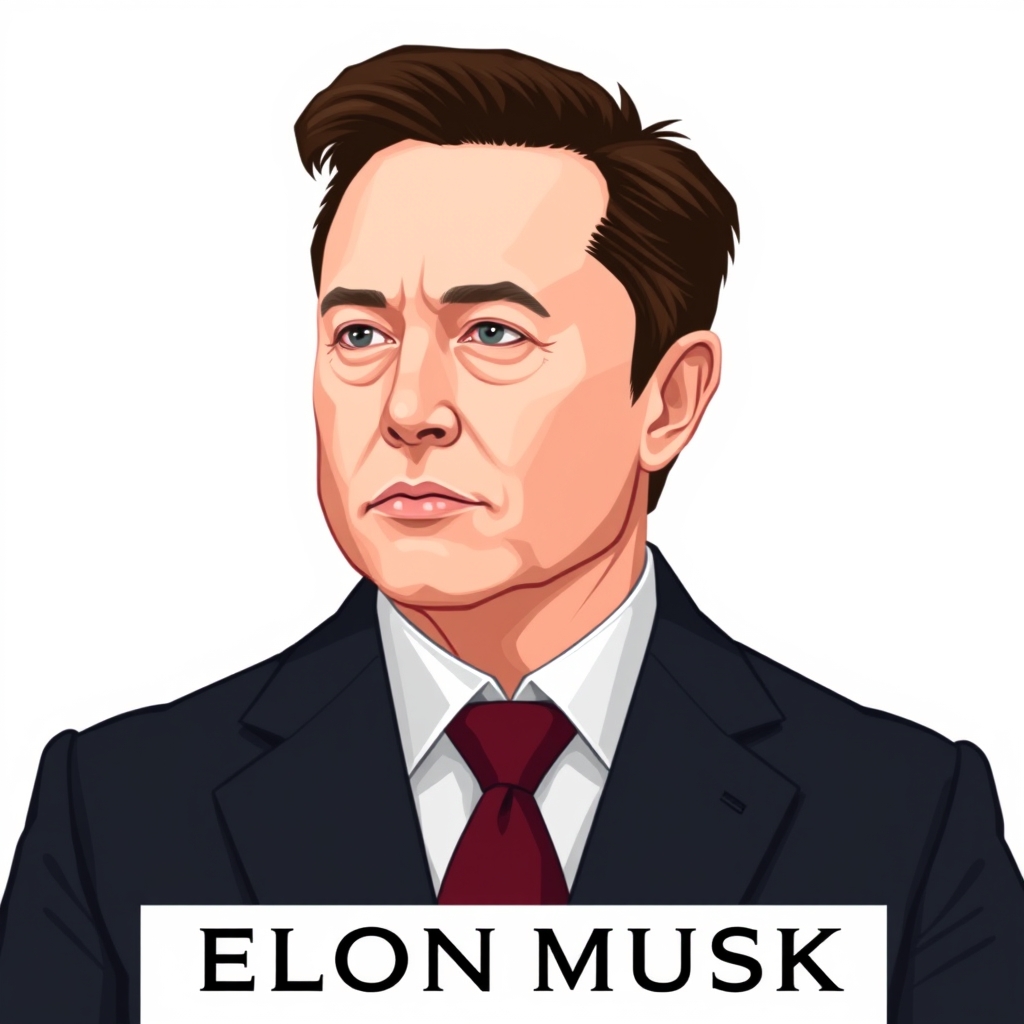
Elon Musk is an entrepreneur and investor who co-founded OpenAI, an artificial intelligence research organization.
OpenAI leadership, including CEO Sam Altman and President Greg Brockman, now runs the company, which is valued at more than $850 billion.
Musk and OpenAI leadership have a long history, with Musk having been involved in the company's early days before stepping away.
Their conflict centers on OpenAI's direction.
Musk accuses OpenAI and its executives of violating the company's founding agreement by prioritizing profits over AI safety and abandoning its original nonprofit mission.
OpenAI leadership, including Altman and Brockman, has defended its actions, with Brockman testifying that Musk "gave up" on the company.
The dispute escalated into a lawsuit filed by Musk in 2024, seeking to oust Altman from his leadership position.
The stakes are high, as the trial could shape the future of AI development and governance.
In May 2026, a jury dismissed all claims in Musk's lawsuit, ruling that Musk waited too long to sue.
The case has drawn significant public attention, with testimony from key figures like Brockman and Altman.
*AI-generated summary of publicly available data. This is not an official statement of any party.
*AI-generated summary of publicly available statements and reporting. This is not an official statement of this party.
Supporters of OpenAI leadership argue that withdrawing models from Cursor reflects a cultural commitment to controlled, responsible AI deployment, not betrayal.
Supporters of OpenAI leadership argue that withdrawing models from Cursor reflects a principled commitment to controlled AI deployment, a cultural shift learned from past tech overreach—prioritizing safety over Musk's impulsive, personality-driven demands.
Supporters of OpenAI leadership argue the Cursor shift mirrors prior industry pivots, like closed-source transitions that still advanced shared progress. History shows trust evolves through capability, not static tools.
Supporters of OpenAI leadership argue that withdrawing models from Cursor is a lawful exercise of contractual discretion, protecting proprietary assets and user safety under existing agreements.
Supporters of OpenAI leadership argue that withdrawing models from Cursor is a lawful exercise of contractual discretion, protecting proprietary assets from unauthorized redistribution, which courts have upheld as legitimate business conduct.
Supporters of OpenAI leadership counter that the Cursor withdrawal falls squarely within contractual termination clauses, not a breach, and that voluntary market terms inherently permit such exits.
Supporters of OpenAI leadership argue Musk’s outburst masks a simpler power play, as withdrawing models from Cursor is a calculated market move to tighten control over distribution and leverage, not a betrayal of trust.
Supporters of OpenAI leadership argue Musk’s attack is a convenient distraction, masking his own strategic rivalry; withdrawing from Cursor was a business calculation, not a betrayal, and Musk’s fury stems from lost leverage, not principle.
Supporters of OpenAI leadership counter that Musk’s leverage depends on a fiction: Cursor’s pullback reflects mutual renegotiation, not desperation, and partners already hedge against Musk’s theatrics.
Supporters of OpenAI leadership argue that withdrawing models from Cursor reflects a principled commitment to safety and responsible deployment, not betrayal; they maintain that prioritizing long-term human welfare over short-term platform access is a moral duty, and they see Mus.
Supporters of OpenAI leadership argue that withdrawing models from Cursor reflects a principled commitment to responsible AI deployment, not betrayal, and that Musk’s personal attacks obscure a legitimate strategic choice grounded in ethical oversight.
Supporters of OpenAI leadership counter that evolving safety and partnership priorities reflect a moral duty to protect ecosystems, not broken promises.
Supporters of OpenAI leadership argue their withdrawal from Cursor upholds a sacred duty to steward transformative technology with prudence, viewing Musk’s outburst as a breach of reasoned discourse that tradition demands.
Supporters of OpenAI leadership see the Cursor withdrawal as prudent stewardship, not betrayal; they argue that guarding their models reflects a duty to uphold institutional integrity over fleeting commercial ties.
Supporters of OpenAI leadership counter that accountability is not a license for unilateral judgment, and that Musk’s critique presumes a moral authority Scripture reserves for God, not tech founders.
*AI-generated summary of publicly available statements and reporting. This is not an official statement of this party.
Supporters of Musk argue that OpenAI’s retreat from Cursor abandons open-platform continuity, eroding the shared trust and stable collaboration that built the AI field.
Supporters of Elon Musk argue that his criticism of OpenAI's leadership reflects a defense of institutional accountability, where abrupt strategic reversals undermine the cultural trust essential to technological progress.
Supporters of Elon Musk argue that OpenAI's withdrawal from Cursor signals a cultural shift toward gatekeeping, not responsibility, undermining the open, collaborative ethos that once defined the AI community.
Supporters of Elon Musk argue that OpenAI’s withdrawal from Cursor is a contractual breach of voluntary market terms, undermining the free exchange central to AI innovation.
Supporters of Elon Musk argue his criticism is legally grounded in OpenAI's contractual duty to honor platform commitments, and that withdrawing models from Cursor without notice breaches voluntary agreements.
Supporters of Elon Musk counter that contractual discretion does not immunize OpenAI from antitrust scrutiny, as model withdrawal from Cursor leverages market power to stifle downstream competition, violating fair-dealing principles under antitrust law.
Supporters of Elon Musk argue his attack is pure leverage, not pique: OpenAI’s Cursor pullback exposes its dependence on distribution deals, so Musk frames its bosses as untrustworthy to pressure partners and rivals into recalibrating loyalty.
Supporters of Elon Musk argue his attack on OpenAI’s leadership is pure realpolitik: withdrawing models from Cursor exposes their capricious control over key infrastructure, proving they prioritize leverage over partnership.
Supporters of Elon Musk counter that OpenAI’s leadership frames every move as altruism while quietly monopolizing model access, making Musk’s withdrawal a blunt check on their creeping gatekeeping, not a power grab.
Supporters of Elon Musk argue that OpenAI’s withdrawal of models from Cursor reflects a pattern of broken commitments, casting doubt on its leadership’s integrity and moral obligation to developers.
Supporters of Elon Musk argue that OpenAI leadership’s withdrawal from Cursor breaks a trust with developers, showing a moral duty to prioritize open access over profit-driven control.
Supporters of Elon Musk counter that OpenAI’s selective withdrawal is not principled safety but a gatekeeping move that hoards transformative tools, prioritizing corporate control over public access, and that moral duty demands open, equitable distribution of AI’s benefits.
Supporters of Elon Musk argue that his criticism reflects a moral duty to hold powerful tech leaders accountable, viewing trustworthiness as a scriptural virtue violated by OpenAI's leadership.
Supporters of Elon Musk argue that his criticism reflects a moral duty to hold powerful institutions accountable, viewing trustworthiness as a sacred principle that OpenAI leadership has violated.
Supporters of Elon Musk counter that prudence without courage is idolatry, for stewardship of divine gifts demands bold action, not timid retreat.
AI-generated summary of publicly available statements and reporting. This is not an official statement of this party.
Supporters of OpenAI leadership argue that withdrawing models from Cursor reflects a cultural commitment to controlled, responsible AI deployment, not betrayal.
Supporters of OpenAI leadership argue that withdrawing models from Cursor reflects a principled commitment to controlled AI deployment, a cultural shift learned from past tech overreach—prioritizing safety over Musk's impulsive, personality-driven demands.
Supporters of OpenAI leadership argue the Cursor shift mirrors prior industry pivots, like closed-source transitions that still advanced shared progress. History shows trust evolves through capability, not static tools.
Supporters of OpenAI leadership argue that withdrawing models from Cursor is a lawful exercise of contractual discretion, protecting proprietary assets and user safety under existing agreements.
Supporters of OpenAI leadership argue that withdrawing models from Cursor is a lawful exercise of contractual discretion, protecting proprietary assets from unauthorized redistribution, which courts have upheld as legitimate business conduct.
Supporters of OpenAI leadership counter that the Cursor withdrawal falls squarely within contractual termination clauses, not a breach, and that voluntary market terms inherently permit such exits.
Supporters of OpenAI leadership argue Musk’s outburst masks a simpler power play, as withdrawing models from Cursor is a calculated market move to tighten control over distribution and leverage, not a betrayal of trust.
Supporters of OpenAI leadership argue Musk’s attack is a convenient distraction, masking his own strategic rivalry; withdrawing from Cursor was a business calculation, not a betrayal, and Musk’s fury stems from lost leverage, not principle.
Supporters of OpenAI leadership counter that Musk’s leverage depends on a fiction: Cursor’s pullback reflects mutual renegotiation, not desperation, and partners already hedge against Musk’s theatrics.
Supporters of OpenAI leadership argue that withdrawing models from Cursor reflects a principled commitment to safety and responsible deployment, not betrayal; they maintain that prioritizing long-term human welfare over short-term platform access is a moral duty, and they see Mus.
Supporters of OpenAI leadership argue that withdrawing models from Cursor reflects a principled commitment to responsible AI deployment, not betrayal, and that Musk’s personal attacks obscure a legitimate strategic choice grounded in ethical oversight.
Supporters of OpenAI leadership counter that evolving safety and partnership priorities reflect a moral duty to protect ecosystems, not broken promises.
Supporters of OpenAI leadership argue their withdrawal from Cursor upholds a sacred duty to steward transformative technology with prudence, viewing Musk’s outburst as a breach of reasoned discourse that tradition demands.
Supporters of OpenAI leadership see the Cursor withdrawal as prudent stewardship, not betrayal; they argue that guarding their models reflects a duty to uphold institutional integrity over fleeting commercial ties.
Supporters of OpenAI leadership counter that accountability is not a license for unilateral judgment, and that Musk’s critique presumes a moral authority Scripture reserves for God, not tech founders.
Supporters of Musk argue that OpenAI’s retreat from Cursor abandons open-platform continuity, eroding the shared trust and stable collaboration that built the AI field.
Supporters of Elon Musk argue that his criticism of OpenAI's leadership reflects a defense of institutional accountability, where abrupt strategic reversals undermine the cultural trust essential to technological progress.
Supporters of Elon Musk argue that OpenAI's withdrawal from Cursor signals a cultural shift toward gatekeeping, not responsibility, undermining the open, collaborative ethos that once defined the AI community.
Supporters of Elon Musk argue that OpenAI’s withdrawal from Cursor is a contractual breach of voluntary market terms, undermining the free exchange central to AI innovation.
Supporters of Elon Musk argue his criticism is legally grounded in OpenAI's contractual duty to honor platform commitments, and that withdrawing models from Cursor without notice breaches voluntary agreements.
Supporters of Elon Musk counter that contractual discretion does not immunize OpenAI from antitrust scrutiny, as model withdrawal from Cursor leverages market power to stifle downstream competition, violating fair-dealing principles under antitrust law.
Supporters of Elon Musk argue his attack is pure leverage, not pique: OpenAI’s Cursor pullback exposes its dependence on distribution deals, so Musk frames its bosses as untrustworthy to pressure partners and rivals into recalibrating loyalty.
Supporters of Elon Musk argue his attack on OpenAI’s leadership is pure realpolitik: withdrawing models from Cursor exposes their capricious control over key infrastructure, proving they prioritize leverage over partnership.
Supporters of Elon Musk counter that OpenAI’s leadership frames every move as altruism while quietly monopolizing model access, making Musk’s withdrawal a blunt check on their creeping gatekeeping, not a power grab.
Supporters of Elon Musk argue that OpenAI’s withdrawal of models from Cursor reflects a pattern of broken commitments, casting doubt on its leadership’s integrity and moral obligation to developers.
Supporters of Elon Musk argue that OpenAI leadership’s withdrawal from Cursor breaks a trust with developers, showing a moral duty to prioritize open access over profit-driven control.
Supporters of Elon Musk counter that OpenAI’s selective withdrawal is not principled safety but a gatekeeping move that hoards transformative tools, prioritizing corporate control over public access, and that moral duty demands open, equitable distribution of AI’s benefits.
Supporters of Elon Musk argue that his criticism reflects a moral duty to hold powerful tech leaders accountable, viewing trustworthiness as a scriptural virtue violated by OpenAI's leadership.
Supporters of Elon Musk argue that his criticism reflects a moral duty to hold powerful institutions accountable, viewing trustworthiness as a sacred principle that OpenAI leadership has violated.
Supporters of Elon Musk counter that prudence without courage is idolatry, for stewardship of divine gifts demands bold action, not timid retreat.
Elon Musk has lashed out at the OpenAI CEO and president over the company’s move to withdraw its artificial intelligence models from Cursor Read Full Article at RT.com
A jury dismissed all claims in Elon Musk's lawsuit against OpenAI CEO Sam Altman, ruling that Musk waited too long to sue.
Lawyers for Elon Musk and OpenAI presented their closing arguments in the trial that could shape AI's future.
OpenAI President Greg Brockman testified during the second week of the trial, describing a tense moment and saying he thought Musk was going to hit him.
Elon Musk filed a lawsuit accusing OpenAI CEO Sam Altman and his top deputy of betraying a plan to keep the company nonprofit and shifting it into a for-profit model.