Republicans

VS
Elon Musk
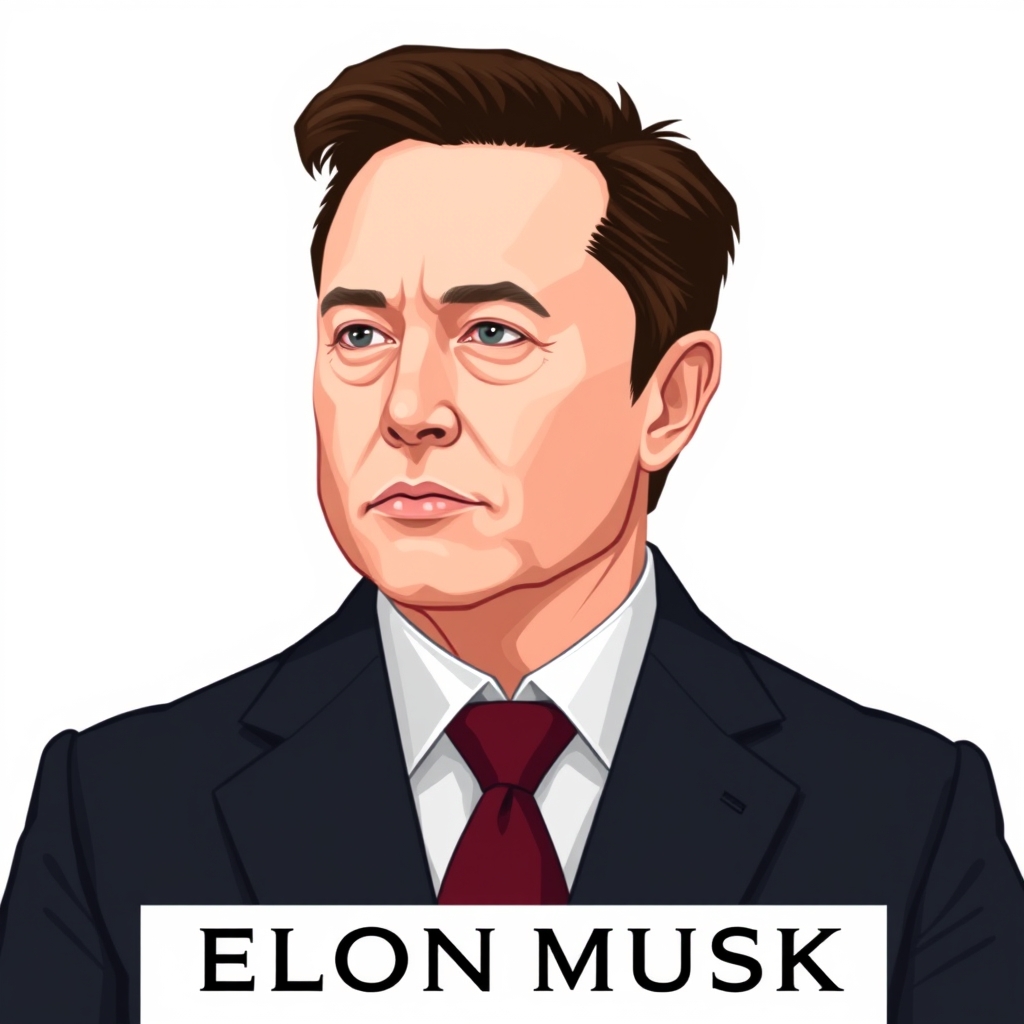
Elon Musk has spent $366 million to bolster the Republican Party in the US midterm elections.
The spending comes as Republicans fight to overcome Trump's slipping popularity and cost of living concerns.
*AI-generated summary of publicly available data. This is not an official statement of any party.
*AI-generated summary of publicly available statements and reporting. This is not an official statement of this party.
Supporters of Republicans argue that Musk's $366m backing reinforces traditional institutions and cultural continuity against disruptive change, framing the midterms as a defense of inherited values amid cost-of-living worries.
Supporters of Republicans argue that Musk's $366m backing reflects a shared cultural commitment to free enterprise and national renewal, preserving institutions amid slipping popularity and cost-of-living worries.
Supporters of Republicans counter that inherited civic tradition, not private wealth, legitimizes party direction; they argue cultural continuity and grassroots institutions, not a tech-builder's patronage, should shape politics.
Supporters of Republicans argue that Musk’s $366m in independent expenditures is protected political speech under the First Amendment, and that voluntary private spending to bolster a party is not corruption but lawful association.
Supporters of Republicans argue that Musk’s $366m in independent expenditures is protected political speech under the First Amendment, and that voluntary spending by a private citizen, not taxpayer funds, is no corruption.
Supporters of Republicans counter that the party, not one donor, sets its own priorities, and that no individual's spending entitles him to dictate a party's platform or candidates.
Supporters of Republicans argue that Musk's $366m is pragmatic leverage: with Trump's popularity slipping and cost-of-living anger rising, the party needs resources more than purity.
Supporters of Republicans see Musk’s $366m as pragmatic leverage: his money offsets Trump’s slipping popularity and cost-of-living backlash, buying ads and turnout that the party cannot generate alone.
Supporters of Republicans counter that leverage cuts both ways: a base already furious over elites buying power would punish any party seen as purchased, so Musk's $366m is a liability, not an asset.
Supporters of Republicans argue that Musk's $366m is legitimate political speech, and that voters, not donors, decide elections; they maintain that his investment reflects practical backing for policies on cost of living and economic growth.
Supporters of Republicans argue that Musk's $366m is a legitimate exercise of free speech, and that his backing helps advance policies they see as morally right for the country.
Supporters of Republicans counter that moral authority comes from voters, not billionaires, and that Musk's $366m spending buys influence working families cannot match, undermining the very fairness he claims to defend.
Supporters of Republicans argue that Musk's $366m backing reflects a moral duty to defend faith, family, and scriptural law against secular policies they see as undermining religious liberty.
Supporters of Republicans argue that Musk's $366m support reflects a moral duty to defend religious liberty and family values at the ballot box, framing the midterms as a spiritual contest.
Supporters of Republicans counter that no donation defends religious liberty; scripture warns against trusting in riches, and the family is upheld by faith and virtue, not by a donor's wealth.
*AI-generated summary of publicly available statements and reporting. This is not an official statement of this party.
Supporters of Elon Musk frame his $366m in midterm spending as cultural patronage: a tech-builder buying influence to push innovation and free speech into politics, much as past industrialists funded parties to shape national direction.
Supporters of Elon Musk frame his $366m in midterm spending as cultural patronage, echoing historic patterns where private wealth shapes party direction, arguing that backing Republicans preserves innovation and market values against shifting public mood.
Supporters of Elon Musk counter that inherited cultural institutions have long excluded the very innovators who now fund them, so his midterm spending signals a new cultural continuity—one built on disruption, not preservation.
Supporters of Elon Musk argue that his $366 million in independent expenditures is lawful political speech under the First Amendment, and that courts have upheld unlimited independent spending since Citizens United.
Supporters of Elon Musk argue that his $366 million in independent expenditures is protected political speech under the First Amendment, and that courts have upheld unlimited independent spending as legal since Citizens United.
Supporters of Elon Musk counter that the First Amendment protects independent spending regardless of party, so the $366m is lawful speech, not corruption, and Republicans cannot restrict it without undermining their own donors.
Supporters of Elon Musk argue the $366m is leverage, not loyalty: with Trump’s popularity slipping and cost-of-living anger rising, buying Republican infrastructure now secures influence over policy and regulators regardless of who wins.
Supporters of Elon Musk argue the $366m is leverage, not loyalty: Republicans need cash to offset Trump’s slipping popularity, and Musk needs a party indebted to him.
Supporters of Elon Musk counter that $366m buys access, not loyalty: the party that takes his money still controls the committees, so Musk gains leverage over them, not the reverse.
Supporters of Elon Musk argue that his $366m in Republican midterm spending is a moral counterweight to entrenched institutional power, framing it as fair use of his resources to advance policies he believes will lower costs for working families.
Supporters of Elon Musk argue that his $366m in midterm spending reflects a moral commitment to countering policies they see as unfair to working families, framing his investment as a stand for economic fairness.
Supporters of Elon Musk counter that framing $366m as mere speech ignores the moral imbalance: when one donor's wealth dwarfs ordinary voters' influence, the many lose voice to the few, and democracy itself is diminished.
Supporters of Elon Musk argue his $366m backing of Republicans defends religious liberty and the family, resisting secular policies that erode inherited moral order.
Supporters of Elon Musk frame his $366m backing of Republicans as stewardship of a moral order, arguing that faith and family institutions need a government that protects religious liberty.
Supporters of Elon Musk counter that Scripture commands stewardship, not $366m in political spending, and that true faith is defended by the church, not by a billionaire's ledger.
AI-generated summary of publicly available statements and reporting. This is not an official statement of this party.
Supporters of Republicans argue that Musk's $366m backing reinforces traditional institutions and cultural continuity against disruptive change, framing the midterms as a defense of inherited values amid cost-of-living worries.
Supporters of Republicans argue that Musk's $366m backing reflects a shared cultural commitment to free enterprise and national renewal, preserving institutions amid slipping popularity and cost-of-living worries.
Supporters of Republicans counter that inherited civic tradition, not private wealth, legitimizes party direction; they argue cultural continuity and grassroots institutions, not a tech-builder's patronage, should shape politics.
Supporters of Republicans argue that Musk’s $366m in independent expenditures is protected political speech under the First Amendment, and that voluntary private spending to bolster a party is not corruption but lawful association.
Supporters of Republicans argue that Musk’s $366m in independent expenditures is protected political speech under the First Amendment, and that voluntary spending by a private citizen, not taxpayer funds, is no corruption.
Supporters of Republicans counter that the party, not one donor, sets its own priorities, and that no individual's spending entitles him to dictate a party's platform or candidates.
Supporters of Republicans argue that Musk's $366m is pragmatic leverage: with Trump's popularity slipping and cost-of-living anger rising, the party needs resources more than purity.
Supporters of Republicans see Musk’s $366m as pragmatic leverage: his money offsets Trump’s slipping popularity and cost-of-living backlash, buying ads and turnout that the party cannot generate alone.
Supporters of Republicans counter that leverage cuts both ways: a base already furious over elites buying power would punish any party seen as purchased, so Musk's $366m is a liability, not an asset.
Supporters of Republicans argue that Musk's $366m is legitimate political speech, and that voters, not donors, decide elections; they maintain that his investment reflects practical backing for policies on cost of living and economic growth.
Supporters of Republicans argue that Musk's $366m is a legitimate exercise of free speech, and that his backing helps advance policies they see as morally right for the country.
Supporters of Republicans counter that moral authority comes from voters, not billionaires, and that Musk's $366m spending buys influence working families cannot match, undermining the very fairness he claims to defend.
Supporters of Republicans argue that Musk's $366m backing reflects a moral duty to defend faith, family, and scriptural law against secular policies they see as undermining religious liberty.
Supporters of Republicans argue that Musk's $366m support reflects a moral duty to defend religious liberty and family values at the ballot box, framing the midterms as a spiritual contest.
Supporters of Republicans counter that no donation defends religious liberty; scripture warns against trusting in riches, and the family is upheld by faith and virtue, not by a donor's wealth.
Supporters of Elon Musk frame his $366m in midterm spending as cultural patronage: a tech-builder buying influence to push innovation and free speech into politics, much as past industrialists funded parties to shape national direction.
Supporters of Elon Musk frame his $366m in midterm spending as cultural patronage, echoing historic patterns where private wealth shapes party direction, arguing that backing Republicans preserves innovation and market values against shifting public mood.
Supporters of Elon Musk counter that inherited cultural institutions have long excluded the very innovators who now fund them, so his midterm spending signals a new cultural continuity—one built on disruption, not preservation.
Supporters of Elon Musk argue that his $366 million in independent expenditures is lawful political speech under the First Amendment, and that courts have upheld unlimited independent spending since Citizens United.
Supporters of Elon Musk argue that his $366 million in independent expenditures is protected political speech under the First Amendment, and that courts have upheld unlimited independent spending as legal since Citizens United.
Supporters of Elon Musk counter that the First Amendment protects independent spending regardless of party, so the $366m is lawful speech, not corruption, and Republicans cannot restrict it without undermining their own donors.
Supporters of Elon Musk argue the $366m is leverage, not loyalty: with Trump’s popularity slipping and cost-of-living anger rising, buying Republican infrastructure now secures influence over policy and regulators regardless of who wins.
Supporters of Elon Musk argue the $366m is leverage, not loyalty: Republicans need cash to offset Trump’s slipping popularity, and Musk needs a party indebted to him.
Supporters of Elon Musk counter that $366m buys access, not loyalty: the party that takes his money still controls the committees, so Musk gains leverage over them, not the reverse.
Supporters of Elon Musk argue that his $366m in Republican midterm spending is a moral counterweight to entrenched institutional power, framing it as fair use of his resources to advance policies he believes will lower costs for working families.
Supporters of Elon Musk argue that his $366m in midterm spending reflects a moral commitment to countering policies they see as unfair to working families, framing his investment as a stand for economic fairness.
Supporters of Elon Musk counter that framing $366m as mere speech ignores the moral imbalance: when one donor's wealth dwarfs ordinary voters' influence, the many lose voice to the few, and democracy itself is diminished.
Supporters of Elon Musk argue his $366m backing of Republicans defends religious liberty and the family, resisting secular policies that erode inherited moral order.
Supporters of Elon Musk frame his $366m backing of Republicans as stewardship of a moral order, arguing that faith and family institutions need a government that protects religious liberty.
Supporters of Elon Musk counter that Scripture commands stewardship, not $366m in political spending, and that true faith is defended by the church, not by a billionaire's ledger.
The barrage of spending comes as Republicans fight to overcome Trump's slipping popularity and cost of living concerns.