Ukraine

VS
Elon Musk
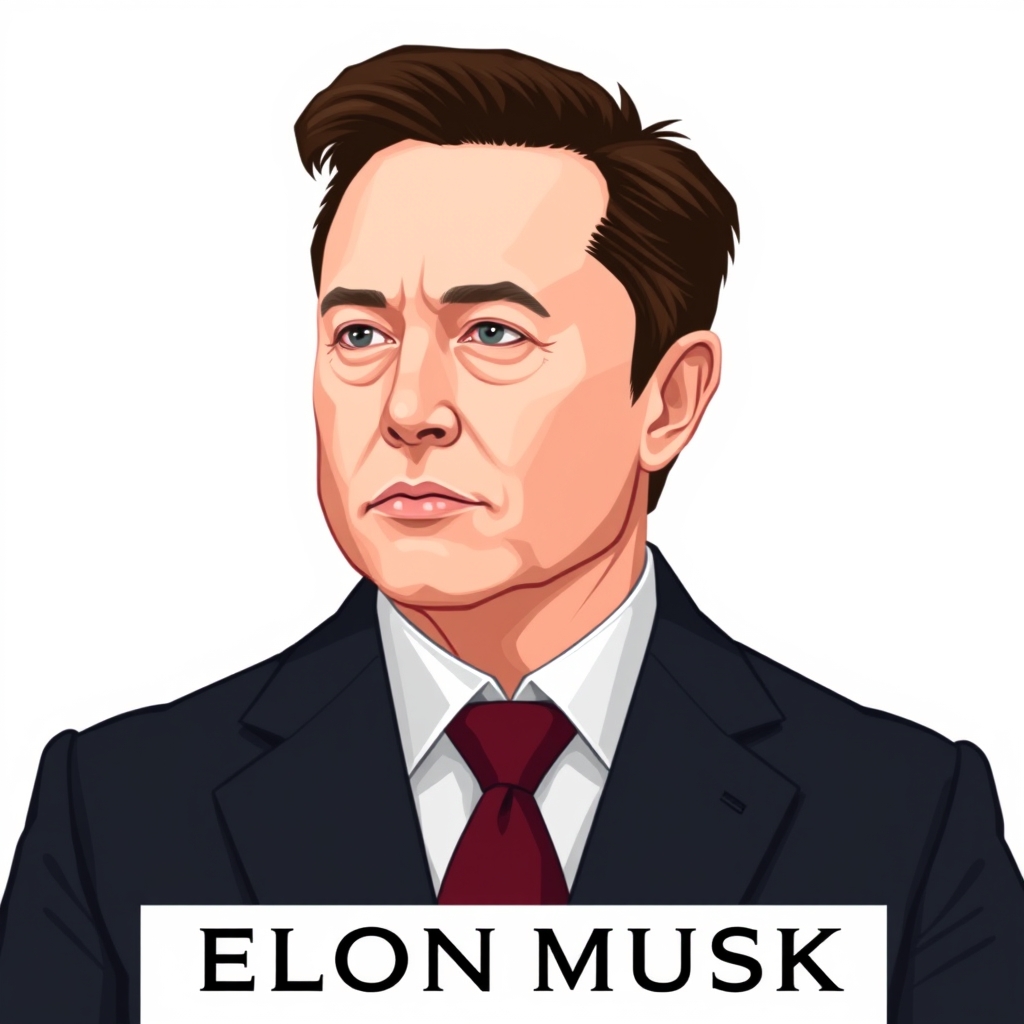
Elon Musk is the CEO of SpaceX and the founder of Starlink, a satellite internet service that has been used by both Ukrainian and Russian forces during the Russo-Ukrainian war.
Ukraine is the country defending itself against Russia's invasion, and its military relies on Starlink for battlefield communications.
Musk has at times restricted or enabled Starlink access in ways that affect the conflict.
In September 2022, he refused to let the Ukrainian military use Starlink to attack a Russian fleet, which Ukrainian officers perceived as favoring Russia.
In February 2026, he cut off Russian forces' access to Starlink, giving Ukraine an edge and allowing it to go on the offensive.
These actions have sparked debate over the role of private companies in military conflicts and the limits of support for Ukraine, as well as the influence of a single individual on the course of a war.
*AI-generated summary of publicly available data. This is not an official statement of any party.
*AI-generated summary of publicly available statements and reporting. This is not an official statement of this party.
Supporters of Ukraine argue that a private company's refusal to enable defensive strikes undermines the shared cultural duty to uphold national sovereignty and the rules of war.
Supporters of Ukraine argue that private corporate control over wartime infrastructure threatens the cultural right of a nation to defend its own sovereignty, as Starlink's sudden restriction undermines Ukraine's inherited duty to protect its people.
Supporters of Ukraine counter that cultural stability is not preserved by refusing aid, but by defending the democratic values and shared history that bind Western civilization together, and that inaction itself erodes those very moral boundaries.
Supporters of Ukraine argue that Musk’s Starlink restriction violates contractual and legal obligations to provide neutral, continuous service, as private infrastructure cannot unilaterally alter terms mid-conflict without due process.
Supporters of Ukraine argue Musk’s Starlink refusal breaches his legal duty as a common carrier, since the service is publicly funded and essential to Ukraine’s defense, making the block an unlawful discrimination against a sovereign ally.
Supporters of Ukraine counter that Starlink’s terms, as a public utility, carry an implied duty of non-discriminatory service, and that Musk’s selective cutoff for defensive-only operations breaches that legal obligation, rendering the discretion argument untenable.
Supporters of Ukraine argue that Musk's Starlink veto exposes private power overriding sovereign defense, leaving Kyiv's strikes dependent on one billionaire's whims.
Supporters of Ukraine argue that Musk's Starlink veto exposes private power overriding state sovereignty, yet they concede Kyiv's leverage is null—dependency makes protest rhetorical, not strategic.
Supporters of Ukraine counter that Starlink’s terms already tie Musk to military use, and refusing deep-strike capability merely shifts the risk of civilian casualties onto Kyiv’s shoulders.
Supporters of Ukraine argue that Musk's veto turns a humanitarian tool into a gatekeeper of wartime justice, letting one private actor override a nation's right to defend its own sovereignty.
Supporters of Ukraine argue that Musk's Starlink restriction breaks a moral duty to aid a nation defending its sovereignty, treating corporate profit as above human lives.
Supporters of Ukraine counter that a private firm enabling active defense bears moral responsibility to sustain that aid, arguing Musk's selective cutoff abandons a civilian population mid-war, effectively choosing which lives merit protection.
Supporters of Ukraine argue that withholding Starlink for defensive strikes violates a moral duty to protect the innocent, citing scripture’s call to aid the persecuted.
Supporters of Ukraine argue that withholding Starlink from defensive strikes violates the moral duty to protect the innocent, citing scripture that calls for justice and shielding the vulnerable from aggression.
Supporters of Ukraine counter that divine restraint does not mandate passivity in the face of aggression, citing scripture’s call to defend the innocent and resist evil, seeing the strikes as a righteous act of protection rather than reckless escalation.
*AI-generated summary of publicly available statements and reporting. This is not an official statement of this party.
Supporters of Elon Musk argue that his refusal reflects a cultural commitment to preserving Western civilization's moral boundaries, viewing unchecked escalation as a threat to shared cultural stability.
Supporters of Elon Musk argue that Starlink is a civilian infrastructure asset, not a weapon, and that its use for deep strikes would erode the cultural norm of technology as a neutral, life-saving utility rather than an instrument of national vendetta.
Supporters of Elon Musk counter that cultural duty flows from national self-determination, not corporate obligation; Ukraine’s sovereignty is best honored by preserving Starlink as a neutral lifeline, not a weaponized tool.
Supporters of Elon Musk argue that private contracts bind Starlink's use to defensive purposes, and Musk’s refusal to enable deep strikes is a lawful exercise of provider discretion over lethal operations.
Supporters of Elon Musk argue that, legally, Starlink is a private commercial asset, and its terms of service grant Musk the sovereign right to restrict its use; no law compels him to enable foreign military strikes.
Supporters of Elon Musk counter that Starlink’s terms permit service suspension for national security risks, and no contract mandates wartime neutrality; Ukraine’s use in offensive operations legally voids any implied guarantee of uninterrupted access.
Supporters of Elon Musk argue that Starlink is his asset, and enabling Ukraine’s deep strikes would make Musk a direct combatant in a war he never signed up for.
Supporters of Elon Musk argue his Starlink veto is pure pragmatism: a private firm cannot be the launchpad for World War III, and Ukraine's deep strikes risk escalation that Musk's assets—and shareholders—would pay for first.
Supporters of Elon Musk counter that wartime leverage is the currency of survival, and Kyiv’s dependency was a negotiated reality, not a moral failing. They argue that Musk’s veto merely enforced the terms of a private asset, where sovereign defense remains a state’s own.
Supporters of Elon Musk argue that private companies hold no moral duty to enable offensive military operations, and that Musk's refusal to arm Starlink for deep strikes reflects a principled guard against escalating conflict beyond defense.
Supporters of Elon Musk argue that he bears a moral duty to prevent his technology from enabling escalation, even for a just cause like Ukraine's defense.
Supporters of Elon Musk counter that a private actor's refusal to enable a system does not strip a sovereign nation of its right to defend itself; Ukraine retains full autonomy over its own military decisions.
Supporters of Elon Musk argue that his refusal reflects a moral duty to preserve life and order, viewing unchecked strikes as reckless escalation that defies divine restraint and the sanctity of peace.
Supporters of Elon Musk contend that his Starlink decision upholds a moral order where private enterprise must not become an instrument of unchecked escalation, a stance rooted in the belief that restraint reflects a higher ethical duty.
Supporters of Elon Musk counter that scripture also commands peacemakers to avoid enabling broader slaughter, and that Starlink’s restraint prevents escalation into a wider war, protecting more innocent lives than any single strike.
AI-generated summary of publicly available statements and reporting. This is not an official statement of this party.
Supporters of Ukraine argue that a private company's refusal to enable defensive strikes undermines the shared cultural duty to uphold national sovereignty and the rules of war.
Supporters of Ukraine argue that private corporate control over wartime infrastructure threatens the cultural right of a nation to defend its own sovereignty, as Starlink's sudden restriction undermines Ukraine's inherited duty to protect its people.
Supporters of Ukraine counter that cultural stability is not preserved by refusing aid, but by defending the democratic values and shared history that bind Western civilization together, and that inaction itself erodes those very moral boundaries.
Supporters of Ukraine argue that Musk’s Starlink restriction violates contractual and legal obligations to provide neutral, continuous service, as private infrastructure cannot unilaterally alter terms mid-conflict without due process.
Supporters of Ukraine argue Musk’s Starlink refusal breaches his legal duty as a common carrier, since the service is publicly funded and essential to Ukraine’s defense, making the block an unlawful discrimination against a sovereign ally.
Supporters of Ukraine counter that Starlink’s terms, as a public utility, carry an implied duty of non-discriminatory service, and that Musk’s selective cutoff for defensive-only operations breaches that legal obligation, rendering the discretion argument untenable.
Supporters of Ukraine argue that Musk's Starlink veto exposes private power overriding sovereign defense, leaving Kyiv's strikes dependent on one billionaire's whims.
Supporters of Ukraine argue that Musk's Starlink veto exposes private power overriding state sovereignty, yet they concede Kyiv's leverage is null—dependency makes protest rhetorical, not strategic.
Supporters of Ukraine counter that Starlink’s terms already tie Musk to military use, and refusing deep-strike capability merely shifts the risk of civilian casualties onto Kyiv’s shoulders.
Supporters of Ukraine argue that Musk's veto turns a humanitarian tool into a gatekeeper of wartime justice, letting one private actor override a nation's right to defend its own sovereignty.
Supporters of Ukraine argue that Musk's Starlink restriction breaks a moral duty to aid a nation defending its sovereignty, treating corporate profit as above human lives.
Supporters of Ukraine counter that a private firm enabling active defense bears moral responsibility to sustain that aid, arguing Musk's selective cutoff abandons a civilian population mid-war, effectively choosing which lives merit protection.
Supporters of Ukraine argue that withholding Starlink for defensive strikes violates a moral duty to protect the innocent, citing scripture’s call to aid the persecuted.
Supporters of Ukraine argue that withholding Starlink from defensive strikes violates the moral duty to protect the innocent, citing scripture that calls for justice and shielding the vulnerable from aggression.
Supporters of Ukraine counter that divine restraint does not mandate passivity in the face of aggression, citing scripture’s call to defend the innocent and resist evil, seeing the strikes as a righteous act of protection rather than reckless escalation.
Supporters of Elon Musk argue that his refusal reflects a cultural commitment to preserving Western civilization's moral boundaries, viewing unchecked escalation as a threat to shared cultural stability.
Supporters of Elon Musk argue that Starlink is a civilian infrastructure asset, not a weapon, and that its use for deep strikes would erode the cultural norm of technology as a neutral, life-saving utility rather than an instrument of national vendetta.
Supporters of Elon Musk counter that cultural duty flows from national self-determination, not corporate obligation; Ukraine’s sovereignty is best honored by preserving Starlink as a neutral lifeline, not a weaponized tool.
Supporters of Elon Musk argue that private contracts bind Starlink's use to defensive purposes, and Musk’s refusal to enable deep strikes is a lawful exercise of provider discretion over lethal operations.
Supporters of Elon Musk argue that, legally, Starlink is a private commercial asset, and its terms of service grant Musk the sovereign right to restrict its use; no law compels him to enable foreign military strikes.
Supporters of Elon Musk counter that Starlink’s terms permit service suspension for national security risks, and no contract mandates wartime neutrality; Ukraine’s use in offensive operations legally voids any implied guarantee of uninterrupted access.
Supporters of Elon Musk argue that Starlink is his asset, and enabling Ukraine’s deep strikes would make Musk a direct combatant in a war he never signed up for.
Supporters of Elon Musk argue his Starlink veto is pure pragmatism: a private firm cannot be the launchpad for World War III, and Ukraine's deep strikes risk escalation that Musk's assets—and shareholders—would pay for first.
Supporters of Elon Musk counter that wartime leverage is the currency of survival, and Kyiv’s dependency was a negotiated reality, not a moral failing. They argue that Musk’s veto merely enforced the terms of a private asset, where sovereign defense remains a state’s own.
Supporters of Elon Musk argue that private companies hold no moral duty to enable offensive military operations, and that Musk's refusal to arm Starlink for deep strikes reflects a principled guard against escalating conflict beyond defense.
Supporters of Elon Musk argue that he bears a moral duty to prevent his technology from enabling escalation, even for a just cause like Ukraine's defense.
Supporters of Elon Musk counter that a private actor's refusal to enable a system does not strip a sovereign nation of its right to defend itself; Ukraine retains full autonomy over its own military decisions.
Supporters of Elon Musk argue that his refusal reflects a moral duty to preserve life and order, viewing unchecked strikes as reckless escalation that defies divine restraint and the sanctity of peace.
Supporters of Elon Musk contend that his Starlink decision upholds a moral order where private enterprise must not become an instrument of unchecked escalation, a stance rooted in the belief that restraint reflects a higher ethical duty.
Supporters of Elon Musk counter that scripture also commands peacemakers to avoid enabling broader slaughter, and that Starlink’s restraint prevents escalation into a wider war, protecting more innocent lives than any single strike.
Elon Musk has refused to let Ukraine use his Starlink internet service for strikes deep inside Russia Read Full Article at RT.com
When Elon Musk flipped the off switch on Russian forces' Starlink internet connections in February, Ukraine's military went on the offensive.
The Atlantic reported that in the fall of 2022, Musk intervened to limit the use of Starlink in Ukraine in a way that senior officers in Kyiv perceived as a service to Russia.
Ukrainian troops said Russian forces were suffering setbacks without access to Elon Musk's Starlink system.
In February 2026, Elon Musk cut off Russian forces' access to Starlink, giving Ukraine an edge and allowing its military to go on the offensive.
In September 2022, Elon Musk refused to let the Ukrainian military use Starlink satellites to attack a Russian fleet, a decision that senior officers in Kyiv perceived as a service to Russia.