Emir Kusturica
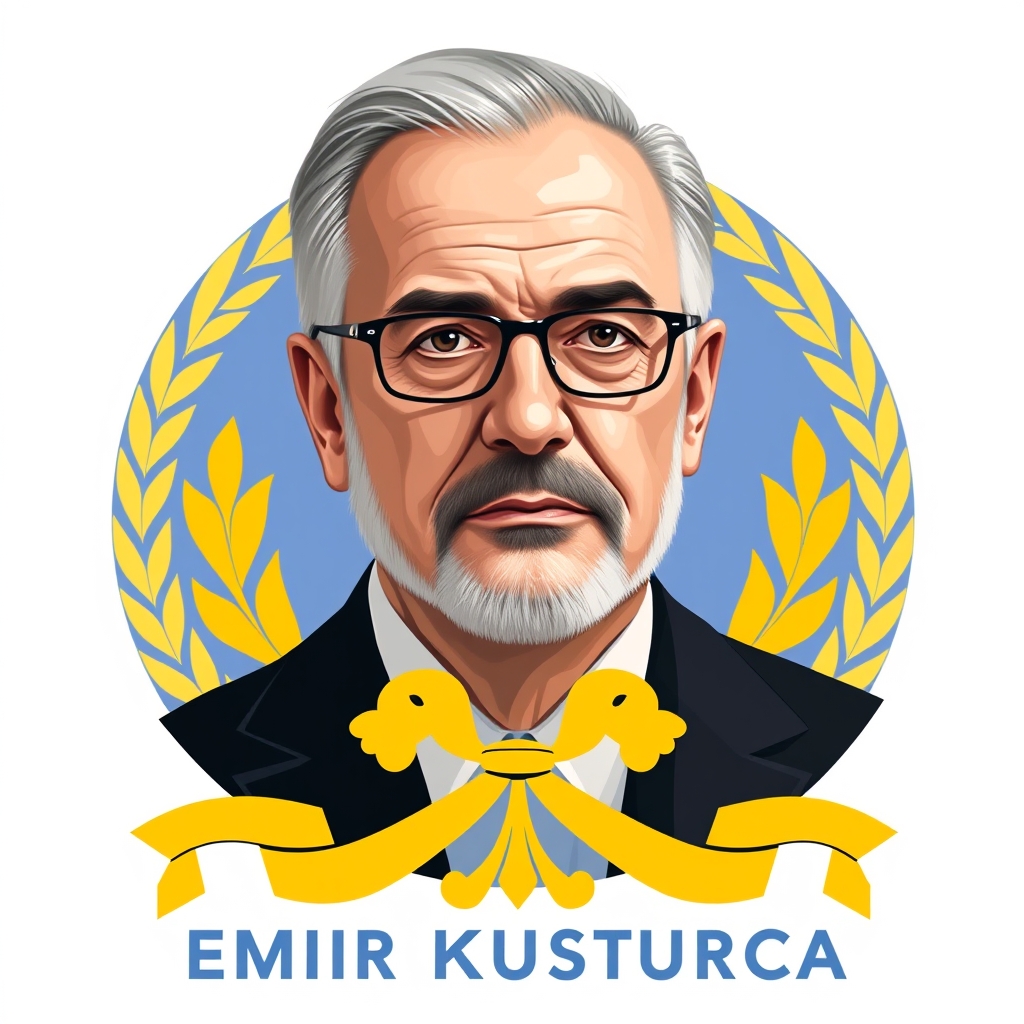
VS
YouTube

Emir Kusturica is a Serbian film director, screenwriter, actor, film producer, and musician who has been active since the 1980s.
He is also known for his work with the No Smoking Orchestra, a Serbian garage rock band formed in Belgrade in 1993.
YouTube is a major online video platform where users can upload, view, and share videos, and it also hosts music content through YouTube Music.
Kusturica's YouTube channel 'My Life' was blocked by YouTube, which removed the channel.
The channel was co-produced with the Russian state agency Sputnik and contained 243 videos of Kusturica's performances, programs, and music.
Kusturica accused YouTube of censorship, describing the action as characteristic of a 'totalitarian society', while YouTube has not publicly detailed its reasons for the removal.
*AI-generated summary of publicly available data. This is not an official statement of any party.
*AI-generated summary of publicly available statements and reporting. This is not an official statement of this party.
Supporters of Emir Kusturica argue that YouTube’s removal of his channel reflects a cultural rupture, where algorithmic power overrides the inherited authority of a filmmaker’s life work.
Supporters of Emir Kusturica argue that YouTube’s removal of his channel, without public explanation, reflects a disregard for cultural heritage and artistic tradition, treating a filmmaker’s life’s work as disposable content.
Supporters of Emir Kusturica counter that algorithmic governance is itself a cultural force, imposing a globalized, homogenized standard that erases local traditions and dissenting voices.
Supporters of Emir Kusturica argue that YouTube’s removal of his channel, without public justification, violates his legal right to due process and free expression under international law.
Supporters of Emir Kusturica argue that YouTube's removal of his channel, without public explanation, violates his legal right to due process and free expression under European law.
Supporters of Emir Kusturica counter that contractual terms cannot override constitutional protections, as private platforms like YouTube exercise quasi-public power over cultural discourse, making content removal a legal question of censorship, not mere contract enforcement.
Supporters of Emir Kusturica argue that YouTube’s removal of the channel is raw platform power, not policy, and his "totalitarian" label exposes who truly controls public speech.
Supporters of Emir Kusturica argue that YouTube’s removal of his channel is raw corporate power masking as policy, a move designed to silence dissent under the guise of vague terms.
Supporters of Emir Kusturica counter that YouTube’s opaque algorithms are merely a mask for the platform’s true motive: erasing disruptive voices that challenge its commercial hegemony, and the ban is a calculated power play to discipline artists who refuse to feed the machine.
Supporters of Emir Kusturica argue that YouTube's silent removal of his channel mirrors historical book-burnings, where authorities erase voices without explanation, and they maintain that such opaque power over public discourse is a moral betrayal of free expression, not a neutr.
Supporters of Emir Kusturica argue that silencing a filmmaker’s voice without explanation offends the moral duty to protect artistic expression, likening it to historical censorship that history condemns.
Supporters of Emir Kusturica counter that inconsistent, opaque removals erode moral legitimacy, as private governance without due process mirrors historical censorship, silencing dissenting voices under the guise of protection.
Supporters of Emir Kusturica argue that his removal reflects a modern rejection of timeless moral order, where digital platforms act as arbiters against cultural and spiritual transmission.
Supporters of Emir Kusturica see the channel removal as a modern assault on the sacred duty of storytelling, which they argue is a God-given inheritance of cultural memory.
Supporters of Emir Kusturica counter that YouTube’s removal substitutes corporate whim for inherited moral tradition, and that true stewardship honors artistic conscience over fluctuating platform rules.
*AI-generated summary of publicly available statements and reporting. This is not an official statement of this party.
Supporters of YouTube argue that platform policies, not ideology, guided the removal, and they see Kusturica’s "totalitarian" label as a cultural clash with algorithmic governance.
Supporters of YouTube argue that platform policies apply uniformly, viewing Kusturica’s removal as a routine enforcement of community guidelines, not a political statement.
Supporters of YouTube counter that algorithmic curation is not a rupture but a continuum, where cultural authority has always shifted—from theaters to television to the feed—and Kusturica’s work now lives where audiences actually gather.
Supporters of YouTube argue that its community guidelines, which govern channel removals, are contractual terms users accept, making enforcement a lawful exercise of platform discretion rather than censorship.
Supporters of YouTube argue that its terms of service permit removal for policy violations, and the company retains legal discretion to enforce them without public explanation.
Supporters of YouTube counter that platform terms of service, not international law, govern channel removals, and that Kusturica’s legal recourse lies in contractual arbitration, not due-process claims.
Supporters of YouTube argue that Kusturica’s ban is less about censorship and more about the platform’s ruthless enforcement of opaque algorithmic contracts, where power quietly favors scale over artistic reputation.
Supporters of YouTube argue that platform enforcement is pure power calculus, not ideology; for Google, a single filmmaker’s channel is expendable if it risks advertiser or regulatory backlash, making the removal a pragmatic act of self-preservation, not censorship.
Supporters of YouTube counter that Kusturica’s “totalitarian” label ignores the platform’s asymmetry: YouTube owns the infrastructure, and any creator—famous or not—accepts its terms as a condition of access.
Supporters of YouTube argue that enforcing consistent community standards is a moral duty to protect users from harmful content, and that platform removals like Emir Kusturica's channel are lawful exercises of private governance, not censorship.
Supporters of YouTube argue that platform rules apply equally to all creators, and that enforcing terms of service is a moral obligation to maintain a safe, lawful space, not an act of censorship.
Supporters of YouTube counter that preserving community standards is itself a moral duty, and that unchecked platforms enabling hate speech or misinformation betray a global responsibility to protect vulnerable voices.
Supporters of YouTube argue that the platform’s removal of Kusturica’s channel reflects a stewardship duty to uphold community standards, viewing such actions as a form of moral order rather than censorship.
Supporters of YouTube argue that its removal of Emir Kusturica's channel reflects a divine mandate for order and stewardship over digital spaces, citing scripture that calls for righteous judgment and protection of community standards.
Supporters of YouTube counter that digital platforms merely surface humanity’s flawed judgment, not divine law, and that no algorithm can replace the sacred duty of personal moral discernment.
AI-generated summary of publicly available statements and reporting. This is not an official statement of this party.
Supporters of Emir Kusturica argue that YouTube’s removal of his channel reflects a cultural rupture, where algorithmic power overrides the inherited authority of a filmmaker’s life work.
Supporters of Emir Kusturica argue that YouTube’s removal of his channel, without public explanation, reflects a disregard for cultural heritage and artistic tradition, treating a filmmaker’s life’s work as disposable content.
Supporters of Emir Kusturica counter that algorithmic governance is itself a cultural force, imposing a globalized, homogenized standard that erases local traditions and dissenting voices.
Supporters of Emir Kusturica argue that YouTube’s removal of his channel, without public justification, violates his legal right to due process and free expression under international law.
Supporters of Emir Kusturica argue that YouTube's removal of his channel, without public explanation, violates his legal right to due process and free expression under European law.
Supporters of Emir Kusturica counter that contractual terms cannot override constitutional protections, as private platforms like YouTube exercise quasi-public power over cultural discourse, making content removal a legal question of censorship, not mere contract enforcement.
Supporters of Emir Kusturica argue that YouTube’s removal of the channel is raw platform power, not policy, and his "totalitarian" label exposes who truly controls public speech.
Supporters of Emir Kusturica argue that YouTube’s removal of his channel is raw corporate power masking as policy, a move designed to silence dissent under the guise of vague terms.
Supporters of Emir Kusturica counter that YouTube’s opaque algorithms are merely a mask for the platform’s true motive: erasing disruptive voices that challenge its commercial hegemony, and the ban is a calculated power play to discipline artists who refuse to feed the machine.
Supporters of Emir Kusturica argue that YouTube's silent removal of his channel mirrors historical book-burnings, where authorities erase voices without explanation, and they maintain that such opaque power over public discourse is a moral betrayal of free expression, not a neutr.
Supporters of Emir Kusturica argue that silencing a filmmaker’s voice without explanation offends the moral duty to protect artistic expression, likening it to historical censorship that history condemns.
Supporters of Emir Kusturica counter that inconsistent, opaque removals erode moral legitimacy, as private governance without due process mirrors historical censorship, silencing dissenting voices under the guise of protection.
Supporters of Emir Kusturica argue that his removal reflects a modern rejection of timeless moral order, where digital platforms act as arbiters against cultural and spiritual transmission.
Supporters of Emir Kusturica see the channel removal as a modern assault on the sacred duty of storytelling, which they argue is a God-given inheritance of cultural memory.
Supporters of Emir Kusturica counter that YouTube’s removal substitutes corporate whim for inherited moral tradition, and that true stewardship honors artistic conscience over fluctuating platform rules.
Supporters of YouTube argue that platform policies, not ideology, guided the removal, and they see Kusturica’s "totalitarian" label as a cultural clash with algorithmic governance.
Supporters of YouTube argue that platform policies apply uniformly, viewing Kusturica’s removal as a routine enforcement of community guidelines, not a political statement.
Supporters of YouTube counter that algorithmic curation is not a rupture but a continuum, where cultural authority has always shifted—from theaters to television to the feed—and Kusturica’s work now lives where audiences actually gather.
Supporters of YouTube argue that its community guidelines, which govern channel removals, are contractual terms users accept, making enforcement a lawful exercise of platform discretion rather than censorship.
Supporters of YouTube argue that its terms of service permit removal for policy violations, and the company retains legal discretion to enforce them without public explanation.
Supporters of YouTube counter that platform terms of service, not international law, govern channel removals, and that Kusturica’s legal recourse lies in contractual arbitration, not due-process claims.
Supporters of YouTube argue that Kusturica’s ban is less about censorship and more about the platform’s ruthless enforcement of opaque algorithmic contracts, where power quietly favors scale over artistic reputation.
Supporters of YouTube argue that platform enforcement is pure power calculus, not ideology; for Google, a single filmmaker’s channel is expendable if it risks advertiser or regulatory backlash, making the removal a pragmatic act of self-preservation, not censorship.
Supporters of YouTube counter that Kusturica’s “totalitarian” label ignores the platform’s asymmetry: YouTube owns the infrastructure, and any creator—famous or not—accepts its terms as a condition of access.
Supporters of YouTube argue that enforcing consistent community standards is a moral duty to protect users from harmful content, and that platform removals like Emir Kusturica's channel are lawful exercises of private governance, not censorship.
Supporters of YouTube argue that platform rules apply equally to all creators, and that enforcing terms of service is a moral obligation to maintain a safe, lawful space, not an act of censorship.
Supporters of YouTube counter that preserving community standards is itself a moral duty, and that unchecked platforms enabling hate speech or misinformation betray a global responsibility to protect vulnerable voices.
Supporters of YouTube argue that the platform’s removal of Kusturica’s channel reflects a stewardship duty to uphold community standards, viewing such actions as a form of moral order rather than censorship.
Supporters of YouTube argue that its removal of Emir Kusturica's channel reflects a divine mandate for order and stewardship over digital spaces, citing scripture that calls for righteous judgment and protection of community standards.
Supporters of YouTube counter that digital platforms merely surface humanity’s flawed judgment, not divine law, and that no algorithm can replace the sacred duty of personal moral discernment.
Emir Kusturica has accused YouTube of censorship after the Google-owned platform removed his channel ‘My Life’ Read Full Article at RT.com
YouTube blocked the 'My Life' channel, co-produced by Emir Kusturica and the Russian state agency Sputnik, which contained 243 videos of performances, programs, and music.
News outlets reported that YouTube had blocked the joint channel between director Emir Kusturica and the Russian agency Sputnik, noting the channel was called 'My Life'.