Emmanuel Macron

VS
Donald Trump
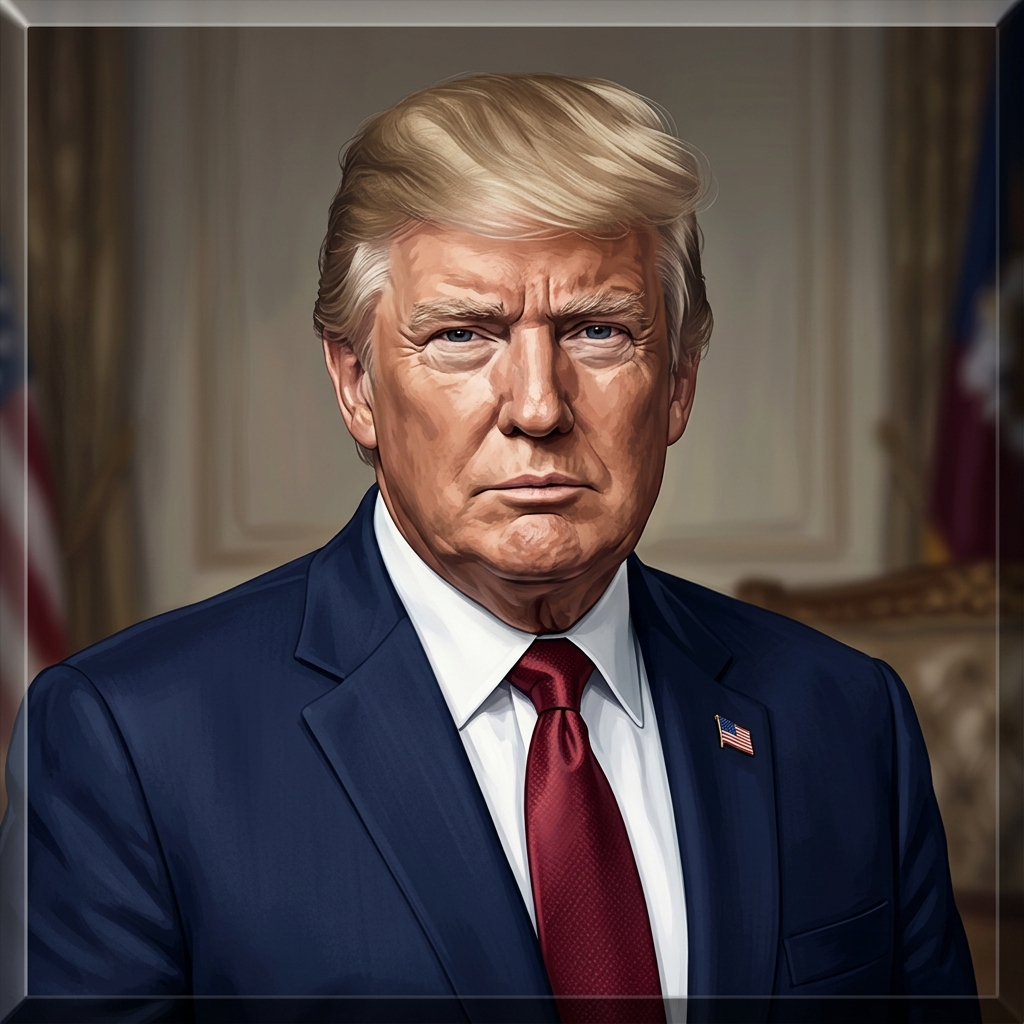
Emmanuel Macron is the President of France, and Donald Trump is the President of the United States.
The two leaders have interacted frequently on the international stage, with their relationship drawing attention from media and analysts who have described it in terms ranging from a personal alliance to a more transactional dynamic.
Their conflicting interests have played out in public exchanges.
Trump has made mocking comments about Macron's marriage, which Macron described as "neither elegant nor up to standard" and said did not merit a response.
Trump also said countries like France declined to provide support during a conflict but would step in once the war is won, while Trump's remarks about Macron drew attention after France reportedly declined to join Trump's proposed Board of Peace.
The dispute has extended to territorial claims.
Trump posted a map depicting French territory as part of the United States, and Macron rebuked the claim, calling it "strange." The exchanges reflect broader tensions over alliance expectations, diplomatic norms, and mutual perceptions between the two leaders.
*AI-generated summary of publicly available data. This is not an official statement of any party.
*AI-generated summary of publicly available statements and reporting. This is not an official statement of this party.
Supporters of Emmanuel Macron argue sovereignty is cultural memory, not cartography; they see Trump's map as a historical echo of treating nations as disposable real estate.
Supporters of Emmanuel Macron argue that territorial maps are cultural memory, not bargaining chips, and that rebuking Trump's claim defends France's historical identity.
Supporters of Emmanuel Macron counter that French identity was never built on erasing others; France's cultural strength lies in universalism, and rejecting a map that flattens that tradition is confidence, not fear.
Supporters of Emmanuel Macron argue that Trump's map is legally baseless, since French territory is sovereign under international law and cannot be claimed by unilateral post.
Supporters of Emmanuel Macron argue that Trump's map has no legal basis, since French territory is sovereign under international law and cannot be claimed by a foreign leader's post.
Supporters of Emmanuel Macron counter that France's sovereignty is exercised through binding EU and international law that the executive cannot unilaterally override.
Supporters of Emmanuel Macron argue that publicly naming Trump's map "strange" costs little yet signals resolve, denying a rival the free symbolic win and forcing him to own the provocation.
Supporters of Emmanuel Macron argue that rebuking Trump's map claim as "strange" was a calculated display of sovereignty, signaling to domestic and European audiences that France won't be treated as a bargaining chip.
Supporters of Emmanuel Macron counter that the map was not leverage but a loyalty test: by staying calm, Macron denied Trump the emotional reaction that would prove Europe's dependence.
Supporters of Emmanuel Macron argue that sovereignty is a moral boundary no alliance should blur, and that Trump's map, whatever its intent, treats a proud nation's territory as a bargaining chip.
Supporters of Emmanuel Macron argue that a sitting US president casually redrawing another nation's borders is a moral breach of sovereignty, treating allies' territory as bargaining chips rather than inviolable.
Supporters of Emmanuel Macron counter that sovereignty and respect for international law are not theatrics but moral duties; allies who dismiss them erode the trust that makes shared defense burdens possible.
Supporters of Emmanuel Macron argue that Trump's map claim violates the God-given sovereignty of nations, which scripture affirms when it declares that the Most High sets the boundaries of peoples.
Supporters of Emmanuel Macron invoke the sanctity of national borders, arguing that sovereignty is a God-given trust and that Trump's map claim violates the order of nations.
Supporters of Emmanuel Macron counter that scripture warns against mocking justice, citing Proverbs 17:5, and argue that jesting about sovereign borders disrespects the divine order nations are called to uphold.
*AI-generated summary of publicly available statements and reporting. This is not an official statement of this party.
Supporters of Donald Trump argue the map reflects a cultural worldview where national identity and sovereignty are asserted boldly, not apologized for, and that France's outrage shows elites fear that framing.
Supporters of Donald Trump argue the map affirms US cultural and territorial identity, treating sovereignty claims as expressions of national self-determination rather than diplomatic slights.
Supporters of Donald Trump counter that cultural memory is carried by a people, not by lines drawn by outsiders, and that a nation's heritage is best protected when its own citizens decide who shares it.
Supporters of Donald Trump argue that sovereignty and territorial claims are matters of national law and executive prerogative, not binding international norms.
Supporters of Donald Trump argue the map is non-binding political expression, not a legal claim, and that no treaty or recognition transfers French sovereignty.
Supporters of Donald Trump counter that sovereignty claims are resolved through bilateral negotiation and recognition, not unilateral declarations, so the map's legal status depends on whether France engages diplomatically rather than on abstract international law.
Supporters of Donald Trump argue the map was leverage, not literal annexation—testing whether Macron reacts emotionally, revealing who needs the alliance more.
Supporters of Donald Trump argue the map was a deliberate provocation, treating ambiguity as leverage: by forcing Macron to publicly rebuke a symbolic slight, Trump extracts attention and frames France as reactive.
Supporters of Donald Trump counter that naming a map "strange" is empty theater; they argue real leverage lies in tariffs and NATO burden-sharing, where a rival's verbal jab invites only a costly counter-move.
Supporters of Donald Trump argue that Macron’s outrage over a symbolic map is performative, and that allies should focus on real burdens like defense spending rather than theatrics.
Supporters of Donald Trump argue that his map post was a pointed message about burden-sharing, insisting France owes more to the alliance it benefits from.
Supporters of Donald Trump counter that sovereignty's moral test is whether a nation can defend itself; they argue Macron's abstract boundary leaves allies paying for protection while America absorbs the cost.
Supporters of Donald Trump argue the map was a lighthearted gesture, not a territorial claim, and that religious faith teaches respect for national sovereignty and established borders.
Supporters of Donald Trump argue that his map post was a symbolic gesture defending national sovereignty, viewing Macron's rebuke as resistance to restoring traditional order.
Supporters of Donald Trump counter that Scripture also says the king's heart is in the Lord's hand, so God can raise rulers to redraw borders; they cite Trump's own appeal to providence.
AI-generated summary of publicly available statements and reporting. This is not an official statement of this party.
Supporters of Emmanuel Macron argue sovereignty is cultural memory, not cartography; they see Trump's map as a historical echo of treating nations as disposable real estate.
Supporters of Emmanuel Macron argue that territorial maps are cultural memory, not bargaining chips, and that rebuking Trump's claim defends France's historical identity.
Supporters of Emmanuel Macron counter that French identity was never built on erasing others; France's cultural strength lies in universalism, and rejecting a map that flattens that tradition is confidence, not fear.
Supporters of Emmanuel Macron argue that Trump's map is legally baseless, since French territory is sovereign under international law and cannot be claimed by unilateral post.
Supporters of Emmanuel Macron argue that Trump's map has no legal basis, since French territory is sovereign under international law and cannot be claimed by a foreign leader's post.
Supporters of Emmanuel Macron counter that France's sovereignty is exercised through binding EU and international law that the executive cannot unilaterally override.
Supporters of Emmanuel Macron argue that publicly naming Trump's map "strange" costs little yet signals resolve, denying a rival the free symbolic win and forcing him to own the provocation.
Supporters of Emmanuel Macron argue that rebuking Trump's map claim as "strange" was a calculated display of sovereignty, signaling to domestic and European audiences that France won't be treated as a bargaining chip.
Supporters of Emmanuel Macron counter that the map was not leverage but a loyalty test: by staying calm, Macron denied Trump the emotional reaction that would prove Europe's dependence.
Supporters of Emmanuel Macron argue that sovereignty is a moral boundary no alliance should blur, and that Trump's map, whatever its intent, treats a proud nation's territory as a bargaining chip.
Supporters of Emmanuel Macron argue that a sitting US president casually redrawing another nation's borders is a moral breach of sovereignty, treating allies' territory as bargaining chips rather than inviolable.
Supporters of Emmanuel Macron counter that sovereignty and respect for international law are not theatrics but moral duties; allies who dismiss them erode the trust that makes shared defense burdens possible.
Supporters of Emmanuel Macron argue that Trump's map claim violates the God-given sovereignty of nations, which scripture affirms when it declares that the Most High sets the boundaries of peoples.
Supporters of Emmanuel Macron invoke the sanctity of national borders, arguing that sovereignty is a God-given trust and that Trump's map claim violates the order of nations.
Supporters of Emmanuel Macron counter that scripture warns against mocking justice, citing Proverbs 17:5, and argue that jesting about sovereign borders disrespects the divine order nations are called to uphold.
Supporters of Donald Trump argue the map reflects a cultural worldview where national identity and sovereignty are asserted boldly, not apologized for, and that France's outrage shows elites fear that framing.
Supporters of Donald Trump argue the map affirms US cultural and territorial identity, treating sovereignty claims as expressions of national self-determination rather than diplomatic slights.
Supporters of Donald Trump counter that cultural memory is carried by a people, not by lines drawn by outsiders, and that a nation's heritage is best protected when its own citizens decide who shares it.
Supporters of Donald Trump argue that sovereignty and territorial claims are matters of national law and executive prerogative, not binding international norms.
Supporters of Donald Trump argue the map is non-binding political expression, not a legal claim, and that no treaty or recognition transfers French sovereignty.
Supporters of Donald Trump counter that sovereignty claims are resolved through bilateral negotiation and recognition, not unilateral declarations, so the map's legal status depends on whether France engages diplomatically rather than on abstract international law.
Supporters of Donald Trump argue the map was leverage, not literal annexation—testing whether Macron reacts emotionally, revealing who needs the alliance more.
Supporters of Donald Trump argue the map was a deliberate provocation, treating ambiguity as leverage: by forcing Macron to publicly rebuke a symbolic slight, Trump extracts attention and frames France as reactive.
Supporters of Donald Trump counter that naming a map "strange" is empty theater; they argue real leverage lies in tariffs and NATO burden-sharing, where a rival's verbal jab invites only a costly counter-move.
Supporters of Donald Trump argue that Macron’s outrage over a symbolic map is performative, and that allies should focus on real burdens like defense spending rather than theatrics.
Supporters of Donald Trump argue that his map post was a pointed message about burden-sharing, insisting France owes more to the alliance it benefits from.
Supporters of Donald Trump counter that sovereignty's moral test is whether a nation can defend itself; they argue Macron's abstract boundary leaves allies paying for protection while America absorbs the cost.
Supporters of Donald Trump argue the map was a lighthearted gesture, not a territorial claim, and that religious faith teaches respect for national sovereignty and established borders.
Supporters of Donald Trump argue that his map post was a symbolic gesture defending national sovereignty, viewing Macron's rebuke as resistance to restoring traditional order.
Supporters of Donald Trump counter that Scripture also says the king's heart is in the Lord's hand, so God can raise rulers to redraw borders; they cite Trump's own appeal to providence.
Emmanuel Macron has rebuked Donald Trump after the US president posted a map depicting French territory as part of the United States Read Full Article at RT.com
French President Emmanuel Macron said Donald Trump's mocking comments about his marriage did not merit a response, calling them inelegant and not up to standard.
US President Donald Trump made mocking comments about French President Emmanuel Macron's marriage, saying his wife treats him extremely badly.
France reportedly declined to join Trump's proposed Board of Peace, drawing attention to Trump's remarks about Macron.
The New Yorker published a commentary examining the 'bromance' between Emmanuel Macron and Donald Trump, questioning the depth of their personal alliance.
