Emmanuel Macron

VS
Foreign leaders
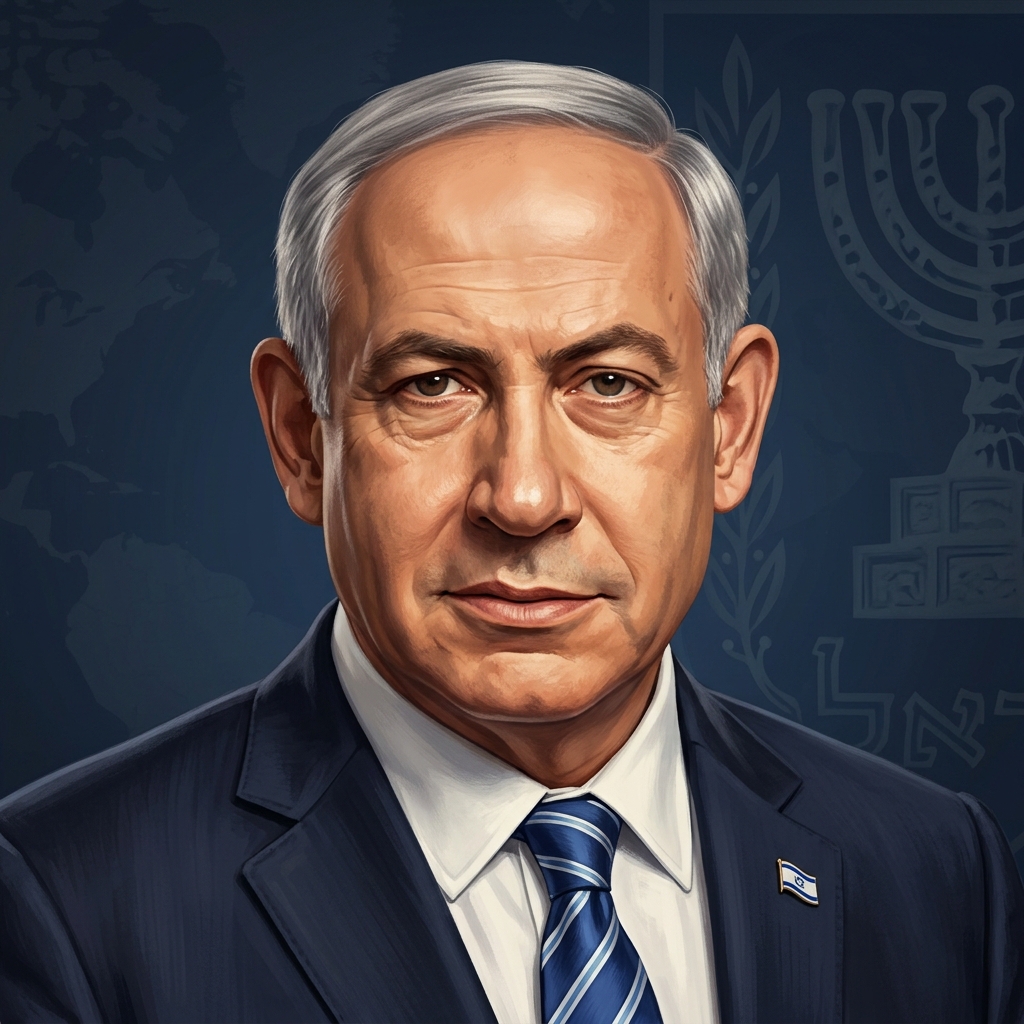

French President Emmanuel Macron accused foreign leaders of exploiting the riots in France for political gain, in an apparent swipe at Benjamin Netanyahu and Donald Trump, who both face elections in coming weeks.
*AI-generated summary of publicly available data. This is not an official statement of any party.
*AI-generated summary of publicly available statements and reporting. This is not an official statement of this party.
Supporters of Emmanuel Macron argue that foreign leaders invoking France's domestic unrest for electoral advantage disrespect national sovereignty and the unwritten norms of diplomatic restraint.
Supporters of Emmanuel Macron argue that foreign leaders invoking France's riots for electoral gain disrespect national sovereignty, and they contend that internal order and social cohesion are matters for France's own institutions to resolve.
Supporters of Emmanuel Macron counter that French identity is a sovereign inheritance shaped by its own institutions, not a theme for outside cultural commentary, and that framing France's unrest as a Western-identity concern displaces the nation's own civic tradition.
Supporters of Emmanuel Macron argue that foreign leaders commenting on France's internal riots violate the legal norm of non-interference in sovereign affairs, and they maintain that election-season politicking should not override that principle.
Supporters of Emmanuel Macron argue that foreign leaders commenting on France's domestic unrest violate the legal norm of non-interference in sovereign affairs, and that such remarks are politically motivated meddling.
Supporters of Emmanuel Macron counter that diplomatic conventions and the principle of non-interference give a legal footing to objecting to foreign officials' commentary on domestic affairs, so the claim of no legal basis is contested.
Supporters of Emmanuel Macron argue that naming foreign leaders' election-driven interference is itself a power move—signaling that France's domestic unrest won't be free campaign material for outsiders.
Supporters of Emmanuel Macron argue that his swipe at foreign leaders is calculated statecraft: by naming external exploitation of French riots, he reframes domestic disorder as foreign interference and reclaims narrative control from rivals eyeing elections.
Supporters of Emmanuel Macron counter that naming outside actors is itself a costly, deliberate escalation, not a cheap deflection—it invites diplomatic retaliation and raises the stakes, which they argue a leader seeking cover would avoid.
Supporters of Emmanuel Macron argue that foreign leaders who amplify France's domestic unrest are exploiting another nation's troubles for electoral gain, and that respecting a country's sovereignty means not turning its riots into campaign material.
Supporters of Emmanuel Macron argue that elected leaders have a moral duty to refrain from using another nation's civil unrest as campaign material, and that amplifying France's internal strife for electoral advantage abroad is a cynical breach of that duty.
Supporters of Emmanuel Macron counter that leaders who invoke moral scrutiny owe their own publics a moral accounting first, since condemning disorder abroad while tolerating harm at home undercuts the standing to judge.
Supporters of Emmanuel Macron argue that foreign leaders who invoke France's unrest for electoral advantage treat the nation's civic peace as a prop, violating the deference owed to a sovereign order rooted in France's inherited traditions.
Supporters of Emmanuel Macron argue that foreign leaders who invoke France's riots for electoral advantage violate the deference owed to a nation's internal order, treating another country's civil strife as a stage for their own campaigns.
Supporters of Emmanuel Macron counter that scripture also calls the faithful to speak truth to power, arguing that the mote-and-beam warning condemns hypocrisy rather than the act of moral witness itself.
*AI-generated summary of publicly available statements and reporting. This is not an official statement of this party.
Supporters of Foreign leaders argue that outside commentary on France's unrest reflects a legitimate cultural concern for Western identity and border security, not exploitation.
Supporters of Foreign leaders argue that outside commentary on France's unrest is legitimate cultural expression, not interference, since national debates now unfold before a global audience.
Supporters of Foreign leaders counter that France’s own cultural identity—its language, secular traditions, and republican values—is precisely what those leaders are defending, so appeals to sovereignty ring hollow when Macron’s camp treats outside voices as inherently illegitima.
Supporters of the foreign leaders argue that Macron's accusation lacks any legal basis, since no treaty or international law bars foreign officials from commenting on another nation's domestic affairs.
Supporters of the foreign leaders argue that Macron's accusation lacks legal grounding, since commenting on another nation's unrest is protected political speech and no treaty or law bars foreign officials from doing so.
Supporters of foreign leaders counter that international human rights law, including the ICCPR, makes rights protection a legitimate matter of international concern, not purely domestic affairs, so commentary on treatment of protesters falls outside sovereign non-interference.
Supporters of the foreign leaders contend Macron deflects from domestic disorder by casting their election-season remarks as foreign meddling, since naming outside actors costs him less than owning the unrest.
Supporters of the foreign leaders argue that Macron’s outrage is itself the tell: a weakened incumbent blaming outsiders for domestic disorder is the classic move of a leader whose authority is slipping.
Supporters of the foreign leaders counter that naming interference only elevates their stature, handing outsiders free proof they shape French politics—converting a signal of strength into an admission of vulnerability.
Supporters of foreign leaders argue that Macron's accusation deflects moral scrutiny onto outsiders, since foreign leaders had a legitimate interest in commenting on public disorder affecting their citizens and allies.
Supporters of Foreign leaders argue that Macron's accusation shifts blame onto outsiders to dodge accountability for domestic unrest, and they maintain that commenting on foreign events is legitimate political speech.
Supporters of foreign leaders counter that sovereignty cannot shield a government from moral scrutiny when its domestic failures spill across borders, and that elected leaders have a duty to speak to shared values, not stay silent.
Supporters of foreign leaders counter that scripture warns against judging the mote in another's eye while ignoring one's own beam, arguing France should examine its own moral house before rebuking others.
Supporters of the foreign leaders counter that scripture warns against judging motives, citing Matthew 7:1–5, and argue that leaders answering to their own electorates act within a moral duty to speak on public disorder.
Supporters of foreign leaders counter that scripture commands judgment on a nation's deeds and that a sovereign order answerable only to its own traditions, not to divine law, is the deeper violation.
AI-generated summary of publicly available statements and reporting. This is not an official statement of this party.
Supporters of Emmanuel Macron argue that foreign leaders invoking France's domestic unrest for electoral advantage disrespect national sovereignty and the unwritten norms of diplomatic restraint.
Supporters of Emmanuel Macron argue that foreign leaders invoking France's riots for electoral gain disrespect national sovereignty, and they contend that internal order and social cohesion are matters for France's own institutions to resolve.
Supporters of Emmanuel Macron counter that French identity is a sovereign inheritance shaped by its own institutions, not a theme for outside cultural commentary, and that framing France's unrest as a Western-identity concern displaces the nation's own civic tradition.
Supporters of Emmanuel Macron argue that foreign leaders commenting on France's internal riots violate the legal norm of non-interference in sovereign affairs, and they maintain that election-season politicking should not override that principle.
Supporters of Emmanuel Macron argue that foreign leaders commenting on France's domestic unrest violate the legal norm of non-interference in sovereign affairs, and that such remarks are politically motivated meddling.
Supporters of Emmanuel Macron counter that diplomatic conventions and the principle of non-interference give a legal footing to objecting to foreign officials' commentary on domestic affairs, so the claim of no legal basis is contested.
Supporters of Emmanuel Macron argue that naming foreign leaders' election-driven interference is itself a power move—signaling that France's domestic unrest won't be free campaign material for outsiders.
Supporters of Emmanuel Macron argue that his swipe at foreign leaders is calculated statecraft: by naming external exploitation of French riots, he reframes domestic disorder as foreign interference and reclaims narrative control from rivals eyeing elections.
Supporters of Emmanuel Macron counter that naming outside actors is itself a costly, deliberate escalation, not a cheap deflection—it invites diplomatic retaliation and raises the stakes, which they argue a leader seeking cover would avoid.
Supporters of Emmanuel Macron argue that foreign leaders who amplify France's domestic unrest are exploiting another nation's troubles for electoral gain, and that respecting a country's sovereignty means not turning its riots into campaign material.
Supporters of Emmanuel Macron argue that elected leaders have a moral duty to refrain from using another nation's civil unrest as campaign material, and that amplifying France's internal strife for electoral advantage abroad is a cynical breach of that duty.
Supporters of Emmanuel Macron counter that leaders who invoke moral scrutiny owe their own publics a moral accounting first, since condemning disorder abroad while tolerating harm at home undercuts the standing to judge.
Supporters of Emmanuel Macron argue that foreign leaders who invoke France's unrest for electoral advantage treat the nation's civic peace as a prop, violating the deference owed to a sovereign order rooted in France's inherited traditions.
Supporters of Emmanuel Macron argue that foreign leaders who invoke France's riots for electoral advantage violate the deference owed to a nation's internal order, treating another country's civil strife as a stage for their own campaigns.
Supporters of Emmanuel Macron counter that scripture also calls the faithful to speak truth to power, arguing that the mote-and-beam warning condemns hypocrisy rather than the act of moral witness itself.
Supporters of Foreign leaders argue that outside commentary on France's unrest reflects a legitimate cultural concern for Western identity and border security, not exploitation.
Supporters of Foreign leaders argue that outside commentary on France's unrest is legitimate cultural expression, not interference, since national debates now unfold before a global audience.
Supporters of Foreign leaders counter that France’s own cultural identity—its language, secular traditions, and republican values—is precisely what those leaders are defending, so appeals to sovereignty ring hollow when Macron’s camp treats outside voices as inherently illegitima.
Supporters of the foreign leaders argue that Macron's accusation lacks any legal basis, since no treaty or international law bars foreign officials from commenting on another nation's domestic affairs.
Supporters of the foreign leaders argue that Macron's accusation lacks legal grounding, since commenting on another nation's unrest is protected political speech and no treaty or law bars foreign officials from doing so.
Supporters of foreign leaders counter that international human rights law, including the ICCPR, makes rights protection a legitimate matter of international concern, not purely domestic affairs, so commentary on treatment of protesters falls outside sovereign non-interference.
Supporters of the foreign leaders contend Macron deflects from domestic disorder by casting their election-season remarks as foreign meddling, since naming outside actors costs him less than owning the unrest.
Supporters of the foreign leaders argue that Macron’s outrage is itself the tell: a weakened incumbent blaming outsiders for domestic disorder is the classic move of a leader whose authority is slipping.
Supporters of the foreign leaders counter that naming interference only elevates their stature, handing outsiders free proof they shape French politics—converting a signal of strength into an admission of vulnerability.
Supporters of foreign leaders argue that Macron's accusation deflects moral scrutiny onto outsiders, since foreign leaders had a legitimate interest in commenting on public disorder affecting their citizens and allies.
Supporters of Foreign leaders argue that Macron's accusation shifts blame onto outsiders to dodge accountability for domestic unrest, and they maintain that commenting on foreign events is legitimate political speech.
Supporters of foreign leaders counter that sovereignty cannot shield a government from moral scrutiny when its domestic failures spill across borders, and that elected leaders have a duty to speak to shared values, not stay silent.
Supporters of foreign leaders counter that scripture warns against judging the mote in another's eye while ignoring one's own beam, arguing France should examine its own moral house before rebuking others.
Supporters of the foreign leaders counter that scripture warns against judging motives, citing Matthew 7:1–5, and argue that leaders answering to their own electorates act within a moral duty to speak on public disorder.
Supporters of foreign leaders counter that scripture commands judgment on a nation's deeds and that a sovereign order answerable only to its own traditions, not to divine law, is the deeper violation.
The comment is an apparent swipe at Benjamin Netanyahu and Donald Trump, who both face elections in coming weeks.