English FA

VS
Gianni Infantino
The English Football Association (FA) is the governing body for football in England and a member association of FIFA, world football's governing body.
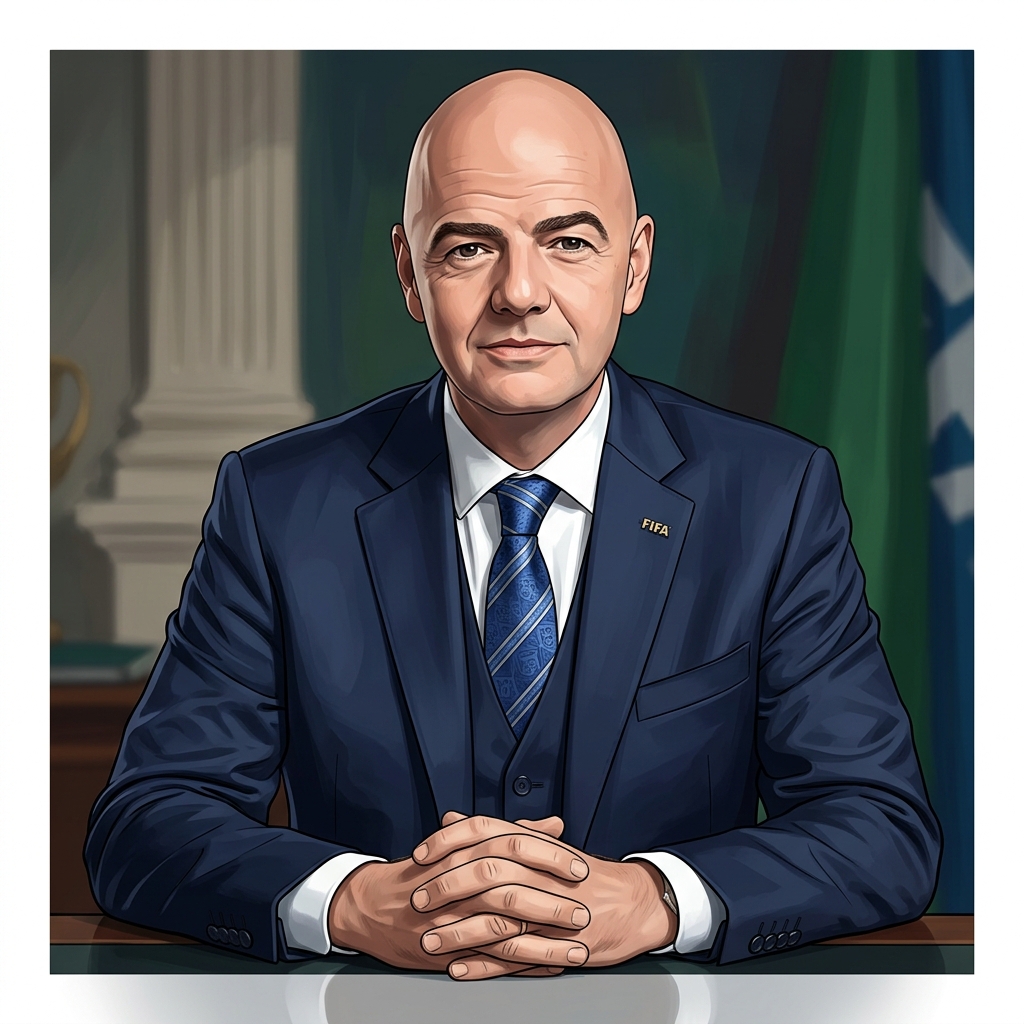
Gianni Infantino is the president of FIFA, the organisation responsible for global competitions including the World Cup.
The two parties are in conflict over Infantino's proposal to sell off part of the FIFA World Cup to private investment and create a private company, FIFA Forward.
The English FA has expressed deep concern about the plan and has called for the release of documents related to the proposal.
The FA has also moved to withdraw its support for Infantino's re-election as FIFA president, and has maintained that he is no longer the right person to lead FIFA.
The dispute has broader implications for FIFA's governance, with UEFA also threatening legal action against FIFA and confirming it had lost confidence in Infantino's leadership.
*AI-generated summary of publicly available data. This is not an official statement of any party.
*AI-generated summary of publicly available statements and reporting. This is not an official statement of this party.
Supporters of the English FA argue that FIFA's World Cup belongs to football's cultural heritage, not private investors, and cite past secret deals as precedent for demanding transparency before any sale proceeds.
Supporters of English FA argue that releasing the World Cup sell-off documents honors football's cultural tradition of open stewardship, preserving the tournament as a shared inheritance rather than a private asset.
Supporters of English FA counter that the game's cultural roots predate FIFA's bureaucracy; they argue that clubs and national associations, not Zurich, are the true custodians of football's heritage.
Supporters of the English FA argue that FIFA's governance rules require transparency, so the World Cup sell-off documents must be released for scrutiny.
Supporters of the English FA argue that FIFA's members have a legal right to review the World Cup sell-off documents, since any disposal of stakes in football's flagship tournament requires transparent governance.
Supporters of English FA counter that FIFA's discretion as rights-holder is bounded by its own statutes and Swiss association law, which require decisions to serve members' interests, so unilateral restructuring without member consultation exceeds that legal authority.
Supporters of English FA argue that demanding Infantino's documents is leverage: transparency pressure forces FIFA to reveal who profits, shifting bargaining power before any World Cup stake sale is finalized.
Supporters of English FA argue that demanding the documents forces Infantino to reveal who profits from the sell-off, converting transparency into leverage before FIFA can lock in terms.
Supporters of the English FA counter that FIFA's records are already leaked via Football Leaks, so Infantino gains little by hoarding them; withholding only feeds prosecutors' narratives and hands rivals the scandal weapon.
Supporters of the English FA argue that FIFA owes the football community transparency, and that selling stakes in the World Cup treats a shared moral inheritance as private property.
Supporters of English FA argue that FIFA owes the football community transparency, insisting that a proposal to sell World Cup stakes must be documented and disclosed before being decided behind closed doors.
Supporters of English FA counter that moral duty lies in honoring the game's custodianship, not in expansion for its own sake—growth that sidelines tradition betrays the very communities FIFA claims to serve.
Supporters of the English FA argue that football's World Cup belongs to communities and traditions, not private investors, and they maintain that releasing the documents is a matter of stewardship owed to the game's faithful.
Supporters of English FA argue that football's heritage is a trust, not a commodity, and that selling stakes in the World Cup betrays the game's traditions; transparency, they maintain, is owed to the communities that built it.
Supporters of the English FA counter that the World Cup's sanctity rests in inherited tradition, not redistribution, and that stewardship means guarding the tournament's historic character rather than expanding it for global audiences.
*AI-generated summary of publicly available statements and reporting. This is not an official statement of this party.
Supporters of Gianni Infantino argue the World Cup is FIFA's own cultural property, and that member associations, not the English FA, hold the mandate over how its commercial rights are shared.
Supporters of Gianni Infantino argue that FIFA’s World Cup belongs to its global football community, and that revenue from stake sales can fund development beyond Europe’s traditional powers.
Supporters of Gianni Infantino counter that football's cultural heritage is global, not owned by one federation, and that expanded World Cup access has let nations previously excluded from the game's riches finally share in them.
Supporters of Gianni Infantino argue FIFA, as the tournament's legal owner, may restructure World Cup commercial rights at its own discretion, and that no obligation compels disclosure of internal proposals.
Supporters of Gianni Infantino argue that FIFA, as the rights-holder, may lawfully commercialize World Cup stakes without external disclosure demands absent a proven rule breach.
Supporters of Gianni Infantino counter that FIFA's statutes grant its Council authority to handle confidential commercial matters, so the FA's transparency demand lacks a binding legal basis.
Supporters of Gianni Infantino argue the FA's document demand is leverage politics: FIFA controls the records and the votes, so transparency concessions only weaken Infantino's hand against rivals.
Supporters of Gianni Infantino argue the FA's document demand is leverage-seeking, not transparency: FIFA controls the proposal and its timing, so concessions should be traded, not extracted.
Supporters of Gianni Infantino counter that document demands are leverage in the opposite direction: FIFA can stall, leak selectively, or outlast the FA, since the World Cup stake sale proceeds regardless of who holds the papers.
Supporters of Gianni Infantino argue that FIFA's leadership holds a moral duty to grow the game globally, and that investment from the World Cup plan can serve that mission.
Supporters of Gianni Infantino argue that FIFA's duty to develop football worldwide justifies new revenue models, and that transparency claims should await the full facts.
Supporters of Gianni Infantino counter that World Cup revenue funds global football development, so treating it as a shared moral inheritance means sharing its proceeds to grow the game worldwide.
Supporters of Gianni Infantino argue that football's global reach is a gift meant to serve the many, not the few, and that prudent stewardship of the World Cup's resources can advance the game worldwide.
Supporters of Gianni Infantino argue that FIFA, as steward of the World Cup, holds authority over its governance, and that critics should await the documents rather than judge the plan before its details are revealed.
Supporters of Gianni Infantino counter that stewardship of the World Cup is a mandate entrusted to its governing authority, and that scripture charges leaders—not the crowd—with rendering account for what is placed in their care.
AI-generated summary of publicly available statements and reporting. This is not an official statement of this party.
Supporters of the English FA argue that FIFA's World Cup belongs to football's cultural heritage, not private investors, and cite past secret deals as precedent for demanding transparency before any sale proceeds.
Supporters of English FA argue that releasing the World Cup sell-off documents honors football's cultural tradition of open stewardship, preserving the tournament as a shared inheritance rather than a private asset.
Supporters of English FA counter that the game's cultural roots predate FIFA's bureaucracy; they argue that clubs and national associations, not Zurich, are the true custodians of football's heritage.
Supporters of the English FA argue that FIFA's governance rules require transparency, so the World Cup sell-off documents must be released for scrutiny.
Supporters of the English FA argue that FIFA's members have a legal right to review the World Cup sell-off documents, since any disposal of stakes in football's flagship tournament requires transparent governance.
Supporters of English FA counter that FIFA's discretion as rights-holder is bounded by its own statutes and Swiss association law, which require decisions to serve members' interests, so unilateral restructuring without member consultation exceeds that legal authority.
Supporters of English FA argue that demanding Infantino's documents is leverage: transparency pressure forces FIFA to reveal who profits, shifting bargaining power before any World Cup stake sale is finalized.
Supporters of English FA argue that demanding the documents forces Infantino to reveal who profits from the sell-off, converting transparency into leverage before FIFA can lock in terms.
Supporters of the English FA counter that FIFA's records are already leaked via Football Leaks, so Infantino gains little by hoarding them; withholding only feeds prosecutors' narratives and hands rivals the scandal weapon.
Supporters of the English FA argue that FIFA owes the football community transparency, and that selling stakes in the World Cup treats a shared moral inheritance as private property.
Supporters of English FA argue that FIFA owes the football community transparency, insisting that a proposal to sell World Cup stakes must be documented and disclosed before being decided behind closed doors.
Supporters of English FA counter that moral duty lies in honoring the game's custodianship, not in expansion for its own sake—growth that sidelines tradition betrays the very communities FIFA claims to serve.
Supporters of the English FA argue that football's World Cup belongs to communities and traditions, not private investors, and they maintain that releasing the documents is a matter of stewardship owed to the game's faithful.
Supporters of English FA argue that football's heritage is a trust, not a commodity, and that selling stakes in the World Cup betrays the game's traditions; transparency, they maintain, is owed to the communities that built it.
Supporters of the English FA counter that the World Cup's sanctity rests in inherited tradition, not redistribution, and that stewardship means guarding the tournament's historic character rather than expanding it for global audiences.
Supporters of Gianni Infantino argue the World Cup is FIFA's own cultural property, and that member associations, not the English FA, hold the mandate over how its commercial rights are shared.
Supporters of Gianni Infantino argue that FIFA’s World Cup belongs to its global football community, and that revenue from stake sales can fund development beyond Europe’s traditional powers.
Supporters of Gianni Infantino counter that football's cultural heritage is global, not owned by one federation, and that expanded World Cup access has let nations previously excluded from the game's riches finally share in them.
Supporters of Gianni Infantino argue FIFA, as the tournament's legal owner, may restructure World Cup commercial rights at its own discretion, and that no obligation compels disclosure of internal proposals.
Supporters of Gianni Infantino argue that FIFA, as the rights-holder, may lawfully commercialize World Cup stakes without external disclosure demands absent a proven rule breach.
Supporters of Gianni Infantino counter that FIFA's statutes grant its Council authority to handle confidential commercial matters, so the FA's transparency demand lacks a binding legal basis.
Supporters of Gianni Infantino argue the FA's document demand is leverage politics: FIFA controls the records and the votes, so transparency concessions only weaken Infantino's hand against rivals.
Supporters of Gianni Infantino argue the FA's document demand is leverage-seeking, not transparency: FIFA controls the proposal and its timing, so concessions should be traded, not extracted.
Supporters of Gianni Infantino counter that document demands are leverage in the opposite direction: FIFA can stall, leak selectively, or outlast the FA, since the World Cup stake sale proceeds regardless of who holds the papers.
Supporters of Gianni Infantino argue that FIFA's leadership holds a moral duty to grow the game globally, and that investment from the World Cup plan can serve that mission.
Supporters of Gianni Infantino argue that FIFA's duty to develop football worldwide justifies new revenue models, and that transparency claims should await the full facts.
Supporters of Gianni Infantino counter that World Cup revenue funds global football development, so treating it as a shared moral inheritance means sharing its proceeds to grow the game worldwide.
Supporters of Gianni Infantino argue that football's global reach is a gift meant to serve the many, not the few, and that prudent stewardship of the World Cup's resources can advance the game worldwide.
Supporters of Gianni Infantino argue that FIFA, as steward of the World Cup, holds authority over its governance, and that critics should await the documents rather than judge the plan before its details are revealed.
Supporters of Gianni Infantino counter that stewardship of the World Cup is a mandate entrusted to its governing authority, and that scripture charges leaders—not the crowd—with rendering account for what is placed in their care.
Gianni Infantino's World Cup selloff plan has faced global backlash with English FA latest to seek document release.
The Football Association continued to believe Gianni Infantino is no longer the right man to lead FIFA despite his own organisation throwing its support behind him.
The English Football Association was set to write to Gianni Infantino to withdraw its support for him to be re-elected as FIFA president. UEFA also threatened legal action against FIFA over Infantino's leadership.
UEFA confirmed that it had lost confidence in Infantino's leadership after he went back on his plans, criticising the 'shabby, backroom deal'.
The English FA stated it was deeply concerned by FIFA president Gianni Infantino's plan to sell off part of the World Cup to private investment and create a private company, FIFA Forward.