EU officials

VS
Serbian nationalists
EU officials represent the European Union's institutions and member states, promoting enlargement and adherence to European values.
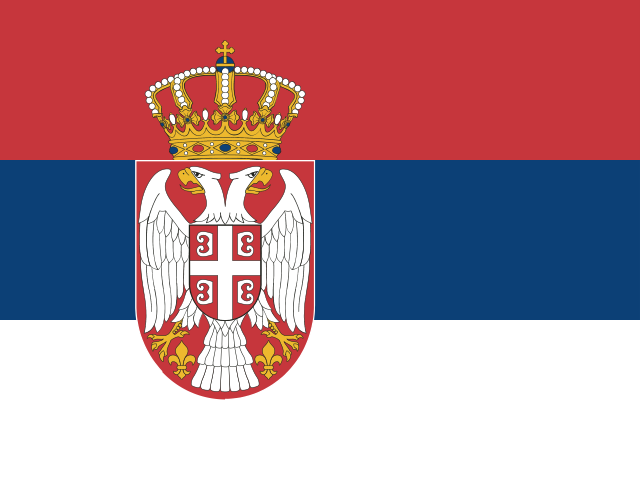
Serbian nationalists are political actors and groups in Serbia who emphasize national sovereignty, historical narratives, and often oppose EU integration, sometimes commemorating figures like Ratko Mladic, who was convicted of war crimes.
The conflict arises from the EU's insistence that Serbia demonstrate genuine commitment to European values, including rejecting nationalist rhetoric and glorification of war criminals, as a condition for EU accession.
Serbian nationalists, however, view such demands as infringing on national identity and continue to promote narratives that clash with EU expectations, creating a fundamental disagreement over Serbia's political direction.
Serbia has been an EU candidate since 2012 and depends on the EU economically and politically, yet its leaders often balance between EU aspirations and nationalist sentiments, sometimes also maintaining ties with Russia.
This tension is heightened by events like the cancellation of EU Enlargement Chief Marta Kos's visit to Serbia in February 2025, following a planned tribute to Mladic, which underscores the stakes for Serbia's EU path.
*AI-generated summary of publicly available data. This is not an official statement of any party.
*AI-generated summary of publicly available statements and reporting. This is not an official statement of this party.
Supporters of EU officials argue that honoring Ratko Mladic, a convicted war criminal, erodes the cultural foundations of justice and reconciliation that Serbia must uphold to join the European community.
Supporters of EU officials argue that honoring Ratko Mladic, convicted of genocide, rejects the cultural reckoning with past atrocities that European integration demands.
Supporters of EU officials counter that cultural memory must not sanctify atrocity, arguing that Mladic’s legacy contradicts Europe’s shared post-war commitment to human dignity.
Supporters of EU officials argue that Serbia's EU accession requires legal compliance with international war crimes rulings, so honoring a convicted criminal like Ratko Mladic directly violates the rule-of-law conditions of the accession framework.
Supporters of EU officials argue that Serbia's EU accession legally requires alignment with European values, including rejecting glorification of convicted war criminals like Ratko Mladic.
Supporters of EU officials counter that honoring Mladic violates binding international law, including the ICTY’s final rulings, which Serbia must implement under its EU accession legal framework.
Supporters of EU officials argue that canceling the visit is a calculated signal: Serbia’s EU path is contingent on abandoning nationalist hero-worship, and Kos’s move leverages institutional leverage to force Belgrade’s political elite into a pragmatic choice between symbolic tr.
Supporters of EU officials argue that canceling the visit is a calculated power move, signaling that Serbian nationalist tributes to Mladic carry a concrete price in EU accession talks, making integration contingent on abandoning such gestures.
Supporters of EU officials counter that leverage is the point of enlargement, not its corruption—Serbia’s candidacy obliges measurable rule-of-law steps, while rivals’ delays stem from distinct bilateral deficits, not favoritism.
Supporters of EU officials argue that honoring Ratko Mladic, convicted of genocide, betrays the moral foundations of European integration, which demands accountability for atrocity crimes over nationalist myth-making.
Supporters of EU officials argue that honoring Ratko Mladic, convicted of genocide, betrays the moral foundation of European integration, where remembrance of atrocity must serve justice, not nationalist glorification.
Supporters of EU officials counter that honoring Mladic elevates a convicted war criminal, betraying the moral imperative to remember victims, not perpetrators; they argue sovereignty cannot shield conscience from universal human rights.
Supporters of EU officials argue that honoring Ratko Mladic, convicted of genocide, profanes the sacred dignity of every victim and contradicts the moral order European institutions uphold.
Supporters of EU officials argue that honoring Ratko Mladic, convicted of genocide, profanes the moral order that European institutions uphold, treating such tributes as a sacrilege against justice.
Supporters of EU officials counter that sanctifying Mladic’s memory profanes the very faith it claims to honor, as his convictions for genocide and crimes against humanity were upheld by international law, which they view as a moral bulwark against repeating history’s darkest sin.
*AI-generated summary of publicly available statements and reporting. This is not an official statement of this party.
Supporters of Serbian nationalists argue that honoring Mladic reflects a cultural memory of wartime defense, not endorsement of atrocities, and view EU condemnation as outside interference in Serbia’s historical narrative.
Supporters of Serbian nationalists argue that honoring Mladic reflects a cultural memory of wartime defense, not endorsement of atrocities, and they view EU officials' condemnation as external pressure that ignores Serbia's historical narrative.
Supporters of Serbian nationalists counter that Mladic’s veneration reflects a cultural memory of resistance, not a rejection of justice, and they challenge the EU’s singular narrative as ahistorical.
Supporters of Serbian nationalists argue that honoring Mladic is a matter of domestic legal expression, not EU-defined justice, and that Brussels oversteps its mandate by imposing external moral judgments on Serbia’s internal commemorations.
Supporters of Serbian nationalists argue that honoring Ratko Mladic reflects domestic legal processes, not EU dictates, and they view the cancellation as an external infringement on Serbia's judicial sovereignty and commemorative autonomy.
Supporters of Serbian nationalists counter that the EU’s legal demand ignores Serbia’s domestic constitutional sovereignty, arguing that accession terms cannot retroactively criminalize a figure acquitted under national law at the time.
Supporters of Serbian nationalists argue Marta Kos's cancellation is Brussels wielding leverage, not principle, exposing EU power politics where Serbia's compliance is tested while Balkan rivals face no similar scrutiny.
Supporters of Serbian nationalists argue Marta Kos' cancellation is a calculated EU power play, using Mladic's memory to pressure Belgrade while ignoring that commemorations are domestic sovereignty, not a threat to European values.
Supporters of Serbian nationalists counter that Kos’s leverage is hollow, as Brussels needs Belgrade more than Belgrade needs Brussels for regional stability.
Supporters of Serbian nationalists argue that honoring Mladic reflects a moral duty to preserve national memory against external judgment, viewing EU condemnation as hypocritical interference in Serbia's sovereignty.
Supporters of Serbian nationalists argue that honoring historical figures is a moral duty of national memory, not an endorsement of crimes.
Supporters of Serbian nationalists counter that honoring Mladic reflects a moral duty to defend their own people against biased tribunals, arguing that EU officials’ selective justice ignores the suffering of Serb civilians and equates national pride with collective guilt.
Supporters of Serbian nationalists argue that honoring Ratko Mladic reflects their duty to remember those who defended their faith and people, viewing such tributes as sacred acts of collective memory rather than glorification of violence.
Supporters of Serbian nationalists argue that honoring Ratko Mladic reflects a defense of Orthodox Christian heritage against perceived Western moral judgment, viewing EU criticism as an affront to their faith-based historical narrative.
Supporters of Serbian nationalists counter that divine justice, not earthly courts, alone judges a soul, and that honoring Mladic defends the Orthodox faith and nation against a secular EU moral order that misreads history.
AI-generated summary of publicly available statements and reporting. This is not an official statement of this party.
Supporters of EU officials argue that honoring Ratko Mladic, a convicted war criminal, erodes the cultural foundations of justice and reconciliation that Serbia must uphold to join the European community.
Supporters of EU officials argue that honoring Ratko Mladic, convicted of genocide, rejects the cultural reckoning with past atrocities that European integration demands.
Supporters of EU officials counter that cultural memory must not sanctify atrocity, arguing that Mladic’s legacy contradicts Europe’s shared post-war commitment to human dignity.
Supporters of EU officials argue that Serbia's EU accession requires legal compliance with international war crimes rulings, so honoring a convicted criminal like Ratko Mladic directly violates the rule-of-law conditions of the accession framework.
Supporters of EU officials argue that Serbia's EU accession legally requires alignment with European values, including rejecting glorification of convicted war criminals like Ratko Mladic.
Supporters of EU officials counter that honoring Mladic violates binding international law, including the ICTY’s final rulings, which Serbia must implement under its EU accession legal framework.
Supporters of EU officials argue that canceling the visit is a calculated signal: Serbia’s EU path is contingent on abandoning nationalist hero-worship, and Kos’s move leverages institutional leverage to force Belgrade’s political elite into a pragmatic choice between symbolic tr.
Supporters of EU officials argue that canceling the visit is a calculated power move, signaling that Serbian nationalist tributes to Mladic carry a concrete price in EU accession talks, making integration contingent on abandoning such gestures.
Supporters of EU officials counter that leverage is the point of enlargement, not its corruption—Serbia’s candidacy obliges measurable rule-of-law steps, while rivals’ delays stem from distinct bilateral deficits, not favoritism.
Supporters of EU officials argue that honoring Ratko Mladic, convicted of genocide, betrays the moral foundations of European integration, which demands accountability for atrocity crimes over nationalist myth-making.
Supporters of EU officials argue that honoring Ratko Mladic, convicted of genocide, betrays the moral foundation of European integration, where remembrance of atrocity must serve justice, not nationalist glorification.
Supporters of EU officials counter that honoring Mladic elevates a convicted war criminal, betraying the moral imperative to remember victims, not perpetrators; they argue sovereignty cannot shield conscience from universal human rights.
Supporters of EU officials argue that honoring Ratko Mladic, convicted of genocide, profanes the sacred dignity of every victim and contradicts the moral order European institutions uphold.
Supporters of EU officials argue that honoring Ratko Mladic, convicted of genocide, profanes the moral order that European institutions uphold, treating such tributes as a sacrilege against justice.
Supporters of EU officials counter that sanctifying Mladic’s memory profanes the very faith it claims to honor, as his convictions for genocide and crimes against humanity were upheld by international law, which they view as a moral bulwark against repeating history’s darkest sin.
Supporters of Serbian nationalists argue that honoring Mladic reflects a cultural memory of wartime defense, not endorsement of atrocities, and view EU condemnation as outside interference in Serbia’s historical narrative.
Supporters of Serbian nationalists argue that honoring Mladic reflects a cultural memory of wartime defense, not endorsement of atrocities, and they view EU officials' condemnation as external pressure that ignores Serbia's historical narrative.
Supporters of Serbian nationalists counter that Mladic’s veneration reflects a cultural memory of resistance, not a rejection of justice, and they challenge the EU’s singular narrative as ahistorical.
Supporters of Serbian nationalists argue that honoring Mladic is a matter of domestic legal expression, not EU-defined justice, and that Brussels oversteps its mandate by imposing external moral judgments on Serbia’s internal commemorations.
Supporters of Serbian nationalists argue that honoring Ratko Mladic reflects domestic legal processes, not EU dictates, and they view the cancellation as an external infringement on Serbia's judicial sovereignty and commemorative autonomy.
Supporters of Serbian nationalists counter that the EU’s legal demand ignores Serbia’s domestic constitutional sovereignty, arguing that accession terms cannot retroactively criminalize a figure acquitted under national law at the time.
Supporters of Serbian nationalists argue Marta Kos's cancellation is Brussels wielding leverage, not principle, exposing EU power politics where Serbia's compliance is tested while Balkan rivals face no similar scrutiny.
Supporters of Serbian nationalists argue Marta Kos' cancellation is a calculated EU power play, using Mladic's memory to pressure Belgrade while ignoring that commemorations are domestic sovereignty, not a threat to European values.
Supporters of Serbian nationalists counter that Kos’s leverage is hollow, as Brussels needs Belgrade more than Belgrade needs Brussels for regional stability.
Supporters of Serbian nationalists argue that honoring Mladic reflects a moral duty to preserve national memory against external judgment, viewing EU condemnation as hypocritical interference in Serbia's sovereignty.
Supporters of Serbian nationalists argue that honoring historical figures is a moral duty of national memory, not an endorsement of crimes.
Supporters of Serbian nationalists counter that honoring Mladic reflects a moral duty to defend their own people against biased tribunals, arguing that EU officials’ selective justice ignores the suffering of Serb civilians and equates national pride with collective guilt.
Supporters of Serbian nationalists argue that honoring Ratko Mladic reflects their duty to remember those who defended their faith and people, viewing such tributes as sacred acts of collective memory rather than glorification of violence.
Supporters of Serbian nationalists argue that honoring Ratko Mladic reflects a defense of Orthodox Christian heritage against perceived Western moral judgment, viewing EU criticism as an affront to their faith-based historical narrative.
Supporters of Serbian nationalists counter that divine justice, not earthly courts, alone judges a soul, and that honoring Mladic defends the Orthodox faith and nation against a secular EU moral order that misreads history.
European Western Balkans reports that Serbia's half-hearted reform promises fail to rebuild trust in Brussels, as officials continue anti-European rhetoric.
The institute releases a report discussing Serbia's EU candidacy and the challenges in its accession process, including nationalist sentiments.
EU enlargement chief cancels visit to Serbia over planned tribute to Ratko Mladic.
A Carnegie Endowment report notes Serbia's economic and political dependence on the EU, while also maintaining ties with Russia, illustrating its hedging strategy.
Serbia was granted EU candidate status in 2012, marking the start of its formal accession process.