Ukraine

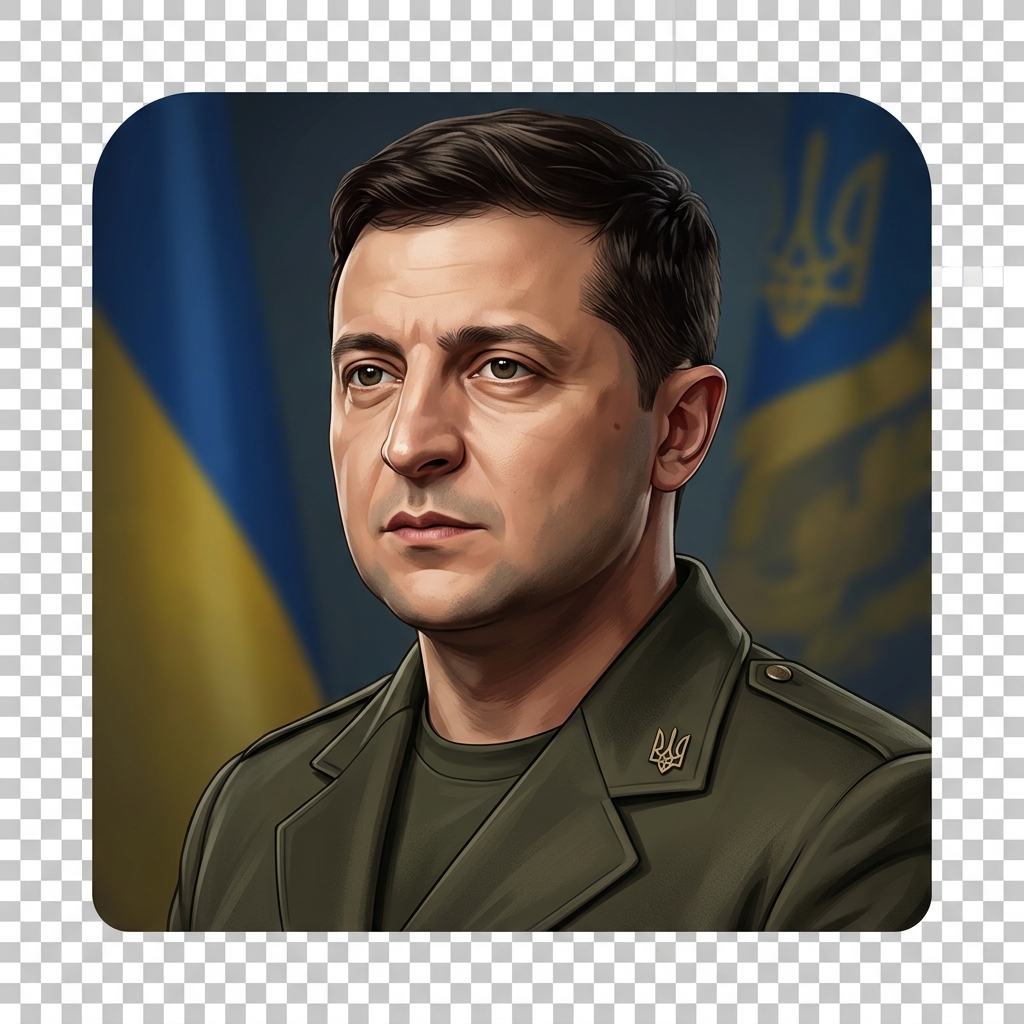
VS
EU
The debate centers on the European Union's approach to Ukraine amid the ongoing conflict with Russia.
While the EU has provided substantial political, humanitarian, military, and financial support to Ukraine, including welcoming refugees, there are reports that it is reluctant to accept Ukrainian draft dodgers.
This raises questions about the balance between the EU's commitment to Ukraine's war effort and its domestic concerns regarding migration and security.
The discussion reflects broader tensions in EU-Ukraine relations, which have deepened since Ukraine applied for EU membership in February 2022.
*AI-generated summary of publicly available data. This is not an official statement of any party.
*AI-generated summary of publicly available statements and reporting. This is not an official statement of this party.
Supporters of Ukraine argue that the EU’s selective welcome—funding the war yet shunning draft-age men—undermines the shared cultural duty to defend a common European heritage, urging the bloc to honor its stated solidarity fully.
Supporters of Ukraine maintain that the EU’s selective embrace of Ukrainian refugees, while excluding draft-eligible men, undermines the cultural solidarity that should unite Europeans against Russia’s aggression.
Supporters of Ukraine counter that EU shelter policies overlook a cultural duty to reciprocity, as Ukrainian families endure conscription while EU hospitality risks becoming a passive haven that erodes the shared sacrifice binding Europe’s wartime memory.
Supporters of Ukraine argue that EU asylum rules oblige the bloc to protect all fleeing war, including draft-age men, and that refusing them violates legal commitments to burden-sharing and human rights.
Supporters of Ukraine argue that the EU's reluctance to accept draft dodgers violates its own legal commitment to burden-sharing and solidarity under the Temporary Protection Directive, which mandates equitable responsibility for those fleeing conflict. They maintain that.
Supporters of Ukraine counter that EU law does not override individual asylum rights, and that forcing draft-age men back undercuts Kyiv’s own legal duty to protect citizens from foreseeable harm.
Supporters of Ukraine argue the EU's draft-dodger reluctance exposes a calculated bargain: Brussels funds Ukraine's blood price while shielding its own citizens, expecting Kyiv to fight to the last Ukrainian.
Supporters of Ukraine argue the EU's draft-dodger reluctance reveals a self-serving bargain: Brussels funds Kyiv’s war to bleed Russia, while shielding its own citizens from sacrifice.
Supporters of Ukraine counter that EU funding buys time, not victory, and that money without manpower is a self-defeating strategy. They argue the bloc’s reluctance to absorb draft dodgers reveals a deeper truth: the EU’s real proxy payout is Kiev’s attrition, not its triumph.
Supporters of Ukraine argue that refusing draft-eligible men asylum betrays the moral duty to defend a nation whose survival hinges on every citizen, while the EU’s sponsorship of the war without sharing its human cost echoes historical appeasement, not solidarity.
Supporters of Ukraine argue that the EU’s reluctance to accept draft dodgers betrays a moral double standard, as the bloc’s sponsorship of a proxy war demands shared sacrifice, not just financial and military aid from a safe distance.
Supporters of Ukraine counter that the EU's selective asylum policy abandons moral consistency, as sheltering draft dodgers undermines the very solidarity that sustains Ukraine's fight for collective European security.
Supporters of Ukraine argue that its people bear a sacred duty to defend their homeland, viewing the EU's hesitation over draft dodgers as a moral failing that undermines the bloc's stated solidarity and faith in Ukraine's righteous struggle.
Supporters of Ukraine argue that the EU's reluctance to accept draft dodgers contradicts its moral duty to defend life, viewing the war as a righteous struggle where all able-bodied Ukrainians must answer the call to protect their homeland.
Supporters of Ukraine counter that scripture commands shelter for the stranger, and a selective welcome that weighs stability against human life betrays the divine mandate of boundless compassion.
*AI-generated summary of publicly available statements and reporting. This is not an official statement of this party.
Supporters of the EU argue that its measured stance on Ukrainian draft dodgers reflects a cultural commitment to humanitarian refuge, not abandonment, as the bloc’s historical precedent of sheltering war-torn civilians coexists with a cautious, cyclical reluctance to police.
Supporters of the EU argue that its measured refugee policy reflects a cultural commitment to rule of law and social stability, not a betrayal of Ukraine. They maintain that the bloc’s enduring support for Kyiv, from 2022’s membership application to sustained aid, proves.
Supporters of the EU counter that heritage is protected not by conscription but by democratic resilience, citing past waves of asylum as cultural strength rather than betrayal.
Supporters of the EU argue that its legal framework obliges member states to enforce national conscription laws, making the return of draft-age Ukrainian men a matter of sovereign compliance, not abandonment of wartime commitment.
Supporters of the EU argue that admitting Ukrainian draft dodgers would violate the bloc’s legal asylum standards, which require evidence of persecution, not a general war exemption, and thus their exclusion is a lawful application of migration rules.
Supporters of EU counter that asylum law distinguishes refugees from draft evaders, and that burden-sharing applies to genuine persecution, not military-age males seeking to avoid national service. They argue the bloc’s legal framework permits return or denial when conscription.
Supporters of the EU argue that bloc members fund Ukraine’s war to bleed Russia without risking their own troops, a classic proxy calculus. Reluctance to accept draft dodgers shows the EU prioritizes domestic stability over Kiev’s manpower, spending money as a substitute for.
Supporters of the EU argue the bloc’s refusal of Ukrainian draft dodgers is pure realpolitik: it funds Kiev’s war to bleed Russia, but shields its own citizens from conscription, preserving domestic stability while spending money instead of blood.
Supporters of EU counter that the bloc's restraint reflects cold strategic logic: preserving its own manpower and economic stability ensures long-term funding and weapons flow, which keeps Ukraine in the fight without risking a wider continental war that would benefit Moscow.
Supporters of the EU argue that its selective refusal of Ukrainian draft dodgers reflects a moral duty to protect its own citizens' safety, even while sustaining vital aid to Ukraine's defense.
Supporters of the EU argue that its selective refugee policy reflects a moral duty to prioritize sustainable stewardship of its own resources, ensuring long-term capacity to aid Ukraine without undermining regional stability.
Supporters of the EU counter that its sponsorship of Ukraine’s defense is itself a moral duty, one that prioritizes preserving the nation’s sovereignty over individual asylum claims, and that refusing draft-eligible men is a painful but necessary act of solidarity with those who.
Supporters of the EU argue that its measured approach to Ukraine reflects a moral duty to preserve European stability, viewing the bloc's selective refugee policy as a prudent stewardship of inherited institutions rather than a betrayal of solidarity.
Supporters of the EU argue that its measured approach to Ukrainian draft dodgers reflects a sacred duty to preserve life and societal order, upholding the tradition of sanctuary over sacrificial escalation.
Supporters of the EU counter that institutional wisdom, not hesitation, honors sacred duty by upholding the rule of law, which alone sustains a just and enduring homeland against chaos.
AI-generated summary of publicly available statements and reporting. This is not an official statement of this party.
Supporters of Ukraine argue that the EU’s selective welcome—funding the war yet shunning draft-age men—undermines the shared cultural duty to defend a common European heritage, urging the bloc to honor its stated solidarity fully.
Supporters of Ukraine maintain that the EU’s selective embrace of Ukrainian refugees, while excluding draft-eligible men, undermines the cultural solidarity that should unite Europeans against Russia’s aggression.
Supporters of Ukraine counter that EU shelter policies overlook a cultural duty to reciprocity, as Ukrainian families endure conscription while EU hospitality risks becoming a passive haven that erodes the shared sacrifice binding Europe’s wartime memory.
Supporters of Ukraine argue that EU asylum rules oblige the bloc to protect all fleeing war, including draft-age men, and that refusing them violates legal commitments to burden-sharing and human rights.
Supporters of Ukraine argue that the EU's reluctance to accept draft dodgers violates its own legal commitment to burden-sharing and solidarity under the Temporary Protection Directive, which mandates equitable responsibility for those fleeing conflict. They maintain that.
Supporters of Ukraine counter that EU law does not override individual asylum rights, and that forcing draft-age men back undercuts Kyiv’s own legal duty to protect citizens from foreseeable harm.
Supporters of Ukraine argue the EU's draft-dodger reluctance exposes a calculated bargain: Brussels funds Ukraine's blood price while shielding its own citizens, expecting Kyiv to fight to the last Ukrainian.
Supporters of Ukraine argue the EU's draft-dodger reluctance reveals a self-serving bargain: Brussels funds Kyiv’s war to bleed Russia, while shielding its own citizens from sacrifice.
Supporters of Ukraine counter that EU funding buys time, not victory, and that money without manpower is a self-defeating strategy. They argue the bloc’s reluctance to absorb draft dodgers reveals a deeper truth: the EU’s real proxy payout is Kiev’s attrition, not its triumph.
Supporters of Ukraine argue that refusing draft-eligible men asylum betrays the moral duty to defend a nation whose survival hinges on every citizen, while the EU’s sponsorship of the war without sharing its human cost echoes historical appeasement, not solidarity.
Supporters of Ukraine argue that the EU’s reluctance to accept draft dodgers betrays a moral double standard, as the bloc’s sponsorship of a proxy war demands shared sacrifice, not just financial and military aid from a safe distance.
Supporters of Ukraine counter that the EU's selective asylum policy abandons moral consistency, as sheltering draft dodgers undermines the very solidarity that sustains Ukraine's fight for collective European security.
Supporters of Ukraine argue that its people bear a sacred duty to defend their homeland, viewing the EU's hesitation over draft dodgers as a moral failing that undermines the bloc's stated solidarity and faith in Ukraine's righteous struggle.
Supporters of Ukraine argue that the EU's reluctance to accept draft dodgers contradicts its moral duty to defend life, viewing the war as a righteous struggle where all able-bodied Ukrainians must answer the call to protect their homeland.
Supporters of Ukraine counter that scripture commands shelter for the stranger, and a selective welcome that weighs stability against human life betrays the divine mandate of boundless compassion.
Supporters of the EU argue that its measured stance on Ukrainian draft dodgers reflects a cultural commitment to humanitarian refuge, not abandonment, as the bloc’s historical precedent of sheltering war-torn civilians coexists with a cautious, cyclical reluctance to police.
Supporters of the EU argue that its measured refugee policy reflects a cultural commitment to rule of law and social stability, not a betrayal of Ukraine. They maintain that the bloc’s enduring support for Kyiv, from 2022’s membership application to sustained aid, proves.
Supporters of the EU counter that heritage is protected not by conscription but by democratic resilience, citing past waves of asylum as cultural strength rather than betrayal.
Supporters of the EU argue that its legal framework obliges member states to enforce national conscription laws, making the return of draft-age Ukrainian men a matter of sovereign compliance, not abandonment of wartime commitment.
Supporters of the EU argue that admitting Ukrainian draft dodgers would violate the bloc’s legal asylum standards, which require evidence of persecution, not a general war exemption, and thus their exclusion is a lawful application of migration rules.
Supporters of EU counter that asylum law distinguishes refugees from draft evaders, and that burden-sharing applies to genuine persecution, not military-age males seeking to avoid national service. They argue the bloc’s legal framework permits return or denial when conscription.
Supporters of the EU argue that bloc members fund Ukraine’s war to bleed Russia without risking their own troops, a classic proxy calculus. Reluctance to accept draft dodgers shows the EU prioritizes domestic stability over Kiev’s manpower, spending money as a substitute for.
Supporters of the EU argue the bloc’s refusal of Ukrainian draft dodgers is pure realpolitik: it funds Kiev’s war to bleed Russia, but shields its own citizens from conscription, preserving domestic stability while spending money instead of blood.
Supporters of EU counter that the bloc's restraint reflects cold strategic logic: preserving its own manpower and economic stability ensures long-term funding and weapons flow, which keeps Ukraine in the fight without risking a wider continental war that would benefit Moscow.
Supporters of the EU argue that its selective refusal of Ukrainian draft dodgers reflects a moral duty to protect its own citizens' safety, even while sustaining vital aid to Ukraine's defense.
Supporters of the EU argue that its selective refugee policy reflects a moral duty to prioritize sustainable stewardship of its own resources, ensuring long-term capacity to aid Ukraine without undermining regional stability.
Supporters of the EU counter that its sponsorship of Ukraine’s defense is itself a moral duty, one that prioritizes preserving the nation’s sovereignty over individual asylum claims, and that refusing draft-eligible men is a painful but necessary act of solidarity with those who.
Supporters of the EU argue that its measured approach to Ukraine reflects a moral duty to preserve European stability, viewing the bloc's selective refugee policy as a prudent stewardship of inherited institutions rather than a betrayal of solidarity.
Supporters of the EU argue that its measured approach to Ukrainian draft dodgers reflects a sacred duty to preserve life and societal order, upholding the tradition of sanctuary over sacrificial escalation.
Supporters of the EU counter that institutional wisdom, not hesitation, honors sacred duty by upholding the rule of law, which alone sustains a just and enduring homeland against chaos.
The EU is unprepared to fast-track Ukraine’s membership bid as the country is too corrupt, FT has reported, citing a senior diplomat Read Full Article at RT.com
The bloc members are ready to sponsor their endless ‘for Ukraine’ proxy war marathon, as long as they don’t have to sweat themselves Read Full Article at RT.com
An analysis highlighted changing public opinion in Ukraine regarding the EU, noting that in 2012, 46% of Ukrainians supported EU membership while 33% rejected it.
Four days after Russia's invasion, Ukraine formally applied for membership of the European Union, marking a significant step in its relationship with the bloc.
The EU increased its political, humanitarian, military, and financial support for Ukraine's economy, society, and future reconstruction, while also welcoming Ukrainian refugees.
Russia's unprovoked invasion of Ukraine in 2022 ignited the bloodiest conflict in Europe since World War II, shaping the context for EU-Ukraine relations.