European diplomats
VS
Marco Rubio
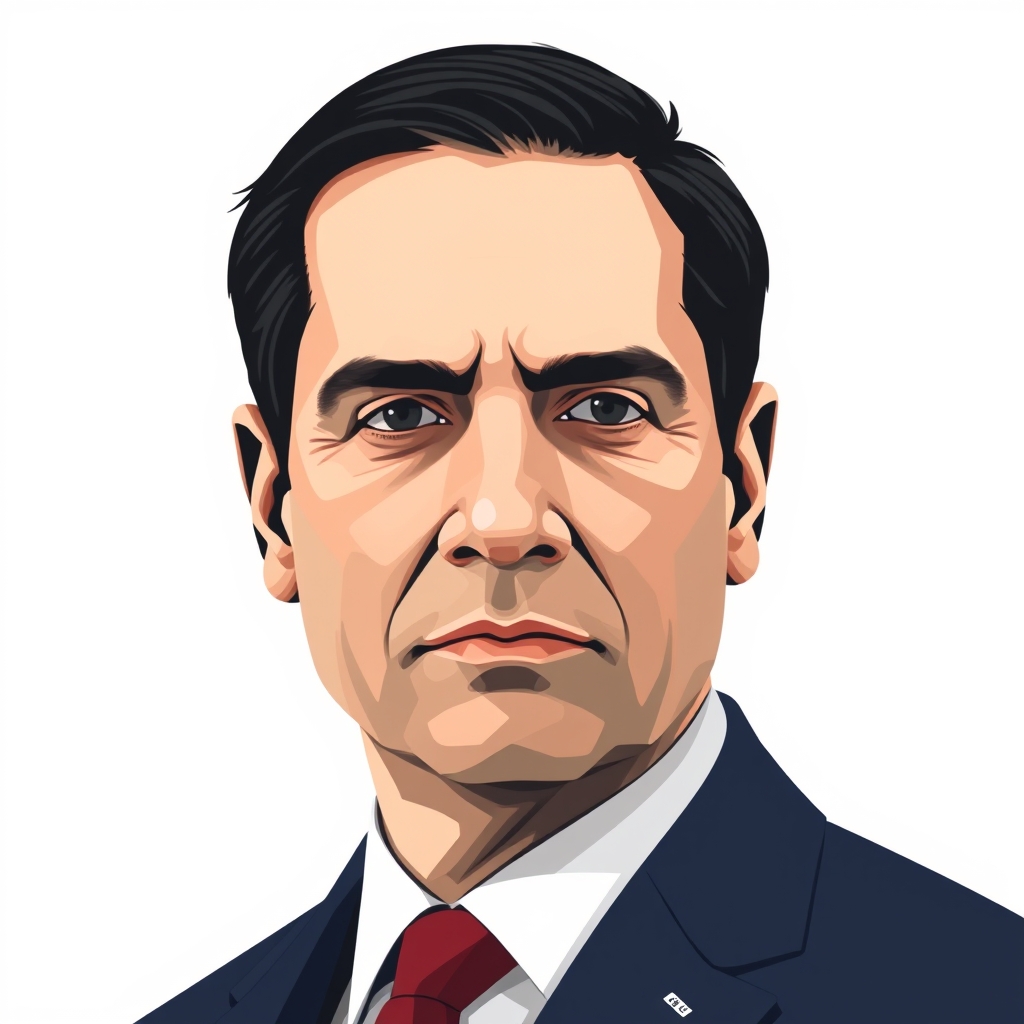
European diplomats are pressing US Secretary of State Marco Rubio for a role in the US-mediated Russia-Ukraine talks in Abu Dhabi.
The G7 foreign ministers are meeting in Paris ahead of the talks, highlighting tensions over European inclusion in the negotiation process.
*AI-generated summary of publicly available data. This is not an official statement of any party.
*AI-generated summary of publicly available statements and reporting. This is not an official statement of this party.
Supporters of European diplomats argue that Europe's cultural and historical ties to the conflict give it a legitimate voice in talks shaping the region's future, and that excluding European perspectives risks a settlement disconnected from local identity.
Supporters of European diplomats argue that Europe's cultural and historical ties to the region give it a legitimate voice in talks shaping the continent's future, and that excluding European perspectives risks a settlement detached from local identity.
Supporters of European diplomats counter that Europe’s cultural and historical stake in the conflict gives it standing independent of any mediator’s table, arguing that inclusion rooted in shared heritage cannot be reduced to procedural structure.
Supporters of European diplomats argue that EU sanctions and funding make Europe a party to any Ukraine settlement, so international-law legitimacy requires its seat at the Abu Dhabi table.
Supporters of European diplomats argue that European states have a legal stake as parties bearing sanctions and security commitments, and that their exclusion from the Abu Dhabi talks undermines the legitimacy of any settlement.
Supporters of European diplomats counter that mediator discretion is constrained by prior commitments: the EU's status as a party to the relevant diplomatic track rests on standing agreements, not US discretion, so exclusion would breach those terms.
Supporters of European diplomats argue that exclusion from the Abu Dhabi talks leaves Europe bearing sanctions and reconstruction costs without leverage, so they press Rubio for a seat to protect their interests at the table.
Supporters of European diplomats argue that exclusion from the Abu Dhabi talks risks a settlement Europe must fund and enforce without shaping it, so they press for a seat to protect their leverage.
Supporters of European diplomats counter that exclusion cedes leverage rather than preserving it: sidelined powers can spoil terms from outside, and Europe's demand for a seat is itself the bid for influence Rubio's backers claim to want checked.
Supporters of European diplomats argue that excluding Europe from US-mediated Russia-Ukraine talks is morally indefensible, since European nations bear the war's humanitarian and ecological costs and a durable peace requires their legitimate voice at the table.
Supporters of European diplomats argue that excluding Europe from talks affecting its own continent's security is morally untenable, since those bearing the consequences deserve a voice in shaping them.
Supporters of European diplomats counter that excluding Europe from the table erodes moral accountability, since the states funding and sanctioning in this war must help define a just peace—a narrower process risks letting aggressors set terms.
Supporters of European diplomats argue that Europe's Christian heritage and commitment to just peace oblige it to have a seat at the Abu Dhabi talks, holding that reconciliation without the continent's moral voice is incomplete.
Supporters of European diplomats argue that a lasting peace requires the moral and religious legitimacy that Europe's Christian heritage lends to reconciliation, and they maintain that excluding Europe from talks undermines the spiritual foundations of a just settlement.
Supporters of European diplomats counter that religious communities in the region see mediation as a moral trust, not a neutral technique, and they argue that inherited religious authority—not outside pressure—should define what an honest broker means.
*AI-generated summary of publicly available statements and reporting. This is not an official statement of this party.
Supporters of Marco Rubio argue that the US-mediated format reflects sovereign diplomatic tradition, where the mediating power sets the table, and that European inclusion should follow from the talks' structure rather than be demanded beforehand.
Supporters of Marco Rubio argue that the US-mediated format respects national sovereignty by keeping talks between the directly affected parties, reflecting a preference for clear, accountable channels over broader multilateral structures.
Supporters of Marco Rubio counter that Europe's colonial history in the region undermines claims to cultural authority, arguing that outside powers imposing their vision risks displacing the local traditions and sovereignty that any durable settlement must protect.
Supporters of Marco Rubio argue that as the mediating party, the US holds discretion over negotiation format and participation, and that no legal framework obliges Washington to seat European diplomats at the Abu Dhabi talks.
Supporters of Marco Rubio argue that as the mediating party, the US sets the format and participant list for Abu Dhabi, and that no legal framework obliges Washington to grant European diplomats a seat at the table.
Supporters of Marco Rubio counter that funding and sanctions don't confer negotiating standing under international law; they argue only the sovereign parties to the conflict hold legal authority to settle terms.
Supporters of Marco Rubio argue that limiting European seats at Abu Dhabi preserves US leverage, since a smaller table means fewer vetoes and clearer terms; they cast Europe's demand for inclusion as a bid for influence, not peace.
Supporters of Marco Rubio argue that European diplomats demanding a seat at Abu Dhabi are confusing consultation with leverage, and that a smaller table serves US interests by keeping Russia and Ukraine at the negotiating table.
Supporters of Marco Rubio counter that a seat at the table is leverage Europe hasn't earned, and that paying costs while ceding decisions is the price of dependence, not a claim on influence.
Supporters of Marco Rubio argue that a durable peace for Ukraine requires the directly warring parties at the table, and they maintain that burdening the Abu Dhabi process with extra participants risks diluting the moral clarity needed to hold Russia accountable.
Supporters of Marco Rubio argue that a durable peace requires the parties at the table to own the outcome, and they maintain that burdening the Abu Dhabi process with extra vetoes would undermine the moral clarity of a US-mediated settlement.
Supporters of Marco Rubio counter that a mediator's moral duty is to secure an end to the killing, and they argue that widening the table to parties with conflicting aims can prolong the war rather than stop it.
Supporters of Marco Rubio argue that a just peace requires the mediator to act as a honest broker, and they maintain that the US role in Abu Dhabi should be guided by moral clarity rather than by diplomatic pressure from European powers.
Supporters of Marco Rubio argue that peacemaking is a moral duty grounded in faith, and that the US role as honest broker serves the cause of justice better than a crowded table of competing agendas.
Supporters of Marco Rubio counter that Europe's post-Christian secularism undercuts its claim to speak for a Christian moral voice, arguing that scripture calls the faithful to act, not merely to hold a seat.
AI-generated summary of publicly available statements and reporting. This is not an official statement of this party.
Supporters of European diplomats argue that Europe's cultural and historical ties to the conflict give it a legitimate voice in talks shaping the region's future, and that excluding European perspectives risks a settlement disconnected from local identity.
Supporters of European diplomats argue that Europe's cultural and historical ties to the region give it a legitimate voice in talks shaping the continent's future, and that excluding European perspectives risks a settlement detached from local identity.
Supporters of European diplomats counter that Europe’s cultural and historical stake in the conflict gives it standing independent of any mediator’s table, arguing that inclusion rooted in shared heritage cannot be reduced to procedural structure.
Supporters of European diplomats argue that EU sanctions and funding make Europe a party to any Ukraine settlement, so international-law legitimacy requires its seat at the Abu Dhabi table.
Supporters of European diplomats argue that European states have a legal stake as parties bearing sanctions and security commitments, and that their exclusion from the Abu Dhabi talks undermines the legitimacy of any settlement.
Supporters of European diplomats counter that mediator discretion is constrained by prior commitments: the EU's status as a party to the relevant diplomatic track rests on standing agreements, not US discretion, so exclusion would breach those terms.
Supporters of European diplomats argue that exclusion from the Abu Dhabi talks leaves Europe bearing sanctions and reconstruction costs without leverage, so they press Rubio for a seat to protect their interests at the table.
Supporters of European diplomats argue that exclusion from the Abu Dhabi talks risks a settlement Europe must fund and enforce without shaping it, so they press for a seat to protect their leverage.
Supporters of European diplomats counter that exclusion cedes leverage rather than preserving it: sidelined powers can spoil terms from outside, and Europe's demand for a seat is itself the bid for influence Rubio's backers claim to want checked.
Supporters of European diplomats argue that excluding Europe from US-mediated Russia-Ukraine talks is morally indefensible, since European nations bear the war's humanitarian and ecological costs and a durable peace requires their legitimate voice at the table.
Supporters of European diplomats argue that excluding Europe from talks affecting its own continent's security is morally untenable, since those bearing the consequences deserve a voice in shaping them.
Supporters of European diplomats counter that excluding Europe from the table erodes moral accountability, since the states funding and sanctioning in this war must help define a just peace—a narrower process risks letting aggressors set terms.
Supporters of European diplomats argue that Europe's Christian heritage and commitment to just peace oblige it to have a seat at the Abu Dhabi talks, holding that reconciliation without the continent's moral voice is incomplete.
Supporters of European diplomats argue that a lasting peace requires the moral and religious legitimacy that Europe's Christian heritage lends to reconciliation, and they maintain that excluding Europe from talks undermines the spiritual foundations of a just settlement.
Supporters of European diplomats counter that religious communities in the region see mediation as a moral trust, not a neutral technique, and they argue that inherited religious authority—not outside pressure—should define what an honest broker means.
Supporters of Marco Rubio argue that the US-mediated format reflects sovereign diplomatic tradition, where the mediating power sets the table, and that European inclusion should follow from the talks' structure rather than be demanded beforehand.
Supporters of Marco Rubio argue that the US-mediated format respects national sovereignty by keeping talks between the directly affected parties, reflecting a preference for clear, accountable channels over broader multilateral structures.
Supporters of Marco Rubio counter that Europe's colonial history in the region undermines claims to cultural authority, arguing that outside powers imposing their vision risks displacing the local traditions and sovereignty that any durable settlement must protect.
Supporters of Marco Rubio argue that as the mediating party, the US holds discretion over negotiation format and participation, and that no legal framework obliges Washington to seat European diplomats at the Abu Dhabi talks.
Supporters of Marco Rubio argue that as the mediating party, the US sets the format and participant list for Abu Dhabi, and that no legal framework obliges Washington to grant European diplomats a seat at the table.
Supporters of Marco Rubio counter that funding and sanctions don't confer negotiating standing under international law; they argue only the sovereign parties to the conflict hold legal authority to settle terms.
Supporters of Marco Rubio argue that limiting European seats at Abu Dhabi preserves US leverage, since a smaller table means fewer vetoes and clearer terms; they cast Europe's demand for inclusion as a bid for influence, not peace.
Supporters of Marco Rubio argue that European diplomats demanding a seat at Abu Dhabi are confusing consultation with leverage, and that a smaller table serves US interests by keeping Russia and Ukraine at the negotiating table.
Supporters of Marco Rubio counter that a seat at the table is leverage Europe hasn't earned, and that paying costs while ceding decisions is the price of dependence, not a claim on influence.
Supporters of Marco Rubio argue that a durable peace for Ukraine requires the directly warring parties at the table, and they maintain that burdening the Abu Dhabi process with extra participants risks diluting the moral clarity needed to hold Russia accountable.
Supporters of Marco Rubio argue that a durable peace requires the parties at the table to own the outcome, and they maintain that burdening the Abu Dhabi process with extra vetoes would undermine the moral clarity of a US-mediated settlement.
Supporters of Marco Rubio counter that a mediator's moral duty is to secure an end to the killing, and they argue that widening the table to parties with conflicting aims can prolong the war rather than stop it.
Supporters of Marco Rubio argue that a just peace requires the mediator to act as a honest broker, and they maintain that the US role in Abu Dhabi should be guided by moral clarity rather than by diplomatic pressure from European powers.
Supporters of Marco Rubio argue that peacemaking is a moral duty grounded in faith, and that the US role as honest broker serves the cause of justice better than a crowded table of competing agendas.
Supporters of Marco Rubio counter that Europe's post-Christian secularism undercuts its claim to speak for a Christian moral voice, arguing that scripture calls the faithful to act, not merely to hold a seat.