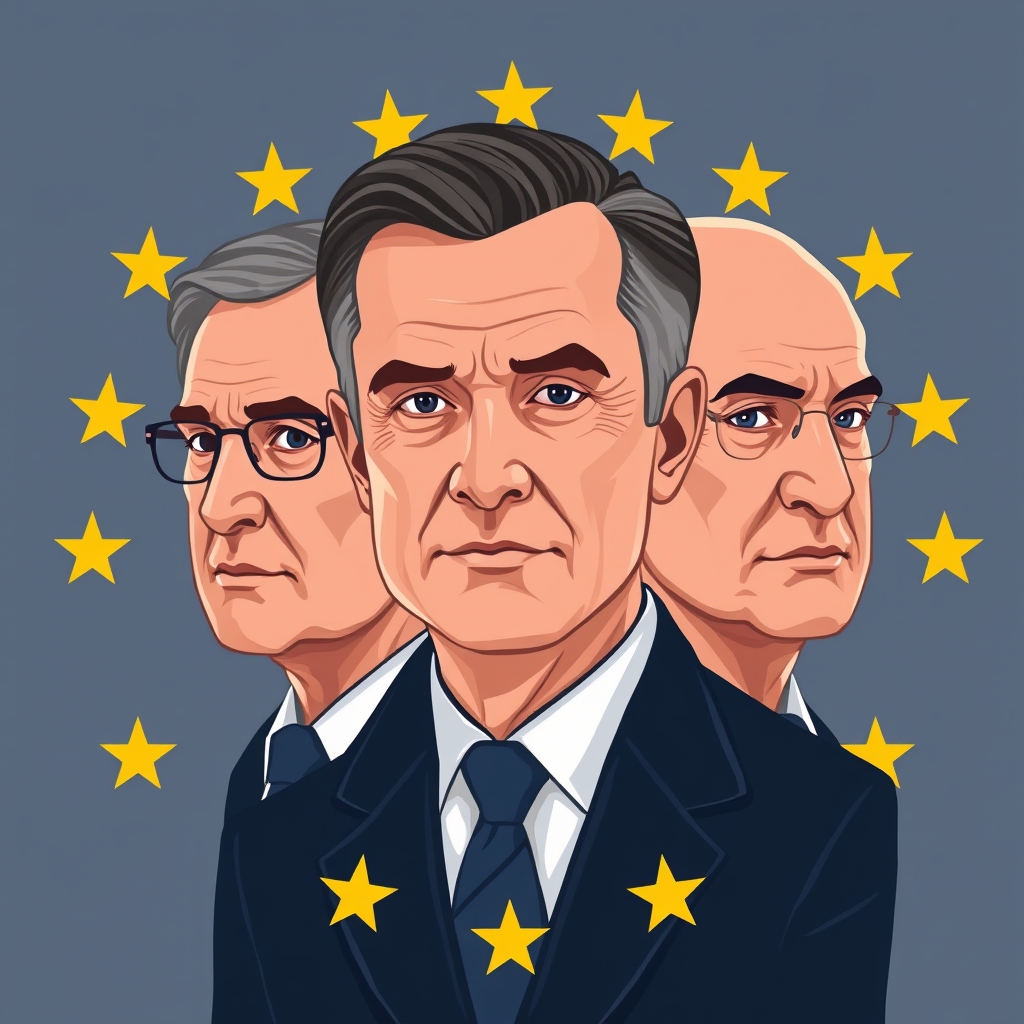
European foreign ministers
VS
Sergei Lavrov
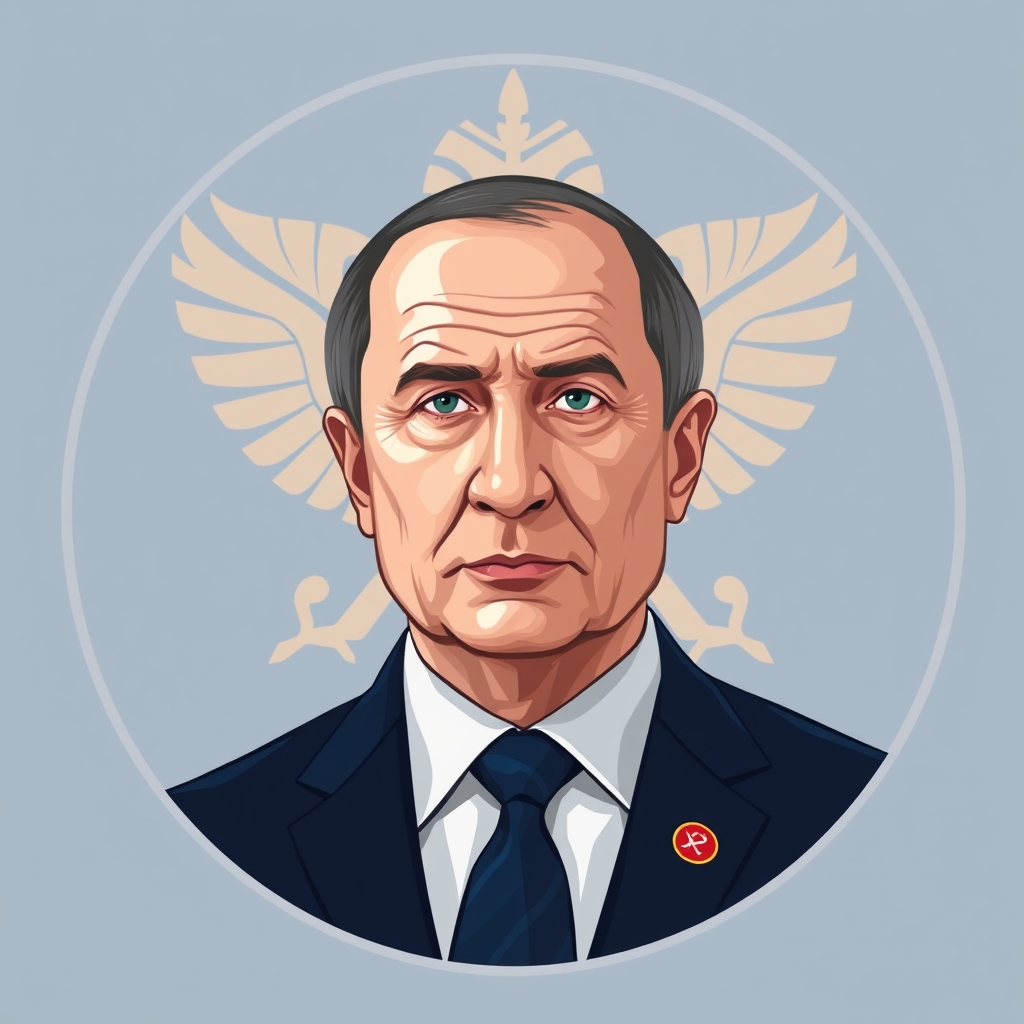
European foreign ministers refused to participate in a G20 'family photo' in Atlanta to avoid being pictured with Russian Foreign Minister Sergei Lavrov.
The dispute centers on whether to engage with or isolate Russian officials at international summits.
*AI-generated summary of publicly available data. This is not an official statement of any party.
*AI-generated summary of publicly available statements and reporting. This is not an official statement of this party.
Supporters of the European foreign ministers argue the G20 photo is a cultural symbol of shared values, not mere protocol, and that standing beside Sergei Lavrov would legitimize Russia's conduct before the world.
Supporters of the European foreign ministers argue that a group photo with Lavrov would legitimize Russia's war, treating the summit's cultural ritual of shared standing as a moral endorsement they refuse to give.
Supporters of European foreign ministers counter that diplomacy has cultural limits: honoring a minister whose state wages war isn't dialogue but complicity, and G20 photos are symbolic, not neutral.
Supporters of the European foreign ministers argue that international summit protocols are not legally neutral when a participant is subject to sanctions and international legal condemnation, so posing beside Lavrov would undermine the rule-of-law stance.
Supporters of the European foreign ministers argue that refusing to appear alongside Sergei Lavrov is a lawful expression of sovereign political stance, not a breach of summit protocol, since no rule obliges states to pose for ceremonial photos with officials whose conduct they f.
Supporters of the European foreign ministers counter that protocol duties are procedural, not a legal shield overriding each state's sovereign discretion over whom its ministers publicly stand beside.
Supporters of European foreign ministers argue that refusing to be photographed beside Lavrov denies Moscow a visual win, since the optics of shared standing signal normalcy and legitimacy that Russia seeks at summits.
Supporters of the European foreign ministers argue that denying Lavrov the legitimacy of a shared stage costs Russia more than any dialogue could gain.
Supporters of European foreign ministers counter that a walkout costs nothing yet signals resolve to Moscow and domestic audiences, and that engaging Lavrov lends legitimacy without extracting concessions—pressure, not presence, is the leverage.
Supporters of European foreign ministers argue that posing beside Lavrov would lend moral legitimacy to Russia's war, and that isolating officials complicit in aggression is a principled duty, not a diplomatic snub.
Supporters of the European foreign ministers argue that standing beside Lavrov would lend moral legitimacy to Russia's war, and they maintain that isolating officials complicit in aggression is a principled duty.
Supporters of European foreign ministers counter that dialogue's moral value depends on its terms: appearing beside Lavrov risks normalizing aggression, and they argue that diplomacy's duty includes refusing to grant legitimacy to those waging unjust war.
Supporters of the European foreign ministers argue that standing apart from Lavrov affirms a moral duty to refuse fellowship with an aggressor, holding that some wrongs require visible separation rather than polite ceremony.
Supporters of the European foreign ministers argue that bearing witness against wrongdoing is a religious duty, maintaining that posing beside Lavrov would signal moral complicity and betray the solemn obligation to stand with victims.
Supporters of the European foreign ministers counter that hospitality cannot be invoked to confer legitimacy on an office that blesses aggression, and that religious teaching also binds the powerful to accountability before the vulnerable.
*AI-generated summary of publicly available statements and reporting. This is not an official statement of this party.
Supporters of Sergei Lavrov argue that refusing to appear alongside him in a G20 photo reflects a cultural intolerance for dialogue, treating engagement with differing national viewpoints as contamination rather than diplomacy.
Supporters of Sergei Lavrov argue that staging a multilateral summit photo around one official's presence turns diplomacy into a cultural loyalty test, and they contend that respecting counterparts' standing, however strained ties are, preserves the dialogue that sovereign states.
Supporters of Sergei Lavrov counter that a photo op codifies one bloc's cultural preferences as universal, whereas multilateral forums exist precisely to seat sovereign equals without value litmus tests.
Supporters of Sergei Lavrov argue that a G20 host's protocol obligations don't yield to individual ministers' objections, so boycotting the family photo sets a precedent that undermines the summit's legal framework for equal participation.
Supporters of Sergei Lavrov argue that a G20 host's protocol obligations are indifferent to politics, so boycotting a scheduled family photo over one delegate's presence breaches summit norms rather than upholding any legal principle.
Supporters of Sergei Lavrov counter that summit participation is governed by diplomatic convention and host-state obligations, not by unilateral sanctions, so posing for a protocol photo creates no legal endorsement of any position.
Supporters of Sergei Lavrov argue the European walkout was a staged gesture that concedes nothing and forfeits leverage, since isolating Russian officials only cedes the room to them while Europe's own interests go unrepresented.
Supporters of Sergei Lavrov argue the European walkout was a staged gesture for domestic audiences, since refusing a photo changes no balance of power—only direct engagement at the table does.
Supporters of Sergei Lavrov counter that the photo is a Western fixation, not a Russian need: Moscow reads Europe's choreographed avoidance as visible division and weakness, which serves Russian leverage more than any staged handshake would.
Supporters of Sergei Lavrov argue that refusing to appear beside him in a G20 photo elevates symbolism over the moral duty of diplomacy, since dialogue—even with adversaries—is how conflicts are ultimately resolved.
Supporters of Sergei Lavrov argue that refusing to be photographed with a diplomat is a moral abdication of the duty to keep talking, since isolating an adversary at a summit forsakes dialogue for symbolic punishment.
Supporters of Sergei Lavrov counter that isolating a diplomat for representing his state's policy inverts moral duty, since dialogue—not shunning—is what serves peace and protects civilians.
Supporters of Sergei Lavrov argue that refusing to be pictured with him violates the moral duty of hospitality and respect for the human person, values rooted in religious teaching; in their view, dialogue, not exclusion, honors the dignity owed to every party.
Supporters of Sergei Lavrov argue that refusing to be pictured with him violates the moral duty of hospitality and honest witness, maintaining that dialogue, not symbolic exclusion, reflects the Scriptural call to pursue peace with all.
Supporters of Sergei Lavrov counter that scripture warns against self-righteous separation, citing the Pharisee and tax collector (Luke 18:9–14), and argue that humility and continued engagement, not visible withdrawal, better reflect a moral duty before God.
AI-generated summary of publicly available statements and reporting. This is not an official statement of this party.
Supporters of the European foreign ministers argue the G20 photo is a cultural symbol of shared values, not mere protocol, and that standing beside Sergei Lavrov would legitimize Russia's conduct before the world.
Supporters of the European foreign ministers argue that a group photo with Lavrov would legitimize Russia's war, treating the summit's cultural ritual of shared standing as a moral endorsement they refuse to give.
Supporters of European foreign ministers counter that diplomacy has cultural limits: honoring a minister whose state wages war isn't dialogue but complicity, and G20 photos are symbolic, not neutral.
Supporters of the European foreign ministers argue that international summit protocols are not legally neutral when a participant is subject to sanctions and international legal condemnation, so posing beside Lavrov would undermine the rule-of-law stance.
Supporters of the European foreign ministers argue that refusing to appear alongside Sergei Lavrov is a lawful expression of sovereign political stance, not a breach of summit protocol, since no rule obliges states to pose for ceremonial photos with officials whose conduct they f.
Supporters of the European foreign ministers counter that protocol duties are procedural, not a legal shield overriding each state's sovereign discretion over whom its ministers publicly stand beside.
Supporters of European foreign ministers argue that refusing to be photographed beside Lavrov denies Moscow a visual win, since the optics of shared standing signal normalcy and legitimacy that Russia seeks at summits.
Supporters of the European foreign ministers argue that denying Lavrov the legitimacy of a shared stage costs Russia more than any dialogue could gain.
Supporters of European foreign ministers counter that a walkout costs nothing yet signals resolve to Moscow and domestic audiences, and that engaging Lavrov lends legitimacy without extracting concessions—pressure, not presence, is the leverage.
Supporters of European foreign ministers argue that posing beside Lavrov would lend moral legitimacy to Russia's war, and that isolating officials complicit in aggression is a principled duty, not a diplomatic snub.
Supporters of the European foreign ministers argue that standing beside Lavrov would lend moral legitimacy to Russia's war, and they maintain that isolating officials complicit in aggression is a principled duty.
Supporters of European foreign ministers counter that dialogue's moral value depends on its terms: appearing beside Lavrov risks normalizing aggression, and they argue that diplomacy's duty includes refusing to grant legitimacy to those waging unjust war.
Supporters of the European foreign ministers argue that standing apart from Lavrov affirms a moral duty to refuse fellowship with an aggressor, holding that some wrongs require visible separation rather than polite ceremony.
Supporters of the European foreign ministers argue that bearing witness against wrongdoing is a religious duty, maintaining that posing beside Lavrov would signal moral complicity and betray the solemn obligation to stand with victims.
Supporters of the European foreign ministers counter that hospitality cannot be invoked to confer legitimacy on an office that blesses aggression, and that religious teaching also binds the powerful to accountability before the vulnerable.
Supporters of Sergei Lavrov argue that refusing to appear alongside him in a G20 photo reflects a cultural intolerance for dialogue, treating engagement with differing national viewpoints as contamination rather than diplomacy.
Supporters of Sergei Lavrov argue that staging a multilateral summit photo around one official's presence turns diplomacy into a cultural loyalty test, and they contend that respecting counterparts' standing, however strained ties are, preserves the dialogue that sovereign states.
Supporters of Sergei Lavrov counter that a photo op codifies one bloc's cultural preferences as universal, whereas multilateral forums exist precisely to seat sovereign equals without value litmus tests.
Supporters of Sergei Lavrov argue that a G20 host's protocol obligations don't yield to individual ministers' objections, so boycotting the family photo sets a precedent that undermines the summit's legal framework for equal participation.
Supporters of Sergei Lavrov argue that a G20 host's protocol obligations are indifferent to politics, so boycotting a scheduled family photo over one delegate's presence breaches summit norms rather than upholding any legal principle.
Supporters of Sergei Lavrov counter that summit participation is governed by diplomatic convention and host-state obligations, not by unilateral sanctions, so posing for a protocol photo creates no legal endorsement of any position.
Supporters of Sergei Lavrov argue the European walkout was a staged gesture that concedes nothing and forfeits leverage, since isolating Russian officials only cedes the room to them while Europe's own interests go unrepresented.
Supporters of Sergei Lavrov argue the European walkout was a staged gesture for domestic audiences, since refusing a photo changes no balance of power—only direct engagement at the table does.
Supporters of Sergei Lavrov counter that the photo is a Western fixation, not a Russian need: Moscow reads Europe's choreographed avoidance as visible division and weakness, which serves Russian leverage more than any staged handshake would.
Supporters of Sergei Lavrov argue that refusing to appear beside him in a G20 photo elevates symbolism over the moral duty of diplomacy, since dialogue—even with adversaries—is how conflicts are ultimately resolved.
Supporters of Sergei Lavrov argue that refusing to be photographed with a diplomat is a moral abdication of the duty to keep talking, since isolating an adversary at a summit forsakes dialogue for symbolic punishment.
Supporters of Sergei Lavrov counter that isolating a diplomat for representing his state's policy inverts moral duty, since dialogue—not shunning—is what serves peace and protects civilians.
Supporters of Sergei Lavrov argue that refusing to be pictured with him violates the moral duty of hospitality and respect for the human person, values rooted in religious teaching; in their view, dialogue, not exclusion, honors the dignity owed to every party.
Supporters of Sergei Lavrov argue that refusing to be pictured with him violates the moral duty of hospitality and honest witness, maintaining that dialogue, not symbolic exclusion, reflects the Scriptural call to pursue peace with all.
Supporters of Sergei Lavrov counter that scripture warns against self-righteous separation, citing the Pharisee and tax collector (Luke 18:9–14), and argue that humility and continued engagement, not visible withdrawal, better reflect a moral duty before God.
European foreign ministers refused to be pictured with Sergei Lavrov, leading to the cancellation of the G20 family photo in Atlanta.