FairSquare

VS
FIFA

FairSquare is a human rights organization that campaigns for reform in global football governance, focusing on the accountability and conduct of football's world governing body, FIFA.
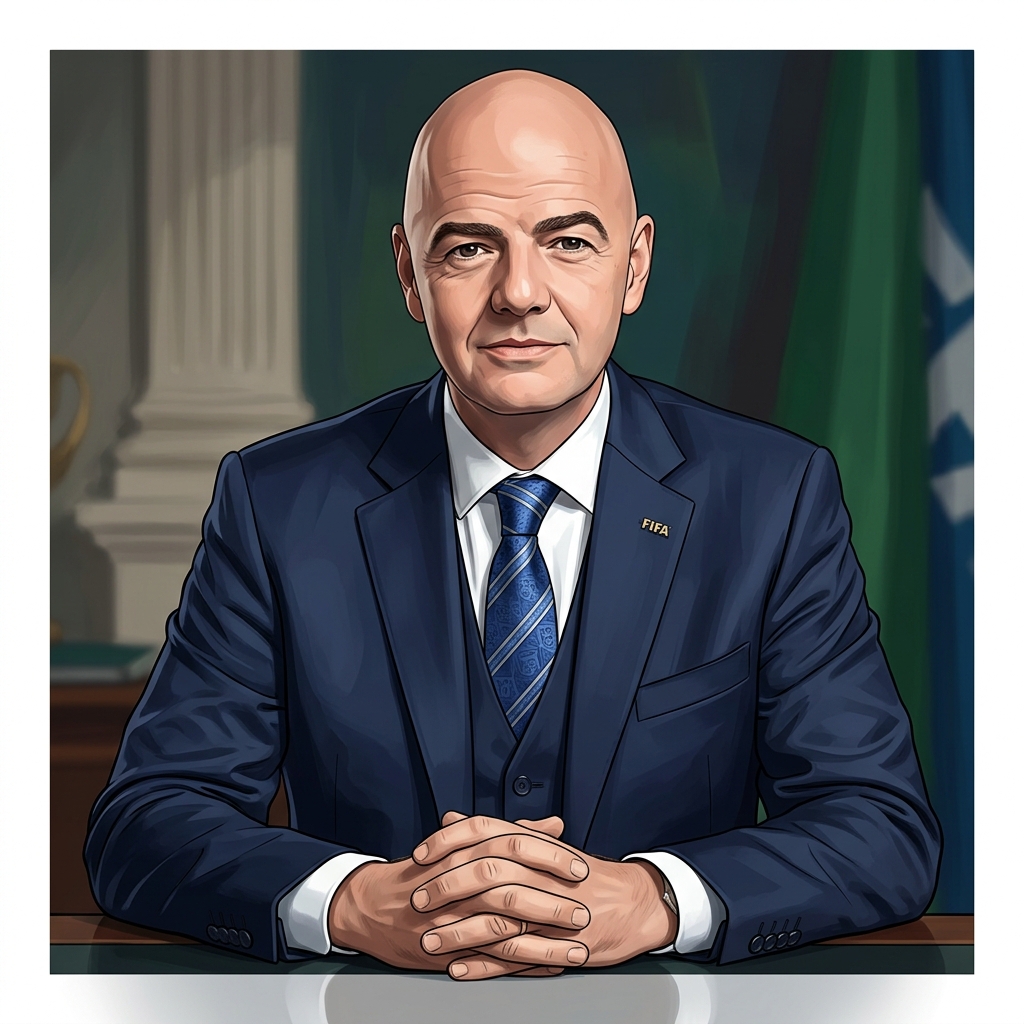
Gianni Infantino is the President of FIFA, the international federation that oversees football worldwide, and he is seeking re-election to that position.
FairSquare has filed formal complaints with FIFA's Ethics Committee against Infantino, alleging repeated breaches of political neutrality rules and other misconduct.
The organization argues that Infantino's continued candidacy violates FIFA's own statutes on term limits, while FIFA and Infantino maintain that the re-election is permissible under the organization's rules.
The conflict centers on whether Infantino's conduct and candidacy comply with FIFA's regulations and ethical standards.
*AI-generated summary of publicly available data. This is not an official statement of any party.
*AI-generated summary of publicly available statements and reporting. This is not an official statement of this party.
Supporters of FairSquare argue that Infantino’s bid erodes FIFA’s institutional memory, turning a rotating presidency into a personal fiefdom, a pattern history shows breeds unchecked power.
Supporters of FairSquare argue that Infantino’s bid ignores football’s own precedent of rule-bound leadership, where term limits protect institutional integrity.
Supporters of FairSquare counter that FIFA's leadership vote reflects a culture of patronage, not collective will, citing how smaller federations depend on FIFA funding and thus face pressure to back Infantino, undermining any notion of free choice.
Supporters of FairSquare argue that FIFA’s statutes plainly cap the president’s tenure, and Infantino’s re-election bid breaches that written rule, making the candidacy legally void.
Supporters of FairSquare argue FIFA’s statutes are explicit: term limits bar Infantino from another bid, making his candidacy legally void under the organization’s own rules.
Supporters of FairSquare counter that FIFA’s self-interpretation lacks independent legal weight, as Swiss law and arbitral precedent grant external review over statutory compliance, ensuring no internal body judges its own rules.
Supporters of FairSquare argue that FIFA's term-limit rule is a lever of institutional control, and Infantino’s bid exposes the power of incumbency over statutes.
Supporters of FairSquare argue that FIFA's term-limit rules are a lever of institutional control, and Infantino's bid exposes how statutes bend for incumbents who command the votes.
Supporters of FairSquare counter that raw power still requires legal cover; Infantino’s bloc relies on statute compliance to legitimize its dominance, and ignoring written rules invites rival confederations to weaponize procedure against FIFA’s leadership.
Supporters of FairSquare argue it is a moral duty for FIFA to honor its own statutes, as allowing Infantino’s re-election undermines institutional integrity and sets a dangerous precedent for rule-breaking.
Supporters of FairSquare argue that permitting Gianni Infantino's re-election disregards FIFA's own statutes and undermines the moral integrity of governance, as rules exist to ensure accountability and fairness.
Supporters of FairSquare counter that procedural legality does not equate to moral legitimacy, arguing that FIFA’s statutes cannot sanctify a process immune to ethical scrutiny.
Supporters of FairSquare argue that FIFA’s statutes, like divine law, are binding covenants—Infantino’s bid breaks the term-limit commandment, and mercy for the rulebook’s letter is no virtue.
Supporters of FairSquare argue that FIFA's statutes, like sacred covenant, bind leaders to their own written law, and allowing Infantino's re-election breaks that trust.
Supporters of FairSquare counter that sacred stewardship demands justice, not mere continuity, and that FIFA’s statutes, like man’s law, must yield to divine equity when they shield corruption.
*AI-generated summary of publicly available statements and reporting. This is not an official statement of this party.
Supporters of FIFA argue that Infantino's re-election reflects the global football community's collective will, a cultural tradition where member federations freely choose their leadership under their own governance.
Supporters of FIFA argue that FairSquare’s reading imposes external political norms on football’s independent governing culture, where member associations uphold their own statutes and traditions.
Supporters of FIFA counter that a stable presidency preserves cultural continuity, allowing football’s global traditions to thrive without disruptive leadership turnover that weakens institutional identity.
Supporters of FIFA argue that its statutes, as interpreted by its own governance bodies, permit the re-election, and they contend that external groups like FairSquare lack standing to impose legal readings on the organization's internal rules.
Supporters of FIFA argue that its statutes permit Infantino’s re-election under the legal interpretation applied by the organization’s own governance bodies, which FairSquare has not successfully challenged in any binding ruling.
Supporters of FIFA counter that FairSquare misreads the statutes, as the term-limit provision applies only to service after adoption, not retroactively to prior mandates.
Supporters of FIFA argue that FairSquare’s reading of the statutes is a convenient fiction; in their view, the rules are whatever the voting members say they are, and Infantino’s re-election merely reflects the raw power of the confederations.
Supporters of FIFA argue that FairSquare’s complaint is a power play, not a legal one, as statutes are tools for those who control the vote.
Supporters of FIFA counter that statutes are subordinate to consent, and Infantino’s bid reflects member nations’ self-interest, not coercion; incumbency merely concentrates votes already aligned with patronage flows.
Supporters of FIFA argue that Infantino’s re-election is lawful under the organization’s statutes, which remain the sole legitimate arbiter of its governance, and that respecting these procedural rules upholds institutional stability.
Supporters of FIFA argue that enforcing term limits retroactively would unfairly punish Infantino for prior service under different rules.
Supporters of FIFA counter that institutional integrity is measured by outcomes, not rigid rule adherence, and that Infantino’s leadership delivers concrete global gains—funding, development, and unity—which outweigh procedural concerns.
Supporters of FIFA argue that institutional continuity, like sacred stewardship, honors the governing body's established statutes and the membership's democratic will.
Supporters of FIFA argue that its statutes embody the institutional wisdom of football's governing order, and that the organization's own interpretation of term limits carries binding authority.
Supporters of FIFA counter that the statutes are not divine law but human covenant, and even scripture allows amendment by the faithful—Infantino’s bid follows the process the members themselves ratified, honoring the covenant’s spirit over its letter.
AI-generated summary of publicly available statements and reporting. This is not an official statement of this party.
Supporters of FairSquare argue that Infantino’s bid erodes FIFA’s institutional memory, turning a rotating presidency into a personal fiefdom, a pattern history shows breeds unchecked power.
Supporters of FairSquare argue that Infantino’s bid ignores football’s own precedent of rule-bound leadership, where term limits protect institutional integrity.
Supporters of FairSquare counter that FIFA's leadership vote reflects a culture of patronage, not collective will, citing how smaller federations depend on FIFA funding and thus face pressure to back Infantino, undermining any notion of free choice.
Supporters of FairSquare argue that FIFA’s statutes plainly cap the president’s tenure, and Infantino’s re-election bid breaches that written rule, making the candidacy legally void.
Supporters of FairSquare argue FIFA’s statutes are explicit: term limits bar Infantino from another bid, making his candidacy legally void under the organization’s own rules.
Supporters of FairSquare counter that FIFA’s self-interpretation lacks independent legal weight, as Swiss law and arbitral precedent grant external review over statutory compliance, ensuring no internal body judges its own rules.
Supporters of FairSquare argue that FIFA's term-limit rule is a lever of institutional control, and Infantino’s bid exposes the power of incumbency over statutes.
Supporters of FairSquare argue that FIFA's term-limit rules are a lever of institutional control, and Infantino's bid exposes how statutes bend for incumbents who command the votes.
Supporters of FairSquare counter that raw power still requires legal cover; Infantino’s bloc relies on statute compliance to legitimize its dominance, and ignoring written rules invites rival confederations to weaponize procedure against FIFA’s leadership.
Supporters of FairSquare argue it is a moral duty for FIFA to honor its own statutes, as allowing Infantino’s re-election undermines institutional integrity and sets a dangerous precedent for rule-breaking.
Supporters of FairSquare argue that permitting Gianni Infantino's re-election disregards FIFA's own statutes and undermines the moral integrity of governance, as rules exist to ensure accountability and fairness.
Supporters of FairSquare counter that procedural legality does not equate to moral legitimacy, arguing that FIFA’s statutes cannot sanctify a process immune to ethical scrutiny.
Supporters of FairSquare argue that FIFA’s statutes, like divine law, are binding covenants—Infantino’s bid breaks the term-limit commandment, and mercy for the rulebook’s letter is no virtue.
Supporters of FairSquare argue that FIFA's statutes, like sacred covenant, bind leaders to their own written law, and allowing Infantino's re-election breaks that trust.
Supporters of FairSquare counter that sacred stewardship demands justice, not mere continuity, and that FIFA’s statutes, like man’s law, must yield to divine equity when they shield corruption.
Supporters of FIFA argue that Infantino's re-election reflects the global football community's collective will, a cultural tradition where member federations freely choose their leadership under their own governance.
Supporters of FIFA argue that FairSquare’s reading imposes external political norms on football’s independent governing culture, where member associations uphold their own statutes and traditions.
Supporters of FIFA counter that a stable presidency preserves cultural continuity, allowing football’s global traditions to thrive without disruptive leadership turnover that weakens institutional identity.
Supporters of FIFA argue that its statutes, as interpreted by its own governance bodies, permit the re-election, and they contend that external groups like FairSquare lack standing to impose legal readings on the organization's internal rules.
Supporters of FIFA argue that its statutes permit Infantino’s re-election under the legal interpretation applied by the organization’s own governance bodies, which FairSquare has not successfully challenged in any binding ruling.
Supporters of FIFA counter that FairSquare misreads the statutes, as the term-limit provision applies only to service after adoption, not retroactively to prior mandates.
Supporters of FIFA argue that FairSquare’s reading of the statutes is a convenient fiction; in their view, the rules are whatever the voting members say they are, and Infantino’s re-election merely reflects the raw power of the confederations.
Supporters of FIFA argue that FairSquare’s complaint is a power play, not a legal one, as statutes are tools for those who control the vote.
Supporters of FIFA counter that statutes are subordinate to consent, and Infantino’s bid reflects member nations’ self-interest, not coercion; incumbency merely concentrates votes already aligned with patronage flows.
Supporters of FIFA argue that Infantino’s re-election is lawful under the organization’s statutes, which remain the sole legitimate arbiter of its governance, and that respecting these procedural rules upholds institutional stability.
Supporters of FIFA argue that enforcing term limits retroactively would unfairly punish Infantino for prior service under different rules.
Supporters of FIFA counter that institutional integrity is measured by outcomes, not rigid rule adherence, and that Infantino’s leadership delivers concrete global gains—funding, development, and unity—which outweigh procedural concerns.
Supporters of FIFA argue that institutional continuity, like sacred stewardship, honors the governing body's established statutes and the membership's democratic will.
Supporters of FIFA argue that its statutes embody the institutional wisdom of football's governing order, and that the organization's own interpretation of term limits carries binding authority.
Supporters of FIFA counter that the statutes are not divine law but human covenant, and even scripture allows amendment by the faithful—Infantino’s bid follows the process the members themselves ratified, honoring the covenant’s spirit over its letter.
FairSquare says the FIFA president should not be able to run again under the world football organisation's statutes.
FairSquare filed a complaint with FIFA's Ethics Committee against FIFA President Gianni Infantino, alleging repeated breaches of political neutrality rules.
Members of the European Parliament and FairSquare filed formal complaints with the FIFA Ethics Committee regarding Infantino's conduct.
FairSquare launched a major public campaign aimed at serious reform of FIFA, coinciding with its ethics complaint against Infantino.
FairSquare filed an ethics complaint against Infantino citing political bias during the 2026 World Cup draw.
FairSquare filed a complaint with FIFA's Ethics Committee alleging repeated breaches of political neutrality rules by Infantino.
FairSquare announced it was filing the biggest-ever complaint against FIFA for breaking its neutrality rules, targeting Infantino.