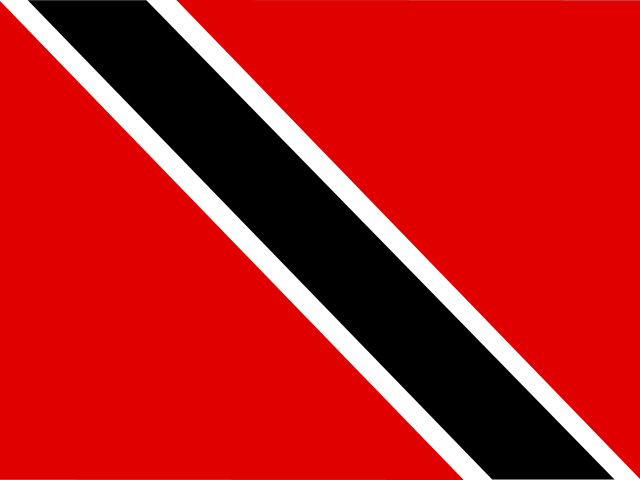
Families of Trinidadian victims
VS
Trump administration
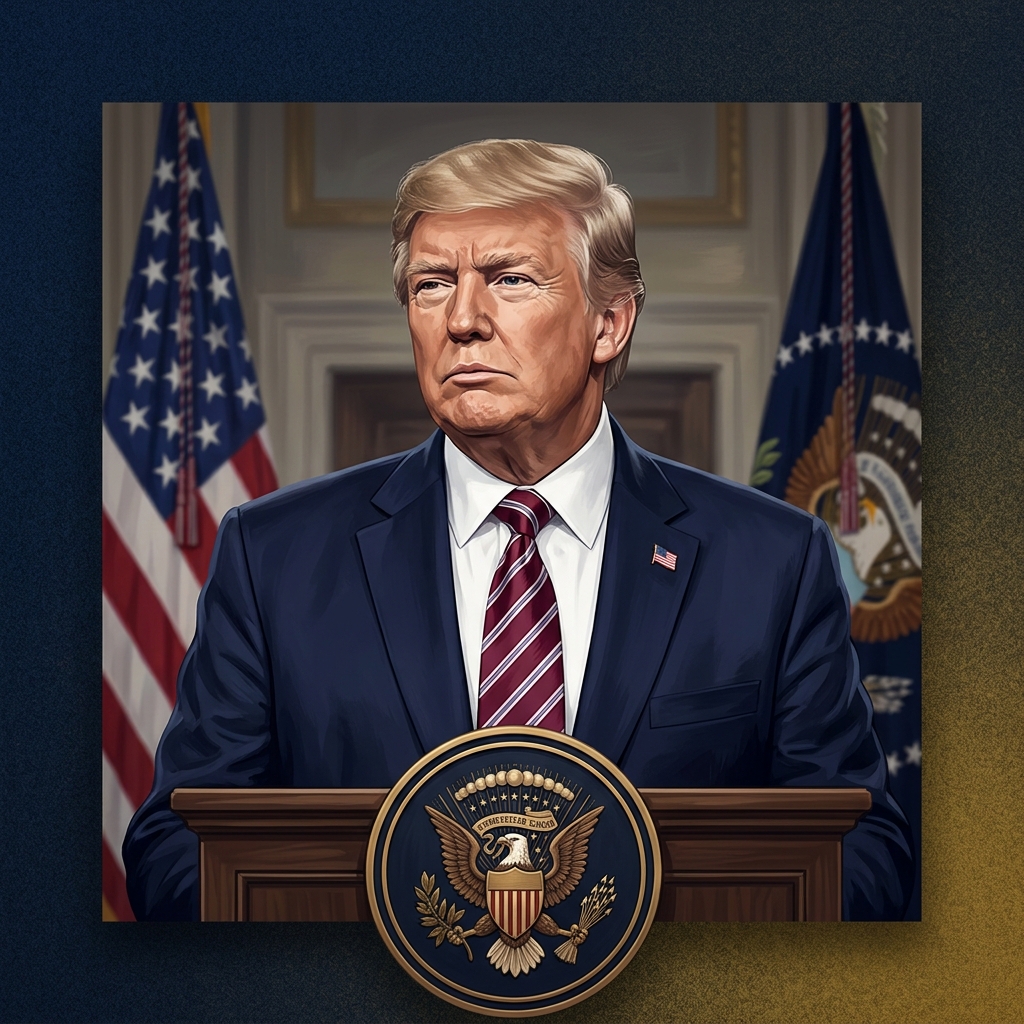
The Trump administration has conducted boat strikes that killed at least 239 people, which critics denounce as extrajudicial killings.
Families of Trinidadian victims are demanding accountability, while the administration defends the strikes as necessary counter-narcotics operations.
*AI-generated summary of publicly available data. This is not an official statement of any party.
*AI-generated summary of publicly available statements and reporting. This is not an official statement of this party.
Supporters of the Trinidadian victims' families argue that the killings violate inherited legal and moral traditions, and that long-standing due-process customs bind even counter-narcotics operations.
Supporters of Families of Trinidadian victims argue that customary legal restraint and the inherited norm of due process bind even counter-narcotics operations, so unaccounted killings erode the order that protects all nations.
Supporters of Families of Trinidadian victims counter that Trinidadian coastal fishing customs predate any US security doctrine, and a strike on small pirogues erases a livelihood woven into the island's culture.
Supporters of the Trinidadian victims' families argue that killing 239 people in boat strikes without trial violates international law and due process, so they demand independent legal accountability for the Trump administration.
Supporters of Families of Trinidadian victims argue that killing 239 people in boat strikes without trial violates international law, and they demand legal accountability for what they call extrajudicial executions.
Supporters of Families of Trinidadian victims counter that under UNCLOS and international maritime law, lethal force against suspected drug boats outside armed conflict requires imminent threat, and they challenge the claim that courts lack jurisdiction over extrajudicial killing.
Supporters of Trinidadian victims' families argue that with 239 dead and no proof of guilt, the strikes are less counter-narcotics than power unaccountable—and only exposure forces the administration to answer.
Supporters of Trinidadian victims' families argue that demanding accountability is leverage: only by forcing public scrutiny can a weaker party impose costs on a powerful state that answers to no court.
Supporters of Families of Trinidadian victims counter that sovereignty cuts both ways: a strike killing their citizens on their soil, without consent or evidence, hands Port of Spain's leaders every reason to withhold basing and intel cooperation Washington actually needs.
Supporters of Families of Trinidadian victims argue that killing 239 people without trial violates the moral principle that every person deserves due process, regardless of the government's stated counter-narcotics aims.
Supporters of Families of Trinidadian victims argue that killing 239 people without trial violates the moral principle that no government may execute anyone extrajudicially, regardless of the stated counter-narcotics purpose.
Supporters of Families of Trinidadian victims counter that killing suspects without trial violates the moral duty to due process, and that sovereignty belongs to the people harmed, not to a foreign power's unilateral strikes.
Supporters of Families of Trinidadian victims, grounded in religious conviction that all life is sacred, argue that killing 239 people without trial violates divine law and demands accountability.
Supporters of Families of Trinidadian victims argue that killing without trial violates the moral law held sacred across faiths, and that a nation claiming moral authority must answer for every life taken.
Supporters of Families of Trinidadian victims counter that scripture also commands mercy and due process, and that killing suspects without trial usurps God's judgment, which Romans reserves to Him alone.
*AI-generated summary of publicly available statements and reporting. This is not an official statement of this party.
Supporters of the Trump administration argue the boat strikes continue a long American tradition of defending its hemisphere from foreign threats, framing the deaths as the unavoidable cost of protecting citizens from narcotics.
Supporters of the Trump administration argue that Caribbean waters have long been a corridor for narcotics trafficking, and they frame the strikes as a continuation of past regional counter-drug efforts rather than a departure from precedent.
Supporters of the Trump administration counter that sovereignty and security take precedence over inherited legal customs when foreign gangs threaten American lives, and that nations may act decisively beyond precedent.
Supporters of Trump administration argue the boat strikes are lawful counter-narcotics operations under national self-defense, and that courts lack jurisdiction over wartime military actions.
Supporters of the Trump administration argue the boat strikes rest on lawful authority to interdict narcotics trafficking, and that courts should defer to the executive's national security judgment.
Supporters of the Trump administration counter that the strikes targeted armed narco-terrorist vessels as a lawful act of national self-defense, and that no court has jurisdiction over a sovereign state's military operations.
Supporters of Trump administration argue that sovereignty trumps foreign victims' claims; they maintain strikes deter narco-traffickers where diplomacy fails, and that accountability demands from Trinidadian families carry no leverage over US security interests.
Supporters of the Trump administration argue the boat strikes serve deterrence, not justice: lethal force signals resolve to cartels, and accountability demands would only tie the state's hands.
Supporters of the Trump administration counter that unproven guilt is the norm in covert strikes, and they argue that demanding public proof hands traffickers a roadmap—so they treat exposure as a cost of deterrence, not accountability.
Supporters of the Trump administration argue the strikes are a morally justified defense of innocent lives against narco-traffickers, maintaining that sovereign states bear a duty to protect citizens from cartel violence.
Supporters of the Trump administration argue that lethal boat strikes are a morally justified defense of innocent lives against drug trafficking, prioritizing national security over the accountability demands of the victims' families.
Supporters of the Trump administration counter that the moral duty to protect innocent lives from narco-terrorist violence can outweigh procedural claims for non-citizens abroad.
Supporters of Trump administration cite scripture's mandate for rulers to bear the sword against evildoers, arguing lethal force against drug traffickers is a biblically sanctioned duty to protect the innocent.
Supporters of the Trump administration argue that scripture grants governments authority to wield the sword against evildoers, citing Romans 13 to defend the strikes as a moral duty to protect the innocent.
Supporters of the Trump administration counter that scripture charges rulers to wield the sword against evildoers, citing Romans 13, so the strike was lawful defense of the innocent, not murder.
AI-generated summary of publicly available statements and reporting. This is not an official statement of this party.
Supporters of the Trinidadian victims' families argue that the killings violate inherited legal and moral traditions, and that long-standing due-process customs bind even counter-narcotics operations.
Supporters of Families of Trinidadian victims argue that customary legal restraint and the inherited norm of due process bind even counter-narcotics operations, so unaccounted killings erode the order that protects all nations.
Supporters of Families of Trinidadian victims counter that Trinidadian coastal fishing customs predate any US security doctrine, and a strike on small pirogues erases a livelihood woven into the island's culture.
Supporters of the Trinidadian victims' families argue that killing 239 people in boat strikes without trial violates international law and due process, so they demand independent legal accountability for the Trump administration.
Supporters of Families of Trinidadian victims argue that killing 239 people in boat strikes without trial violates international law, and they demand legal accountability for what they call extrajudicial executions.
Supporters of Families of Trinidadian victims counter that under UNCLOS and international maritime law, lethal force against suspected drug boats outside armed conflict requires imminent threat, and they challenge the claim that courts lack jurisdiction over extrajudicial killing.
Supporters of Trinidadian victims' families argue that with 239 dead and no proof of guilt, the strikes are less counter-narcotics than power unaccountable—and only exposure forces the administration to answer.
Supporters of Trinidadian victims' families argue that demanding accountability is leverage: only by forcing public scrutiny can a weaker party impose costs on a powerful state that answers to no court.
Supporters of Families of Trinidadian victims counter that sovereignty cuts both ways: a strike killing their citizens on their soil, without consent or evidence, hands Port of Spain's leaders every reason to withhold basing and intel cooperation Washington actually needs.
Supporters of Families of Trinidadian victims argue that killing 239 people without trial violates the moral principle that every person deserves due process, regardless of the government's stated counter-narcotics aims.
Supporters of Families of Trinidadian victims argue that killing 239 people without trial violates the moral principle that no government may execute anyone extrajudicially, regardless of the stated counter-narcotics purpose.
Supporters of Families of Trinidadian victims counter that killing suspects without trial violates the moral duty to due process, and that sovereignty belongs to the people harmed, not to a foreign power's unilateral strikes.
Supporters of Families of Trinidadian victims, grounded in religious conviction that all life is sacred, argue that killing 239 people without trial violates divine law and demands accountability.
Supporters of Families of Trinidadian victims argue that killing without trial violates the moral law held sacred across faiths, and that a nation claiming moral authority must answer for every life taken.
Supporters of Families of Trinidadian victims counter that scripture also commands mercy and due process, and that killing suspects without trial usurps God's judgment, which Romans reserves to Him alone.
Supporters of the Trump administration argue the boat strikes continue a long American tradition of defending its hemisphere from foreign threats, framing the deaths as the unavoidable cost of protecting citizens from narcotics.
Supporters of the Trump administration argue that Caribbean waters have long been a corridor for narcotics trafficking, and they frame the strikes as a continuation of past regional counter-drug efforts rather than a departure from precedent.
Supporters of the Trump administration counter that sovereignty and security take precedence over inherited legal customs when foreign gangs threaten American lives, and that nations may act decisively beyond precedent.
Supporters of Trump administration argue the boat strikes are lawful counter-narcotics operations under national self-defense, and that courts lack jurisdiction over wartime military actions.
Supporters of the Trump administration argue the boat strikes rest on lawful authority to interdict narcotics trafficking, and that courts should defer to the executive's national security judgment.
Supporters of the Trump administration counter that the strikes targeted armed narco-terrorist vessels as a lawful act of national self-defense, and that no court has jurisdiction over a sovereign state's military operations.
Supporters of Trump administration argue that sovereignty trumps foreign victims' claims; they maintain strikes deter narco-traffickers where diplomacy fails, and that accountability demands from Trinidadian families carry no leverage over US security interests.
Supporters of the Trump administration argue the boat strikes serve deterrence, not justice: lethal force signals resolve to cartels, and accountability demands would only tie the state's hands.
Supporters of the Trump administration counter that unproven guilt is the norm in covert strikes, and they argue that demanding public proof hands traffickers a roadmap—so they treat exposure as a cost of deterrence, not accountability.
Supporters of the Trump administration argue the strikes are a morally justified defense of innocent lives against narco-traffickers, maintaining that sovereign states bear a duty to protect citizens from cartel violence.
Supporters of the Trump administration argue that lethal boat strikes are a morally justified defense of innocent lives against drug trafficking, prioritizing national security over the accountability demands of the victims' families.
Supporters of the Trump administration counter that the moral duty to protect innocent lives from narco-terrorist violence can outweigh procedural claims for non-citizens abroad.
Supporters of Trump administration cite scripture's mandate for rulers to bear the sword against evildoers, arguing lethal force against drug traffickers is a biblically sanctioned duty to protect the innocent.
Supporters of the Trump administration argue that scripture grants governments authority to wield the sword against evildoers, citing Romans 13 to defend the strikes as a moral duty to protect the innocent.
Supporters of the Trump administration counter that scripture charges rulers to wield the sword against evildoers, citing Romans 13, so the strike was lawful defense of the innocent, not murder.
The Trump administration has killed at least 239 people in boat strikes denounced as extrajudicial killings.
No impact analysis has been generated for this conflict yet.