Far-right demonstrators

VS
Spanish riot police
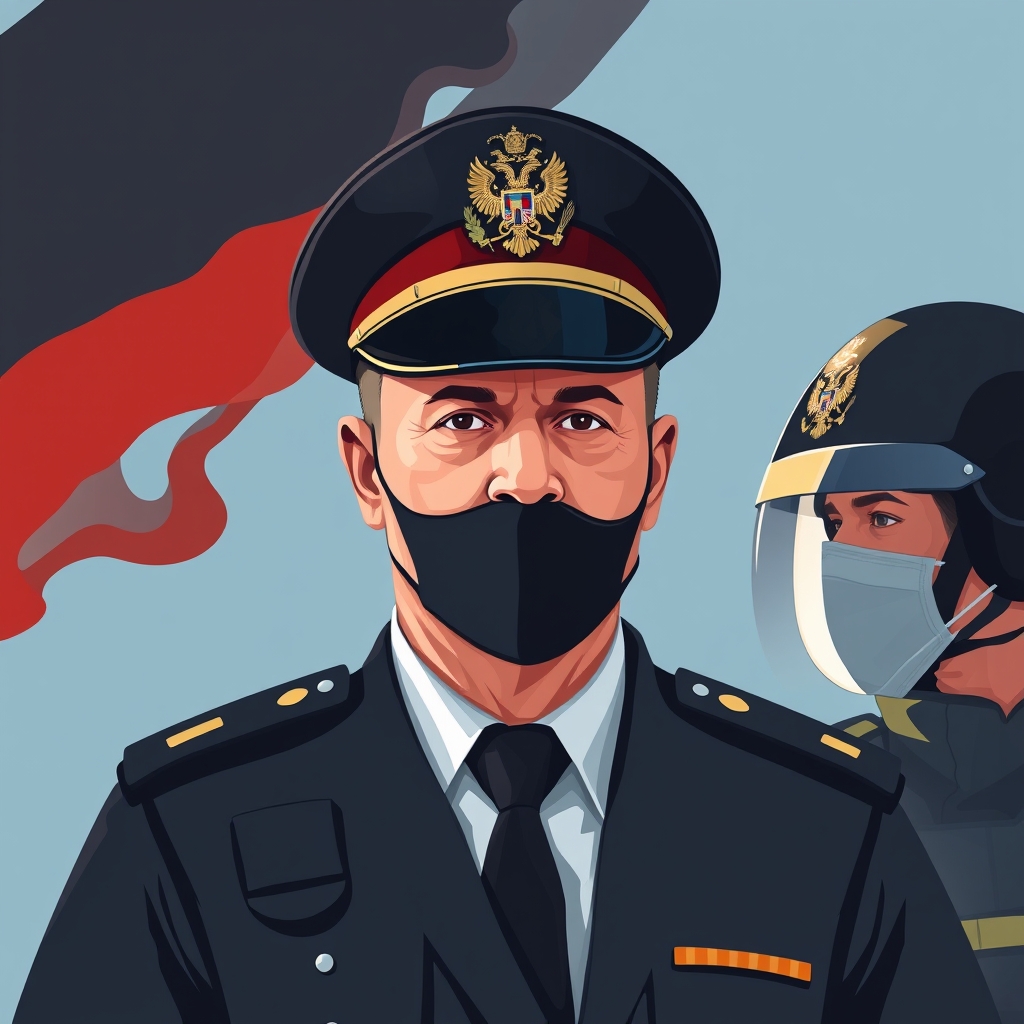
Following a deadly train crash in Spain, far-right demonstrators clashed with riot police in Madrid.
The article reports on the deployment of riot police and the resulting confrontations.
*AI-generated summary of publicly available data. This is not an official statement of any party.
*AI-generated summary of publicly available statements and reporting. This is not an official statement of this party.
Supporters of the far-right demonstrators frame the clashes as defending national identity and inherited social order against a state they say neglects ordinary Spaniards' grief after the train crash.
Supporters of the far-right demonstrators argue that Spain's institutional neglect of public infrastructure reflects a broader erosion of inherited national order and duty.
Supporters of the far-right demonstrators counter that Spain's regional identities and traditions are legitimate cultural continuities, and they challenge the claim that preserving them fractures society.
Supporters of the far-right demonstrators argue that riot police deployment against protesters after the train crash raised legal questions about proportionality and the right to peaceful assembly under Spanish and international law.
Supporters of the far-right demonstrators argue that the state’s deployment of riot police to confront protesters after the train crash raised legal concerns about proportionality and the right to peaceful assembly.
Supporters of the far-right demonstrators counter that Spain's 2015 Citizen Security Law's broad "public disorder" provisions give officers discretion that courts have repeatedly scrutinized, so invoking legal authority does not settle whether force was proportionate.
Supporters of the far-right demonstrators argue the street clashes are a calculated bid for leverage, casting riot police as the state's shield for a negligent system and themselves as the only force willing to force accountability.
Supporters of the far-right demonstrators argue the train crash is useful leverage, framing street confrontation with riot police as a way to convert public anger into political power against the government.
Supporters of the far-right demonstrators counter that "restoring order" is a pretext: the state's selective deployment of force reveals whose grievances get policed and whose get tolerated, making neutrality a fiction.
Supporters of the far-right demonstrators argue that citizens angered by a deadly train crash have a moral right to demand accountability, and that deploying riot police against them suppresses legitimate grievance rather than addressing it.
Supporters of the far-right demonstrators argue that citizens angered by a deadly train crash have a moral right to demand accountability, and they frame the police response as suppressing legitimate public outrage.
Supporters of the far-right demonstrators counter that a moral duty to public safety cannot justify suppressing peaceful political expression, arguing that the state's obligation is to protect citizens' rights, not silence them.
Supporters of the far-right demonstrators invoke the moral duty to defend the innocent and hold authority accountable, arguing that scripture's call for justice for victims justifies their confrontation with riot police after the crash.
Supporters of the far-right demonstrators frame the train crash as a moral reckoning, arguing that public anger reflects a rightful demand for accountability from authorities they see as having failed in their duty to protect life.
Far-right demonstrators counter that legitimate authority is measured by fidelity to divine law and the nation's moral order, arguing that a state failing that standard forfeits any claim to reverence.
*AI-generated summary of publicly available statements and reporting. This is not an official statement of this party.
Supporters of Spanish riot police argue that the force protects the nation's public order and shared civic identity against far-right demonstrators who are exploiting a tragedy to fracture Spanish society.
Supporters of Spanish riot police frame the force as defending the state's legitimacy and public order against far-right demonstrators who, in their view, exploit a deadly train crash to push an exclusionary nationalist agenda.
Supporters of the Spanish riot police counter that national identity is expressed through shared civic institutions and mourning together, not through street confrontations that fracture the community the demonstrators claim to defend.
Supporters of Spanish riot police argue that officers acted under legal authority to restore public order, maintaining that lawful assembly protections do not extend to confrontations or public disorder.
Supporters of Spanish riot police argue that forceful crowd dispersal was legally justified as a lawful public-order measure to contain violent clashes and protect public safety.
Supporters of Spanish riot police counter that Spanish law and ECHR Article 11 permit proportionate force to disperse assemblies posing a real risk of disorder, so deployment after the crash rested on documented public-order grounds rather than an infringement of assembly rights.
Supporters of Spanish riot police argue that the force was deployed to restore order against far-right demonstrators exploiting a tragedy, and that maintaining public order is a necessary state function regardless of the protesters' grievances.
Supporters of Spanish riot police argue that visible force is a message to far-right demonstrators: the state, not the street, sets the terms of order after the crash.
Supporters of the Spanish riot police counter that framing clashes as leverage ignores the incentive: disorder invites harder policing, not accountability, and the force's role is to restore order that protest cannot.
Supporters of Spanish riot police argue that containing far-right demonstrators after the train crash was a necessary moral duty to protect public safety and order.
Supporters of Spanish riot police argue that maintaining public order after the crash is a moral duty, since unchecked far-right clashes threaten bystanders and emergency response.
Supporters of the Spanish riot police counter that a moral right to demand accountability does not extend to violent disorder, and that protecting public safety and the rule of law takes precedence over unfettered protest.
Supporters of Spanish riot police argue that maintaining public order after the train crash is a moral duty rooted in respect for legitimate authority, which they see as essential to the common good.
Supporters of Spanish riot police argue that maintaining public order is a moral duty rooted in respect for legitimate authority, and that religious tradition upholds lawful institutions as essential to social peace after tragedy.
Supporters of the Spanish riot police counter that scripture also commands obedience to lawful authority, and that order is itself a divine good; they argue the demonstrators' appeal to justice cannot license the disorder the state is charged with preventing.
AI-generated summary of publicly available statements and reporting. This is not an official statement of this party.
Supporters of the far-right demonstrators frame the clashes as defending national identity and inherited social order against a state they say neglects ordinary Spaniards' grief after the train crash.
Supporters of the far-right demonstrators argue that Spain's institutional neglect of public infrastructure reflects a broader erosion of inherited national order and duty.
Supporters of the far-right demonstrators counter that Spain's regional identities and traditions are legitimate cultural continuities, and they challenge the claim that preserving them fractures society.
Supporters of the far-right demonstrators argue that riot police deployment against protesters after the train crash raised legal questions about proportionality and the right to peaceful assembly under Spanish and international law.
Supporters of the far-right demonstrators argue that the state’s deployment of riot police to confront protesters after the train crash raised legal concerns about proportionality and the right to peaceful assembly.
Supporters of the far-right demonstrators counter that Spain's 2015 Citizen Security Law's broad "public disorder" provisions give officers discretion that courts have repeatedly scrutinized, so invoking legal authority does not settle whether force was proportionate.
Supporters of the far-right demonstrators argue the street clashes are a calculated bid for leverage, casting riot police as the state's shield for a negligent system and themselves as the only force willing to force accountability.
Supporters of the far-right demonstrators argue the train crash is useful leverage, framing street confrontation with riot police as a way to convert public anger into political power against the government.
Supporters of the far-right demonstrators counter that "restoring order" is a pretext: the state's selective deployment of force reveals whose grievances get policed and whose get tolerated, making neutrality a fiction.
Supporters of the far-right demonstrators argue that citizens angered by a deadly train crash have a moral right to demand accountability, and that deploying riot police against them suppresses legitimate grievance rather than addressing it.
Supporters of the far-right demonstrators argue that citizens angered by a deadly train crash have a moral right to demand accountability, and they frame the police response as suppressing legitimate public outrage.
Supporters of the far-right demonstrators counter that a moral duty to public safety cannot justify suppressing peaceful political expression, arguing that the state's obligation is to protect citizens' rights, not silence them.
Supporters of the far-right demonstrators invoke the moral duty to defend the innocent and hold authority accountable, arguing that scripture's call for justice for victims justifies their confrontation with riot police after the crash.
Supporters of the far-right demonstrators frame the train crash as a moral reckoning, arguing that public anger reflects a rightful demand for accountability from authorities they see as having failed in their duty to protect life.
Far-right demonstrators counter that legitimate authority is measured by fidelity to divine law and the nation's moral order, arguing that a state failing that standard forfeits any claim to reverence.
Supporters of Spanish riot police argue that the force protects the nation's public order and shared civic identity against far-right demonstrators who are exploiting a tragedy to fracture Spanish society.
Supporters of Spanish riot police frame the force as defending the state's legitimacy and public order against far-right demonstrators who, in their view, exploit a deadly train crash to push an exclusionary nationalist agenda.
Supporters of the Spanish riot police counter that national identity is expressed through shared civic institutions and mourning together, not through street confrontations that fracture the community the demonstrators claim to defend.
Supporters of Spanish riot police argue that officers acted under legal authority to restore public order, maintaining that lawful assembly protections do not extend to confrontations or public disorder.
Supporters of Spanish riot police argue that forceful crowd dispersal was legally justified as a lawful public-order measure to contain violent clashes and protect public safety.
Supporters of Spanish riot police counter that Spanish law and ECHR Article 11 permit proportionate force to disperse assemblies posing a real risk of disorder, so deployment after the crash rested on documented public-order grounds rather than an infringement of assembly rights.
Supporters of Spanish riot police argue that the force was deployed to restore order against far-right demonstrators exploiting a tragedy, and that maintaining public order is a necessary state function regardless of the protesters' grievances.
Supporters of Spanish riot police argue that visible force is a message to far-right demonstrators: the state, not the street, sets the terms of order after the crash.
Supporters of the Spanish riot police counter that framing clashes as leverage ignores the incentive: disorder invites harder policing, not accountability, and the force's role is to restore order that protest cannot.
Supporters of Spanish riot police argue that containing far-right demonstrators after the train crash was a necessary moral duty to protect public safety and order.
Supporters of Spanish riot police argue that maintaining public order after the crash is a moral duty, since unchecked far-right clashes threaten bystanders and emergency response.
Supporters of the Spanish riot police counter that a moral right to demand accountability does not extend to violent disorder, and that protecting public safety and the rule of law takes precedence over unfettered protest.
Supporters of Spanish riot police argue that maintaining public order after the train crash is a moral duty rooted in respect for legitimate authority, which they see as essential to the common good.
Supporters of Spanish riot police argue that maintaining public order is a moral duty rooted in respect for legitimate authority, and that religious tradition upholds lawful institutions as essential to social peace after tragedy.
Supporters of the Spanish riot police counter that scripture also commands obedience to lawful authority, and that order is itself a divine good; they argue the demonstrators' appeal to justice cannot license the disorder the state is charged with preventing.