Fatah
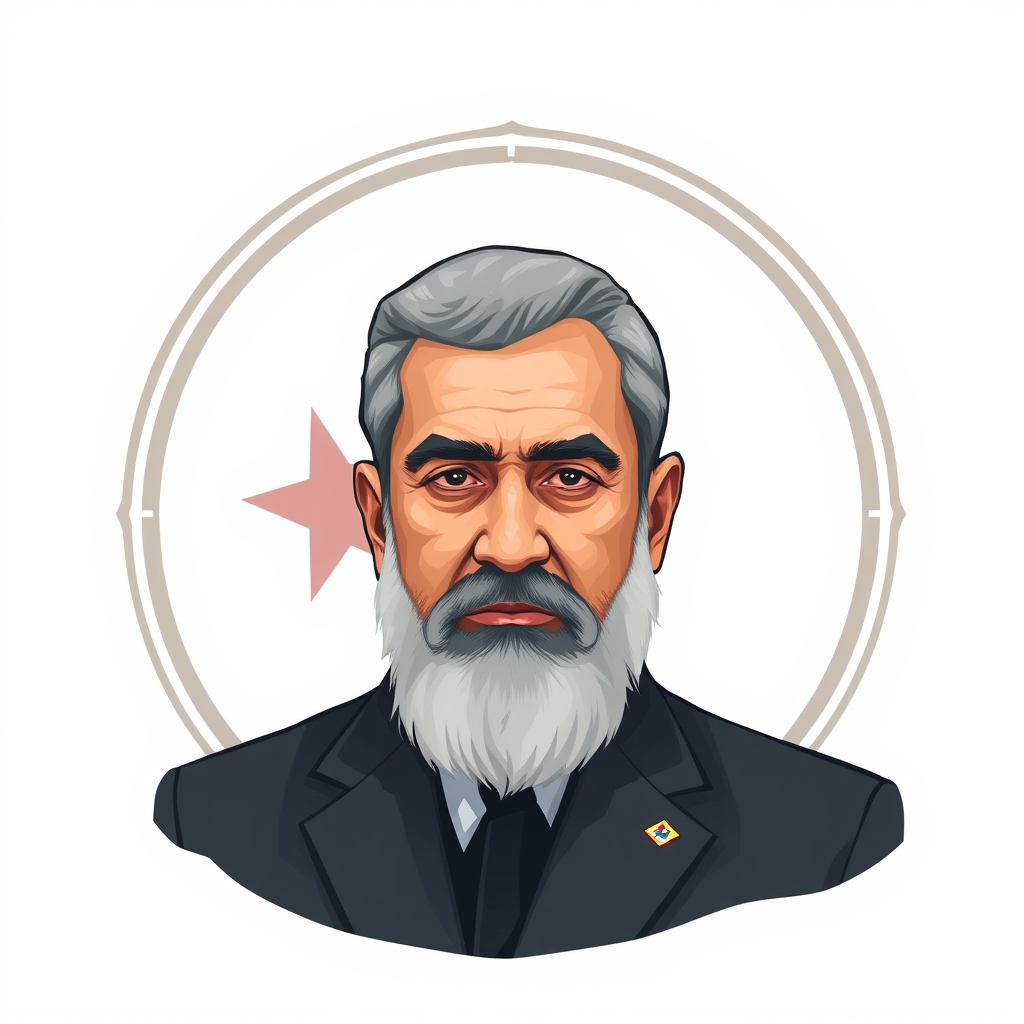
VS
Democratic Reform bloc


Fatah is a major Palestinian political party and the dominant faction within the Palestine Liberation Organization (PLO), historically led by Mahmoud Abbas.
The Democratic Reform Bloc, also known as the Democratic Reform Current, is a breakaway faction of Fatah led by Mohammed Dahlan, a former Fatah Central Committee member who was expelled from the party in 2011 after tensions with Abbas escalated.
The two sides have conflicting interests rooted in Dahlan's expulsion and his ongoing rivalry with Abbas.
Dahlan's faction has sought to position itself as an alternative within Palestinian politics, while Fatah has viewed the breakaway group as a challenge to its authority.
Recent talks in Alamein between the two sides aim to discuss reconciliation ahead of Palestinian elections, amid concerns that an opposition coalition, potentially including Hamas, could challenge Fatah's dominance.
The stakes are significant for Palestinian political unity and the upcoming legislative elections.
Dahlan has been reorganizing his movement and engaging with Hamas, which seeks a broad Palestinian coalition.
These developments highlight the fragmentation within Fatah and the broader competition for influence in Palestinian politics.
*AI-generated summary of publicly available data. This is not an official statement of any party.
*AI-generated summary of publicly available statements and reporting. This is not an official statement of this party.
Supporters of Fatah argue that the Alamein talks uphold the movement’s historic role as the guardian of Palestinian national unity, preserving institutional continuity against factional fragmentation.
Supporters of Fatah argue that its leadership embodies the enduring legacy of Palestinian national unity, a cultural inheritance that factional challengers like Dahlan’s bloc cannot claim.
Supporters of Fatah counter that the Alamein talks reflect continuity, not cultural rupture, rooted in the enduring framework of the PLO as the sole legitimate representative.
Supporters of Fatah argue that reconciliation talks in Alamein affirm the legal legitimacy of Fatah as the sole representative body for Palestinian elections, dismissing Dahlan's bloc as a faction without electoral mandate.
Supporters of Fatah argue that reconciliation talks with Dahlan's bloc are legally consistent with Palestinian electoral law, which prioritizes unified national lists over factional fragmentation.
Supporters of Fatah counter that the Alamein talks already preserve legal neutrality by affirming existing constitutional frameworks, and they challenge the claim that new oversight is needed, arguing that codifying extra safeguards would unfairly stigmatize Fatah’s legitimate in.
Supporters of Fatah argue the Alamein talks are a calculated move to absorb Dahlan's bloc, neutralizing a rival coalition before elections while preserving Fatah's grip on power.
Supporters of Fatah see the Alamein talks as a pragmatic gambit to absorb Dahlan’s reform bloc, splitting the opposition and preserving Fatah’s electoral dominance through controlled concessions.
Supporters of Fatah counter that Dahlan’s faction lacks genuine grassroots leverage, and any talk of “unified opposition” is a mirage; the bloc’s bet on Fatah’s fear misreads the party’s calculus, as negotiations serve only to absorb and neutralize rivals without yielding substan.
Supporters of Fatah argue that reconciliation with Dahlan’s bloc is a moral duty to preserve Palestinian unity, yet they insist Dahlan must accept accountability for past actions to avoid rewarding division.
Supporters of Fatah argue that reconciliation talks with Dahlan's bloc are a moral duty to preserve Palestinian unity, prioritizing electoral integrity over factional rivalry.
Supporters of Fatah counter that reconciliation requires unity, not unchecked electoral competition, and that a moral duty to Palestinians means prioritizing stability over factional power struggles.
Supporters of Fatah argue that unity talks with the Democratic Reform bloc honor the Islamic duty of reconciliation, as scripture commands believers to mend divisions among themselves.
Supporters of Fatah argue that unity talks with Dahlan's bloc honor the Qur'anic call for reconciliation among believers, viewing intra-Palestinian harmony as a sacred duty before elections.
Supporters of Fatah counter that the Democratic Reform bloc’s appeal to tradition masks a selective piety, for true unity in faith demands justice and inclusive governance, not the preservation of entrenched power structures.
*AI-generated summary of publicly available statements and reporting. This is not an official statement of this party.
Supporters of the Democratic Reform bloc argue that the Alamein talks reflect a cultural shift toward inclusive governance, drawing on Palestinian history of internal splits that have weakened national unity.
Supporters of Democratic Reform bloc argue that the Alamein talks mark a historic break from Fatah’s entrenched patronage culture, which has long suppressed internal dissent and youth voices.
Supporters of the Democratic Reform bloc counter that Fatah’s guardianship narrative masks a culture of unchecked internal hierarchy, where Alamein’s continuity entrenches old patronage networks rather than fostering genuine renewal.
Supporters of the Democratic Reform bloc argue that fair elections require legal safeguards against Fatah's institutional dominance, pointing to the Alamein talks as a chance to codify neutral electoral oversight.
Supporters of the Democratic Reform bloc argue that legal legitimacy for Palestinian elections requires dismantling Fatah’s monopolistic control over electoral institutions.
Supporters of the Democratic Reform bloc counter that legal legitimacy stems from inclusive electoral law, not unilateral claims, and that Fatah’s exclusive mandate lacks a democratic basis under Palestinian basic law.
Supporters of the Democratic Reform bloc argue these talks are a calculated gambit by Fatah to co-opt Dahlan’s momentum, yet they see leverage in the negotiations, betting that Fatah’s fear of a unified opposition forces real concessions on election integrity.
Supporters of the Democratic Reform bloc argue that the Alamein talks are a pragmatic power play, with Dahlan leveraging election timing to force Fatah into concessions it would never otherwise offer.
Supporters of the Democratic Reform bloc counter that the Alamein talks are a pragmatic absorption of Fatah’s own weakness, not a neutralization—Dahlan’s bloc gains institutional leverage and patronage networks, while Fatah’s grip is already slipping, making the deal a mutual sur.
Supporters of Democratic Reform bloc argue that reconciliation talks in Alamein reflect a moral duty to let Palestinians choose their leaders freely, challenging Fatah's dominance as a rightful check on entrenched power.
Supporters of the Democratic Reform bloc argue that voluntary reconciliation honors the moral duty of self-determination, as elections free from coercive dominance respect each Palestinian’s individual autonomy.
Supporters of the Democratic Reform bloc counter that moral duty runs both ways, and that Fatah’s demand for accountability selectively ignores its own record of political suppression.
Supporters of the Democratic Reform bloc argue that Palestinian unity must respect the enduring religious and cultural traditions that anchor the community, viewing reconciliation talks as a means to preserve social order.
Supporters of the Democratic Reform bloc argue that Palestinian unity, rooted in shared faith, requires reconciliation to uphold communal stability and honor inherited sacred duties.
Supporters of the Democratic Reform bloc counter that reconciliation without justice is hollow, as scripture also demands accountability for those who betray the trust of their people.
AI-generated summary of publicly available statements and reporting. This is not an official statement of this party.
Supporters of Fatah argue that the Alamein talks uphold the movement’s historic role as the guardian of Palestinian national unity, preserving institutional continuity against factional fragmentation.
Supporters of Fatah argue that its leadership embodies the enduring legacy of Palestinian national unity, a cultural inheritance that factional challengers like Dahlan’s bloc cannot claim.
Supporters of Fatah counter that the Alamein talks reflect continuity, not cultural rupture, rooted in the enduring framework of the PLO as the sole legitimate representative.
Supporters of Fatah argue that reconciliation talks in Alamein affirm the legal legitimacy of Fatah as the sole representative body for Palestinian elections, dismissing Dahlan's bloc as a faction without electoral mandate.
Supporters of Fatah argue that reconciliation talks with Dahlan's bloc are legally consistent with Palestinian electoral law, which prioritizes unified national lists over factional fragmentation.
Supporters of Fatah counter that the Alamein talks already preserve legal neutrality by affirming existing constitutional frameworks, and they challenge the claim that new oversight is needed, arguing that codifying extra safeguards would unfairly stigmatize Fatah’s legitimate in.
Supporters of Fatah argue the Alamein talks are a calculated move to absorb Dahlan's bloc, neutralizing a rival coalition before elections while preserving Fatah's grip on power.
Supporters of Fatah see the Alamein talks as a pragmatic gambit to absorb Dahlan’s reform bloc, splitting the opposition and preserving Fatah’s electoral dominance through controlled concessions.
Supporters of Fatah counter that Dahlan’s faction lacks genuine grassroots leverage, and any talk of “unified opposition” is a mirage; the bloc’s bet on Fatah’s fear misreads the party’s calculus, as negotiations serve only to absorb and neutralize rivals without yielding substan.
Supporters of Fatah argue that reconciliation with Dahlan’s bloc is a moral duty to preserve Palestinian unity, yet they insist Dahlan must accept accountability for past actions to avoid rewarding division.
Supporters of Fatah argue that reconciliation talks with Dahlan's bloc are a moral duty to preserve Palestinian unity, prioritizing electoral integrity over factional rivalry.
Supporters of Fatah counter that reconciliation requires unity, not unchecked electoral competition, and that a moral duty to Palestinians means prioritizing stability over factional power struggles.
Supporters of Fatah argue that unity talks with the Democratic Reform bloc honor the Islamic duty of reconciliation, as scripture commands believers to mend divisions among themselves.
Supporters of Fatah argue that unity talks with Dahlan's bloc honor the Qur'anic call for reconciliation among believers, viewing intra-Palestinian harmony as a sacred duty before elections.
Supporters of Fatah counter that the Democratic Reform bloc’s appeal to tradition masks a selective piety, for true unity in faith demands justice and inclusive governance, not the preservation of entrenched power structures.
Supporters of the Democratic Reform bloc argue that the Alamein talks reflect a cultural shift toward inclusive governance, drawing on Palestinian history of internal splits that have weakened national unity.
Supporters of Democratic Reform bloc argue that the Alamein talks mark a historic break from Fatah’s entrenched patronage culture, which has long suppressed internal dissent and youth voices.
Supporters of the Democratic Reform bloc counter that Fatah’s guardianship narrative masks a culture of unchecked internal hierarchy, where Alamein’s continuity entrenches old patronage networks rather than fostering genuine renewal.
Supporters of the Democratic Reform bloc argue that fair elections require legal safeguards against Fatah's institutional dominance, pointing to the Alamein talks as a chance to codify neutral electoral oversight.
Supporters of the Democratic Reform bloc argue that legal legitimacy for Palestinian elections requires dismantling Fatah’s monopolistic control over electoral institutions.
Supporters of the Democratic Reform bloc counter that legal legitimacy stems from inclusive electoral law, not unilateral claims, and that Fatah’s exclusive mandate lacks a democratic basis under Palestinian basic law.
Supporters of the Democratic Reform bloc argue these talks are a calculated gambit by Fatah to co-opt Dahlan’s momentum, yet they see leverage in the negotiations, betting that Fatah’s fear of a unified opposition forces real concessions on election integrity.
Supporters of the Democratic Reform bloc argue that the Alamein talks are a pragmatic power play, with Dahlan leveraging election timing to force Fatah into concessions it would never otherwise offer.
Supporters of the Democratic Reform bloc counter that the Alamein talks are a pragmatic absorption of Fatah’s own weakness, not a neutralization—Dahlan’s bloc gains institutional leverage and patronage networks, while Fatah’s grip is already slipping, making the deal a mutual sur.
Supporters of Democratic Reform bloc argue that reconciliation talks in Alamein reflect a moral duty to let Palestinians choose their leaders freely, challenging Fatah's dominance as a rightful check on entrenched power.
Supporters of the Democratic Reform bloc argue that voluntary reconciliation honors the moral duty of self-determination, as elections free from coercive dominance respect each Palestinian’s individual autonomy.
Supporters of the Democratic Reform bloc counter that moral duty runs both ways, and that Fatah’s demand for accountability selectively ignores its own record of political suppression.
Supporters of the Democratic Reform bloc argue that Palestinian unity must respect the enduring religious and cultural traditions that anchor the community, viewing reconciliation talks as a means to preserve social order.
Supporters of the Democratic Reform bloc argue that Palestinian unity, rooted in shared faith, requires reconciliation to uphold communal stability and honor inherited sacred duties.
Supporters of the Democratic Reform bloc counter that reconciliation without justice is hollow, as scripture also demands accountability for those who betray the trust of their people.
Fatah and Dahlan's Democratic Reform hold talks in Alamein ahead of Palestinian elections.
The Fatah - Democratic Reform Bloc, led by Mohammed Dahlan, began reorganizing its ranks in preparation for legislative elections.
Dahlan met with Hamas, and the Democratic Reform Bloc confirmed the meeting, as Hamas seeks a broad Palestinian coalition ahead of elections.
Mohammed Dahlan was expelled from Fatah in 2011 following increased tensions with Mahmoud Abbas.
Mohammed Dahlan was elected to Fatah's Central Committee in 2009, marking his rise within the party's leadership.