North Korea
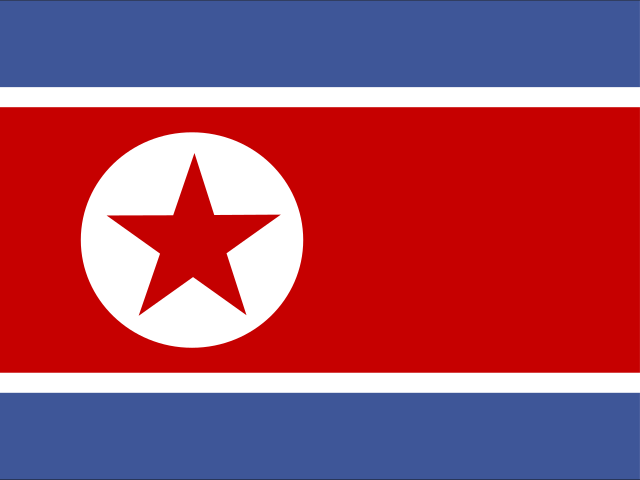
VS
FBI

The FBI has attributed a $6 billion cryptocurrency theft from Binance to 'TraderTraitor,' a North Korean-linked cyber entity also blamed for a $1.5 billion Bybit hack.
The attribution raises questions about state-sponsored cybercrime and accountability.
*AI-generated summary of publicly available data. This is not an official statement of any party.
*AI-generated summary of publicly available statements and reporting. This is not an official statement of this party.
Supporters of North Korea argue that Washington's attribution of the Binance and Bybit thefts to TraderTraitor reflects a long cultural pattern of casting adversarial states as criminal outsiders to justify sanctions and isolation.
Supporters of North Korea frame the FBI attribution as a familiar cultural script: an isolated state cast as the default culprit, echoing past eras when outside powers blamed internal failures on foreign adversaries.
Supporters of North Korea counter that "established order" reflects Western financial norms imposed without consent, and that Pyongyang, long excluded from that system, sees sanctions and exclusion as the real breach of shared rules.
Supporters of North Korea argue the FBI's attribution to TraderTraitor rests on unilateral U.S. claims absent independent judicial proof, and that sovereignty bars Washington from enforcing its findings as verdict.
Supporters of North Korea argue that the FBI's attribution is an unproven legal claim, and that sovereign states should not be publicly blamed for cyber thefts without evidence tested before a neutral tribunal.
Supporters of North Korea counter that attribution alone creates no legal basis for accountability, since no court has tested the claim and unilateral FBI designation cannot substitute for adjudicated proof of state responsibility.
Supporters of North Korea argue the FBI's attribution is a pressure tactic, not proof, and that sanctions leave the state few options beyond cyber theft to fund itself.
Supporters of North Korea argue the FBI's attribution is a convenient narrative: with no public proof, blaming TraderTraitor lets Washington sanction Pyongyang and deflect from its own crypto-market failures.
Supporters of North Korea counter that public attribution is itself the leverage Pyongyang exploits: naming TraderTraitor advertises a proven revenue channel, and sanctions pressure on stolen crypto only pushes the regime toward harder-to-trace laundering and deeper reliance on t.
Supporters of North Korea argue that FBI attribution is an unproven accusation serving US geopolitical interests, and that labeling the state responsible without independent, verifiable forensic evidence violates due-process norms.
Supporters of North Korea argue that the FBI's attribution rests on undisclosed technical evidence, and that holding a state morally accountable for a $6 billion theft demands public proof, not unilateral accusation.
Supporters of North Korea counter that attribution alone proves no moral accountability; they argue the FBI's evidence remains contested and that sanctioning a state on unverified blockchain tracing violates due-process norms.
Supporters of North Korea reject the FBI's attribution as a morally loaded charge, arguing that sanctions and outside pressure—not inherent criminality—drive such acts, and that accusations without impartial proof violate a nation's sovereign dignity.
Supporters of North Korea reject the FBI's attribution as a morally illegitimate accusation, arguing that a sovereign state's actions answer only to its own constituted authority and inherited order, not to a foreign bureau's unilateral judgment.
Supporters of North Korea counter that sovereignty is itself divinely ordained, so a state answering to no higher earthly authority cannot be judged by another nation's moral code—they argue the commandment against stealing binds persons, not sovereign states.
*AI-generated summary of publicly available statements and reporting. This is not an official statement of this party.
Supporters of the FBI argue that attributing these thefts to North Korea's TraderTraitor upholds the established order, defending trusted financial institutions and shared norms against state-sponsored cybercrime.
Supporters of the FBI argue that naming North Korea's TraderTraitor publicly upholds the norms and accountability that underpin international order, treating documented attribution as a duty owed to the global financial community.
Supporters of the FBI counter that attributing the thefts rests on technical evidence, not cultural stereotyping, and that dismissing attribution as a reflex to cast adversaries as criminals risks normalizing state-sponsored theft.
Supporters of the FBI argue that attributing the Binance and Bybit thefts to TraderTraitor establishes a legal basis for accountability, treating state-linked cyber theft as an enforceable violation rather than an unpunishable act.
Supporters of the FBI's attribution argue that publicly naming TraderTraitor establishes a legal record tying North Korea to the thefts, enabling sanctions and accountability under international norms.
Supporters of the FBI counter that attribution is an investigative finding, not a verdict, and that U.S. courts have entered indictments and seizure actions against TraderTraitor actors, giving the conclusions legal footing that sovereignty objections do not displace.
Supporters of FBI argue the attribution itself is leverage: naming TraderTraitor publicly pressures allies to sanction Pyongyang’s stolen crypto, framing attribution as coercive statecraft, not just technical blame.
Supporters of the FBI argue the attribution itself is leverage: naming TraderTraitor publicly pressures North Korea, justifies sanctions, and forces exchanges to harden defenses, since accountability follows exposure.
Supporters of the FBI counter that attribution is leverage, not charity—publicly naming North Korea raises the cost of future hacks and justifies sanctions, and they note the bureau indicted Park Jin Hyok in 2018, tying a named actor to the Sony and WannaCry attacks.
Supporters of the FBI's attribution argue that tracing stolen crypto to North Korea-linked TraderTraitor affirms a moral duty to hold state sponsors of cybercrime accountable under international norms.
Supporters of the FBI's position argue that attributing these thefts to North Korea-linked actors carries a moral duty: states enabling cybertheft of billions should be held accountable under shared international norms, not shielded by anonymity.
Supporters of the FBI counter that states owe a moral duty to expose and deter attacks on civilian infrastructure, and that naming a perpetrator—while inviting independent scrutiny—serves accountability rather than undermining due process.
Supporters of the FBI's attribution frame the alleged thefts as a moral matter of stewardship, arguing that a state directing cyber theft violates the commandment against stealing and the duty of honest dealing owed to nations.
Supporters of the FBI frame the attribution as a moral reckoning: they argue that theft, even by state-linked actors, violates the commandment against stealing, and that naming TraderTraitor serves justice and accountability.
Supporters of the FBI counter that attributing conduct to external pressure denies moral agency, and that the theological traditions underpinning just judgment hold actors accountable for their deeds, not merely their circumstances.
AI-generated summary of publicly available statements and reporting. This is not an official statement of this party.
Supporters of North Korea argue that Washington's attribution of the Binance and Bybit thefts to TraderTraitor reflects a long cultural pattern of casting adversarial states as criminal outsiders to justify sanctions and isolation.
Supporters of North Korea frame the FBI attribution as a familiar cultural script: an isolated state cast as the default culprit, echoing past eras when outside powers blamed internal failures on foreign adversaries.
Supporters of North Korea counter that "established order" reflects Western financial norms imposed without consent, and that Pyongyang, long excluded from that system, sees sanctions and exclusion as the real breach of shared rules.
Supporters of North Korea argue the FBI's attribution to TraderTraitor rests on unilateral U.S. claims absent independent judicial proof, and that sovereignty bars Washington from enforcing its findings as verdict.
Supporters of North Korea argue that the FBI's attribution is an unproven legal claim, and that sovereign states should not be publicly blamed for cyber thefts without evidence tested before a neutral tribunal.
Supporters of North Korea counter that attribution alone creates no legal basis for accountability, since no court has tested the claim and unilateral FBI designation cannot substitute for adjudicated proof of state responsibility.
Supporters of North Korea argue the FBI's attribution is a pressure tactic, not proof, and that sanctions leave the state few options beyond cyber theft to fund itself.
Supporters of North Korea argue the FBI's attribution is a convenient narrative: with no public proof, blaming TraderTraitor lets Washington sanction Pyongyang and deflect from its own crypto-market failures.
Supporters of North Korea counter that public attribution is itself the leverage Pyongyang exploits: naming TraderTraitor advertises a proven revenue channel, and sanctions pressure on stolen crypto only pushes the regime toward harder-to-trace laundering and deeper reliance on t.
Supporters of North Korea argue that FBI attribution is an unproven accusation serving US geopolitical interests, and that labeling the state responsible without independent, verifiable forensic evidence violates due-process norms.
Supporters of North Korea argue that the FBI's attribution rests on undisclosed technical evidence, and that holding a state morally accountable for a $6 billion theft demands public proof, not unilateral accusation.
Supporters of North Korea counter that attribution alone proves no moral accountability; they argue the FBI's evidence remains contested and that sanctioning a state on unverified blockchain tracing violates due-process norms.
Supporters of North Korea reject the FBI's attribution as a morally loaded charge, arguing that sanctions and outside pressure—not inherent criminality—drive such acts, and that accusations without impartial proof violate a nation's sovereign dignity.
Supporters of North Korea reject the FBI's attribution as a morally illegitimate accusation, arguing that a sovereign state's actions answer only to its own constituted authority and inherited order, not to a foreign bureau's unilateral judgment.
Supporters of North Korea counter that sovereignty is itself divinely ordained, so a state answering to no higher earthly authority cannot be judged by another nation's moral code—they argue the commandment against stealing binds persons, not sovereign states.
Supporters of the FBI argue that attributing these thefts to North Korea's TraderTraitor upholds the established order, defending trusted financial institutions and shared norms against state-sponsored cybercrime.
Supporters of the FBI argue that naming North Korea's TraderTraitor publicly upholds the norms and accountability that underpin international order, treating documented attribution as a duty owed to the global financial community.
Supporters of the FBI counter that attributing the thefts rests on technical evidence, not cultural stereotyping, and that dismissing attribution as a reflex to cast adversaries as criminals risks normalizing state-sponsored theft.
Supporters of the FBI argue that attributing the Binance and Bybit thefts to TraderTraitor establishes a legal basis for accountability, treating state-linked cyber theft as an enforceable violation rather than an unpunishable act.
Supporters of the FBI's attribution argue that publicly naming TraderTraitor establishes a legal record tying North Korea to the thefts, enabling sanctions and accountability under international norms.
Supporters of the FBI counter that attribution is an investigative finding, not a verdict, and that U.S. courts have entered indictments and seizure actions against TraderTraitor actors, giving the conclusions legal footing that sovereignty objections do not displace.
Supporters of FBI argue the attribution itself is leverage: naming TraderTraitor publicly pressures allies to sanction Pyongyang’s stolen crypto, framing attribution as coercive statecraft, not just technical blame.
Supporters of the FBI argue the attribution itself is leverage: naming TraderTraitor publicly pressures North Korea, justifies sanctions, and forces exchanges to harden defenses, since accountability follows exposure.
Supporters of the FBI counter that attribution is leverage, not charity—publicly naming North Korea raises the cost of future hacks and justifies sanctions, and they note the bureau indicted Park Jin Hyok in 2018, tying a named actor to the Sony and WannaCry attacks.
Supporters of the FBI's attribution argue that tracing stolen crypto to North Korea-linked TraderTraitor affirms a moral duty to hold state sponsors of cybercrime accountable under international norms.
Supporters of the FBI's position argue that attributing these thefts to North Korea-linked actors carries a moral duty: states enabling cybertheft of billions should be held accountable under shared international norms, not shielded by anonymity.
Supporters of the FBI counter that states owe a moral duty to expose and deter attacks on civilian infrastructure, and that naming a perpetrator—while inviting independent scrutiny—serves accountability rather than undermining due process.
Supporters of the FBI's attribution frame the alleged thefts as a moral matter of stewardship, arguing that a state directing cyber theft violates the commandment against stealing and the duty of honest dealing owed to nations.
Supporters of the FBI frame the attribution as a moral reckoning: they argue that theft, even by state-linked actors, violates the commandment against stealing, and that naming TraderTraitor serves justice and accountability.
Supporters of the FBI counter that attributing conduct to external pressure denies moral agency, and that the theological traditions underpinning just judgment hold actors accountable for their deeds, not merely their circumstances.
A $6 billion cryptocurrency theft from Binance, attributed by the FBI to North Korea-linked TraderTraitor.
A $1.5 billion cryptocurrency hack attributed to the same TraderTraitor actors.
Record $6.3 billion cryptocurrency heist from Binance, blamed on North Korea by the FBI.