Trump family
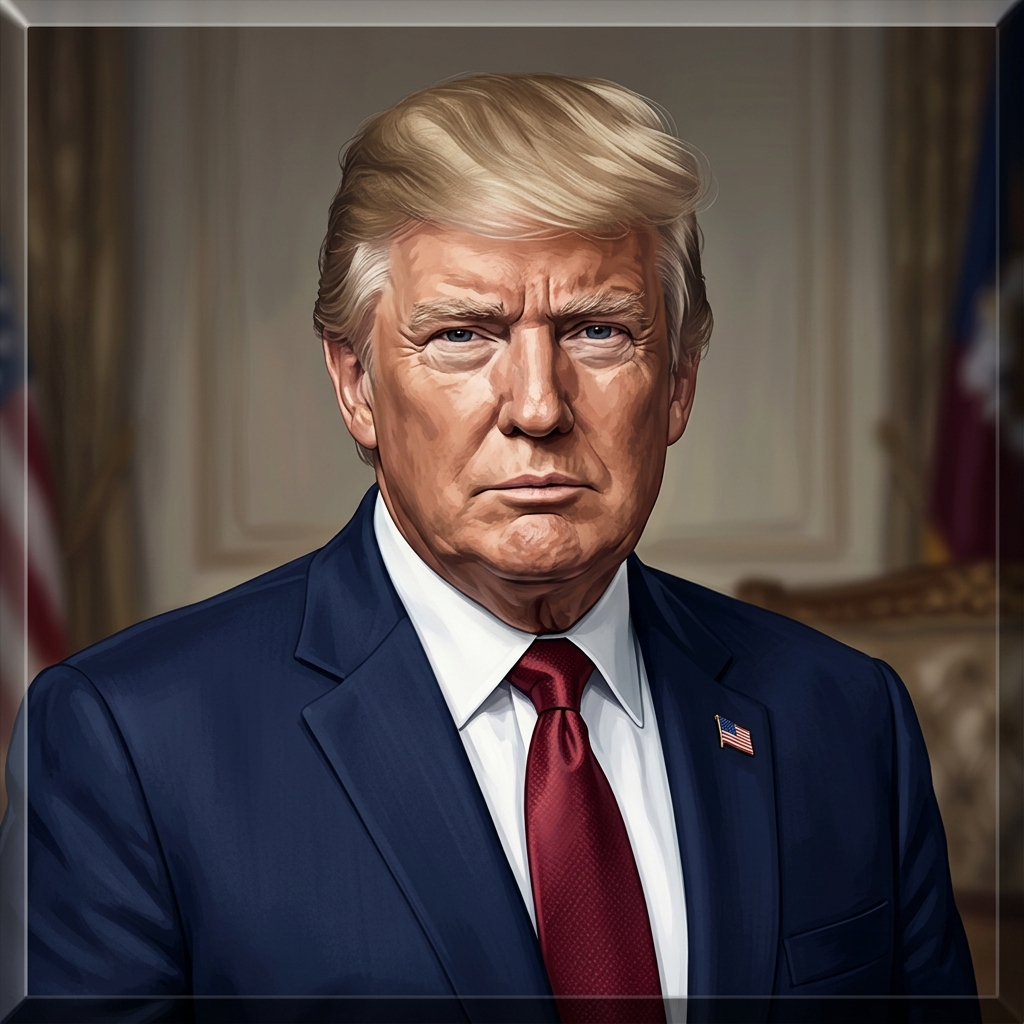

VS
FBI
Declassified documents reportedly show that the FBI tracked the movements of Melania and Barron Trump and monitored calls involving lawyers, advisers, and journalists.
The disclosure raises questions about the scope and justification of surveillance targeting the former president's family and associates.
*AI-generated summary of publicly available data. This is not an official statement of any party.
*AI-generated summary of publicly available statements and reporting. This is not an official statement of this party.
Supporters of the Trump family argue the surveillance of Melania and Barron reflects a troubling cultural shift: institutions once trusted to uphold restraint and family privacy now treat political opponents' households as legitimate targets.
Supporters of the Trump family argue that surveilling a former first lady and her minor son crosses a cultural line, treating private family life as fair game and eroding the unwritten restraints that once shielded children from political combat.
Supporters of Trump family counter that treating relatives of public figures as routine surveillance targets erodes the cultural boundary between public office and private kinship, a restraint long upheld in American civic life.
Supporters of Trump family argue the declassified docs show surveillance of Melania and Barron exceeded any lawful warrant's scope, violating the Fourth Amendment and attorney-client privilege.
Supporters of Trump family argue the declassified record shows surveillance exceeded lawful investigative bounds, citing tracking of Melania and Barron and monitored lawyer calls as evidence of overreach.
Supporters of the Trump family counter that incidental surveillance still requires particularized warrants, and that monitoring family members without individualized probable cause exceeds legal authority.
Supporters of Trump family argue the declassified tracking of Melania and Barron shows the FBI's surveillance was never about security but leverage—power wielded against a rival clan, not law.
Supporters of Trump family argue the declassified docs prove the FBI targeted Melania and Barron to pressure Trump; in their view, surveillance is leverage, and exposing it shifts power back to him.
Supporters of Trump family counter that the FBI's surveillance was self-protection dressed as containment—institutions shield themselves first, and the family reads the bureau's "necessity" as a bid to neutralize a rival power center.
Supporters of Trump family argue that surveillance targeting Melania and Barron, including tracking a child's movements, violates basic fairness; they maintain that monitoring lawyers and journalists crosses a moral line no family should face.
Supporters of Trump family argue that surveillance targeting Melania and Barron, including tracking a minor's movements, violates basic fairness and moral limits on state power over private citizens.
Supporters of Trump family counter that moral legitimacy, not a warrant, is the true test: surveilling political opponents' families chills dissent and weaponizes law enforcement, a wrong precedent regardless of paperwork.
Supporters of the Trump family argue that surveilling Melania and Barron echoes the scriptural warning against harming the innocent, and that a republic which turns its agencies on a leader's household violates the moral order conservatives hold sacred.
Supporters of the Trump family argue that surveilling a former president's wife and young son violates the sanctity of the family, a God-ordained institution that even government power must respect and never intrude upon without grave cause.
Supporters of the Trump family counter that scripture also warns rulers against spying on their own household, citing Proverbs on a house divided, and argue that ordained authority never licenses surveillance of family as a political weapon.
*AI-generated summary of publicly available statements and reporting. This is not an official statement of this party.
Supporters of the FBI argue that surveillance of public figures, including family members, serves legitimate national-security and investigative purposes rather than personal targeting.
Supporters of the FBI argue that monitoring Melania and Barron Trump's movements served legitimate national-security and protective purposes, not political targeting. They maintain that surveillance of public figures' security details reflects standard procedure.
Supporters of the FBI counter that documented abuses within the Bureau's surveillance practices reflect institutional overreach, not a cultural attack on political families, and that oversight—not deference—protects citizens' privacy.
Supporters of the FBI argue that court-authorized surveillance of individuals near a criminal investigation is lawful, and that tracking family movements may be incidental to valid warrants rather than targeted wrongdoing.
Supporters of the FBI argue that any surveillance of the Trump family was legally authorized and properly documented, maintaining that court-approved investigative tools were used to pursue legitimate national security concerns rather than political targets.
Supporters of the FBI counter that the declassification process itself remains contested, and that courts—not public disclosure—are the proper forum to determine whether any surveillance exceeded a warrant's scope or breached privilege.
Supporters of the FBI argue that surveilling a former president's family and associates was a necessary exercise of institutional power to contain a perceived threat, prioritizing the bureau's self-protection over political fallout.
Supporters of the FBI argue that surveillance of public figures is a necessary tool of institutional self-defense, and that tracking a former president's inner circle was justified by the perceived threat to the bureau's own authority.
Supporters of the FBI counter that surveillance of a rival's family is routine leverage in any power struggle; they argue the Trumps would wield the same tool if the roles were reversed.
Supporters of the FBI argue that court-authorized surveillance of Trump family members and associates was legally justified and necessary to protect national security, not a partisan attack.
Supporters of the FBI argue that surveillance of public figures, including family members, is justified when necessary to protect national security and uphold the rule of law, and that oversight exists to prevent abuse.
Supporters of the FBI counter that court-authorized surveillance of a minor or family members is morally defensible when evidence suggests a crime, since no household, however powerful, stands above the law.
Supporters of the FBI argue that surveillance, even of a president's family, can be a lawful act of stewardship, since scripture teaches that governing authorities are ordained to restrain wrongdoing and protect the innocent.
Supporters of the FBI argue that monitoring calls involving lawyers, advisers, and journalists, if lawful and court-authorized, upholds justice and the common good, values they see as consistent with moral duty.
Supporters of the FBI counter that scripture commands obedience to lawful authority and that no household, however exalted, stands above the sword of justice God ordained.
AI-generated summary of publicly available statements and reporting. This is not an official statement of this party.
Supporters of the Trump family argue the surveillance of Melania and Barron reflects a troubling cultural shift: institutions once trusted to uphold restraint and family privacy now treat political opponents' households as legitimate targets.
Supporters of the Trump family argue that surveilling a former first lady and her minor son crosses a cultural line, treating private family life as fair game and eroding the unwritten restraints that once shielded children from political combat.
Supporters of Trump family counter that treating relatives of public figures as routine surveillance targets erodes the cultural boundary between public office and private kinship, a restraint long upheld in American civic life.
Supporters of Trump family argue the declassified docs show surveillance of Melania and Barron exceeded any lawful warrant's scope, violating the Fourth Amendment and attorney-client privilege.
Supporters of Trump family argue the declassified record shows surveillance exceeded lawful investigative bounds, citing tracking of Melania and Barron and monitored lawyer calls as evidence of overreach.
Supporters of the Trump family counter that incidental surveillance still requires particularized warrants, and that monitoring family members without individualized probable cause exceeds legal authority.
Supporters of Trump family argue the declassified tracking of Melania and Barron shows the FBI's surveillance was never about security but leverage—power wielded against a rival clan, not law.
Supporters of Trump family argue the declassified docs prove the FBI targeted Melania and Barron to pressure Trump; in their view, surveillance is leverage, and exposing it shifts power back to him.
Supporters of Trump family counter that the FBI's surveillance was self-protection dressed as containment—institutions shield themselves first, and the family reads the bureau's "necessity" as a bid to neutralize a rival power center.
Supporters of Trump family argue that surveillance targeting Melania and Barron, including tracking a child's movements, violates basic fairness; they maintain that monitoring lawyers and journalists crosses a moral line no family should face.
Supporters of Trump family argue that surveillance targeting Melania and Barron, including tracking a minor's movements, violates basic fairness and moral limits on state power over private citizens.
Supporters of Trump family counter that moral legitimacy, not a warrant, is the true test: surveilling political opponents' families chills dissent and weaponizes law enforcement, a wrong precedent regardless of paperwork.
Supporters of the Trump family argue that surveilling Melania and Barron echoes the scriptural warning against harming the innocent, and that a republic which turns its agencies on a leader's household violates the moral order conservatives hold sacred.
Supporters of the Trump family argue that surveilling a former president's wife and young son violates the sanctity of the family, a God-ordained institution that even government power must respect and never intrude upon without grave cause.
Supporters of the Trump family counter that scripture also warns rulers against spying on their own household, citing Proverbs on a house divided, and argue that ordained authority never licenses surveillance of family as a political weapon.
Supporters of the FBI argue that surveillance of public figures, including family members, serves legitimate national-security and investigative purposes rather than personal targeting.
Supporters of the FBI argue that monitoring Melania and Barron Trump's movements served legitimate national-security and protective purposes, not political targeting. They maintain that surveillance of public figures' security details reflects standard procedure.
Supporters of the FBI counter that documented abuses within the Bureau's surveillance practices reflect institutional overreach, not a cultural attack on political families, and that oversight—not deference—protects citizens' privacy.
Supporters of the FBI argue that court-authorized surveillance of individuals near a criminal investigation is lawful, and that tracking family movements may be incidental to valid warrants rather than targeted wrongdoing.
Supporters of the FBI argue that any surveillance of the Trump family was legally authorized and properly documented, maintaining that court-approved investigative tools were used to pursue legitimate national security concerns rather than political targets.
Supporters of the FBI counter that the declassification process itself remains contested, and that courts—not public disclosure—are the proper forum to determine whether any surveillance exceeded a warrant's scope or breached privilege.
Supporters of the FBI argue that surveilling a former president's family and associates was a necessary exercise of institutional power to contain a perceived threat, prioritizing the bureau's self-protection over political fallout.
Supporters of the FBI argue that surveillance of public figures is a necessary tool of institutional self-defense, and that tracking a former president's inner circle was justified by the perceived threat to the bureau's own authority.
Supporters of the FBI counter that surveillance of a rival's family is routine leverage in any power struggle; they argue the Trumps would wield the same tool if the roles were reversed.
Supporters of the FBI argue that court-authorized surveillance of Trump family members and associates was legally justified and necessary to protect national security, not a partisan attack.
Supporters of the FBI argue that surveillance of public figures, including family members, is justified when necessary to protect national security and uphold the rule of law, and that oversight exists to prevent abuse.
Supporters of the FBI counter that court-authorized surveillance of a minor or family members is morally defensible when evidence suggests a crime, since no household, however powerful, stands above the law.
Supporters of the FBI argue that surveillance, even of a president's family, can be a lawful act of stewardship, since scripture teaches that governing authorities are ordained to restrain wrongdoing and protect the innocent.
Supporters of the FBI argue that monitoring calls involving lawyers, advisers, and journalists, if lawful and court-authorized, upholds justice and the common good, values they see as consistent with moral duty.
Supporters of the FBI counter that scripture commands obedience to lawful authority and that no household, however exalted, stands above the sword of justice God ordained.
Agents tracked Melania and Barron Trump’s movements while monitoring calls involving lawyers, advisers and journalists Read Full Article at RT.com