FIFA

VS
Football community
?
No actors in this side.
No actors in this side.
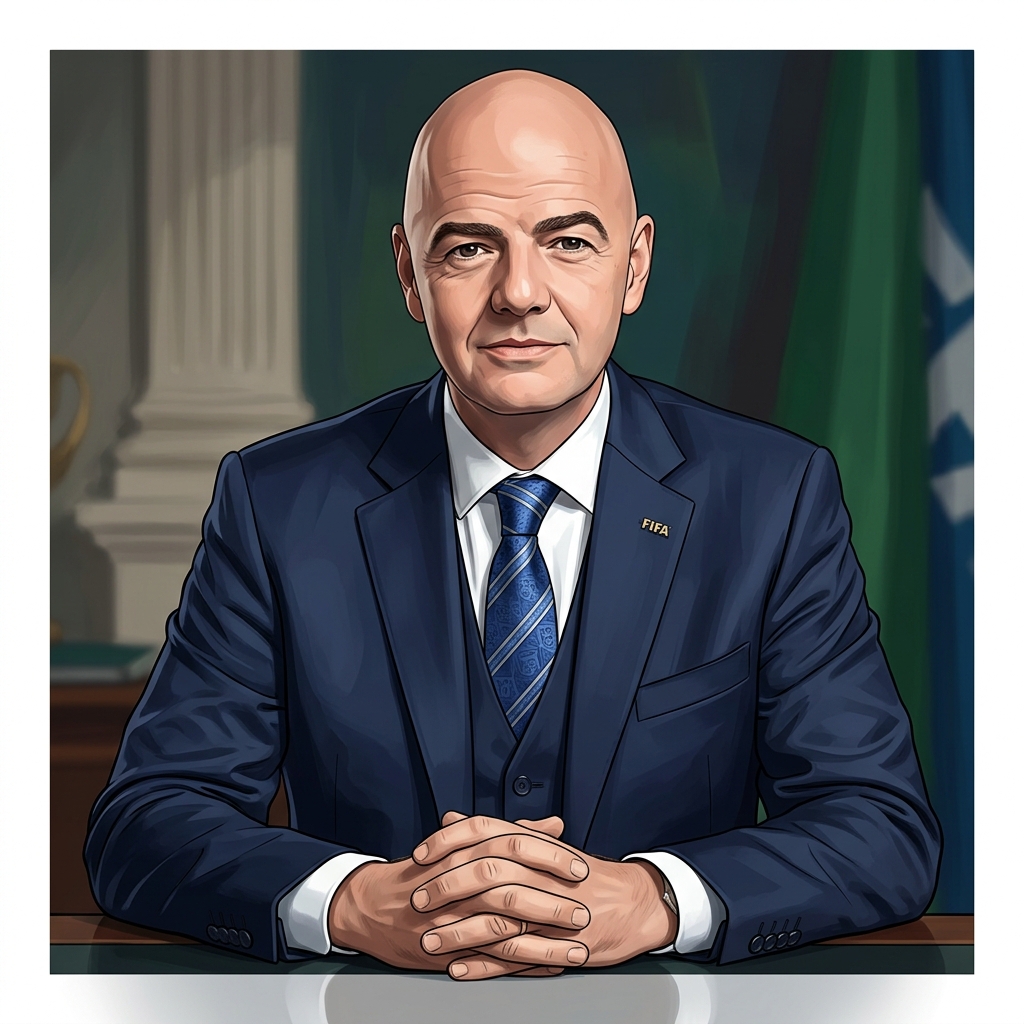
FIFA, led by President Gianni Infantino, has proposed selling a stake in the World Cup to private investors, a move that has sparked significant backlash from the football community.
Critics argue that this plan prioritizes profit over the sport's integrity, drawing comparisons to the controversial Super League.
FIFA defends the initiative as a financial opportunity to grow the game, while community-focused organizations like Common Goal and the FIFA Foundation emphasize using football for social good.
The debate highlights tensions between commercial interests and the traditional values of the sport.
*AI-generated summary of publicly available data. This is not an official statement of any party.
*AI-generated summary of publicly available statements and reporting. This is not an official statement of this party.
Supporters of FIFA argue that private investment preserves football's cultural heritage by securing its future, allowing the World Cup to remain a unifying global tradition rather than fading under financial strain. They see this as stewardship, not sellout.
Supporters of FIFA argue that private investment secures the World Cup's future, preserving its global ritual and cultural continuity for generations, not merely chasing profit.
Supporters of FIFA counter that the World Cup’s cultural inheritance is preserved precisely through its global reach, which private investment expands rather than erodes. They argue that the FIFA Foundation’s community programs rely on such commercial partnerships to sustain.
Supporters of FIFA argue that selling a World Cup stake is legally permissible under its statutory mandate to develop football, viewing investor agreements as enforceable commercial contracts that fund global growth initiatives like the FIFA Foundation and community programs.
Supporters of FIFA argue that equity sales fall squarely within its statutory authority over World Cup commercialization, citing the organization's legal autonomy as a private Swiss association to structure tournament financing as it sees fit.
Supporters of FIFA counter that the governing body’s statutes grant exclusive commercial rights over World Cup assets, and the proposed equity sale falls squarely within those legal powers, subject to internal oversight and member ratification.
Supporters of FIFA argue the backlash is theater; Infantino’s plan was a rational power play to secure capital, and retreating was a tactical concession to preserve control, proving only that critics fear losing their moral leverage.
Supporters of FIFA argue that selling World Cup equity is pure realpolitik: private capital secures revenue rivals can't match, and Infantino's retreat proves he reads the power map better than critics.
Supporters of FIFA counter that the equity plan's retreat was a tactical recalibration, not a loss of leverage; Infantino secured the real prize—forcing rivals to reveal their hand—while positioning FIFA as the arbiter of future negotiations.
Supporters of FIFA argue that selling a World Cup stake is a moral duty to expand football's global reach, funding development where resources are scarce, not a betrayal of the sport's soul.
Supporters of FIFA argue that private investment in the World Cup is a moral duty to expand global access to the sport, enabling the FIFA Foundation’s community programs to tackle social challenges. They maintain that stewardship of football’s future requires financial.
Supporters of FIFA counter that the moral duty to protect football includes securing its future, and private investment funds grassroots growth worldwide, not just elite clubs. They argue that treating the World Cup as a sacred trust ignores the sport’s reliance on sustainable.
Supporters of FIFA argue that stewardship of the World Cup is a sacred trust, whose profits must fund football's global mission, not be sold to private investors who lack reverence for the game's heritage.
Supporters of FIFA argue that private investment honors football's sacred duty to spread the game's unifying spirit, viewing stewardship of the World Cup as a trust to expand its global reach.
Supporters of FIFA counter that the World Cup’s expansion is not profane but providential, a stewardship of the game’s global mission to reach every nation, not a sell-off. They argue that tradition endures through adaptation, and that the tournament’s growth honors its founding.
*AI-generated summary of publicly available statements and reporting. This is not an official statement of this party.
Supporters of the football community argue that selling World Cup stakes to private investors commodifies a cultural inheritance, betraying the sport’s grassroots and social mission upheld by Common Goal and the FIFA Foundation.
Supporters of the football community argue that selling World Cup stakes strips the tournament of its cultural birthright, reducing a shared global heritage to a private asset, a betrayal deeper than the Super League.
Supporters of the Football community counter that private investment erases heritage by commodifying tradition, turning the World Cup into a product rather than a people's ritual. They argue that stewardship means protecting local identity, not selling it to the highest bidder,.
Supporters of the Football community argue that FIFA’s proposed sale of World Cup equity breached the sport’s governing legal duty to protect its assets for public benefit, not private investors.
Supporters of the Football community argue that FIFA's World Cup stake sale breaches its fiduciary duty to the sport's stakeholders, treating a public trust as private property without member consent.
Supporters of the Football community counter that FIFA’s statutory mandate cannot override its fiduciary duty to members, arguing that selling a World Cup stake transfers sovereign control of the game’s core asset, rendering any such investor contract void as ultra vires under.
Supporters of Football community argue Infantino's equity plan was pure power play, not growth, and the backlash forced a retreat—proof that clubs and federations still hold the leverage when they unite against profit-driven grabs.
Supporters of Football community argue Infantino’s profit gambit exposed FIFA’s true power play, forcing retreat only when backlash threatened its control. They maintain the U-turn was tactical, not principled, and that the real lesson is vigilance against future commercial.
Supporters of the Football community counter that Infantino’s retreat was not a concession but a calculated exposure of FIFA’s dependency on grassroots legitimacy, and the moral leverage critics wield is the only real capital that keeps football’s power structure from collapsing.
Supporters of the Football community argue that FIFA’s private-investment plan violates the moral duty to protect the sport as a public trust, not a commodity. They maintain that selling the World Cup’s stake prioritizes profit over fairness, and point to the FIFA Foundation’s.
Supporters of the Football community argue that selling World Cup stakes commodifies a cultural trust, violating the sport's moral duty to serve fans and communities, not private profit.
Supporters of the Football community counter that commodifying the World Cup’s soul for cash erodes the sport’s moral foundation, arguing that genuine development flows from grassroots solidarity, not investor dividends.
Supporters of the football community argue that FIFA's World Cup sell-off profanes a sacred trust, treating the sport as a commodity rather than a shared inheritance meant to unite and serve the common good.
Supporters of the football community argue that selling a stake in the World Cup treats a sacred global fellowship as mere merchandise, violating the sport's role as a unifying moral trust rather than a profit-driven asset.
Supporters of Football community counter that sacred trust is betrayed by FIFA’s own secrecy and greed, citing scripture’s call for stewards to be faithful, not self-serving. They argue divine law demands transparency, not profit hoarding by a few unaccountable trustees.
AI-generated summary of publicly available statements and reporting. This is not an official statement of this party.
Supporters of FIFA argue that private investment preserves football's cultural heritage by securing its future, allowing the World Cup to remain a unifying global tradition rather than fading under financial strain. They see this as stewardship, not sellout.
Supporters of FIFA argue that private investment secures the World Cup's future, preserving its global ritual and cultural continuity for generations, not merely chasing profit.
Supporters of FIFA counter that the World Cup’s cultural inheritance is preserved precisely through its global reach, which private investment expands rather than erodes. They argue that the FIFA Foundation’s community programs rely on such commercial partnerships to sustain.
Supporters of FIFA argue that selling a World Cup stake is legally permissible under its statutory mandate to develop football, viewing investor agreements as enforceable commercial contracts that fund global growth initiatives like the FIFA Foundation and community programs.
Supporters of FIFA argue that equity sales fall squarely within its statutory authority over World Cup commercialization, citing the organization's legal autonomy as a private Swiss association to structure tournament financing as it sees fit.
Supporters of FIFA counter that the governing body’s statutes grant exclusive commercial rights over World Cup assets, and the proposed equity sale falls squarely within those legal powers, subject to internal oversight and member ratification.
Supporters of FIFA argue the backlash is theater; Infantino’s plan was a rational power play to secure capital, and retreating was a tactical concession to preserve control, proving only that critics fear losing their moral leverage.
Supporters of FIFA argue that selling World Cup equity is pure realpolitik: private capital secures revenue rivals can't match, and Infantino's retreat proves he reads the power map better than critics.
Supporters of FIFA counter that the equity plan's retreat was a tactical recalibration, not a loss of leverage; Infantino secured the real prize—forcing rivals to reveal their hand—while positioning FIFA as the arbiter of future negotiations.
Supporters of FIFA argue that selling a World Cup stake is a moral duty to expand football's global reach, funding development where resources are scarce, not a betrayal of the sport's soul.
Supporters of FIFA argue that private investment in the World Cup is a moral duty to expand global access to the sport, enabling the FIFA Foundation’s community programs to tackle social challenges. They maintain that stewardship of football’s future requires financial.
Supporters of FIFA counter that the moral duty to protect football includes securing its future, and private investment funds grassroots growth worldwide, not just elite clubs. They argue that treating the World Cup as a sacred trust ignores the sport’s reliance on sustainable.
Supporters of FIFA argue that stewardship of the World Cup is a sacred trust, whose profits must fund football's global mission, not be sold to private investors who lack reverence for the game's heritage.
Supporters of FIFA argue that private investment honors football's sacred duty to spread the game's unifying spirit, viewing stewardship of the World Cup as a trust to expand its global reach.
Supporters of FIFA counter that the World Cup’s expansion is not profane but providential, a stewardship of the game’s global mission to reach every nation, not a sell-off. They argue that tradition endures through adaptation, and that the tournament’s growth honors its founding.
Supporters of the football community argue that selling World Cup stakes to private investors commodifies a cultural inheritance, betraying the sport’s grassroots and social mission upheld by Common Goal and the FIFA Foundation.
Supporters of the football community argue that selling World Cup stakes strips the tournament of its cultural birthright, reducing a shared global heritage to a private asset, a betrayal deeper than the Super League.
Supporters of the Football community counter that private investment erases heritage by commodifying tradition, turning the World Cup into a product rather than a people's ritual. They argue that stewardship means protecting local identity, not selling it to the highest bidder,.
Supporters of the Football community argue that FIFA’s proposed sale of World Cup equity breached the sport’s governing legal duty to protect its assets for public benefit, not private investors.
Supporters of the Football community argue that FIFA's World Cup stake sale breaches its fiduciary duty to the sport's stakeholders, treating a public trust as private property without member consent.
Supporters of the Football community counter that FIFA’s statutory mandate cannot override its fiduciary duty to members, arguing that selling a World Cup stake transfers sovereign control of the game’s core asset, rendering any such investor contract void as ultra vires under.
Supporters of Football community argue Infantino's equity plan was pure power play, not growth, and the backlash forced a retreat—proof that clubs and federations still hold the leverage when they unite against profit-driven grabs.
Supporters of Football community argue Infantino’s profit gambit exposed FIFA’s true power play, forcing retreat only when backlash threatened its control. They maintain the U-turn was tactical, not principled, and that the real lesson is vigilance against future commercial.
Supporters of the Football community counter that Infantino’s retreat was not a concession but a calculated exposure of FIFA’s dependency on grassroots legitimacy, and the moral leverage critics wield is the only real capital that keeps football’s power structure from collapsing.
Supporters of the Football community argue that FIFA’s private-investment plan violates the moral duty to protect the sport as a public trust, not a commodity. They maintain that selling the World Cup’s stake prioritizes profit over fairness, and point to the FIFA Foundation’s.
Supporters of the Football community argue that selling World Cup stakes commodifies a cultural trust, violating the sport's moral duty to serve fans and communities, not private profit.
Supporters of the Football community counter that commodifying the World Cup’s soul for cash erodes the sport’s moral foundation, arguing that genuine development flows from grassroots solidarity, not investor dividends.
Supporters of the football community argue that FIFA's World Cup sell-off profanes a sacred trust, treating the sport as a commodity rather than a shared inheritance meant to unite and serve the common good.
Supporters of the football community argue that selling a stake in the World Cup treats a sacred global fellowship as mere merchandise, violating the sport's role as a unifying moral trust rather than a profit-driven asset.
Supporters of Football community counter that sacred trust is betrayed by FIFA’s own secrecy and greed, citing scripture’s call for stewards to be faithful, not self-serving. They argue divine law demands transparency, not profit hoarding by a few unaccountable trustees.
Claudius Schafer says there can be 'only one consequence' to Infantino's actions over his World Cup privatisation plan.
Backlash to FIFA's private investment plan for World Cups and events was huge; now football reacts to U-turn's fallout.
How FIFA President Gianni Infantino was forced abandon his World Cup equity plan after seismic backlash across football.
FIFA and its president Infantino faced fierce backlash across football world over plans to sell stake in World Cup.
The world football body is facing growing backlash after its proposal to sell a stake in its top events.
A video analysis argues that FIFA's plan to sell off stakes in the World Cup is worse than the Super League, citing a 1,403-word public statement attempting to rationalize the move.
A new FIFA proposal to sell off a stake in the World Cup has been met with fury in the football world. Under Gianni Infantino’s presidency, FIFA has become increasingly profit-driven, but is this too much?
In a strongly worded open statement, FIFA President Gianni Infantino has hit out at those he says were too "consumed by hate and criticism" to enjoy the tournament. Infantino brushed off a number of corruption concerns.
The fallout from Folarin Balogun's red card reversal continues as reports suggest the chairman of FIFA’s disciplinary committee made the decision unilaterally. Meanwhile, the World Cup could be set to expand once more.
Common Goal and its community are working to turn the 2026 World Cup into lasting opportunities for young people and communities across the US, Mexico, and Canada.
The FIFA Foundation Community Programme partners with local organizations to harness football's power to tackle social challenges and support communities.
FIFA promotes 'Football Unites the World,' a global movement to inspire, unite, and develop through football, shaping communities and society.