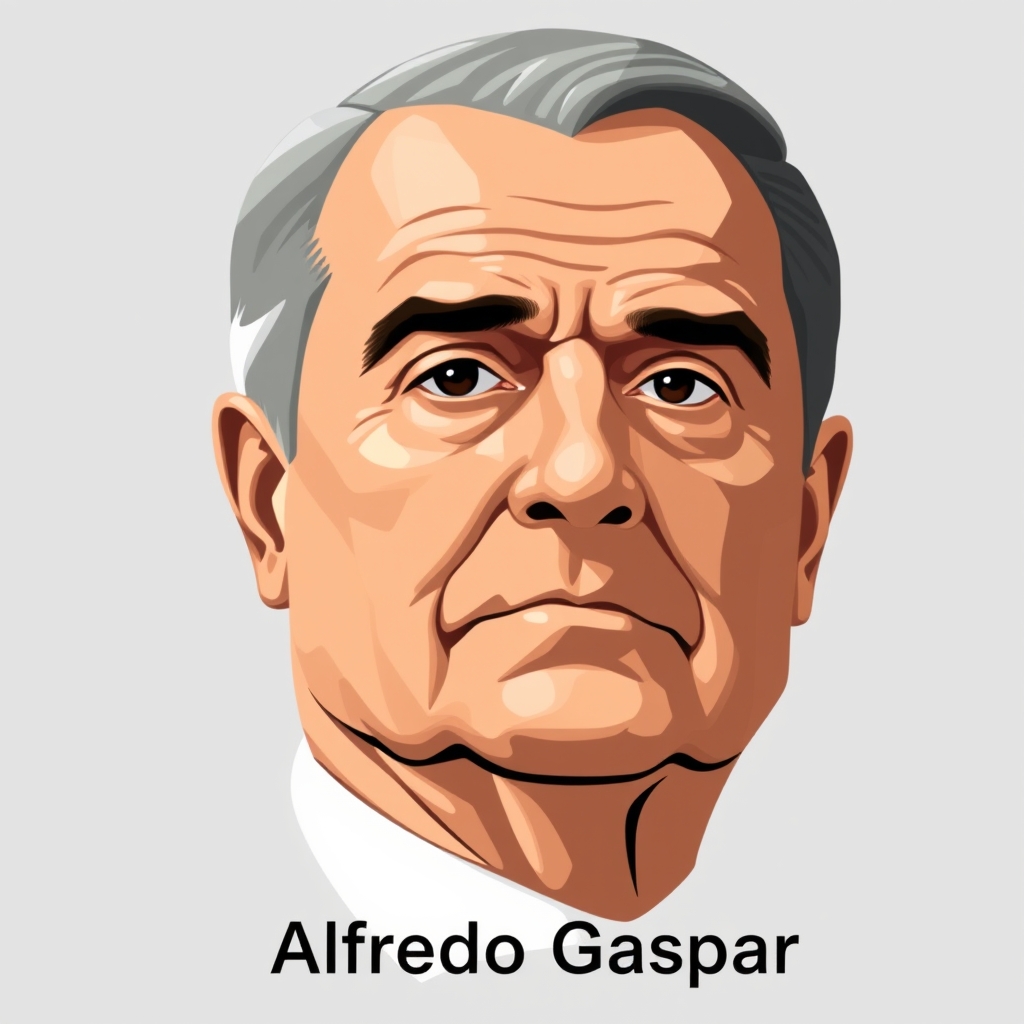
Flavio Bolsonaro

VS
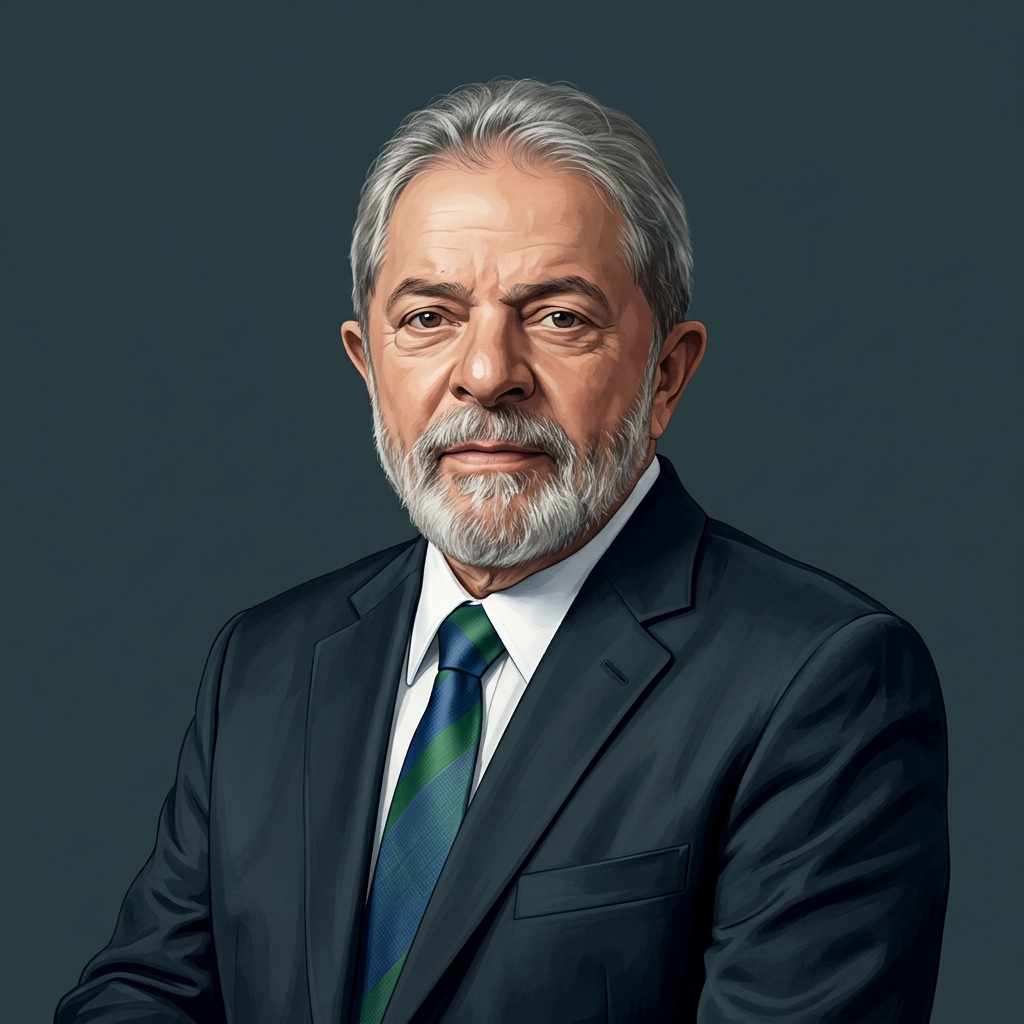
Luiz Inácio Lula da Silva
Flavio Bolsonaro is a Brazilian senator and the son of former President Jair Bolsonaro, who was disgraced and barred from running.
Luiz Inácio Lula da Silva is the incumbent President of Brazil and a leftist leader.
Flavio Bolsonaro is the leading right-wing challenger to Lula in the upcoming presidential election.
The two have conflicting interests as they compete for the presidency.
Flavio Bolsonaro has named Alfredo Gaspar as his running mate, while Lula warns of foreign interference.
Polls show a tight race, with Lula leading by a narrow margin in some surveys and the possibility of a runoff if neither candidate secures a majority.
*AI-generated summary of publicly available data. This is not an official statement of any party.
*AI-generated summary of publicly available statements and reporting. This is not an official statement of this party.
Supporters of Flavio Bolsonaro argue that Gaspar’s selection reinforces Brazil’s cultural sovereignty against Lula’s globalist agenda, which they see as eroding national identity.
Supporters of Flavio Bolsonaro argue that Lula’s foreign-interference warnings deflect from Brazil’s cultural sovereignty, while Gaspar’s selection affirms a nationalist, family-values agenda rooted in Christian tradition.
Supporters of Flavio Bolsonaro counter that Lula’s narrative of “institutional order” masks a cultural rupture, as his coalition embraces globalist norms that erode Brazil’s traditional family and faith-based identity. For them, true continuity lies in defending national customs.
Supporters of Flavio Bolsonaro argue that naming Alfredo Gaspar as running mate is a lawful exercise of electoral autonomy, while Lula’s foreign-interference warnings lack legal basis.
Supporters of Flavio Bolsonaro argue that Lula’s foreign-interference warnings are a legal distraction, citing Brazil’s sovereign electoral law as the sole arbiter.
Supporters of Flavio Bolsonaro counter that Brazil’s electoral law already forbids foreign interference, yet Lula’s administration selectively enforces it, ignoring judicial rulings on transparency and digital platform accountability, thereby failing to protect the vote’s legal.
Supporters of Flavio Bolsonaro argue that Lula’s foreign-interference warning is a weak incumbent’s distraction, aimed at masking a tightening race. They point to Gaspar’s selection as a pragmatic play for security votes, framing the ticket as the only credible check on Lula’s.
Supporters of Flavio Bolsonaro argue that Lula’s foreign-interference warning is a weak distraction, masking his own dependency on external goodwill. They see the Gaspar pick as a pragmatic power play to shore up security credentials, not ideology. For them, the tightening polls.
Supporters of Flavio Bolsonaro counter that naming Gaspar is a calculated move to expose Lula’s reliance on external narratives, not a rallying cry; tightening polls reveal Lula’s weakness, so Bolsonaro exploits that by framing defense as offense, forcing Lula to defend a record.
Supporters of Flavio Bolsonaro argue that voters, not foreign actors, must decide Brazil's future, and that Lula's interference warnings undermine the moral authority of the ballot.
Supporters of Flavio Bolsonaro argue that his campaign embodies moral integrity by championing individual liberty over state overreach, contrasting Lula's governance as a threat to personal autonomy.
Supporters of Flavio Bolsonaro counter that Lula’s sovereignty appeal masks a paternalistic state, while true moral duty lies in defending individual rights and voluntary stewardship of Brazil’s resources, not government control of the democratic process.
Supporters of Flavio Bolsonaro contend that the Gaspar ticket upholds Brazil's Judeo-Christian heritage against Lula's secularist drift, viewing faith-based governance as the nation's moral compass.
Supporters of Flavio Bolsonaro hold that his ticket with Alfredo Gaspar upholds Brazil’s Christian heritage, countering Lula’s secularism and foreign influence.
Supporters of Flavio Bolsonaro counter that scripture also commands respect for lawful authority and that Lula’s selective invocation of divine guidance masks a refusal to accept electoral oversight, urging Brazil to uphold its constitutional order over emotional appeals.
*AI-generated summary of publicly available statements and reporting. This is not an official statement of this party.
Supporters of Luiz Inácio Lula da Silva argue that his campaign upholds Brazil’s cultural continuity and institutional order against disruptive foreign influence, viewing the tightened race as a test of national stability and inherited democratic traditions.
Supporters of Luiz Inácio Lula da Silva argue that Brazil’s electoral continuity is a cultural anchor, valuing institutional stability over disruption; they see his incumbency as a guardrail for democratic tradition against foreign influence.
Supporters of Luiz Inácio Lula da Silva counter that Brazil’s cultural strength lies in its diverse, inclusive heritage, not isolation, and that Gaspar’s appointment reflects a global exchange enriching, rather than eroding, national identity.
Supporters of Luiz Inácio Lula da Silva argue that Brazil's electoral sovereignty is legally protected, and they point to the incumbent's warnings as a call to enforce existing laws against foreign interference.
Supporters of Luiz Inácio Lula da Silva argue that Brazil’s electoral law and sovereignty require rejecting foreign interference, citing the 2026 election as a test of national legal autonomy.
Supporters of Luiz Inácio Lula da Silva counter that electoral autonomy does not override constitutional limits on foreign influence, citing Brazil’s sovereignty laws. They argue that Alfredo Gaspar’s appointment raises legal questions about campaign financing transparency,.
Supporters of Luiz Inácio Lula da Silva argue that framing the race as a defense against foreign interference is a power move to rally undecided voters, since polls tightening threaten Lula’s grip. They note that naming Gaspar is Bolsonaro’s bid to consolidate the right, but.
Supporters of Luiz Inácio Lula da Silva argue the foreign-interference warning is a calculated power play, framing a tightening race to rally loyalists and discredit Flavio Bolsonaro's momentum as illegitimate.
Supporters of Luiz Inácio Lula da Silva counter that Flavio Bolsonaro’s “pragmatic” Gaspar pick is a desperate bid for security votes, not strength, exposing a narrow base that cannot expand beyond fear-driven appeals. They argue Lula’s warning on foreign interference is a.
Supporters of Luiz Inácio Lula da Silva argue that his warning against foreign interference reflects a moral duty to protect Brazil’s sovereignty, viewing stewardship of the nation’s democratic process as essential to ecological and social sustainability.
Supporters of Luiz Inácio Lula da Silva argue that safeguarding Brazil’s electoral sovereignty is a moral duty, pointing to the incumbent’s warnings as evidence that foreign interference threatens the nation’s democratic and environmental stewardship, which they believe must be.
Supporters of Luiz Inácio Lula da Silva argue that protecting the ballot from foreign manipulation is itself a moral duty, not an insult to voters’ authority, since free choice requires a tamper-proof process.
Supporters of Luiz Inácio Lula da Silva argue that his warning against foreign interference reflects a moral duty to protect Brazil’s sovereign choice, as scripture teaches nations to guard their own paths.
Supporters of Luiz Inácio Lula da Silva argue that his warning against foreign interference reflects a moral duty to protect Brazil’s sovereignty, a sacred trust rooted in scripture’s call to guard one’s homeland.
Supporters of Luiz Inácio Lula da Silva counter that faith is a personal bond, not a political weapon, and that Brazil’s moral compass must include the poor, the hungry, and the excluded, as scripture itself demands.
AI-generated summary of publicly available statements and reporting. This is not an official statement of this party.
Supporters of Flavio Bolsonaro argue that Gaspar’s selection reinforces Brazil’s cultural sovereignty against Lula’s globalist agenda, which they see as eroding national identity.
Supporters of Flavio Bolsonaro argue that Lula’s foreign-interference warnings deflect from Brazil’s cultural sovereignty, while Gaspar’s selection affirms a nationalist, family-values agenda rooted in Christian tradition.
Supporters of Flavio Bolsonaro counter that Lula’s narrative of “institutional order” masks a cultural rupture, as his coalition embraces globalist norms that erode Brazil’s traditional family and faith-based identity. For them, true continuity lies in defending national customs.
Supporters of Flavio Bolsonaro argue that naming Alfredo Gaspar as running mate is a lawful exercise of electoral autonomy, while Lula’s foreign-interference warnings lack legal basis.
Supporters of Flavio Bolsonaro argue that Lula’s foreign-interference warnings are a legal distraction, citing Brazil’s sovereign electoral law as the sole arbiter.
Supporters of Flavio Bolsonaro counter that Brazil’s electoral law already forbids foreign interference, yet Lula’s administration selectively enforces it, ignoring judicial rulings on transparency and digital platform accountability, thereby failing to protect the vote’s legal.
Supporters of Flavio Bolsonaro argue that Lula’s foreign-interference warning is a weak incumbent’s distraction, aimed at masking a tightening race. They point to Gaspar’s selection as a pragmatic play for security votes, framing the ticket as the only credible check on Lula’s.
Supporters of Flavio Bolsonaro argue that Lula’s foreign-interference warning is a weak distraction, masking his own dependency on external goodwill. They see the Gaspar pick as a pragmatic power play to shore up security credentials, not ideology. For them, the tightening polls.
Supporters of Flavio Bolsonaro counter that naming Gaspar is a calculated move to expose Lula’s reliance on external narratives, not a rallying cry; tightening polls reveal Lula’s weakness, so Bolsonaro exploits that by framing defense as offense, forcing Lula to defend a record.
Supporters of Flavio Bolsonaro argue that voters, not foreign actors, must decide Brazil's future, and that Lula's interference warnings undermine the moral authority of the ballot.
Supporters of Flavio Bolsonaro argue that his campaign embodies moral integrity by championing individual liberty over state overreach, contrasting Lula's governance as a threat to personal autonomy.
Supporters of Flavio Bolsonaro counter that Lula’s sovereignty appeal masks a paternalistic state, while true moral duty lies in defending individual rights and voluntary stewardship of Brazil’s resources, not government control of the democratic process.
Supporters of Flavio Bolsonaro contend that the Gaspar ticket upholds Brazil's Judeo-Christian heritage against Lula's secularist drift, viewing faith-based governance as the nation's moral compass.
Supporters of Flavio Bolsonaro hold that his ticket with Alfredo Gaspar upholds Brazil’s Christian heritage, countering Lula’s secularism and foreign influence.
Supporters of Flavio Bolsonaro counter that scripture also commands respect for lawful authority and that Lula’s selective invocation of divine guidance masks a refusal to accept electoral oversight, urging Brazil to uphold its constitutional order over emotional appeals.
Supporters of Luiz Inácio Lula da Silva argue that his campaign upholds Brazil’s cultural continuity and institutional order against disruptive foreign influence, viewing the tightened race as a test of national stability and inherited democratic traditions.
Supporters of Luiz Inácio Lula da Silva argue that Brazil’s electoral continuity is a cultural anchor, valuing institutional stability over disruption; they see his incumbency as a guardrail for democratic tradition against foreign influence.
Supporters of Luiz Inácio Lula da Silva counter that Brazil’s cultural strength lies in its diverse, inclusive heritage, not isolation, and that Gaspar’s appointment reflects a global exchange enriching, rather than eroding, national identity.
Supporters of Luiz Inácio Lula da Silva argue that Brazil's electoral sovereignty is legally protected, and they point to the incumbent's warnings as a call to enforce existing laws against foreign interference.
Supporters of Luiz Inácio Lula da Silva argue that Brazil’s electoral law and sovereignty require rejecting foreign interference, citing the 2026 election as a test of national legal autonomy.
Supporters of Luiz Inácio Lula da Silva counter that electoral autonomy does not override constitutional limits on foreign influence, citing Brazil’s sovereignty laws. They argue that Alfredo Gaspar’s appointment raises legal questions about campaign financing transparency,.
Supporters of Luiz Inácio Lula da Silva argue that framing the race as a defense against foreign interference is a power move to rally undecided voters, since polls tightening threaten Lula’s grip. They note that naming Gaspar is Bolsonaro’s bid to consolidate the right, but.
Supporters of Luiz Inácio Lula da Silva argue the foreign-interference warning is a calculated power play, framing a tightening race to rally loyalists and discredit Flavio Bolsonaro's momentum as illegitimate.
Supporters of Luiz Inácio Lula da Silva counter that Flavio Bolsonaro’s “pragmatic” Gaspar pick is a desperate bid for security votes, not strength, exposing a narrow base that cannot expand beyond fear-driven appeals. They argue Lula’s warning on foreign interference is a.
Supporters of Luiz Inácio Lula da Silva argue that his warning against foreign interference reflects a moral duty to protect Brazil’s sovereignty, viewing stewardship of the nation’s democratic process as essential to ecological and social sustainability.
Supporters of Luiz Inácio Lula da Silva argue that safeguarding Brazil’s electoral sovereignty is a moral duty, pointing to the incumbent’s warnings as evidence that foreign interference threatens the nation’s democratic and environmental stewardship, which they believe must be.
Supporters of Luiz Inácio Lula da Silva argue that protecting the ballot from foreign manipulation is itself a moral duty, not an insult to voters’ authority, since free choice requires a tamper-proof process.
Supporters of Luiz Inácio Lula da Silva argue that his warning against foreign interference reflects a moral duty to protect Brazil’s sovereign choice, as scripture teaches nations to guard their own paths.
Supporters of Luiz Inácio Lula da Silva argue that his warning against foreign interference reflects a moral duty to protect Brazil’s sovereignty, a sacred trust rooted in scripture’s call to guard one’s homeland.
Supporters of Luiz Inácio Lula da Silva counter that faith is a personal bond, not a political weapon, and that Brazil’s moral compass must include the poor, the hungry, and the excluded, as scripture itself demands.
Flavio Bolsonaro announced Senator Alfredo Gaspar as his vice-presidential running mate for the October election, a surprise choice.
A Genial/Quaest survey published Wednesday showed Lula receiving 44% of votes compared to Bolsonaro's 39% in a runoff scenario.
A Nexus/BTG poll showed Lula with 46% support versus 45% for Flavio Bolsonaro, narrowing from a July 27 poll where Lula led 47%-43%.
Upcoming presidential election in Brazil, with Flavio Bolsonaro and Lula as leading candidates.