Florida authorities

VS
Cuban government
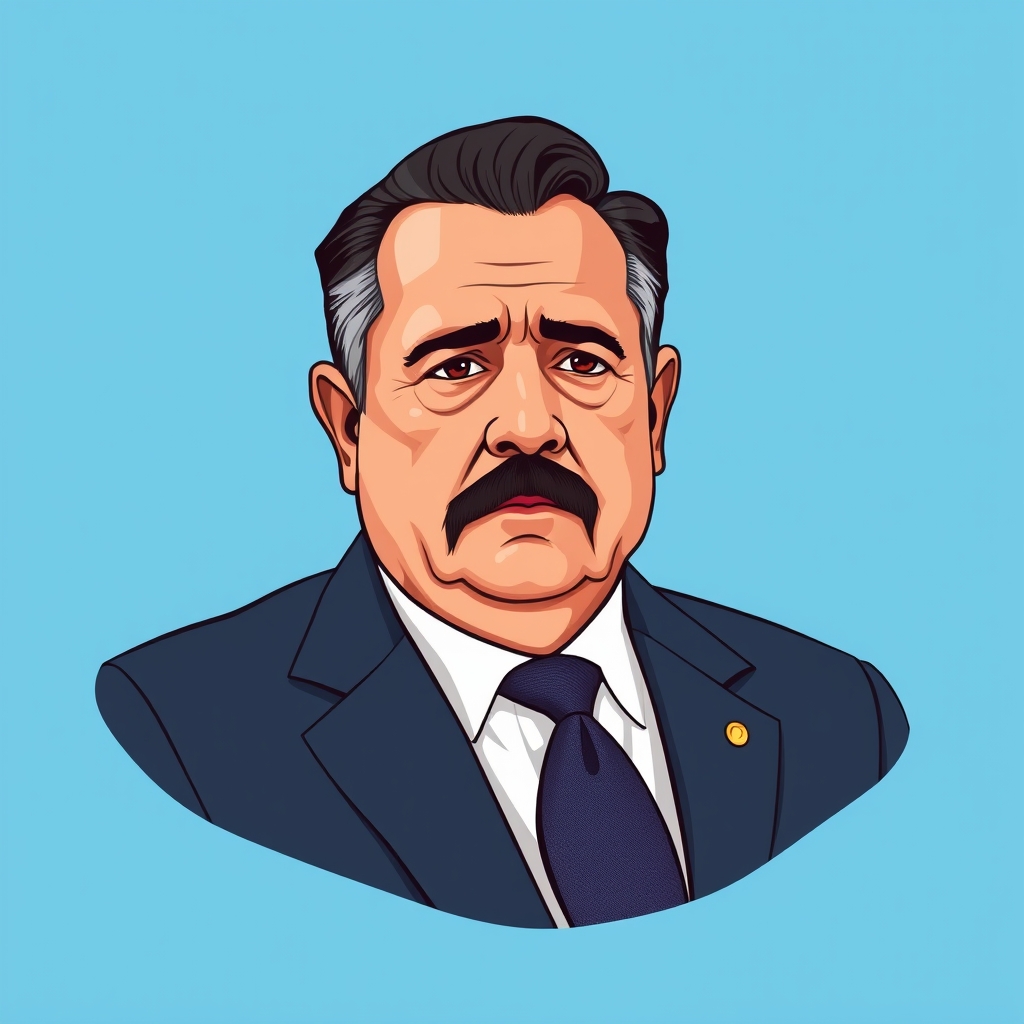
Florida has issued an arrest warrant for former Cuban leader Raul Castro, mirroring a federal indictment from May as the US increases pressure on Cuba.
The move is part of heightened US-Cuba tensions.
*AI-generated summary of publicly available data. This is not an official statement of any party.
*AI-generated summary of publicly available statements and reporting. This is not an official statement of this party.
Supporters of Florida authorities frame the warrant as a cultural stand for accountability, echoing a long exile-community tradition of demanding justice for past grievances against Cuba's leadership.
Supporters of Florida authorities frame the warrant as cultural accountability, arguing that legal reckonings like this echo past efforts to confront unresolved historical grievances.
Supporters of Florida authorities counter that Miami’s Cuban exile community, built through decades of displacement, holds a cultural stake in accountability claims Havana frames as foreign imposition.
Supporters of Florida authorities argue the state warrant is a lawful exercise of jurisdiction tied to the May federal indictment, maintaining that Florida has a legitimate interest in pursuing charges against Raul Castro through its own legal process.
Supporters of Florida authorities argue the state warrant against Raul Castro rests on lawful jurisdiction, treating the federal indictment as legal grounding for prosecution rather than politics.
Supporters of Florida authorities counter that sovereign immunity shields states, not individuals accused of crimes, and that US jurisdiction over offenses tied to Florida does not require Cuba's recognition to proceed.
Supporters of Florida authorities argue the warrant is leverage, not just law: it raises the cost of Cuba's defiance and signals that US pressure can reach Havana's leadership personally, regardless of conviction odds.
Supporters of Florida authorities argue the warrant is leverage, not justice—signaling to Havana that US pressure has costs, and that legal process is a tool for extracting concessions from a weaker adversary.
Supporters of Florida authorities counter that jurisdiction is beside the point: the indictment's value is leverage, and Havana's need for migration and sanctions relief gives Florida the stronger hand regardless of whether a US court ever convenes.
Supporters of Florida authorities frame the warrant as a moral duty to pursue accountability for alleged harms, arguing that legal process should apply regardless of a defendant's stature or political power.
Supporters of Florida authorities frame the warrant as a moral duty to pursue accountability for alleged abuses, arguing that legal process should apply regardless of a defendant's political stature or diplomatic sensitivities.
Supporters of Florida authorities counter that sovereignty cannot shield officials from accountability when environmental harm crosses borders, arguing that protecting shared ecosystems is a moral duty that transcends political boundaries.
Supporters of Florida authorities argue that holding Cuba's former leader accountable upholds the moral principle that no ruler stands above justice, a duty they see as consistent with defending human dignity and the rule of law.
Supporters of Florida authorities argue that holding leaders accountable for alleged abuses upholds a moral order rooted in justice, which they see as consistent with religious teaching that no ruler stands above the law.
Supporters of Florida authorities counter that Romans 13 charges rulers to punish wrongdoing, not shield it, so invoking scripture to guard a sovereign from a murder charge inverts the passage's purpose.
*AI-generated summary of publicly available statements and reporting. This is not an official statement of this party.
Supporters of the Cuban government argue that Florida's warrant against Raúl Castro reflects a US disregard for Cuba's national dignity and sovereignty, framing the indictment as external interference rather than legitimate law.
Supporters of the Cuban government argue that Florida's warrant against Raúl Castro is a politically motivated attack on Cuba's sovereignty and national dignity, framing it as external interference rather than legitimate justice.
Supporters of the Cuban government counter that the island's own cultural and legal traditions reject foreign warrants, arguing that exile-driven demands for justice cannot override national sovereignty or Cuba's right to judge its own affairs.
Supporters of the Cuban government argue the Florida warrant defies international law, since sovereign immunity and Cuba's non-recognition of US jurisdiction mean the charges lack legal legitimacy.
Supporters of the Cuban government argue the Florida warrant lacks legitimacy, maintaining that US courts hold no jurisdiction over a former foreign head of state and that the charges are politically motivated interference in Cuba's sovereignty.
Supporters of the Cuban government counter that the state warrant lacks standing under international law, since Cuba holds sovereign immunity and has not waived jurisdiction, making Florida's process legally unenforceable against a former head of state.
Supporters of the Cuban government argue the Florida warrant is political theater, timing pressure on Havana over migration and sanctions; they maintain US courts lack jurisdiction, framing the indictment as a lever for concessions.
Supporters of the Cuban government argue the Florida warrant is a partisan US pressure tactic, pointing to Washington's long record of using courts against Havana to extract concessions rather than pursue justice.
Supporters of the Cuban government counter that the warrant is symbolic theater, not leverage: Havana reads it as domestic US politics, and a government that has weathered decades of pressure will absorb the cost rather than yield.
Supporters of the Cuban government argue the Florida warrant is a politically motivated act that violates Cuba's sovereignty, and that US courts lack moral standing to judge Cuban officials.
Supporters of the Cuban government argue that Florida’s warrant for Raul Castro is politically motivated, not a genuine moral pursuit of justice, and they point to the timing—following the May federal indictment amid rising US pressure—as evidence it serves pressure politics rath.
Supporters of the Cuban government counter that a warrant issued from Florida carries no moral authority, since they view US courts as lacking legitimate jurisdiction over Cuban officials.
Supporters of the Cuban government argue that Florida's pursuit of Raul Castro violates national sovereignty, maintaining that scripture's call for justice must respect each nation's God-given authority.
Supporters of Cuban government argue that foreign indictments of its leaders violate national sovereignty, maintaining that judgment belongs to Cuba's own institutions and that scripture's call to render unto Caesar supports each nation governing its own affairs.
Supporters of the Cuban government counter that judgment belongs to God alone, citing scripture's warning against casting the first stone, and argue that Florida authorities lack moral standing to sit in judgment of another nation's leader.
AI-generated summary of publicly available statements and reporting. This is not an official statement of this party.
Supporters of Florida authorities frame the warrant as a cultural stand for accountability, echoing a long exile-community tradition of demanding justice for past grievances against Cuba's leadership.
Supporters of Florida authorities frame the warrant as cultural accountability, arguing that legal reckonings like this echo past efforts to confront unresolved historical grievances.
Supporters of Florida authorities counter that Miami’s Cuban exile community, built through decades of displacement, holds a cultural stake in accountability claims Havana frames as foreign imposition.
Supporters of Florida authorities argue the state warrant is a lawful exercise of jurisdiction tied to the May federal indictment, maintaining that Florida has a legitimate interest in pursuing charges against Raul Castro through its own legal process.
Supporters of Florida authorities argue the state warrant against Raul Castro rests on lawful jurisdiction, treating the federal indictment as legal grounding for prosecution rather than politics.
Supporters of Florida authorities counter that sovereign immunity shields states, not individuals accused of crimes, and that US jurisdiction over offenses tied to Florida does not require Cuba's recognition to proceed.
Supporters of Florida authorities argue the warrant is leverage, not just law: it raises the cost of Cuba's defiance and signals that US pressure can reach Havana's leadership personally, regardless of conviction odds.
Supporters of Florida authorities argue the warrant is leverage, not justice—signaling to Havana that US pressure has costs, and that legal process is a tool for extracting concessions from a weaker adversary.
Supporters of Florida authorities counter that jurisdiction is beside the point: the indictment's value is leverage, and Havana's need for migration and sanctions relief gives Florida the stronger hand regardless of whether a US court ever convenes.
Supporters of Florida authorities frame the warrant as a moral duty to pursue accountability for alleged harms, arguing that legal process should apply regardless of a defendant's stature or political power.
Supporters of Florida authorities frame the warrant as a moral duty to pursue accountability for alleged abuses, arguing that legal process should apply regardless of a defendant's political stature or diplomatic sensitivities.
Supporters of Florida authorities counter that sovereignty cannot shield officials from accountability when environmental harm crosses borders, arguing that protecting shared ecosystems is a moral duty that transcends political boundaries.
Supporters of Florida authorities argue that holding Cuba's former leader accountable upholds the moral principle that no ruler stands above justice, a duty they see as consistent with defending human dignity and the rule of law.
Supporters of Florida authorities argue that holding leaders accountable for alleged abuses upholds a moral order rooted in justice, which they see as consistent with religious teaching that no ruler stands above the law.
Supporters of Florida authorities counter that Romans 13 charges rulers to punish wrongdoing, not shield it, so invoking scripture to guard a sovereign from a murder charge inverts the passage's purpose.
Supporters of the Cuban government argue that Florida's warrant against Raúl Castro reflects a US disregard for Cuba's national dignity and sovereignty, framing the indictment as external interference rather than legitimate law.
Supporters of the Cuban government argue that Florida's warrant against Raúl Castro is a politically motivated attack on Cuba's sovereignty and national dignity, framing it as external interference rather than legitimate justice.
Supporters of the Cuban government counter that the island's own cultural and legal traditions reject foreign warrants, arguing that exile-driven demands for justice cannot override national sovereignty or Cuba's right to judge its own affairs.
Supporters of the Cuban government argue the Florida warrant defies international law, since sovereign immunity and Cuba's non-recognition of US jurisdiction mean the charges lack legal legitimacy.
Supporters of the Cuban government argue the Florida warrant lacks legitimacy, maintaining that US courts hold no jurisdiction over a former foreign head of state and that the charges are politically motivated interference in Cuba's sovereignty.
Supporters of the Cuban government counter that the state warrant lacks standing under international law, since Cuba holds sovereign immunity and has not waived jurisdiction, making Florida's process legally unenforceable against a former head of state.
Supporters of the Cuban government argue the Florida warrant is political theater, timing pressure on Havana over migration and sanctions; they maintain US courts lack jurisdiction, framing the indictment as a lever for concessions.
Supporters of the Cuban government argue the Florida warrant is a partisan US pressure tactic, pointing to Washington's long record of using courts against Havana to extract concessions rather than pursue justice.
Supporters of the Cuban government counter that the warrant is symbolic theater, not leverage: Havana reads it as domestic US politics, and a government that has weathered decades of pressure will absorb the cost rather than yield.
Supporters of the Cuban government argue the Florida warrant is a politically motivated act that violates Cuba's sovereignty, and that US courts lack moral standing to judge Cuban officials.
Supporters of the Cuban government argue that Florida’s warrant for Raul Castro is politically motivated, not a genuine moral pursuit of justice, and they point to the timing—following the May federal indictment amid rising US pressure—as evidence it serves pressure politics rath.
Supporters of the Cuban government counter that a warrant issued from Florida carries no moral authority, since they view US courts as lacking legitimate jurisdiction over Cuban officials.
Supporters of the Cuban government argue that Florida's pursuit of Raul Castro violates national sovereignty, maintaining that scripture's call for justice must respect each nation's God-given authority.
Supporters of Cuban government argue that foreign indictments of its leaders violate national sovereignty, maintaining that judgment belongs to Cuba's own institutions and that scripture's call to render unto Caesar supports each nation governing its own affairs.
Supporters of the Cuban government counter that judgment belongs to God alone, citing scripture's warning against casting the first stone, and argue that Florida authorities lack moral standing to sit in judgment of another nation's leader.
A federal indictment against Raul Castro was issued in May.