French authorities
VS
Yellow vest and student protesters
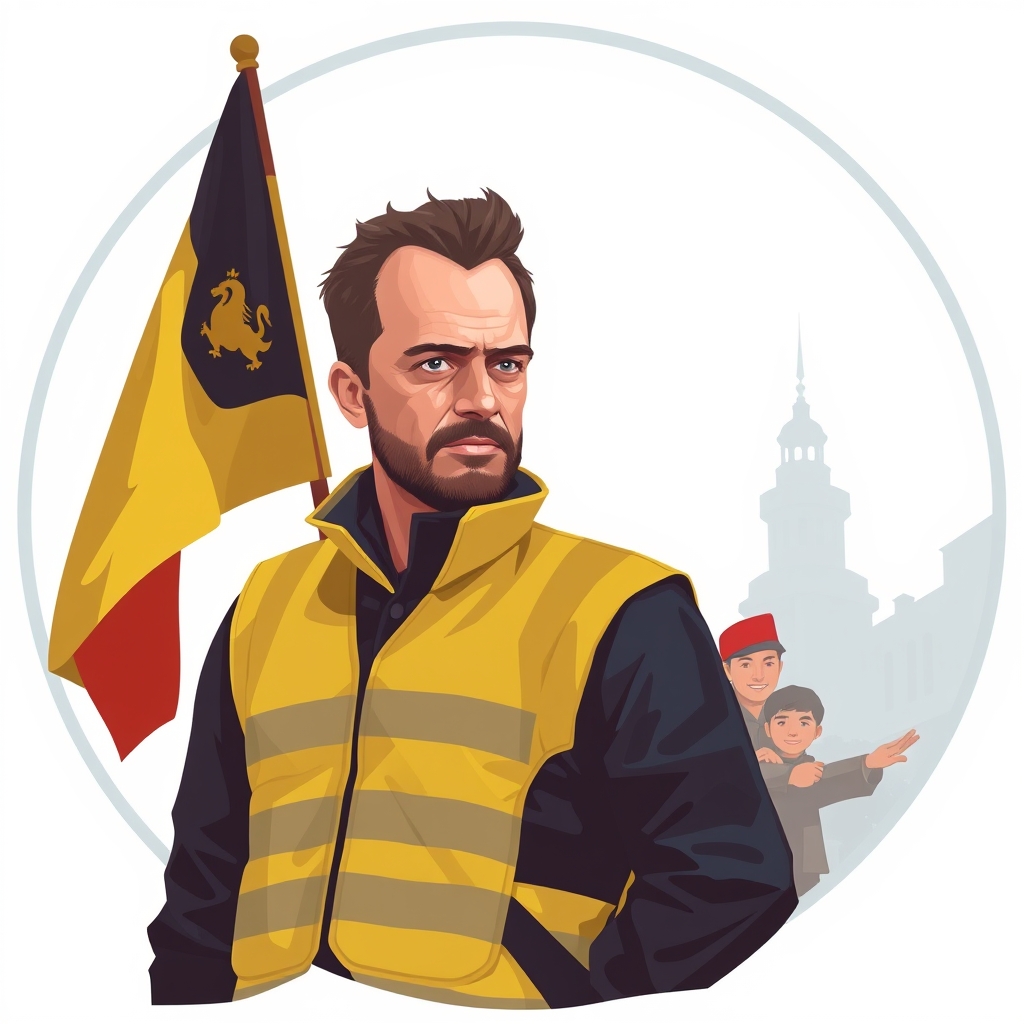

French authorities have vowed firm action against expected violence as yellow vest and student movements announce widespread Halloween demonstrations.
The government warns of a very high risk of disorder, while the protest groups plan to proceed with their demonstrations.
*AI-generated summary of publicly available data. This is not an official statement of any party.
*AI-generated summary of publicly available statements and reporting. This is not an official statement of this party.
Supporters of French authorities argue that upholding public order and the rule of law protects France's civic traditions, maintaining that the state must safeguard social stability against disorder.
Supporters of French authorities argue that upholding public order and the rule of law preserves the nation's social fabric and inherited civic traditions against disorder.
Supporters of French authorities counter that civic voice is exercised through established institutions, and that Halloween gatherings disrupting public order fall outside France's inherited traditions of legitimate protest.
Supporters of French authorities argue that under French law prefects may ban or restrict demonstrations posing a serious public-order risk, so the warning of disorder justifies preventive measures rather than prosecution of peaceful protest.
Supporters of French authorities argue that under French law, prefects may ban or restrict demonstrations posing a serious risk of violence, and they point to the government's public warning of a very high risk of disorder as the legal basis for firm action.
Supporters of French authorities counter that under the 2019 "loi anticasseurs" and Article 431-3 of the penal code, prefects may lawfully ban or disperse gatherings where a serious risk of violence is documented, so legality turns on evidence of threat, not only on disorder alre.
Supporters of French authorities argue that preemptive warnings of "very high" disorder risk are a calculated signal—seizing the narrative and justifying firm action before protests begin, so any violence is blamed on demonstrators, not the state.
Supporters of French authorities argue that pre-emptive warnings of firm action are a calculated move to fracture protester cohesion and deter the fence-sitters, since appearing resolute costs less than conceding ground.
Supporters of French authorities counter that public order data, not rhetoric, drives the response; they argue that documented injuries and property damage make the warnings a factual basis for proportionate force, not a tactic to discredit.
Supporters of French authorities argue that the state bears a moral duty to protect public safety, and they maintain that warning of a very high risk of disorder justifies firm action against expected violence.
Supporters of French authorities argue that a government has a moral duty to protect public safety, and they maintain that warning of violence and vowing firm action honors that duty to citizens and peaceful protesters alike.
Supporters of French authorities counter that a right exercised amid threats to public safety carries a moral duty to protect others, arguing that warnings about disorder safeguard lives rather than stigmatize citizens.
Supporters of French authorities invoke the state's God-given duty to preserve public order, arguing that scripture sanctions lawful authority against disorder and that protecting citizens from violence is a moral obligation before Halloween protests.
Supporters of French authorities invoke the state's duty as guardian of public order, arguing that preserving civic peace and protecting citizens is a moral obligation owed to the common good.
Supporters of French authorities counter that a secular republic cannot let any group crown its protest as divine witness, since scripture itself warns that zeal without lawful order breeds chaos, not justice.
*AI-generated summary of publicly available statements and reporting. This is not an official statement of this party.
Supporters of the Yellow vest and student protesters frame the Halloween demonstrations as an assertion of cultural identity—a defense of the right to public protest and civic voice they see as central to French political life, not merely a security matter.
Supporters of the yellow vest and student protesters frame the demonstrations as an expression of French civic identity, arguing that street protest is a legitimate cultural tradition and that authorities' warnings stigmatize that heritage.
Supporters of the Yellow vest and student protesters counter that France's civic tradition is the right to protest, tracing it to the Revolution, and argue that banning demonstrations to keep order hollows out the national identity the state claims to protect.
Supporters of the yellow vest and student protesters argue that France's constitutional and international law protections for peaceful assembly mean announced demonstrations are lawful until disorder actually occurs, so blanket preemptive warnings cannot justify restricting them.
Supporters of the Yellow vest and student protesters argue that the right to demonstrate is legally protected under French law, so planned Halloween gatherings should proceed unless authorities obtain specific, evidence-based restrictions rather than blanket warnings.
Supporters of the Yellow vest and student protesters counter that prefectural bans must be proportionate and can't target peaceful assembly itself, since the right to protest is constitutionally protected and blanket restrictions risk being struck down as disproportionate.
Supporters of the Yellow vest and student protesters argue that authorities' warnings of disorder serve to justify preemptive force and discredit the movement, since fear of violence shifts public sympathy toward the state.
Supporters of the yellow vest and student protesters argue that authorities’ warnings of "very high risk" are a preemptive delegitimization tactic, framing demonstrators as a security threat to justify firm action and deflect from grievances.
Supporters of the Yellow vest and student protesters counter that the warnings are themselves the tactic: labeling demonstrators violent before any clash lets authorities pre-emptively justify force and shift blame, so the state manufactures the disorder it then condemns.
Supporters of the yellow vest and student protesters argue that peaceful assembly is a moral right, and that warning of disorder must not be used to stigmatize citizens exercising it.
Supporters of the yellow vest and student movements argue that peaceful assembly is a fundamental moral right, and that warning of disorder cannot justify preemptively treating demonstrators as criminals.
Supporters of the Yellow vest and student protesters counter that a state's moral duty to protect safety cannot justify preemptive force against peaceful citizens, since presuming guilt before any act violates individual liberty.
Supporters of the yellow vest and student protesters argue their movement carries a moral, even spiritual, duty to defend the vulnerable against a state they see as abandoning them, casting protest as a righteous witness.
Supporters of the Yellow vest and student protesters invoke France's tradition of civic dissent, arguing that moral witness against perceived injustice outweighs fears of disorder.
Supporters of the Yellow vest and student protesters counter that scripture also commands justice for the poor and oppressed, invoking prophetic tradition to argue that defending the vulnerable outweighs appeals to order.
AI-generated summary of publicly available statements and reporting. This is not an official statement of this party.
Supporters of French authorities argue that upholding public order and the rule of law protects France's civic traditions, maintaining that the state must safeguard social stability against disorder.
Supporters of French authorities argue that upholding public order and the rule of law preserves the nation's social fabric and inherited civic traditions against disorder.
Supporters of French authorities counter that civic voice is exercised through established institutions, and that Halloween gatherings disrupting public order fall outside France's inherited traditions of legitimate protest.
Supporters of French authorities argue that under French law prefects may ban or restrict demonstrations posing a serious public-order risk, so the warning of disorder justifies preventive measures rather than prosecution of peaceful protest.
Supporters of French authorities argue that under French law, prefects may ban or restrict demonstrations posing a serious risk of violence, and they point to the government's public warning of a very high risk of disorder as the legal basis for firm action.
Supporters of French authorities counter that under the 2019 "loi anticasseurs" and Article 431-3 of the penal code, prefects may lawfully ban or disperse gatherings where a serious risk of violence is documented, so legality turns on evidence of threat, not only on disorder alre.
Supporters of French authorities argue that preemptive warnings of "very high" disorder risk are a calculated signal—seizing the narrative and justifying firm action before protests begin, so any violence is blamed on demonstrators, not the state.
Supporters of French authorities argue that pre-emptive warnings of firm action are a calculated move to fracture protester cohesion and deter the fence-sitters, since appearing resolute costs less than conceding ground.
Supporters of French authorities counter that public order data, not rhetoric, drives the response; they argue that documented injuries and property damage make the warnings a factual basis for proportionate force, not a tactic to discredit.
Supporters of French authorities argue that the state bears a moral duty to protect public safety, and they maintain that warning of a very high risk of disorder justifies firm action against expected violence.
Supporters of French authorities argue that a government has a moral duty to protect public safety, and they maintain that warning of violence and vowing firm action honors that duty to citizens and peaceful protesters alike.
Supporters of French authorities counter that a right exercised amid threats to public safety carries a moral duty to protect others, arguing that warnings about disorder safeguard lives rather than stigmatize citizens.
Supporters of French authorities invoke the state's God-given duty to preserve public order, arguing that scripture sanctions lawful authority against disorder and that protecting citizens from violence is a moral obligation before Halloween protests.
Supporters of French authorities invoke the state's duty as guardian of public order, arguing that preserving civic peace and protecting citizens is a moral obligation owed to the common good.
Supporters of French authorities counter that a secular republic cannot let any group crown its protest as divine witness, since scripture itself warns that zeal without lawful order breeds chaos, not justice.
Supporters of the Yellow vest and student protesters frame the Halloween demonstrations as an assertion of cultural identity—a defense of the right to public protest and civic voice they see as central to French political life, not merely a security matter.
Supporters of the yellow vest and student protesters frame the demonstrations as an expression of French civic identity, arguing that street protest is a legitimate cultural tradition and that authorities' warnings stigmatize that heritage.
Supporters of the Yellow vest and student protesters counter that France's civic tradition is the right to protest, tracing it to the Revolution, and argue that banning demonstrations to keep order hollows out the national identity the state claims to protect.
Supporters of the yellow vest and student protesters argue that France's constitutional and international law protections for peaceful assembly mean announced demonstrations are lawful until disorder actually occurs, so blanket preemptive warnings cannot justify restricting them.
Supporters of the Yellow vest and student protesters argue that the right to demonstrate is legally protected under French law, so planned Halloween gatherings should proceed unless authorities obtain specific, evidence-based restrictions rather than blanket warnings.
Supporters of the Yellow vest and student protesters counter that prefectural bans must be proportionate and can't target peaceful assembly itself, since the right to protest is constitutionally protected and blanket restrictions risk being struck down as disproportionate.
Supporters of the Yellow vest and student protesters argue that authorities' warnings of disorder serve to justify preemptive force and discredit the movement, since fear of violence shifts public sympathy toward the state.
Supporters of the yellow vest and student protesters argue that authorities’ warnings of "very high risk" are a preemptive delegitimization tactic, framing demonstrators as a security threat to justify firm action and deflect from grievances.
Supporters of the Yellow vest and student protesters counter that the warnings are themselves the tactic: labeling demonstrators violent before any clash lets authorities pre-emptively justify force and shift blame, so the state manufactures the disorder it then condemns.
Supporters of the yellow vest and student protesters argue that peaceful assembly is a moral right, and that warning of disorder must not be used to stigmatize citizens exercising it.
Supporters of the yellow vest and student movements argue that peaceful assembly is a fundamental moral right, and that warning of disorder cannot justify preemptively treating demonstrators as criminals.
Supporters of the Yellow vest and student protesters counter that a state's moral duty to protect safety cannot justify preemptive force against peaceful citizens, since presuming guilt before any act violates individual liberty.
Supporters of the yellow vest and student protesters argue their movement carries a moral, even spiritual, duty to defend the vulnerable against a state they see as abandoning them, casting protest as a righteous witness.
Supporters of the Yellow vest and student protesters invoke France's tradition of civic dissent, arguing that moral witness against perceived injustice outweighs fears of disorder.
Supporters of the Yellow vest and student protesters counter that scripture also commands justice for the poor and oppressed, invoking prophetic tradition to argue that defending the vulnerable outweighs appeals to order.
Yellow vest and student movements announce widespread demonstrations across France; authorities warn of very high risk of disorder.