French Football Federation
VS
Gianni Infantino
The French Football Federation (FFF) is the national governing body for football in France, responsible for overseeing the sport at all levels and representing French interests within international football governance.
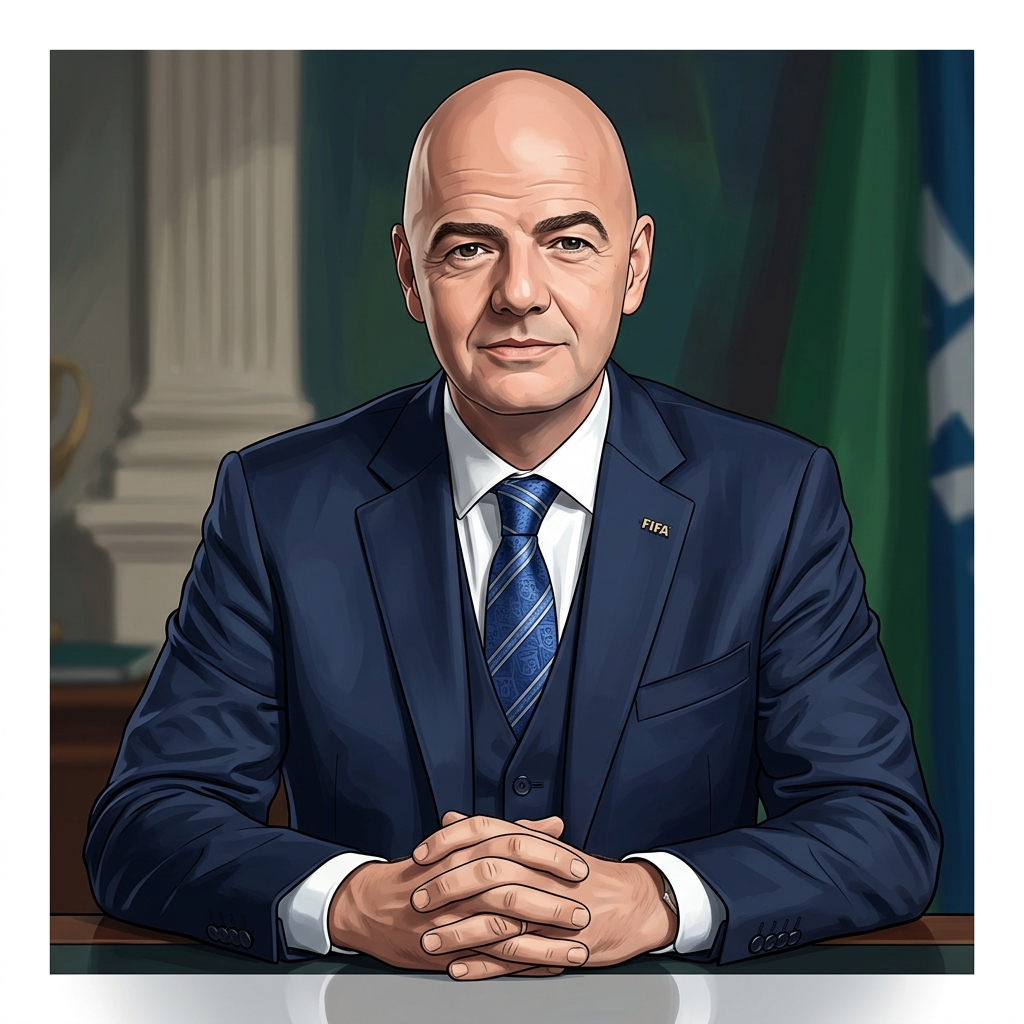
Gianni Infantino is the President of FIFA, the global governing body of association football, and is seeking re-election to that position.
The FFF and Infantino are in conflict over the federation's support for his FIFA presidential candidacy.
The FFF has decided to withdraw its support for Infantino's re-election, a move that aligns it with other European federations that have also declined to back him.
This withdrawal reflects a broader divide within European football over Infantino's leadership.
The FFF's decision comes amid a context where other European federations, such as Belgium, England, Italy, Scotland, and Sweden, have similarly withdrawn support for Infantino.
The French federation's move is part of a wider pattern of European opposition to Infantino's continued leadership of FIFA.
*AI-generated summary of publicly available data. This is not an official statement of any party.
*AI-generated summary of publicly available statements and reporting. This is not an official statement of this party.
Supporters of the French Football Federation argue that football’s inherited institutions and shared European traditions must outlast any one leader, and that aligning with fellow federations preserves the game’s stability and cultural continuity.
Supporters of the French Football Federation argue that football’s inherited institutions and shared European traditions matter more than any one leader, and that aligning with fellow federations preserves the sport’s cultural continuity.
Supporters of the French Football Federation counter that football's cultural soul was codified in Europe, and that inherited institutions, not emerging markets, remain the custodians of the game's traditions.
Supporters of the French Football Federation argue that aligning with Belgium, England, Italy, Scotland, and Sweden reflects a lawful exercise of each federation's governance rights under FIFA statutes to condition support on accountability.
Supporters of the French Football Federation maintain that withdrawing support from Infantino is a lawful exercise of each federation's governance rights, and they argue that federations may align with peers when leadership accountability is at issue.
Supporters of the French Football Federation counter that FIFA's own statutes bind the president to member-association governance, so lawful withdrawal of support is an exercise of those rules, not an override of electoral legitimacy.
Supporters of the French Football Federation argue that withdrawing support from Infantino is a calculated play for leverage, positioning France with allied European federations to check FIFA's concentrated power.
Supporters of the French Football Federation argue that backing Infantino no longer pays: with Belgium, England, Italy and Sweden already peeling off, aligning with the bloc protects French influence in UEFA.
Supporters of the French Football Federation counter that Infantino’s global base is precisely the problem: a president who owes nothing to Europe can ignore its clubs and leagues, so FFF backs whoever restores leverage, not control.
Supporters of the French Football Federation argue that withdrawing support for Infantino is a moral stand: leadership must answer to its members, not rule above them.
Supporters of the French Football Federation argue that withdrawing support is a moral duty, since credible leadership requires accountability and federations answer to their members, not one man.
Supporters of the French Football Federation counter that loyalty is not owed to any single person but to the game's integrity, so withdrawing reflects a moral duty, not mere politics.
Supporters of the French Football Federation argue that football's governing bodies should honor inherited institutional structures and the collective counsel of Europe's historic federations, maintaining that stewardship of the game is a trust best kept by tradition rather than.
Supporters of the French Football Federation argue that football's governing bodies must honor inherited standards and the shared stewardship of European federations, not the will of one leader.
Supporters of French Football Federation counter that football's unity rests on inherited confederal structures, not one man's providence, and that stewardship belongs to the member associations rather than a single leader.
*AI-generated summary of publicly available statements and reporting. This is not an official statement of this party.
Supporters of Gianni Infantino argue that football's cultural future lies beyond Europe, and that Western federations opposing him reflect an older, fading order rather than the global game.
Supporters of Gianni Infantino argue that past FIFA reform cycles show European federations often resist global football's shift toward broader representation, so their withdrawal reflects a recurring power struggle, not a mandate.
Supporters of Gianni Infantino counter that football's cultural continuity has always been rewritten by its leaders—from the game's global expansion to new competitions—and that shared traditions survive through adaptation, not institutional resistance.
Supporters of Gianni Infantino argue that FIFA's presidency carries a democratic mandate from its member associations, so a bloc of European federations withdrawing support raises legal questions about whether regional pressure can override that global electoral legitimacy.
Supporters of Gianni Infantino argue that FIFA's statutes grant the president a democratic mandate from member associations, so the FFF's withdrawal carries no legal weight to remove him from office.
Supporters of Gianni Infantino counter that FIFA statutes vest the Congress, not a bloc of federations, with electoral authority, so conditioning votes on pre-agreed demands exceeds the lawful governance rights the French federation claims.
Supporters of Gianni Infantino argue the FFF's defection is leverage politics, not principle: European federations want a weaker FIFA president they can control, and Infantino's global power base makes him harder to unseat than they admit.
Supporters of Gianni Infantino argue that European federations' withdrawal is less about principle than leverage, and that Infantino's bloc of smaller federations still delivers the votes needed to hold power.
Supporters of Gianni Infantino counter that FIFA controls the money, slots, and referees, so France's leverage play risks losing more than it gains.
Supporters of Gianni Infantino argue that loyalty matters morally, and they maintain that the European federations' coordinated withdrawal reflects political maneuvering rather than a substantive ethical grievance.
Supporters of Gianni Infantino argue that withdrawing support mid-term fractures football's global governance, and that European federations owe the game continuity and good-faith dialogue over symbolic defections.
Supporters of Gianni Infantino counter that a leader's moral duty extends beyond members to the global game, and that abandoning a mandate mid-term breaks faith with those who entrusted it.
Supporters of Gianni Infantino argue that his leadership of FIFA serves a unifying, almost providential role in world football, and that the French federation's withdrawal risks factionalism over shared stewardship.
Supporters of Gianni Infantino argue that governing world football requires patience and unity, and that his stewardship should be judged by its fruits rather than by the withdrawal of a few European federations.
Supporters of Gianni Infantino counter that stewardship is a divine mandate for the whole human family, not an inheritance for a few, citing scripture that the earth is the Lord's and all who dwell therein.
AI-generated summary of publicly available statements and reporting. This is not an official statement of this party.
Supporters of the French Football Federation argue that football’s inherited institutions and shared European traditions must outlast any one leader, and that aligning with fellow federations preserves the game’s stability and cultural continuity.
Supporters of the French Football Federation argue that football’s inherited institutions and shared European traditions matter more than any one leader, and that aligning with fellow federations preserves the sport’s cultural continuity.
Supporters of the French Football Federation counter that football's cultural soul was codified in Europe, and that inherited institutions, not emerging markets, remain the custodians of the game's traditions.
Supporters of the French Football Federation argue that aligning with Belgium, England, Italy, Scotland, and Sweden reflects a lawful exercise of each federation's governance rights under FIFA statutes to condition support on accountability.
Supporters of the French Football Federation maintain that withdrawing support from Infantino is a lawful exercise of each federation's governance rights, and they argue that federations may align with peers when leadership accountability is at issue.
Supporters of the French Football Federation counter that FIFA's own statutes bind the president to member-association governance, so lawful withdrawal of support is an exercise of those rules, not an override of electoral legitimacy.
Supporters of the French Football Federation argue that withdrawing support from Infantino is a calculated play for leverage, positioning France with allied European federations to check FIFA's concentrated power.
Supporters of the French Football Federation argue that backing Infantino no longer pays: with Belgium, England, Italy and Sweden already peeling off, aligning with the bloc protects French influence in UEFA.
Supporters of the French Football Federation counter that Infantino’s global base is precisely the problem: a president who owes nothing to Europe can ignore its clubs and leagues, so FFF backs whoever restores leverage, not control.
Supporters of the French Football Federation argue that withdrawing support for Infantino is a moral stand: leadership must answer to its members, not rule above them.
Supporters of the French Football Federation argue that withdrawing support is a moral duty, since credible leadership requires accountability and federations answer to their members, not one man.
Supporters of the French Football Federation counter that loyalty is not owed to any single person but to the game's integrity, so withdrawing reflects a moral duty, not mere politics.
Supporters of the French Football Federation argue that football's governing bodies should honor inherited institutional structures and the collective counsel of Europe's historic federations, maintaining that stewardship of the game is a trust best kept by tradition rather than.
Supporters of the French Football Federation argue that football's governing bodies must honor inherited standards and the shared stewardship of European federations, not the will of one leader.
Supporters of French Football Federation counter that football's unity rests on inherited confederal structures, not one man's providence, and that stewardship belongs to the member associations rather than a single leader.
Supporters of Gianni Infantino argue that football's cultural future lies beyond Europe, and that Western federations opposing him reflect an older, fading order rather than the global game.
Supporters of Gianni Infantino argue that past FIFA reform cycles show European federations often resist global football's shift toward broader representation, so their withdrawal reflects a recurring power struggle, not a mandate.
Supporters of Gianni Infantino counter that football's cultural continuity has always been rewritten by its leaders—from the game's global expansion to new competitions—and that shared traditions survive through adaptation, not institutional resistance.
Supporters of Gianni Infantino argue that FIFA's presidency carries a democratic mandate from its member associations, so a bloc of European federations withdrawing support raises legal questions about whether regional pressure can override that global electoral legitimacy.
Supporters of Gianni Infantino argue that FIFA's statutes grant the president a democratic mandate from member associations, so the FFF's withdrawal carries no legal weight to remove him from office.
Supporters of Gianni Infantino counter that FIFA statutes vest the Congress, not a bloc of federations, with electoral authority, so conditioning votes on pre-agreed demands exceeds the lawful governance rights the French federation claims.
Supporters of Gianni Infantino argue the FFF's defection is leverage politics, not principle: European federations want a weaker FIFA president they can control, and Infantino's global power base makes him harder to unseat than they admit.
Supporters of Gianni Infantino argue that European federations' withdrawal is less about principle than leverage, and that Infantino's bloc of smaller federations still delivers the votes needed to hold power.
Supporters of Gianni Infantino counter that FIFA controls the money, slots, and referees, so France's leverage play risks losing more than it gains.
Supporters of Gianni Infantino argue that loyalty matters morally, and they maintain that the European federations' coordinated withdrawal reflects political maneuvering rather than a substantive ethical grievance.
Supporters of Gianni Infantino argue that withdrawing support mid-term fractures football's global governance, and that European federations owe the game continuity and good-faith dialogue over symbolic defections.
Supporters of Gianni Infantino counter that a leader's moral duty extends beyond members to the global game, and that abandoning a mandate mid-term breaks faith with those who entrusted it.
Supporters of Gianni Infantino argue that his leadership of FIFA serves a unifying, almost providential role in world football, and that the French federation's withdrawal risks factionalism over shared stewardship.
Supporters of Gianni Infantino argue that governing world football requires patience and unity, and that his stewardship should be judged by its fruits rather than by the withdrawal of a few European federations.
Supporters of Gianni Infantino counter that stewardship is a divine mandate for the whole human family, not an inheritance for a few, citing scripture that the earth is the Lord's and all who dwell therein.
FFF aligns position with of other European federations, such as Belgium, England, Italy, Scotland, and Sweden.
The French Football Federation officially withdraws its support for Gianni Infantino in the FIFA presidential election.
The French Football Federation does not intend to support the candidacy of the current FIFA president, Gianni Infantino, in the upcoming FIFA presidential election.