Iran
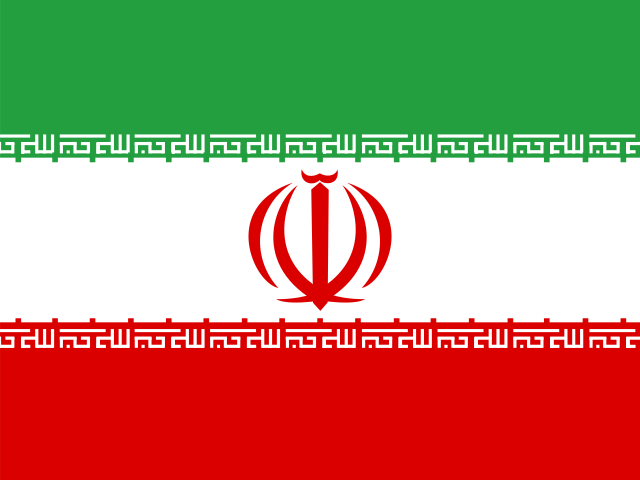

VS
French government

France summoned Iran's ambassador after accusing Tehran of orchestrating a cyberattack that sabotaged refrigerators in French supermarkets.
The French government is seeking tough European sanctions to deter further cyberattacks.
*AI-generated summary of publicly available data. This is not an official statement of any party.
*AI-generated summary of publicly available statements and reporting. This is not an official statement of this party.
Supporters of Iran argue that France’s accusation and push for sanctions reflect a Western double standard, treating a cyber dispute as grounds to isolate a sovereign nation rather than resolve it through established diplomatic channels.
Supporters of Iran argue that France’s summons and sanctions push reflect a sovereigntist reflex that treats foreign ambassadors as leverage, and they contend that cultural continuity and diplomatic precedent favor private, established channels over public accusation.
Supporters of Iran counter that France's own history of secular statehood rests on a distinct cultural tradition, and they argue that summoning an ambassador presumes one universal civic standard rather than respecting sovereign cultural difference.
Supporters of Iran argue the summons and sanctions push lack publicly disclosed forensic evidence tying Tehran to the refrigerator sabotage, and maintain that attributing a cyberattack without transparent, verifiable proof falls short of legal standards.
Supporters of Iran argue France's accusation rests on undisclosed attribution evidence and that the Vienna Convention bars coercive diplomatic pressure absent proof presented through established legal channels.
Supporters of Iran counter that attribution remains unproven, and that summoning an ambassador and pursuing EU sanctions without publicly verified evidence falls short of the legal standard for state responsibility.
Supporters of Iran argue that Paris is exploiting a minor cyber incident to rally European sanctions, treating the accusation as a tool for leverage rather than a proven fact.
Supporters of Iran argue that France's summons is a power play to rally European sanctions, and that the refrigerator sabotage claim serves as a pretext to punish Tehran without proof.
Supporters of Iran counter that visible retaliation costs France leverage, not Iran: public summons and sanctions pressure Tehran to escalate covertly, since a state already sanctioned has little left to lose and gains credibility by absorbing punishment.
Supporters of Iran argue that punishing Tehran on unproven cyber-allegations echoes past precedents of punitive blame before evidence, and they maintain that sanctions imposed without proof set a dangerous moral double standard.
Supporters of Iran argue that accusing Tehran of sabotaging supermarket refrigerators without public proof echoes past pretexts for sanctions, and they maintain that punishing a nation on unverified attribution is a moral failure.
Supporters of Iran counter that French sanctions, by restricting food imports and medicine, inflict the same civilian harm the French government calls indefensible—making its moral condemnation appear selective.
Supporters of Iran invoke the Quranic injunction against spreading corruption (fasad) and argue that France's accusations lack proof, framing the sanctions push as unjust coercion rather than legitimate deterrence.
Supporters of Iran invoke the Quranic command to repel evil with good and warn against baseless accusation, arguing that France's summons lacks proof and that sanctioning Tehran on suspicion alone violates the justice scripture demands.
Supporters of Iran counter that a nation's sacred duty to defend its people cannot be claimed while that same power shelters and arms those accused of sabotage, and they argue that true divine law condemns such hypocrisy.
*AI-generated summary of publicly available statements and reporting. This is not an official statement of this party.
Supporters of the French government frame the refrigerator sabotage as a cultural violation—an attack on everyday civic life and public trust—and argue that summoning Iran's ambassador upholds norms of sovereignty that Europe must defend.
Supporters of the French government frame the summons as upholding a cultural norm: diplomatic accountability when a state is accused of covert sabotage. They argue that summoning Iran’s ambassador signals that such conduct has no place in accepted international practice.
Supporters of the French government counter that France’s diplomatic tradition, built on sovereignty and non-interference since Westphalia, makes it a consistent mediator, not a double standard—sovereign nations are still answerable for cyber acts.
Supporters of the French government argue that Tehran's alleged cyber sabotage of supermarket refrigerators violates international law, and they maintain that summoning Iran's ambassador and pursuing EU sanctions are lawful, proportionate responses to deter further attacks.
Supporters of the French government argue that summoning Iran’s ambassador and seeking EU sanctions are lawful, proportionate responses to alleged cyber sabotage, maintaining that international law permits states to counter hostile cyber operations.
Supporters of the French government counter that attributions need not rest on public forensic disclosure to be legally sound; they argue judicial summonses follow classified evidence reviewed by courts, not public proof.
Supporters of the French government argue that summoning Iran’s ambassador and pushing for European sanctions are calculated signals: they maintain that visible retaliation raises the cost of future cyber operations and deters Tehran.
Supporters of the French government argue the summons and sanctions push are leverage plays: by naming Iran publicly, France manufactures the political cover needed to rally European partners behind deterrence.
Supporters of the French government counter that Iran's history of proxy attacks and deniable operations makes attribution inherently slow, and that building European sanctions coalitions is itself the leverage needed to deter repeat incidents.
Supporters of the French government argue that targeting civilian infrastructure like supermarket refrigeration is a morally indefensible act, and that holding Iran accountable through European sanctions upholds the principle that states must answer for harm done to ordinary peop.
Supporters of the French government argue that sabotaging supermarket refrigerators crosses a moral line by targeting ordinary civilians, and they maintain that tough European sanctions are a justified response to deter such attacks.
Supporters of the French government counter that attributing the attack to Iran rests on the state's own documented technical findings, so the moral duty to respond to a proven breach outweighs claims of unproven blame.
Supporters of French government argue that a sovereign nation's authority to defend its people is a sacred duty, and they frame summoning Iran's ambassador as a legitimate, orderly response to alleged sabotage.
Supporters of the French government argue that summoning Iran's ambassador upholds a moral duty to protect citizens' daily welfare, and they maintain that defending a nation's social order against covert sabotage reflects a principled, lawful stand.
Supporters of the French government counter that religious appeals to fasad cannot shield a state from accountability, arguing that the nuclear program's opacity—not France's accusations—is what undermines trust and invites coercion.
AI-generated summary of publicly available statements and reporting. This is not an official statement of this party.
Supporters of Iran argue that France’s accusation and push for sanctions reflect a Western double standard, treating a cyber dispute as grounds to isolate a sovereign nation rather than resolve it through established diplomatic channels.
Supporters of Iran argue that France’s summons and sanctions push reflect a sovereigntist reflex that treats foreign ambassadors as leverage, and they contend that cultural continuity and diplomatic precedent favor private, established channels over public accusation.
Supporters of Iran counter that France's own history of secular statehood rests on a distinct cultural tradition, and they argue that summoning an ambassador presumes one universal civic standard rather than respecting sovereign cultural difference.
Supporters of Iran argue the summons and sanctions push lack publicly disclosed forensic evidence tying Tehran to the refrigerator sabotage, and maintain that attributing a cyberattack without transparent, verifiable proof falls short of legal standards.
Supporters of Iran argue France's accusation rests on undisclosed attribution evidence and that the Vienna Convention bars coercive diplomatic pressure absent proof presented through established legal channels.
Supporters of Iran counter that attribution remains unproven, and that summoning an ambassador and pursuing EU sanctions without publicly verified evidence falls short of the legal standard for state responsibility.
Supporters of Iran argue that Paris is exploiting a minor cyber incident to rally European sanctions, treating the accusation as a tool for leverage rather than a proven fact.
Supporters of Iran argue that France's summons is a power play to rally European sanctions, and that the refrigerator sabotage claim serves as a pretext to punish Tehran without proof.
Supporters of Iran counter that visible retaliation costs France leverage, not Iran: public summons and sanctions pressure Tehran to escalate covertly, since a state already sanctioned has little left to lose and gains credibility by absorbing punishment.
Supporters of Iran argue that punishing Tehran on unproven cyber-allegations echoes past precedents of punitive blame before evidence, and they maintain that sanctions imposed without proof set a dangerous moral double standard.
Supporters of Iran argue that accusing Tehran of sabotaging supermarket refrigerators without public proof echoes past pretexts for sanctions, and they maintain that punishing a nation on unverified attribution is a moral failure.
Supporters of Iran counter that French sanctions, by restricting food imports and medicine, inflict the same civilian harm the French government calls indefensible—making its moral condemnation appear selective.
Supporters of Iran invoke the Quranic injunction against spreading corruption (fasad) and argue that France's accusations lack proof, framing the sanctions push as unjust coercion rather than legitimate deterrence.
Supporters of Iran invoke the Quranic command to repel evil with good and warn against baseless accusation, arguing that France's summons lacks proof and that sanctioning Tehran on suspicion alone violates the justice scripture demands.
Supporters of Iran counter that a nation's sacred duty to defend its people cannot be claimed while that same power shelters and arms those accused of sabotage, and they argue that true divine law condemns such hypocrisy.
Supporters of the French government frame the refrigerator sabotage as a cultural violation—an attack on everyday civic life and public trust—and argue that summoning Iran's ambassador upholds norms of sovereignty that Europe must defend.
Supporters of the French government frame the summons as upholding a cultural norm: diplomatic accountability when a state is accused of covert sabotage. They argue that summoning Iran’s ambassador signals that such conduct has no place in accepted international practice.
Supporters of the French government counter that France’s diplomatic tradition, built on sovereignty and non-interference since Westphalia, makes it a consistent mediator, not a double standard—sovereign nations are still answerable for cyber acts.
Supporters of the French government argue that Tehran's alleged cyber sabotage of supermarket refrigerators violates international law, and they maintain that summoning Iran's ambassador and pursuing EU sanctions are lawful, proportionate responses to deter further attacks.
Supporters of the French government argue that summoning Iran’s ambassador and seeking EU sanctions are lawful, proportionate responses to alleged cyber sabotage, maintaining that international law permits states to counter hostile cyber operations.
Supporters of the French government counter that attributions need not rest on public forensic disclosure to be legally sound; they argue judicial summonses follow classified evidence reviewed by courts, not public proof.
Supporters of the French government argue that summoning Iran’s ambassador and pushing for European sanctions are calculated signals: they maintain that visible retaliation raises the cost of future cyber operations and deters Tehran.
Supporters of the French government argue the summons and sanctions push are leverage plays: by naming Iran publicly, France manufactures the political cover needed to rally European partners behind deterrence.
Supporters of the French government counter that Iran's history of proxy attacks and deniable operations makes attribution inherently slow, and that building European sanctions coalitions is itself the leverage needed to deter repeat incidents.
Supporters of the French government argue that targeting civilian infrastructure like supermarket refrigeration is a morally indefensible act, and that holding Iran accountable through European sanctions upholds the principle that states must answer for harm done to ordinary peop.
Supporters of the French government argue that sabotaging supermarket refrigerators crosses a moral line by targeting ordinary civilians, and they maintain that tough European sanctions are a justified response to deter such attacks.
Supporters of the French government counter that attributing the attack to Iran rests on the state's own documented technical findings, so the moral duty to respond to a proven breach outweighs claims of unproven blame.
Supporters of French government argue that a sovereign nation's authority to defend its people is a sacred duty, and they frame summoning Iran's ambassador as a legitimate, orderly response to alleged sabotage.
Supporters of the French government argue that summoning Iran's ambassador upholds a moral duty to protect citizens' daily welfare, and they maintain that defending a nation's social order against covert sabotage reflects a principled, lawful stand.
Supporters of the French government counter that religious appeals to fasad cannot shield a state from accountability, arguing that the nuclear program's opacity—not France's accusations—is what undermines trust and invites coercion.
France summons Iran's ambassador over alleged cyber 'sabotage' of supermarket refrigerators.