North Korea
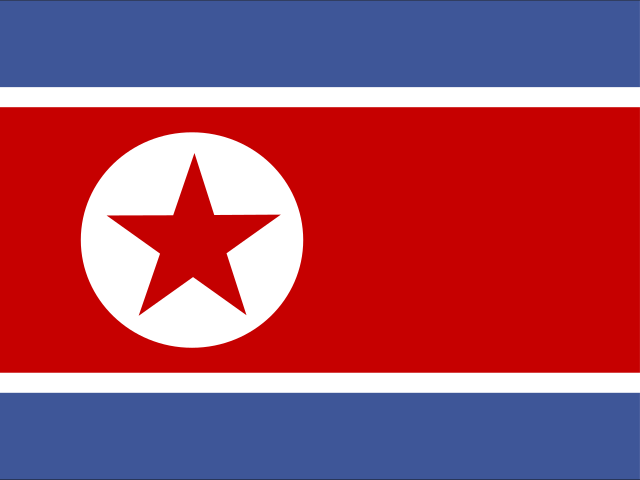
VS
Friedrich Merz
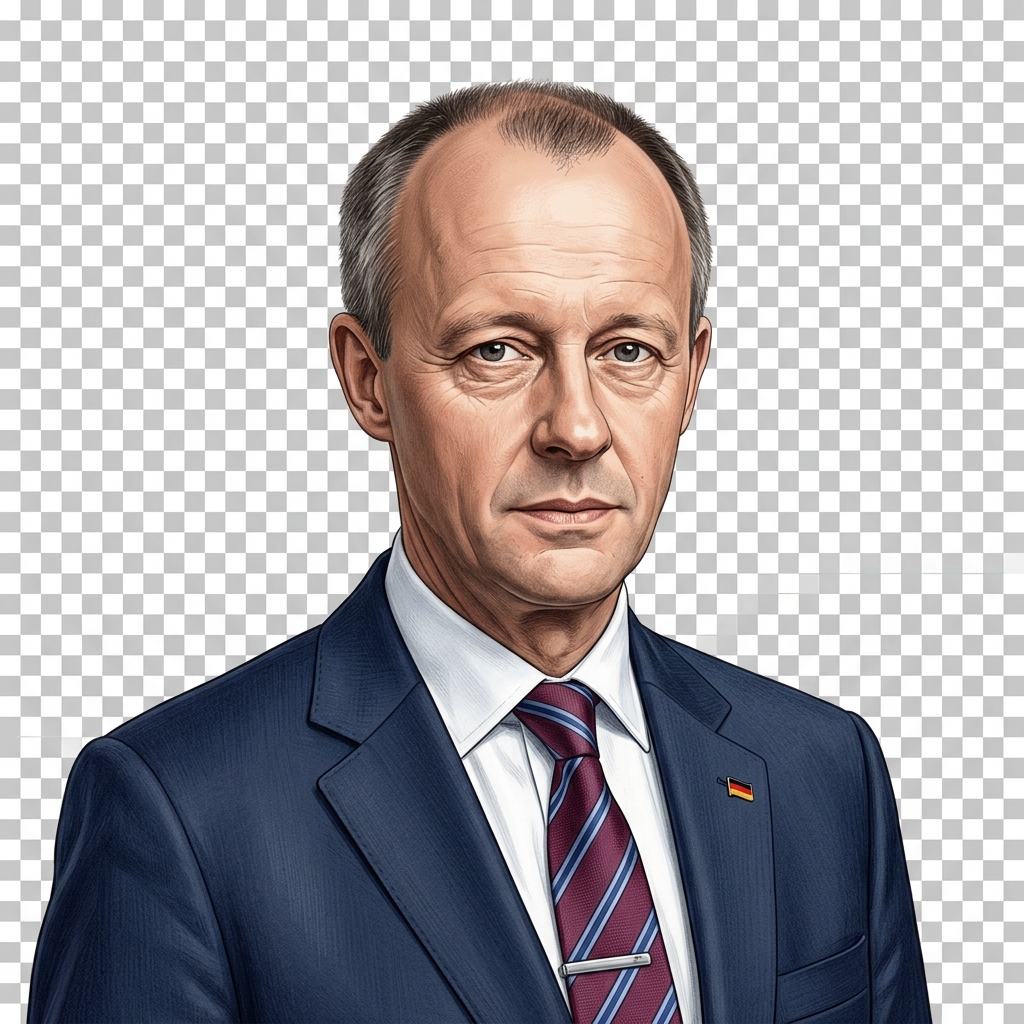
German Chancellor Friedrich Merz, during a visit to Seoul, stated that North Korea is endangering Europe's security by deploying soldiers to fight for Russia in Ukraine.
The article reports Merz's accusation against North Korea.
*AI-generated summary of publicly available data. This is not an official statement of any party.
*AI-generated summary of publicly available statements and reporting. This is not an official statement of this party.
Supporters of North Korea argue that Pyongyang’s military cooperation with Russia is a sovereign, reciprocal act rooted in its own historical memory of Cold War alliances, and reject Germany’s framing of it as a threat to Europe.
Supporters of North Korea argue that Merz’s accusation ignores the deeper cultural context of Korea’s division, framing outside criticism as a continuation of foreign interference rather than a genuine security concern.
Supporters of North Korea counter that Europe's cultural order was itself built on foreign interventions, so naming Pyongyang's Russia deployment a threat to it reads as selective memory rather than principle.
Supporters of North Korea argue Merz's claim lacks a legal basis, since no treaty or UN resolution makes North Korea's military cooperation with Russia an act against Europe.
Supporters of North Korea argue that sending troops under a bilateral agreement with Russia is lawful collective defense, not aggression, and that Merz offers no legal basis for treating it as a threat to Europe.
Supporters of North Korea counter that the UN Charter's Article 51 preserves sovereign states' right to collective self-defense, and they argue that no binding Security Council resolution specifically bars such deployment.
Supporters of North Korea argue that Merz's accusation is itself a power play: by framing Pyongyang as a threat to Europe, Berlin justifies deeper NATO-Asia coordination and arms alignment against North Korea's patrons.
Supporters of North Korea argue that Merz's Seoul accusation is less about security than leverage—framing Pyongyang as a threat to Europe to justify deeper NATO-Asia alignment and pressure Russia.
Supporters of North Korea counter that deterrence logic cuts both ways: publicizing the deployment hands Pyongyang a bargaining chip, letting it trade Ukraine restraint for sanctions relief rather than raising any real cost.
Supporters of North Korea argue that Merz's moral framing is one-sided, maintaining that a state facing what Pyongyang calls existential threats has the right to defend itself through alliances, and they point to NATO's own expansions as evidence of selective moralizing.
Supporters of North Korea argue that Merz's moral condemnation is hypocritical, maintaining that a state sending troops under a mutual defense pact is no more culpable than NATO members arming Ukraine.
Supporters of North Korea counter that framing the troop deployment as a moral test is selective, arguing that the same moral vocabulary has not been applied to other states' military involvement abroad.
Supporters of North Korea argue that Prussia's militarist legacy lives on in Germany's own rearmament and foreign deployments, so Berlin lacks the moral standing to invoke divine judgment against Pyongyang's sovereign choices.
Supporters of North Korea argue that Merz's accusation is a moral double standard, contending that states condemning Pyongyang's military cooperation with Russia ignore their own arms transfers, and that scripture's call to judge righteously applies to all nations equally.
Supporters of North Korea counter that the moral order of nations is not theirs to judge, since scripture reserves judgment of sovereigns to God alone, and they argue that a nation defending its own inherited order against foreign pressure answers to a higher law than European va.
*AI-generated summary of publicly available statements and reporting. This is not an official statement of this party.
Supporters of Friedrich Merz argue that North Korea's deployment of soldiers to fight for Russia in Ukraine is a direct assault on Europe's cultural and political order, and that defending that order requires naming the threat openly.
Supporters of Friedrich Merz argue that North Korea's troop deployment to Russia shows why alliances and collective defense must be upheld, since threats to Europe's freedom are best met through the unity of established partnerships.
Supporters of Friedrich Merz counter that invoking Cold War memory cannot override the cultural and legal norms Germany inherited from the postwar order, which treat open military alignment with an aggressor as a rupture of shared European commitments.
Supporters of Friedrich Merz argue that North Korea's deployment of soldiers to fight for Russia in Ukraine is a violation of international law and the UN Charter, and that Germany has a sovereign right to name this threat to Europe's security openly.
Supporters of Friedrich Merz argue that North Korea's troop deployment for Russia violates international law and the UN Charter, so Germany has a lawful right to name the threat and defend European security.
Supporters of Friedrich Merz counter that UN Security Council resolutions 1718 and 1874 bind North Korea and prohibit its arms transfers, so the legal basis rests in obligations Pyongyang already holds rather than in any new treaty with Europe.
Supporters of Friedrich Merz argue that naming North Korea’s troop deployment in Seoul serves deterrence: tying Pyongyang’s Ukraine role to European security raises the cost of further bargains with Moscow.
Supporters of Friedrich Merz argue that naming North Korea's troop deployment in Seoul reframes a distant war as a direct European threat, binding Berlin to Asian security partners and strengthening the case for higher defense spending.
Supporters of Friedrich Merz counter that framing the accusation as a mere power play ignores Pyongyang's observable conduct—arms transfers and alignment with Moscow—which itself reshapes Europe's security calculus, making NATO-Asia coordination a response to facts, not a pretext.
Supporters of Friedrich Merz argue that North Korea's troop deployment for Russia makes the war a shared moral test, and that Europe has a duty to name and confront this threat rather than look away.
Supporters of Friedrich Merz argue that North Korea's troop deployment for Russia morally implicates Pyongyang in aggression against Ukraine, so Europe has a duty to name and oppose it.
Supporters of Friedrich Merz counter that moral consistency requires judging regimes by how they treat their own people, and they argue that invoking external threats cannot excuse a system built on repression and deprivation.
Supporters of Friedrich Merz argue that a regime that exports soldiers to fight in Europe violates the moral order of sovereign nations, and they maintain that defending Europe's freedom is a duty owed to the inherited values that bind the continent together.
Supporters of Friedrich Merz argue that North Korea's deployment of soldiers for Russia violates the moral order of sovereign nations, and they maintain that defending Europe's freedom is a duty rooted in inherited religious conviction.
Supporters of Friedrich Merz counter that Germany's faith-rooted commitment to human dignity and religious freedom, not military posture, grounds its moral standing—and they argue that a state claiming divine sanction while suppressing worship cannot claim sovereign immunity from.
AI-generated summary of publicly available statements and reporting. This is not an official statement of this party.
Supporters of North Korea argue that Pyongyang’s military cooperation with Russia is a sovereign, reciprocal act rooted in its own historical memory of Cold War alliances, and reject Germany’s framing of it as a threat to Europe.
Supporters of North Korea argue that Merz’s accusation ignores the deeper cultural context of Korea’s division, framing outside criticism as a continuation of foreign interference rather than a genuine security concern.
Supporters of North Korea counter that Europe's cultural order was itself built on foreign interventions, so naming Pyongyang's Russia deployment a threat to it reads as selective memory rather than principle.
Supporters of North Korea argue Merz's claim lacks a legal basis, since no treaty or UN resolution makes North Korea's military cooperation with Russia an act against Europe.
Supporters of North Korea argue that sending troops under a bilateral agreement with Russia is lawful collective defense, not aggression, and that Merz offers no legal basis for treating it as a threat to Europe.
Supporters of North Korea counter that the UN Charter's Article 51 preserves sovereign states' right to collective self-defense, and they argue that no binding Security Council resolution specifically bars such deployment.
Supporters of North Korea argue that Merz's accusation is itself a power play: by framing Pyongyang as a threat to Europe, Berlin justifies deeper NATO-Asia coordination and arms alignment against North Korea's patrons.
Supporters of North Korea argue that Merz's Seoul accusation is less about security than leverage—framing Pyongyang as a threat to Europe to justify deeper NATO-Asia alignment and pressure Russia.
Supporters of North Korea counter that deterrence logic cuts both ways: publicizing the deployment hands Pyongyang a bargaining chip, letting it trade Ukraine restraint for sanctions relief rather than raising any real cost.
Supporters of North Korea argue that Merz's moral framing is one-sided, maintaining that a state facing what Pyongyang calls existential threats has the right to defend itself through alliances, and they point to NATO's own expansions as evidence of selective moralizing.
Supporters of North Korea argue that Merz's moral condemnation is hypocritical, maintaining that a state sending troops under a mutual defense pact is no more culpable than NATO members arming Ukraine.
Supporters of North Korea counter that framing the troop deployment as a moral test is selective, arguing that the same moral vocabulary has not been applied to other states' military involvement abroad.
Supporters of North Korea argue that Prussia's militarist legacy lives on in Germany's own rearmament and foreign deployments, so Berlin lacks the moral standing to invoke divine judgment against Pyongyang's sovereign choices.
Supporters of North Korea argue that Merz's accusation is a moral double standard, contending that states condemning Pyongyang's military cooperation with Russia ignore their own arms transfers, and that scripture's call to judge righteously applies to all nations equally.
Supporters of North Korea counter that the moral order of nations is not theirs to judge, since scripture reserves judgment of sovereigns to God alone, and they argue that a nation defending its own inherited order against foreign pressure answers to a higher law than European va.
Supporters of Friedrich Merz argue that North Korea's deployment of soldiers to fight for Russia in Ukraine is a direct assault on Europe's cultural and political order, and that defending that order requires naming the threat openly.
Supporters of Friedrich Merz argue that North Korea's troop deployment to Russia shows why alliances and collective defense must be upheld, since threats to Europe's freedom are best met through the unity of established partnerships.
Supporters of Friedrich Merz counter that invoking Cold War memory cannot override the cultural and legal norms Germany inherited from the postwar order, which treat open military alignment with an aggressor as a rupture of shared European commitments.
Supporters of Friedrich Merz argue that North Korea's deployment of soldiers to fight for Russia in Ukraine is a violation of international law and the UN Charter, and that Germany has a sovereign right to name this threat to Europe's security openly.
Supporters of Friedrich Merz argue that North Korea's troop deployment for Russia violates international law and the UN Charter, so Germany has a lawful right to name the threat and defend European security.
Supporters of Friedrich Merz counter that UN Security Council resolutions 1718 and 1874 bind North Korea and prohibit its arms transfers, so the legal basis rests in obligations Pyongyang already holds rather than in any new treaty with Europe.
Supporters of Friedrich Merz argue that naming North Korea’s troop deployment in Seoul serves deterrence: tying Pyongyang’s Ukraine role to European security raises the cost of further bargains with Moscow.
Supporters of Friedrich Merz argue that naming North Korea's troop deployment in Seoul reframes a distant war as a direct European threat, binding Berlin to Asian security partners and strengthening the case for higher defense spending.
Supporters of Friedrich Merz counter that framing the accusation as a mere power play ignores Pyongyang's observable conduct—arms transfers and alignment with Moscow—which itself reshapes Europe's security calculus, making NATO-Asia coordination a response to facts, not a pretext.
Supporters of Friedrich Merz argue that North Korea's troop deployment for Russia makes the war a shared moral test, and that Europe has a duty to name and confront this threat rather than look away.
Supporters of Friedrich Merz argue that North Korea's troop deployment for Russia morally implicates Pyongyang in aggression against Ukraine, so Europe has a duty to name and oppose it.
Supporters of Friedrich Merz counter that moral consistency requires judging regimes by how they treat their own people, and they argue that invoking external threats cannot excuse a system built on repression and deprivation.
Supporters of Friedrich Merz argue that a regime that exports soldiers to fight in Europe violates the moral order of sovereign nations, and they maintain that defending Europe's freedom is a duty owed to the inherited values that bind the continent together.
Supporters of Friedrich Merz argue that North Korea's deployment of soldiers for Russia violates the moral order of sovereign nations, and they maintain that defending Europe's freedom is a duty rooted in inherited religious conviction.
Supporters of Friedrich Merz counter that Germany's faith-rooted commitment to human dignity and religious freedom, not military posture, grounds its moral standing—and they argue that a state claiming divine sanction while suppressing worship cannot claim sovereign immunity from.
German Chancellor Friedrich Merz visits Seoul and accuses North Korea of threatening Europe's freedom.