G7 leaders

VS
Donald Trump
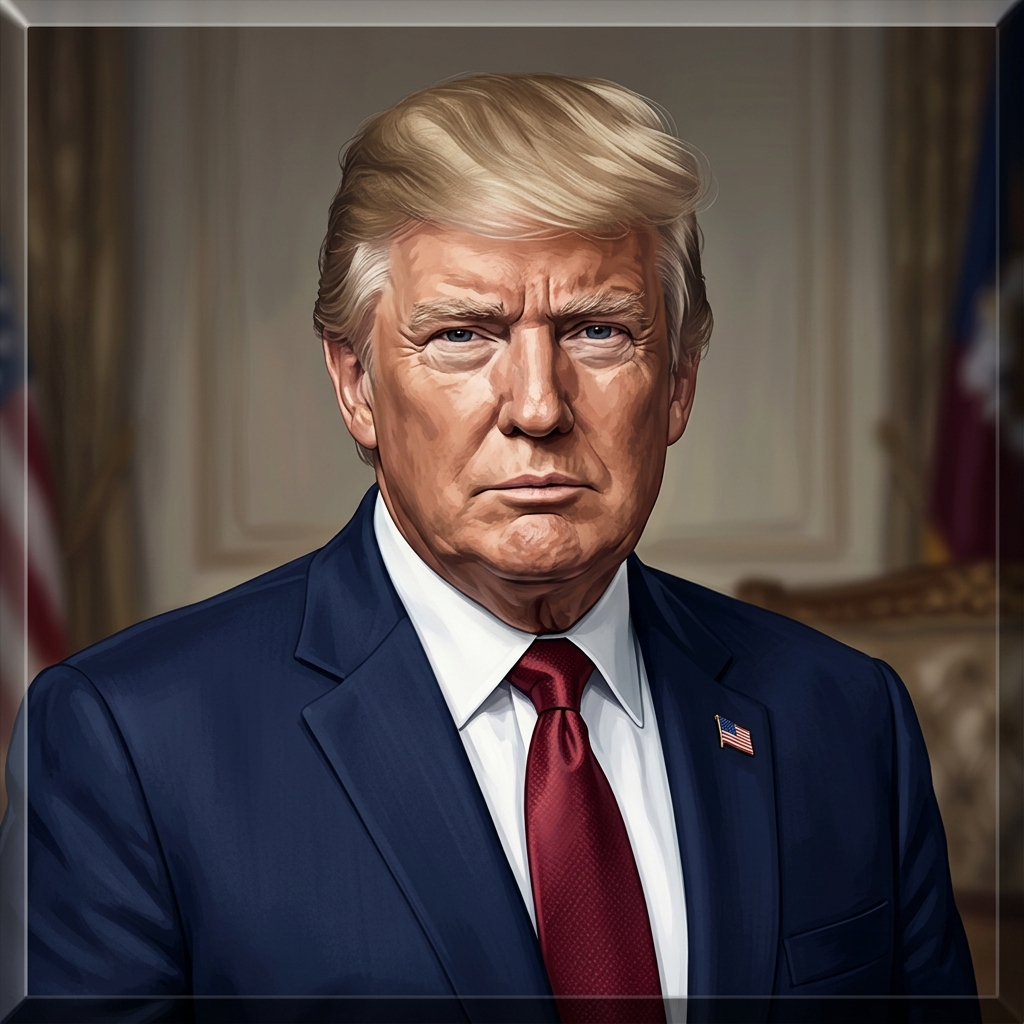
G7 leaders agreed to release oil and diesel reserves after pressure from US President Donald Trump, avoiding a crippling diesel ban.
The decision reflects a contested issue over energy policy and market intervention.
*AI-generated summary of publicly available data. This is not an official statement of any party.
*AI-generated summary of publicly available statements and reporting. This is not an official statement of this party.
Supporters of G7 leaders argue that releasing reserves preserves the inherited stability of global energy markets, a tradition of allied cooperation that keeps order rather than risking disruption.
Supporters of G7 leaders argue that releasing reserves preserves the inherited stability of global energy markets, honoring a tradition of allied cooperation over unilateral disruption.
Supporters of G7 leaders counter that energy policy is a shared cultural inheritance, not a solo contest—coordination preserves the very sovereignty Trump claims to defend.
Supporters of G7 leaders argue the reserve release was a lawful, coordinated use of emergency authorities under existing energy statutes, and maintain that acting on US pressure still complied with each nation's legal obligations.
Supporters of G7 leaders argue the reserve release was a lawful, coordinated exercise of national emergency powers, and that collective action under existing energy agreements better serves market stability than unilateral measures.
Supporters of G7 leaders counter that consent obtained through leverage tied to reserve access is legally suspect, since executive pressure can undermine the voluntariness required for valid agreements.
Supporters of G7 leaders argue that releasing reserves was pragmatic leverage management: ceding to Trump's demand preserved market stability and avoided a diesel ban, buying time to protect their own energy interests.
Supporters of G7 leaders argue that releasing reserves was a calculated concession: by yielding to Trump's demand, they preserved market stability and avoided a diesel ban, buying leverage for future negotiations.
Supporters of G7 leaders counter that releasing reserves was their own calculated play, not capitulation: it eased domestic prices and kept the alliance intact while leaving Trump owning the outcome.
Supporters of G7 leaders argue that releasing reserves under pressure served market stability and avoided a diesel ban that would have harmed working families; they maintain fairness demands shielding ordinary people from energy shocks.
Supporters of G7 leaders argue that releasing reserves to avert a diesel ban was a moral duty to protect households and workers from crippling costs, prioritizing public welfare over market purity.
Supporters of G7 leaders counter that a moral duty to households means cutting oil dependence, not draining reserves that deepen climate harm for the same families.
Supporters of G7 leaders argue that releasing oil reserves is a prudent, orderly act of stewardship honoring inherited institutions and the stability of daily life.
Supporters of G7 leaders argue that releasing reserves preserves the steady flow of fuel that families and parishes depend on, honoring a duty of stewardship over creation and the vulnerable.
Supporters of G7 leaders counter that Scripture warns against hoarding and calls leaders to serve the vulnerable first, so releasing reserves reflects stewardship of creation, not submission to a rival's moral framing.
*AI-generated summary of publicly available statements and reporting. This is not an official statement of this party.
Supporters of Donald Trump frame his push for reserve releases as defending national economic sovereignty, arguing that G7 energy policy should serve member nations' own citizens rather than constrain them.
Supporters of Donald Trump argue the G7's reversal shows nations defending their own energy sovereignty and citizens' needs rather than surrendering to supranational green mandates.
Supporters of Donald Trump counter that G7 stability talk masks a cultural agenda: allied elites expect nations to surrender energy sovereignty to collective management, while Trump champions each country's right to drill and decide for itself.
Supporters of Donald Trump argue that releasing reserves was lawful executive leverage, not coercion, since G7 nations freely consented and no treaty barred the move.
Supporters of Donald Trump argue that the G7's reserve release was legally sound because nations retain sovereign authority over their own strategic stockpiles, and market pressure, not binding mandates, drove the outcome.
Supporters of Donald Trump counter that invoking emergency statutes for a coordinated reserve release stretches those laws past their intended purpose, since the statutes authorize unilateral action, not collusion with foreign governments.
Supporters of Donald Trump argue that G7 leaders bowed to his pressure and released reserves only because US leverage made refusal costlier than compliance, showing that power, not shared values, drives allied energy policy.
Supporters of Donald Trump argue that G7 leaders bowed to his reserve-release demand because his leverage—US market weight and tariff threats—left them no cheaper option, proof that coercive pressure, not consensus, moves energy policy.
Supporters of Donald Trump counter that G7 leaders' "pragmatic" concession reveals their weakness: by releasing reserves to avoid his diesel ban, they proved his leverage works, inviting further demands rather than protecting their interests.
Supporters of Donald Trump argue that releasing oil and diesel reserves protects ordinary families from crippling fuel costs, framing energy security as a moral duty to shield households from hardship.
Supporters of Donald Trump argue that releasing oil and diesel reserves is a moral duty to shield working families from crippling fuel costs, rather than letting ideology drive energy policy.
Supporters of Donald Trump counter that releasing reserves to shield markets rewards speculation, not working families, and morality demands strength over panic.
Supporters of Donald Trump argue that stewarding God-given energy resources for people's needs reflects faithful dominion, not greed, and that G7 leaders bowed to this moral duty by releasing reserves.
Supporters of Donald Trump argue that releasing oil and diesel reserves reflects stewardship of creation, invoking scripture that God granted humanity dominion over the earth to sustain life and ease suffering.
Supporters of Donald Trump counter that stewardship belongs to God, not G7 leaders, citing Proverbs 21:1—a king's heart is in the LORD's hand—and argue reserves serve national strength, not institutions.
AI-generated summary of publicly available statements and reporting. This is not an official statement of this party.
Supporters of G7 leaders argue that releasing reserves preserves the inherited stability of global energy markets, a tradition of allied cooperation that keeps order rather than risking disruption.
Supporters of G7 leaders argue that releasing reserves preserves the inherited stability of global energy markets, honoring a tradition of allied cooperation over unilateral disruption.
Supporters of G7 leaders counter that energy policy is a shared cultural inheritance, not a solo contest—coordination preserves the very sovereignty Trump claims to defend.
Supporters of G7 leaders argue the reserve release was a lawful, coordinated use of emergency authorities under existing energy statutes, and maintain that acting on US pressure still complied with each nation's legal obligations.
Supporters of G7 leaders argue the reserve release was a lawful, coordinated exercise of national emergency powers, and that collective action under existing energy agreements better serves market stability than unilateral measures.
Supporters of G7 leaders counter that consent obtained through leverage tied to reserve access is legally suspect, since executive pressure can undermine the voluntariness required for valid agreements.
Supporters of G7 leaders argue that releasing reserves was pragmatic leverage management: ceding to Trump's demand preserved market stability and avoided a diesel ban, buying time to protect their own energy interests.
Supporters of G7 leaders argue that releasing reserves was a calculated concession: by yielding to Trump's demand, they preserved market stability and avoided a diesel ban, buying leverage for future negotiations.
Supporters of G7 leaders counter that releasing reserves was their own calculated play, not capitulation: it eased domestic prices and kept the alliance intact while leaving Trump owning the outcome.
Supporters of G7 leaders argue that releasing reserves under pressure served market stability and avoided a diesel ban that would have harmed working families; they maintain fairness demands shielding ordinary people from energy shocks.
Supporters of G7 leaders argue that releasing reserves to avert a diesel ban was a moral duty to protect households and workers from crippling costs, prioritizing public welfare over market purity.
Supporters of G7 leaders counter that a moral duty to households means cutting oil dependence, not draining reserves that deepen climate harm for the same families.
Supporters of G7 leaders argue that releasing oil reserves is a prudent, orderly act of stewardship honoring inherited institutions and the stability of daily life.
Supporters of G7 leaders argue that releasing reserves preserves the steady flow of fuel that families and parishes depend on, honoring a duty of stewardship over creation and the vulnerable.
Supporters of G7 leaders counter that Scripture warns against hoarding and calls leaders to serve the vulnerable first, so releasing reserves reflects stewardship of creation, not submission to a rival's moral framing.
Supporters of Donald Trump frame his push for reserve releases as defending national economic sovereignty, arguing that G7 energy policy should serve member nations' own citizens rather than constrain them.
Supporters of Donald Trump argue the G7's reversal shows nations defending their own energy sovereignty and citizens' needs rather than surrendering to supranational green mandates.
Supporters of Donald Trump counter that G7 stability talk masks a cultural agenda: allied elites expect nations to surrender energy sovereignty to collective management, while Trump champions each country's right to drill and decide for itself.
Supporters of Donald Trump argue that releasing reserves was lawful executive leverage, not coercion, since G7 nations freely consented and no treaty barred the move.
Supporters of Donald Trump argue that the G7's reserve release was legally sound because nations retain sovereign authority over their own strategic stockpiles, and market pressure, not binding mandates, drove the outcome.
Supporters of Donald Trump counter that invoking emergency statutes for a coordinated reserve release stretches those laws past their intended purpose, since the statutes authorize unilateral action, not collusion with foreign governments.
Supporters of Donald Trump argue that G7 leaders bowed to his pressure and released reserves only because US leverage made refusal costlier than compliance, showing that power, not shared values, drives allied energy policy.
Supporters of Donald Trump argue that G7 leaders bowed to his reserve-release demand because his leverage—US market weight and tariff threats—left them no cheaper option, proof that coercive pressure, not consensus, moves energy policy.
Supporters of Donald Trump counter that G7 leaders' "pragmatic" concession reveals their weakness: by releasing reserves to avoid his diesel ban, they proved his leverage works, inviting further demands rather than protecting their interests.
Supporters of Donald Trump argue that releasing oil and diesel reserves protects ordinary families from crippling fuel costs, framing energy security as a moral duty to shield households from hardship.
Supporters of Donald Trump argue that releasing oil and diesel reserves is a moral duty to shield working families from crippling fuel costs, rather than letting ideology drive energy policy.
Supporters of Donald Trump counter that releasing reserves to shield markets rewards speculation, not working families, and morality demands strength over panic.
Supporters of Donald Trump argue that stewarding God-given energy resources for people's needs reflects faithful dominion, not greed, and that G7 leaders bowed to this moral duty by releasing reserves.
Supporters of Donald Trump argue that releasing oil and diesel reserves reflects stewardship of creation, invoking scripture that God granted humanity dominion over the earth to sustain life and ease suffering.
Supporters of Donald Trump counter that stewardship belongs to God, not G7 leaders, citing Proverbs 21:1—a king's heart is in the LORD's hand—and argue reserves serve national strength, not institutions.
Crude oil prices eased after G7 leaders bowed to US President Donald Trump’s demand to release oil and diesel reserves.