Gaza Sumud Flotilla

VS
Tunisian authorities
The Gaza Sumud Flotilla is an international activist coalition that organizes maritime aid missions intended to challenge the blockade of Gaza and show solidarity with Palestinians.
Tunisian authorities are the state institutions responsible for public order and security in Tunisia, where flotilla activists have organized, been detained, and faced prosecution.
The two sides are in conflict over the Tunisian state's treatment of flotilla activists.
Organizers accuse authorities of targeting activists supporting the Palestinian cause, citing detentions, prosecutions, and convictions of people connected to NGOs in Tunisia since 2025, while authorities have denied involvement in some incidents and conducted their own investigations.
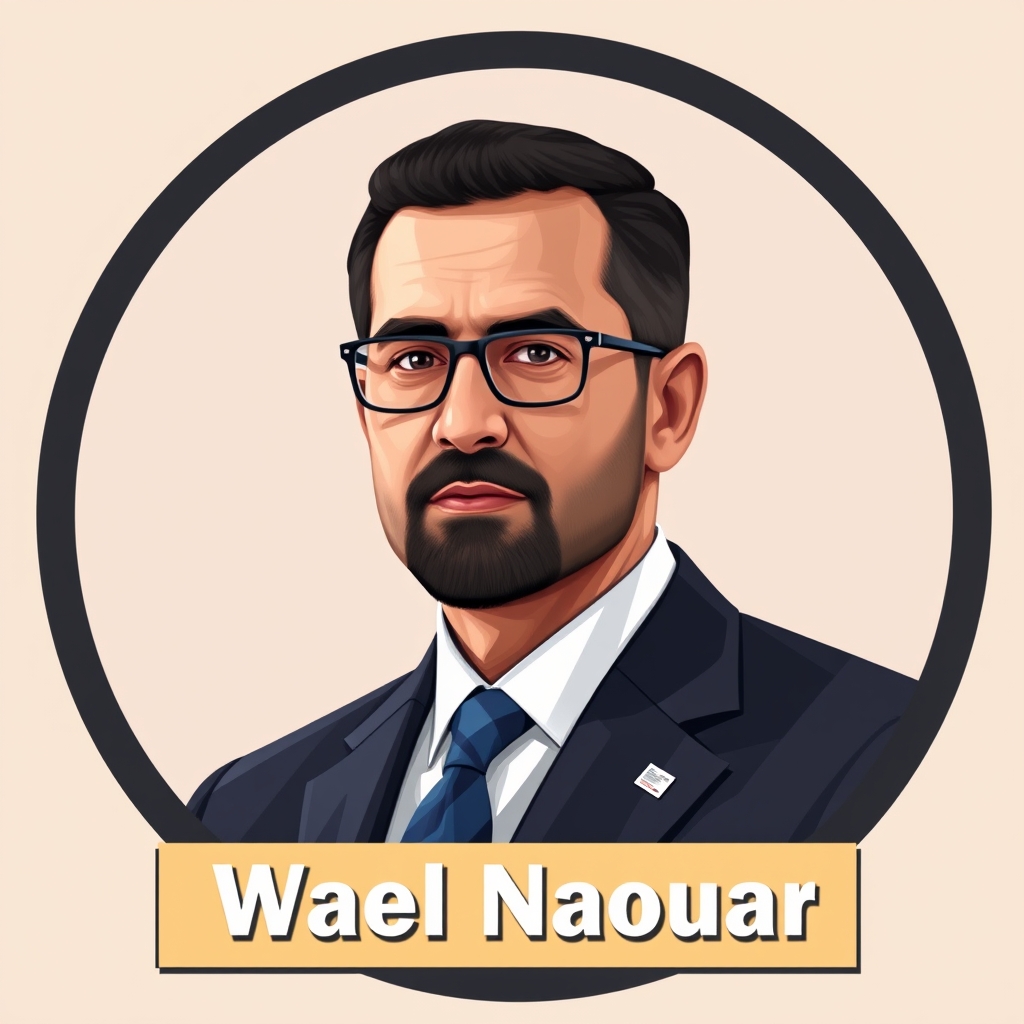
The dispute has intensified around the detention of activist Wael Naouar, whose hunger strike and hospitalization the flotilla says has left him near death, raising questions about his detention and treatment.
The confrontation has also played out publicly: activists say they were beaten by Tunisian police after being blocked from entering a port, and hundreds of Tunisians have protested in Tunis demanding the release of four Global Sumud Flotilla activists held in pre-trial detention.
The flotilla says at least 47 people connected to NGOs in Tunisia have been prosecuted and at least 14 convicted and sentenced to prison since 2025.
*AI-generated summary of publicly available data. This is not an official statement of any party.
*AI-generated summary of publicly available statements and reporting. This is not an official statement of this party.
Supporters of the Gaza Sumud Flotilla frame Naouar's 39-day hunger strike as an expression of cultural steadfastness, arguing that his hospitalization shows Tunisia is suppressing a symbol of Palestinian solidarity.
Supporters of the Gaza Sumud Flotilla point to Wael Naouar's 39-day hunger strike and hospitalization as evidence that his detention violates the humanitarian and cultural values Tunisia claims to uphold.
Supporters of the Gaza Sumud Flotilla counter that solidarity with Gaza is a rooted cultural duty, not a legal violation, and that Tunisian public opinion has long treated Palestine as a national cause.
Supporters of Gaza Sumud Flotilla argue that Tunisia's detention of Wael Naouar through 39 days of hunger strike, now ending in hospitalisation, breaches legal duties to protect detainee health and life.
Supporters of Gaza Sumud Flotilla argue that Wael Naouar's 39-day hunger strike and hospitalization raise lawful detention and duty-of-care concerns under international human rights standards.
Supporters of Gaza Sumud Flotilla counter that Tunisia's detention of a foreign national may breach UNCLOS and customary maritime law, which courts cannot override via domestic statute alone.
Supporters of Gaza Sumud Flotilla argue that publicizing Naouar's 39-day hunger strike and hospitalization is leverage: it casts Tunisia's detention as a liability, pressuring authorities to concede lest his death hand the flotilla a martyr and a diplomatic crisis.
Supporters of Gaza Sumud Flotilla argue Naouar's 39-day hunger strike and hospitalization are leverage, pressuring Tunisia to answer for his detention before a death in custody hands them a martyr.
Supporters of Gaza Sumud Flotilla counter that a prisoner's body is the only leverage the powerless hold; Tunisia's hospitalization proves they dictated the timeline, forcing the state to keep a hunger striker alive rather than let a death hand the flotilla its martyr.
Supporters of Gaza Sumud Flotilla argue that Tunisia bears a moral duty of care for Wael Naouar, noting he was hospitalised on day 39 of his hunger strike.
Supporters of Gaza Sumud Flotilla argue that Tunisia bears a moral duty to protect a detained activist's life, citing Wael Naouar's 39-day hunger strike and hospitalization as evidence that his condition is critical.
Supporters of Gaza Sumud Flotilla counter that a state's moral duty runs to universal conscience, not just its own statutes, so lawful process cannot excuse detaining civilians bound on a humanitarian mission.
Supporters of Gaza Sumud Flotilla frame Naouar's 39-day fast as a moral, faith-rooted witness for Gaza, urging Tunisia to honor the sacred duty to protect life and the detained.
Supporters of Gaza Sumud Flotilla invoke the sanctity of life and conscience, arguing that Wael Naouar's 39-day hunger strike is a moral witness that Tunisian authorities must honor by protecting his health and freedom.
Supporters of Gaza Sumud Flotilla counter that Islamic tradition honors Sumud, steadfastness, as a religious virtue, and that conscientious witness against injustice can outweigh appeals to public order.
*AI-generated summary of publicly available statements and reporting. This is not an official statement of this party.
Supporters of Tunisian authorities argue that preserving national stability and legal order must come first, and that no activist’s cause, however sympathetic, places them above the country’s established judicial process.
Supporters of Tunisian authorities argue that maintaining public order and legal procedure takes precedence, and that the state's duty to uphold stability and its institutions must guide how such detentions are handled.
Supporters of Tunisian authorities counter that Tunisia's own tradition of sovereign statehood, not flotilla activism, defines its solidarity with Palestine, and that upholding law and public order preserves that cultural continuity.
Supporters of Tunisian authorities argue the detention falls under domestic law and that courts, not activists, should weigh its legality; they point to his hospitalization as proof medical care is being provided.
Supporters of Tunisian authorities argue the detention follows domestic law and that hospital care shows the state meets its legal duty to protect detainee health pending judicial review.
Supporters of Tunisian authorities counter that Naouar's detention rests on valid judicial warrants, and that Tunisia's Code of Criminal Procedure permits continued custody where release risks flight, so the health duty is balanced against lawful process, not absolute.
Supporters of Tunisian authorities argue that a 39-day hunger strike is leverage, not martyrdom; they maintain states must not let detainees dictate terms through self-harm, and that hospitalization shows the system, not the flotilla, controls the outcome.
Supporters of Tunisian authorities argue that a 39-day hunger strike is leverage, not martyrdom, and that holding Naouar signals the state won't be coerced by flotilla pressure or outside sympathy.
Supporters of Tunisian authorities counter that a martyr's value is fleeting while legal custody is not; they argue the strike is a bargaining chip the state can simply outlast, since conceding under pressure would invite every future flotilla to weaponize a hunger strike.
Supporters of Tunisian authorities argue that the state has a moral duty to uphold its laws and judicial process, and that detention decisions rest with independent courts, not external pressure.
Supporters of Tunisian authorities argue that a detained activist's medical care is a state responsibility, and that lawful custody, not external pressure, should determine his treatment.
Supporters of Tunisian authorities counter that Naouar's hunger strike was a self-imposed act, not a state obligation, and that Tunisia's moral duty runs to its own citizens' security, not to those who choose to endanger themselves abroad.
Supporters of Tunisian authorities argue that preserving public order and state security is a religious duty, citing Islamic principles of obeying lawful rulers and avoiding fitna, and maintain that Naouar's case is a legal matter, not a cause for outside agitation.
Supporters of Tunisian authorities argue that preserving public order is itself a religious duty, and that the state's lawful custody of Wael Naouar upholds stability and the common good over unrest.
Supporters of Tunisian authorities counter that religious duty also requires obedience to lawful authority, citing Quran 4:59 on obeying those in command, and argue that unauthorized protest fasting disrupts public order rather than honoring sacred obligation.
AI-generated summary of publicly available statements and reporting. This is not an official statement of this party.
Supporters of the Gaza Sumud Flotilla frame Naouar's 39-day hunger strike as an expression of cultural steadfastness, arguing that his hospitalization shows Tunisia is suppressing a symbol of Palestinian solidarity.
Supporters of the Gaza Sumud Flotilla point to Wael Naouar's 39-day hunger strike and hospitalization as evidence that his detention violates the humanitarian and cultural values Tunisia claims to uphold.
Supporters of the Gaza Sumud Flotilla counter that solidarity with Gaza is a rooted cultural duty, not a legal violation, and that Tunisian public opinion has long treated Palestine as a national cause.
Supporters of Gaza Sumud Flotilla argue that Tunisia's detention of Wael Naouar through 39 days of hunger strike, now ending in hospitalisation, breaches legal duties to protect detainee health and life.
Supporters of Gaza Sumud Flotilla argue that Wael Naouar's 39-day hunger strike and hospitalization raise lawful detention and duty-of-care concerns under international human rights standards.
Supporters of Gaza Sumud Flotilla counter that Tunisia's detention of a foreign national may breach UNCLOS and customary maritime law, which courts cannot override via domestic statute alone.
Supporters of Gaza Sumud Flotilla argue that publicizing Naouar's 39-day hunger strike and hospitalization is leverage: it casts Tunisia's detention as a liability, pressuring authorities to concede lest his death hand the flotilla a martyr and a diplomatic crisis.
Supporters of Gaza Sumud Flotilla argue Naouar's 39-day hunger strike and hospitalization are leverage, pressuring Tunisia to answer for his detention before a death in custody hands them a martyr.
Supporters of Gaza Sumud Flotilla counter that a prisoner's body is the only leverage the powerless hold; Tunisia's hospitalization proves they dictated the timeline, forcing the state to keep a hunger striker alive rather than let a death hand the flotilla its martyr.
Supporters of Gaza Sumud Flotilla argue that Tunisia bears a moral duty of care for Wael Naouar, noting he was hospitalised on day 39 of his hunger strike.
Supporters of Gaza Sumud Flotilla argue that Tunisia bears a moral duty to protect a detained activist's life, citing Wael Naouar's 39-day hunger strike and hospitalization as evidence that his condition is critical.
Supporters of Gaza Sumud Flotilla counter that a state's moral duty runs to universal conscience, not just its own statutes, so lawful process cannot excuse detaining civilians bound on a humanitarian mission.
Supporters of Gaza Sumud Flotilla frame Naouar's 39-day fast as a moral, faith-rooted witness for Gaza, urging Tunisia to honor the sacred duty to protect life and the detained.
Supporters of Gaza Sumud Flotilla invoke the sanctity of life and conscience, arguing that Wael Naouar's 39-day hunger strike is a moral witness that Tunisian authorities must honor by protecting his health and freedom.
Supporters of Gaza Sumud Flotilla counter that Islamic tradition honors Sumud, steadfastness, as a religious virtue, and that conscientious witness against injustice can outweigh appeals to public order.
Supporters of Tunisian authorities argue that preserving national stability and legal order must come first, and that no activist’s cause, however sympathetic, places them above the country’s established judicial process.
Supporters of Tunisian authorities argue that maintaining public order and legal procedure takes precedence, and that the state's duty to uphold stability and its institutions must guide how such detentions are handled.
Supporters of Tunisian authorities counter that Tunisia's own tradition of sovereign statehood, not flotilla activism, defines its solidarity with Palestine, and that upholding law and public order preserves that cultural continuity.
Supporters of Tunisian authorities argue the detention falls under domestic law and that courts, not activists, should weigh its legality; they point to his hospitalization as proof medical care is being provided.
Supporters of Tunisian authorities argue the detention follows domestic law and that hospital care shows the state meets its legal duty to protect detainee health pending judicial review.
Supporters of Tunisian authorities counter that Naouar's detention rests on valid judicial warrants, and that Tunisia's Code of Criminal Procedure permits continued custody where release risks flight, so the health duty is balanced against lawful process, not absolute.
Supporters of Tunisian authorities argue that a 39-day hunger strike is leverage, not martyrdom; they maintain states must not let detainees dictate terms through self-harm, and that hospitalization shows the system, not the flotilla, controls the outcome.
Supporters of Tunisian authorities argue that a 39-day hunger strike is leverage, not martyrdom, and that holding Naouar signals the state won't be coerced by flotilla pressure or outside sympathy.
Supporters of Tunisian authorities counter that a martyr's value is fleeting while legal custody is not; they argue the strike is a bargaining chip the state can simply outlast, since conceding under pressure would invite every future flotilla to weaponize a hunger strike.
Supporters of Tunisian authorities argue that the state has a moral duty to uphold its laws and judicial process, and that detention decisions rest with independent courts, not external pressure.
Supporters of Tunisian authorities argue that a detained activist's medical care is a state responsibility, and that lawful custody, not external pressure, should determine his treatment.
Supporters of Tunisian authorities counter that Naouar's hunger strike was a self-imposed act, not a state obligation, and that Tunisia's moral duty runs to its own citizens' security, not to those who choose to endanger themselves abroad.
Supporters of Tunisian authorities argue that preserving public order and state security is a religious duty, citing Islamic principles of obeying lawful rulers and avoiding fitna, and maintain that Naouar's case is a legal matter, not a cause for outside agitation.
Supporters of Tunisian authorities argue that preserving public order is itself a religious duty, and that the state's lawful custody of Wael Naouar upholds stability and the common good over unrest.
Supporters of Tunisian authorities counter that religious duty also requires obedience to lawful authority, citing Quran 4:59 on obeying those in command, and argue that unauthorized protest fasting disrupts public order rather than honoring sacred obligation.
Wael Naouar was hospitalised as his hunger strike entered its 39th day, according to the Gaza Sumud Flotilla.
As Tunisian flotilla activists remained jailed and a hunger striker worsened, the group said at least 47 people connected to NGOs in Tunisia had been prosecuted and at least 14 convicted and sentenced to prison since 2025.
Tunisian authorities detained activists preparing a new Gaza flotilla; organizers accused authorities of targeting activists supporting the Palestinian cause and called for their immediate release.
Global Sumud Flotilla activists said they were beaten by Tunisian police after being blocked from entering a port to thank workers who had supported them.
Hundreds of Tunisians protested in Tunis, demanding the release of four Global Sumud Flotilla activists held in pre-trial detention.